Footprint In The Sand

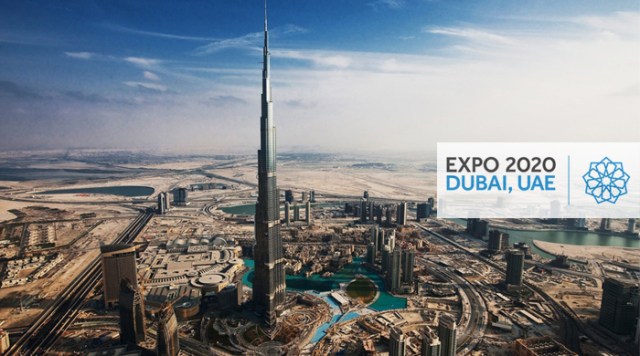
dubai-expo2020This week, HH Sheikh Mohammed bin Rashid Al Maktoum launched the official logo for Dubai Expo 2020. The winning design, out of 19k entries, is an authentic Emirati logo based on the 2002 find of a 4k-year old ring, at the Al Marmum archaeological site.

Following on from reports that local banks had lost a potential US$ 1.4 billion in bad debts, as people left the country, it was welcome news to see that these financial institutions have agreed to suspend any legal action against struggling SMEs for a period of three months. Such companies contribute over 60% to the country’s GDP and could further benefit from certain banks reducing seemingly exorbitant interest rates as well as a change in the law relating to insolvency.

Dubai Holding has added a new business unit – Family Entertainment and New Media – which will be responsible for Global Village and Arab Media Group, as well as any family destinations and new international production business communities. The new CEO will be Mohamed Al Mulla, who will be tasked to firm up investments in a mixed range of knowledge-based sectors.

The importance of the MICE (meetings, incentives, conferences and exhibitions) sector to the Dubai economy was demonstrated by a 12.0% hike in delegate numbers to 2.74 million, visiting Dubai World Trade Centre. Last year, the venue held 396 trade events, with 38.9% (1.1 million) of the attendees being overseas visitors – adding value to the local travel, retail and hospitality sectors.

A recent report by real estate consultancy Core, the UAE affiliate of Savills, has concluded what many already knew – Dubai affordable housing is anything but. Although some banks will arrange mortgages for those on US$ 4k a month, that does not seem enough to buy a studio apartment for say US$ 170k. There are reports that legislation could be introduced for a mandatory 15% housing in all future residential projects – but even if that reduced purchase prices, it would still be out of range for the vast majority.

As has been the case in recent months, the Dubai hospitality sector continues to struggle. February STR Global data sees falls across the board, including occupancy rates down 3.5% to 82.5% and a 11.6% decrease in ADR to US$ 227, causing RevPAR to drop 14.7% to US$ 187. (These are still much better than ME hotels which show falls of 5.3% to 70.2%, 10.5% to US$ 50 and 15.2% to US$ 36 respectively.

Following a 5-year delay, it has been announced that Dubai’s 2nd tallest building, Marina 101, will open by the end of 2016. The 427 mt tower, costing US$ 355 million, will include the Hard Rock hotel (encompassing the first 33 floors), apartments (from floors 34 -100) and a Hard Rock Café & Lounge on the 101st deck.

The 110-bed Clemenceau Medical Centre will become the third general hospital in Dubai Healthcare City. The US$ 109 million facility, affiliated with Johns Hopkins Medicine International, will be built in conjunction with Khansaheb Investment and is expected to be finished by 2018.

The UAE – as chair of the Kimberley Process (a programme to stop the trade in blood diamonds) – is spearheading a drive to regulate the pricing of rough diamonds. According to experts, in the absence of such pricing, there is an increased potential for abuse in the supply chain.

It is interesting to note that three car rental companies have been closed for violating regulations that only allow rentals for a minimum of 24 hours; the three companies had been renting on an hourly basis, via a smartphone app.

After seven months of falling pump charges, April will see a hike in petrol prices. For example, Special 95 jumps 11.0% to US$ 0.41 per litre, whilst diesel increases by 11.4% to US$ 0.425. The upward movement is a direct result of the recent increase in oil prices, with Brent crude now hovering around US$ 40 per barrel.

A new Executive Council Resolution No (8) of 2016 will see departing passengers – including those in transit – from Dubai airports paying a US$ 9.50 fee.

Local philanthropist, Rajen Kilachand should be a happy man, as his Dodsal Group announces a gas find in Tanzania, with reported deposits of 2.7 trillion cu ft of natural gas which could rise to 3.8 trillion cu ft. That being the case, the discovery could be worth between US$ 8 – US$ 11 billion. The Dubai-based company signed a production sharing agreement with the Tanzanian government in 2007 and the chairman is confident that this find will boost the local economy and create new job opportunities. Dodsal is in bank negotiations to raise an additional US$ 300 million finance for further gas exploration and production.

It was reported that US$ 980 million, of which 50% was foreign sourced, was invested in Dubai Silicon Oasis last year. Projects included the Fakeeh Academic Medical Centre (US$ 272 million), Avenues Mall (US$ 136 million) and Axiom Telecom (US$ 54 million). The number of companies rose by 38.0% to 1.9k, with 78% of that total specialising in technology.

In order to improve and enhance existing and new networks, DEWA is planning to build 64 new substations; the 3-year project will cost US$ 490 million.

At the recent Etisalat AGM, the telecom operator, which posted a US$ 2.3 billion net profit after federal royalty, announced a US$ 0.022 dividend. The company also appointed Saleh Al Abdooli to replace Ahmad Julfar as its CEO.

Dipping 3.4%, Dubai’s 2015 trade total of US$ 350 billion of non-oil foreign trade can be split between imports (US$ 217 billion), reexports (US$ 97 billion) and exports (US$ 36 billion). The three leading trading partners, accounting for over US$ 96 billion (or 27.5% of all trade) were China, India and the US, with the former contributing US$ 48 billion. With a value of US$ 50 billion, phones remained Dubai’s most traded commodity, with gold (US$ 32 billion), diamonds (US$ 26 billion), vehicles (US$ 18 billion) and jewellery (US$ 18 billion) making major trade contributions.

Dubai Investments has injected a further US$ 27 million in troubled Union Properties which will see it increase its share in Property Investments by 20% to 70%. PI build and own property in Dubai Investment Park, including the Green Community and Courtyard by Marriott.

Dubai Parks & Resorts is expecting to raise US$ 458 million in an April rights issue, with the funds being used to finance the development of its 4th theme park, under the Six Flags brand. It is expected that the total cost of the new facility will be US$ 728 million, with the balance (US$ 270 million) being debt financed. The Meraas park operator plans to open its first three parks in October.

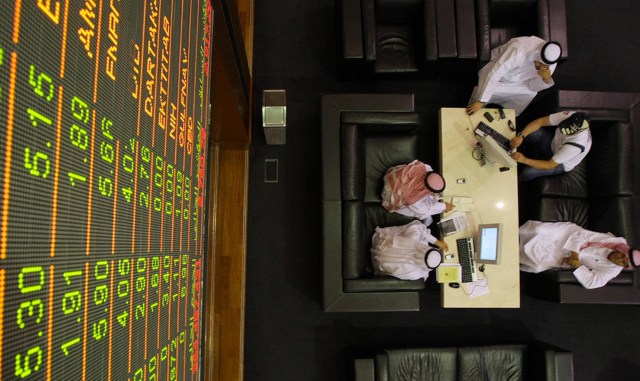
The bourse had a flat week opening Sunday at 3319 to close 6 points up at 3325 by Wednesday (30 March 2016). Bellwether stocks, Emaar Properties and Arabtec, had mixed fortunes with the former down US$ 0.06 to US$ 1.60, and the latter up US$ 0.04 to US$ 0.45. Trading volumes on Wednesday were slightly down at 394 million shares, valued at US$ 138 million, changing hands, (cf 441 million shares for US$ 131 million, the previous Thursday).

Brent crude continued in negative territory, falling 3.3% (US$ 1.30) to US$ 38.62, whilst gold moved up US$ 10 to US$ 1,229, by Wednesday (30 March) close.

Chinese insurance company, Anbang, is slugging it out with Marriott as both try to acquire Starwood Hotels. It seemed that the extended battle had finally been won by the American company, when they tabled a US$ 13.6 billion revised offer last week. This has now been bettered by a US$ 14 billion bid but it is likely that an increased counter offer will be on the table shortly. Interestingly, Starwood would have to pay Marriott a US$ 450 million fee, if it were to accept another offer.

Despite a 7.5 year backlog of orders for 5.8k planes, Boeing plans to cut its workforce by 2.8% to 156.5k, with most redundancies being in its commercial aircraft division. The world’s largest manufacturer has been losing market share to its arch rival, Airbus, whilst seeing a slowdown in the number of new orders.

Taiwanese manufacturer, Foxconn has acquired 66% of Sharp for a reported US$ 3.5 billion, with the electronics company becoming the first ever major Japanese entity to be sold to overseas interests.

Acting before hostile moves are made, Yahoo is trying to sell its core business, including its internet arm and Asian businesses. The struggling internet company put the business up for sale last month, with possible suitors including Time Inc and Verizon Communications. It has also undergone a major cost cutting exercise which has seen its payroll cut by 15% to 11.5k.

Having bought the then Perot Systems in 2009 for US$ 3.9 billion, Dell Inc is now planning to sell the renamed Dell Services to Japanese-based NT Data Inc, for just over US$ 3 billion. As part of its restructuring strategy, the privately owned IT company is broadening its horizon and is in discussions to buy data storage provider, EMC, for US$ 67 billion.

The US Q4 growth figures were amended upwards from 1.0% to 1.4%, as consumer spending rose quicker than originally reported; however this is down on the 2.0% reported in the previous quarter. Consumer spending also moved up from 2.0% – initially reported – to 2.4% on the back of increased employment and rising wage rates. This good news was dampened by the fact that corporate profits recorded their biggest drop (at 11.5%), since the onset of the GFC, as pre-tax earnings fell 3.1% – the most in 7 years. Exports also fell by 2.0%. These disappointing returns could be a portent for companies to consider cost-cutting measures, including investment and hiring, as they are feeling the impact of the strong greenback.

Federal chair, Janet Yellen, remains cautious in her outlook for the US economy, indicating a slower pace for future rate hikes. The main drivers, as usual, were the volatile commodity markets and the economic slowdown in China. She did intimate that, in the event of problems in the US, the Fed would consider tools, such as negative rates and asset purchases.

It is reported that Omani officials have declared the US$ 6 billion Wahat Oman project to be a fake. Touted last year to become the region’s largest yacht port, along with five luxury hotels, residences, hospital and other leisure facilities, the scheme will remain a Footprint In The Sand.
Posted in Finance | Tagged , , , , , , , , , , , , | Leave a comment

Here’s To The Good Times!

shops-crystal-lasvegasWith the launch of three projects, it was a week of “1s” – One at Palm Jumeirah, One Central and 1/JBR. The developer, Omniyat, has appointed Brookfield Multiplex as the main contractor for the US$ 544 million One at Palm Jumeirah. The 108k sq mt development will house only 90 luxury apartments, with prices ranging from US$ 4 million to US$ 54 million.

The 54-year old construction company was one of the first international entrants to Dubai and built the original towers in The Marina. Under its now Executive Chairman, John Ferguson, it has built some of Dubai’s most famous landmarks, including Emirates Towers (2000), The Index (2011) and JW Marriott Marquis (2013). In 2007, the Australian company, Multiplex, was taken over by the Canadian Brookfield Asset Management.

HH Sheikh Mohammed bin Rashid Al Maktoum has approved plans for the US$ 2.1 billion One Central development. Located in the CBD, adjacent to the Dubai World Central, the project, covering 500k sq mt, includes 4 hotels (with 2k keys) and 1.3k residential units.

Dubai Properties has started enabling work on its 1/JBR project, located at the entrance to JBR. The 46-storey building, with 153 apartments ranging from 2-5 bedrooms, will be completed within 3 years.

The US$ 163 million Union Museum will be finished in September and will be officially opened during the 45th National Day celebrations in December. Located in Jumeirah 1, the museum highlights the origins of the country from pre-union times to the present.

Al Jaber LEGT Engineering and Contracting (Alec) has been awarded phase 1 of the planned passenger terminal building expansions at Al Maktoum International Airport. Within a year, the built up area will increase by 120% to 146k sq mt. By 2030, the facility will have the capacity to handle 220 million passengers a year.

Emphasising the importance of the retail sector to Dubai, latest figures indicate that 2016 sales will top US$ 43 billion in the emirate. Furthermore, wholesale and retail trade accounts for more than 11% of the UAE’s GDP – and almost 30% for Dubai.

Network International estimates that card spending in the country increased by 9.0% last year, and this despite Russian spend down by 50% and Chinese declining by 13%. Notwithstanding all the doom and gloom merchants around, domestic consumer spending jumped by 13%.

The UAE has moved up to 2nd place, behind Malaysia, in the MasterCard-CrescentRating Global Muslim Travel Index (GMTI) 2016. The report, covering 130 countries, estimates that the 117 million annual Muslim travellers account for about 10% of the total market; by 2020, this percentage is set to increase to 11%, with a market value of US$ 200 billion.

Al Islami Foods is to open an office in Sao Paulo, as the Dubai-based company moves to expand its international operations, with a planned poultry processing plant in Brazil.

Last December, Dubai business tycoon, Khalaf Al Habtoor, made a US$ 8.5 billion investment proposal for a mixed-use development in Cairo; to date, he is still awaiting a response from the Al Sisi government.

Dubai’s Telecommunications Regulatory Authority reported that there was a 41.5% jump in 2015 online blackmail cases to 300.

With one of the highest malware infection rates in the world, it is no surprise to see that US-based cyber security company Malwarebytes plans to open an office in Dubai next month. The company estimates that over the past 3 years, ME countries have witnessed double the number of infected systems than the worldwide average.

There was another boost for embattled developer Arabtec, with the announcement that it had won a US$ 463 million contract to build 1.1k villas in Fujairah; so far this year, the company, 36.1% owned by Abu-Dhabi government’s Aabar Investments, has won four contracts, totalling US$ 2.3 billion. It was also reported that the company has recommenced legal action against Meydan to recover 50% of its US$ 763 million claim; dating back to 2009, the dispute involves work carried out at the home of the Dubai World Cup.

Troubled Dubai-based contractor, Drake & Scull International, 12.8% owned by Emirates Islamic Bank, has won a US$ 93 million MEP building services contract on phase 1 of the Doha Metro project.

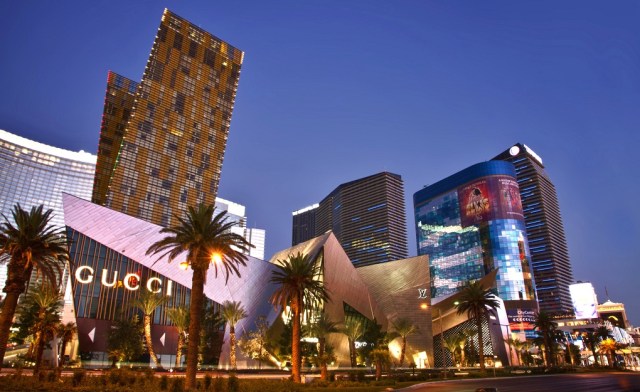
It is reported that the 2007 JV, between DP World and MGM Mirage, has sold City Center’s The Shops at Crystals in Las Vegas for US$ 1.1 billion to Invesco Real Estate and the Simon Property Group. The 324k sq ft luxury mall was part of the massive US$ 8.5 billion CityCenter project which opened in 2009.

Limitless has finally started work in Vietnam on a US$ 550 million residential and tourism project, announced nearly ten years ago. Located in Halong Bay, the development includes a 5-star hotel, 340 residential units along with retail and leisure facilities.

Dubai-listed retailer Marka is planning to issue a 7%, 5 year US$ 68 million bond to finance future expansion. The company has acquired both Retailcorp (from Istithmar World) and Reem Al Bawadi and has majority shareholdings in Cheeky Monkeys and Icons.

Abraaj Group is involved in a US$ 150 million fundraising exercise, with an Indian online grocery business, Big Basket. This is its third foray in the e-commerce sector, already having stakes in the local taxi service, Careem, and the Turkish online retailer, Hepsiburada.

There are at least three Dubai entities considering IPOs. After the 2014 success of a US$ 1.6 billion float of its Malls division, there are reports that Emaar is to consider listing its overseas units, in India and Turkey, as well as its hotel division. Al Masah Capital Management is also deliberating on whether to go public, with both its Al Najah Education and Avivo Group. Its education company, established in 2012, operates schools and nurseries in the UAE, as well as Oman and Singapore. Its healthcare service is looking at a US$ 300 million London listing next year. Al Shafar General Contracting has completed “90% of preparations” ahead of a planned October public offering.

MAF Properties reported impressive 2015 figures, with both revenue and profit heading north, by 3.9% to US$ 1.09 billion and 29.6% to US$ US$ 954 million respectively. This helped the parent company, Majid Al Futtaim’s revenue jump 9.2% to US$ 7.4 billion.

Dubai-based Topaz reported a 53% slump in 2015 profits to US$ 21 million, as revenue dipped 10.3% to US$ 362 million. The shipping company, a wholly owned subsidiary of Muscat-listed Renaissance Services, also posted a US$ 71 million impairment charge, as the value of their ships fell in tandem with the oil industry slump.

There are reports that Dubai Police is investigating an alleged fraud in which 60 Gold AE clients have been unable to access their funds totalling US$ 3.2 million; consequently a further 200 (from a client base of 1.2k) have come forward with the same complaint. The company suspended trading last October and, a month later, the Dubai Multi Commodities Centre cancelled its trade licence.

A total of US$ 354 million has already been pledged to the newly created Mohammed Bin Rashid Global Centre for Endowment Consultancy. Based on the model of sustainable charitable endowment, it will centre on a mix of philanthropic causes. The Dubai Ruler has also donated land for the construction of a new Dubai Awqaf and Endowment District which will be devoted to charity and long-term endowments. (GEMS Education has already announced that 4% – 3k students – will benefit from endowment scholarships in support of this initiative).

The bourse ended its recent bullish run closing after opening Sunday at 3385 to close 66 points at 3319 by Thursday (24 March 2016). Bellwether stocks, Emaar Properties and Arabtec, both fell – the former by US$ 0.05 to US$ 1.66, and the latter down US$ 0.03 to US$ 0.41. Trading volumes on Thursday were slightly up on last week at 441 million shares, valued at US$ 131 million, changing hands, (cf 410 million shares for US$ 257 million, the previous Thursday).

Brent crude returned to negative territory falling 3.8% (US$ 1.58) to US$ 39.92, whilst gold was also down US$ 46 to US$ 1,219, by Thursday (24 March) close.

The decline in US oil exploration can be gauged from the fact that the number of rigs has fallen 55.5% to 476 over the past year; of this total, 387 are exploring for oil and the balance for gas. Crude production is at its lowest level since 2014, as imports (8.4 million barrels) rose to a 3-year high.

PetroChina posted a 66.9% decline in 2015 profits to US$ 5.46 billion. The Beijing-based conglomerate is one of the largest global producers and the oil price slump has impacted on both its exploration and production sectors.

Petrobas reported a Q4 US$ 10.2 billion loss, after a massive write-down in assets, following the collapse of oil prices. The Brazilian state-owned company has been stuck in a corruption scandal, involving senior executives and government officials.

Woodside has shelved a massive US$ 40 billion gas project in W Australia. It is estimated that, over the past two years, global energy projects totalling US$ 400 billion have been delayed.

At least two Australian banks are suffering from increased bad debt charges, blaming slower economic growth and a sluggish resources sector. ANZ and CBA have provisions of US$ 675 million and US$ 423 million whilst the markets expect even worse news slashing US$ 15 billion off the market value of the Big 4 (including Westpac and NAB) this week.

Lloyd’s recorded a 30% slump in 2015 profits to just over US$ 3 billion citing “challenging market conditions and a turbulent macro-economic backdrop” as the main drivers. The world’s specialist insurance market is underwritten by more than 80 syndicates and is considering expansion into Dubai and Beijing.

Just when it seemed that Marriott had been gazumped by Anbang, a Chinese insurance company, to acquire Starwood, the American hotelier has upped its offer to US$ 14.4 billion; this equates to US$ 21 cash, US$ 0.8 shares of Marriott International Inc. Class A stock and Interval Leisure Group stock valued at $5.83 per share for each Starwood share.

Now that Steinhoff International has withdrawn from the race to acquire the Home Retail Group (owner of Argos), it seems that the way is clear for Sainsbury’s to make a formal US$ 2.0 billion offer. The supermarket chain’s cash and share offer values HRG shares at US$ 2.46 each. Although the South African rival withdrew from the UK bid, it has made a US$ 975 million offer for Darty – Europe’s 3rd largest electrical goods retailer.

Following reports that Virgin America, an offshoot of Richard Branson’s empire, is up for sale, its shares jumped 15% to nearly US$ 35 on Wednesday. The company only went public in November 2014, when its shares were valued at US$ 23 and its market cap was US$ 1.24 billion.

Although Nike’s latest quarterly figures showed increases in revenue (8.0% to US$ 8 billion) and profit (US$ 950 million), its shares fell 7% on Tuesday. The market was expecting better results and is wary that the next quarter will see more pressure on sales because of the strong greenback and the global economic slowdown.

The same two factors have also has hit Tiffany’s, with the luxury retailer announcing a 9.0% fall in profit to US$ 494 million for the year ended 31 January 2016. In Q4, all major regions – excluding Japan and the UK – witnessed deteriorating performances; the downward trend is expected to continue into the new financial year.

Following a 2015 annual loss of US$ 2.4 billion (its first since the GFC), Credit Suisse has followed last month’s 4k job cut with another tranche of 2k. This will help the bank achieve its planned US$ 820 million cost cutting exercise.

Australian shareholders have seen a 23.1% fall in dividend payments to US$ 14.5 billion, with the drop attributable to the big commodity companies cutting back on pay-outs in the wake of falling profits. According to CommSec economists, these payments equate to 1.2% of the country’s GDP. The three companies with the largest dividend pay-outs are Commonwealth Bank, Telstra and Wesfarmers, distributing dividends totalling US$ 2.6 billion, US$ 1.5 billion and US$ 0.9 billion respectively. Next week will see a boost to consumer spending, as over 50% of total dividends will be paid out.

The former head of Tabcorp, Australia’s biggest bookmaker, the grandly named Elmer Funke-Kupper, has resigned his position as head of the country stock exchange – the ASX. It has been alleged that, in 2010, Tabcorp paid US$ 150k to the family of the Cambodian PM’s family as part of its attempt to gain quick entry into the country’s lucrative online gaming business, ahead of the 2010 FIFA World Cup.

From a recent Repucom European Football Jersey Report, shirt sponsorship in the top six European football leagues has jumped 12.7% to US$ 933 million. 19.6% of this revenue emanated from the UAE, with Emirates being the largest sponsor. The EPL recorded a 35% surge in shirt revenue to US$ 371 million, with the Bundesliga lagging in 2nd place at US$ 153 million.

Finally someone agrees with this blog that the property market is not facing an oversupply and that prices are set to rise! Interestingly, leading brokerage, Allsopp & Allsopp, has reported its highest sales volume since starting operations in 2008 and claims that a property oversupply is patently false. Further good news came with reports that on Thursday, the Dubai Land Department dealt with 170 transactions totalling US$ 401 million – one of their busiest days on record. There’s no doubt that market equilibrium is fast returning to the Dubai real estate sector so Here’s To The Good Times!

Posted in Finance | Tagged , , , , , , , , , , , , , | Leave a comment

We Are Family

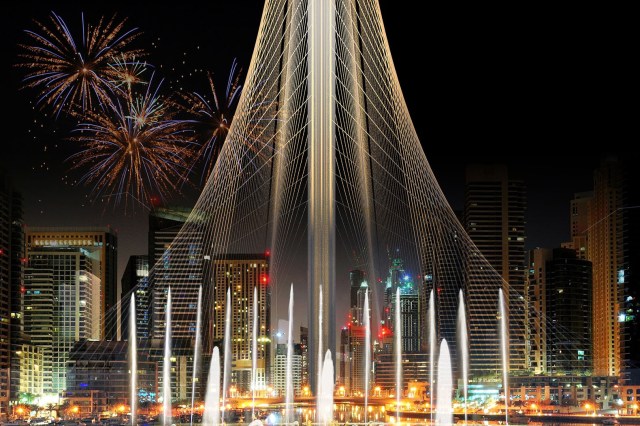
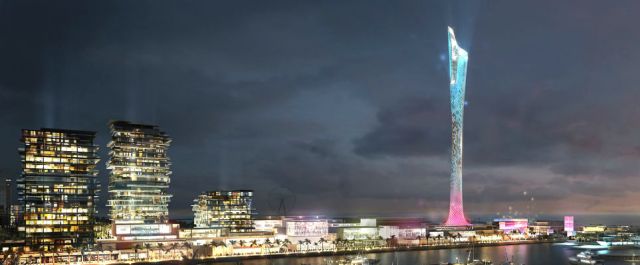
dubai-base-jump-towerFast becoming known as an extreme sports location, there are reports that the emirate will soon see a 325 mt base-jump tower. At its lower levels, the building will house an activity plaza, catering for family actions. The mid-levels will be for the more adventurous with external abseiling and climbing opportunities, along with climbing walls, free fall facilities, base jumping and assisted high diving. The top level will see the opportunity for climbers to experience replicating various ice climbs, including Everest.

After acquiring land, overlooking the Dubai Canal, only last month, Damac have acted quickly, by announcing a limited release of hotel rooms in its Aykon City project; initial room pricing is in the region of US$ 272k. The 4 million sq ft development will comprise six towers, including the 80-storey Aykon Hotel and Residences – with the top ten floors housing the 280-key hotel.

Wasl Properties has completed its 170k sq ft Karama wasl hub project comprising 312 apartments, 70 retail outlets and 32 eating establishments. Over the past 7 years, the developer has completed 12 projects, with 3.6k residential units, in Karama and Muhaisnah.

With 13 Dubai properties, covering 2.6k keys, hotel group Carlson Rezidor is due to open its first brand Radisson RED in Dubai Silicon Oasis. The 171-key hotel will open in Q2 2018.

It seems that property prices have begun to stabilise and are showing signs of a long-awaited recovery. The latest ValuStrat report indicates that prices in the 8 months to February 2016 hardly moved, with upward movements noted in the middle-end segment locations such as IMPZ, Motor City and The Greens. Compared to its base position of 100 in January 2014, the ValuStrat Price Index stood at 98 last month.

According to Core Savills’ latest Dubai Office Market report, the emirate’s office supply runs at 8.4 million sq mt, of which the prime areas – DIC, DIFC, DMC, Downtown and SZR – account for 28% of the total. The bulk of the portfolio – 51% – is in the secondary sector comprising Bur Dubai, Business Bay, Deira, DHC, JLT and Tecom. Supply growth in these two sectors was estimated at 5% last year, which will increase by 7% in 2016, with much of the activity found in Business Bay, as 318k sq mt of office space was added last year.

More than 27k visitors attended this week’s Taste of Dubai festival – a record number for the 3-day event.

In order to finance on-going infrastructure projects, Meydan Group has signed a US$ 477 million package with Commercial Bank International and Qatar National Bank. It is also reported that state-backed Meraas Holding LLC has arranged a 10-year US$ 381 million loan, which equates to about 50% of the total value of its Marsa Al Seef project on the Creek.

Limitless LLC’s attempt, at a second restructure of its US$ 1.2 billion debt, has reached an impasse. Needing all of its creditors to agree to the new terms, it seems that 98% have but Stonehill Capital, with US$ 15 million outstanding, has not. The company is expected to source funds from land sales – US$ 517 million has already been raised from selling half of its land bank in Saudi and the balance from receipts from similar sales in Jebel Ali.

Dubai Holding Commercial Operations Group has cancelled a US$ 354 million tender to repurchase part of a 2017 6% bond issue, as the pricing offered by security holders was higher than at what the company was prepared to settle.

Big Brands, the Dubai luxury goods retailer, is planning to invest US$ 27 million, to add a further 40 outlets in the country. Currently, the company has 10 shops employing 130 staff and, with the announced addition, will require a further 500 on its payroll.

Parking at 23k of the 130k total meters in Dubai has become more expensive, with hourly parking rates doubling to US$ 1.09 and 4-hour rates up 45% to US$ 4.36. Furthermore, the usage of meters will run for 14 hours (8am – 10pm), rather than the current 10 hours.

Dubai International Airport had its best ever month in January with passenger numbers topping 7.3 million – 6.3% higher than a year earlier. If this upward trend continues, the airport could reach 85 million passengers by year end. With aircraft movements up 3.7%, cargo traffic increased by 8.2% to 201k tonnes – and this despite the new Al Maktoum airport taking on more freight.

Following the NYE fire at The Address hotel, and more stringent building codes, Alubond USA has started manufacturing fire-resistant cladding. According to the Sharjah-based supplier, there are at least 1k buildings in the country, where the panels used are made of aluminium filled with highly flammable low-density polythene. Such structures are high risk, with the possibility of the rapid spreading of flames, as seen in the Downtown incident.

The lure of Dubai attracted 22k new SMEs last year – an 18.0% hike on 2014. The emirate has many advantages for such business units but one nagging problem is the banks. It seems to be very difficult in today’s tough environment for SMEs to obtain facilities and when they can, some financial institutions are charging rates upwards of 20% – a possible death knell for many start-ups, as well as a potential loss for Dubai’s economy.

Dubai Investments, 11.5% owned by the Investment Corp of Dubai, has announced a 12% cash dividend – the same as last year, although then it also issued a 6% bonus issue of shares.

As transportation costs continue to decline, down 6.6% year on year, it was no surprise to see Dubai’s February inflation rate drop again from January’s 1.91% to 1.43%. This time last year, the rate was over 4%.

Dubai-listed Amanat Holdings reported a US$ 14 million profit for its first 14 months of operation ending 31 December 2015.The healthcare and education company made two major investments during the year – US$ 53 million for a 35% shareholding in Saudi’s Sukoon International and US$ 68 million for a 4% stake in Al Noor Hospitals.

There were encouraging numbers from DP World with 2015 revenue and profit both up – by 16.4% to US$ 3.97 billion and 30.8% to US$ 883 million respectively. Consequently, the port operator increased its dividend payout by 12.8% to US$ 0.30.

The bourse continued its bullish run, opening Sunday at 3355 and rose 30 points to 3385 by Thursday (17 March 2016). Bellwether stocks, Emaar Properties and Arabtec, had mixed fortunes – the former up by US$ 0.05 to US$ 1.71, with the latter down US$ 0.03 to US$ 0.44. Trading volumes on Thursday were well down on last week at 410 million shares, valued at US$ 257 million, changing hands, (cf 795 million shares for US$ 141 million, the previous Thursday).

Brent crude again confounded the doomsayers by jumping a further 2.5% (US$ 2.98) to US$ 41.50, whilst gold was down US$ 8 to US$ 1,265, by Thursday (17 March) close.

After two failed attempts over the past decade, there has finally been a US$ 30.4 billion merger agreement between Europe’s two major stock exchanges – LSE and Deutsche Boerse. The new group arrangement, which will be 54% German owned, is to be finalised by the end of the year, with headquarters in both London and Frankfurt.

Vijay Mallya is presently living in London but has tweeted that he has not absconded his home country, despite creditors appealing to the Indian Supreme Court for over US$ 1.4 billion in unpaid accounts. The Indian MP – and also a stakeholder in F1 team Force India – sold a major share in his family’s drinks company, United Spirits, to Diageo last year and was due to receive a US$ 75 million pay-out, after being ousted from the company last month.

Following a plethora of legal actions in the US, 278 global investors have joined forces to bring a US$ 3.7 million suit against Volkswagen AG in Germany, for their failure to publish timely information about the emissions scandal.

Canadian pharmaceutical company, Valeant, saw its shares fall 51% this week, as it missed its revenue forecast and recorded a Q4 loss of US$ 337 million. Last month, it announced a delay in its annual report so as to consider internal accounting practices and confirmed that it would resubmit financial statements for the past two years. After several recent acquisitions, the company is carrying US$ 30 billion of debt on its balance sheet.

Having sold most of its North American business to asset management firm company Cerberus last year, the cosmetics company Avon is planning to move its head office from New York to London. This was part of the strategy to improve the 130-year old company’s sales that would also see its payroll number cut by 8.8% to 25.8k.

Far from being the fait accompli it seemed earlier in the year, Marriott International Inc’s offer – valued at US$ 65 per share – for Starwood Hotels & Resorts Worldwide Inc has apparently been gazumped. It seems that a Chinese consortium, including Anbang Insurance Group, is prepared to offer cash equating to US$ 76 per share; this values Starwood, which includes St Regis, W and Westin, at US$ 12.9 billion.

Anbang has also bought Strategic Hotels Resorts (which has 16 luxury resorts and hotels in the US) from Blackstone for a reported US$ 6.5 billion. The US private equity firm only acquired the hotel group in December 2015, for a reported US$ 3.9 billion (or about US$ 6 billion including debt).

Hackers, suspected to be Chinese, have had a field day in Bangladesh, resulting in the central bank’s governor resigning this week. They have managed to steal US$ 101 million, 80% of which found its way to four private accounts at a branch of the Rizal Commercial Banking Corp in Manila, with the balance transferred to Sri Lanka.

An official audit has found that the Nigerian National Petroleum Corporation has defrauded the government of US$ 16 billion in a suspected fraud.

There were two interesting regional stories this week. To reduce its budget deficit, slated to be US$ 40.7 billion (50% higher than the previous year), the Kuwait government has brought in a 10% corporate tax on profits; its introduction date is unknown. The cabinet is also considering cutting subsidies on food, fuel and utilities, as well as privatising some government assets, in a bid to increase its revenue stream.

Meanwhile, the Saudi government has reportedly ordered all ministries to cut their contracts’ spending by 5%, with immediate effect. This move will not be well received in most sectors that are being hit by weakening cash flows and rising costs – and it will lead to an inevitable fall in the Kingdom’s economic growth.

The Bank of Japan has refrained from introducing any further economic stimulus, as it waits for any signs of improvement from its January introduction of negative interest rates. This inactivity may point to the fact that the bank has already fired its “big bazooka” – with its massive QE strategy – and this has failed to stimulate the flagging economy.

On Monday, Egyptian authorities surprised the market with a 13.5% devaluation which saw the pound fall from 8.95 to 7.83 to the US$. In the short run, this will help both exports and tourism but the country’s prime problem is the lack of foreign reserves, which have halved over the past five years to US$ 16 billion. This is despite the fact that GCC countries have pumped in more than US$ 20 billion over that period.

As expected, the Fed kept rates on hold and, as a result, the S&P 500 has jumped nearly 12%, since hitting a new low on 11 February. Chairman Janet Yellen did indicate that there could be just two rate hikes this year, mindful of the drag factor emanating from sluggish global growth and its negative impact on the US economy. (A day later, the BoE also confirmed that rates would hold steady).

This week’s UK budget had one major surprise – a tax on sugary drinks that will raise US$ 750 million ostensibly to fight child obesity. Other key points in George Osborne’s last budget before the Brexit referendum, saw cuts in CGT, excluding residential property, an increase in personal allowance and raising of higher rate threshold and a US$ 1 billion upgrade for flood defences. Strangely, two education–related issues were included – compulsory maths lessons up to the age of 18 and all schools to become academies.

Not known for its success rate, the UK’s Serious Fraud Squad has closed the books on its forex investigation into banks’ manipulation due to “insufficient evidence”. Last May, five international banks, including Barclays and RBS, were fined US$ 5.3 billion by US authorities for rigging forex rates, having settled with UK and US regulators for more than US$ 3.2 billion in November 2014. (As a matter of interest, a Sky News report indicates that the government, which injected US$ 65.8 billion into the troubled RBS in 2008, may only recoup US$ 34.1 billion were it to dispose of its 73% stake).

Another example of the cosy relationship between government and big business reared its ugly head again – this time involving Lord Maude and Lord Deighton. After stepping down from his role as Trade Minister this week, the former will set up a consultancy to help foreign governments, with cutting their procurement budgets. The latter, another treasury minister, has just been reportedly appointed chairman of Heathrow – at a time when the government is deciding whether to approve a third runway. A new twist on We Are Family!

Posted in Finance | Tagged , , , , , , , , , , , | Leave a comment

This Time Around

budapest_cityYet again there is talk of returning the QE2 to its former glory – this time as the focal point of the new Port Rashid Marina. As part of Dubai’s 2021 plan, DP World will develop the location specifically for luxury yachts. Phase 1, to be completed by 2018, will accommodate 400 smaller yachts up to 55 metres, whilst the second phase will have berths for 100 bigger vessels. The area will also include mixed-use residential and retail space.

The recent downward trend in the hospitality sector continues into January as average room rates, in 4/5 star properties, posted an annual 9.3% decline to US$ 313, according to the latest HotStats survey. Consequently, other key indicators headed south – including revenue per available room, 9.7%, total revenue per available room, 7.3%, and profit per room by 13.5%. The burgeoning mid-scale sector added a further 1k keys last year and is attracting more budget-conscious travellers away from the luxury side.

It seems that developers are taking little notice of predictions from the likes of CBRE and Cluttons. The former estimated that prices dropped by 15% last year and forecast a 10% fall this year, whilst the latter indicated that the 3%-5% fall last year would be replicated in 2016. Despite this mixed and negative news, Emaar, with a US$ 6.6 billion project backlog, is not about to change its plans, with Damac not slowing its construction strategy either – citing it has to meet demand. There is no doubt that the property market has bottomed out and the only question is when, in 2016, will it head north again?

Troubled construction company Arabtec has been awarded a US$ 300 million contract for twin 50-storey towers in Dubai. Work on the 228k sq mt site will start immediately and will be completed by Q4 2018.

Advet Bhambani Ventures is to start building the region’s first 5-star luxury hospital this year. The Nucleus Hospital, next to Dubai International Airport, will be a 150-suite facility which will include top of the range dining and concierge services. The company also has plans for a privately-funded critical care hospital and a paediatrics hospital. The three projects are expected to cost US$ 600 million.

In a bid to help struggling SMEs, the UAE Banks Federation has suggested the introduction of loan restructuring and suspension of payments in certain cases. Many companies are experiencing problems because of a struggling economy, low oil prices and high interest rates – in some cases at over 20%. Some entities have already defaulted on payment, with the owners leaving the country, owing banks an estimated US$ 1.4 billion.

After a 4-month slowdown, the headline Emirates NBD UAE PMI nudged higher in February to 53.1 (from January’s reading of 52.7), with expansions noted in output, new orders and employment. Although any mark of 50 indicates growth, it is noted this is some way off the 58.1 of February 2015.

With marked declines in the tourism and travel sectors – and only slight deterioration in the construction and retail areas – it was no surprise that the February Emirates NBD Dubai Economy Tracker Index fell from 50.7 to 48.9, month on month. Overall business activity in the private sector witnessed its first fall in over six years – but Dubai is still more likely to rebound quicker than most.

Standard & Poor’s is reviewing for a downgrade the credit ratings of some major oil-producing countries, including the UAE. This move is a belated attempt to reflect the impact that low oil prices have had on a country’s creditworthiness – any downgrade will result in higher borrowing costs.

By the end of Q2, work will start on the 14.5km extension to the Metro’s Red Line, 4km of which will be underground; the so-called Route 2020 will connect with the Expo site near Al Maktoum International Airport and its seven stops will include Discovery Gardens, Dubai Investment Park and Jumeirah Golf Estates. Work will start in 2017 on the 20.6km extension to the Green Line, connecting Al Jaddaf with Dubai Academic City. The RTA has also announced that Dubai Tram will see a 5km expansion, taking in Madinat Jumeirah, Burj Al Arab and Mall of the Emirates.

Adeptio, the Dubai-based investor group, headed by Mohammed Alabbar, has valued Kuwait Food Co at around US$ 4 billion. The company is looking to buy out the private company, known as Americana, and, at this price, it would be paying a 36% premium, based on the most recent stock price.

Following a September 2015 agreement with Harrison Street, to invest US$ 275 million in Dublin student accommodation, Dubai-based Global Student Accommodation will invest US 55 million in a second facility. The seven-storey building will house 500 students and should be ready by September 2017.The JV already has permission for a US$ 51.8 million student building in the south of the city.

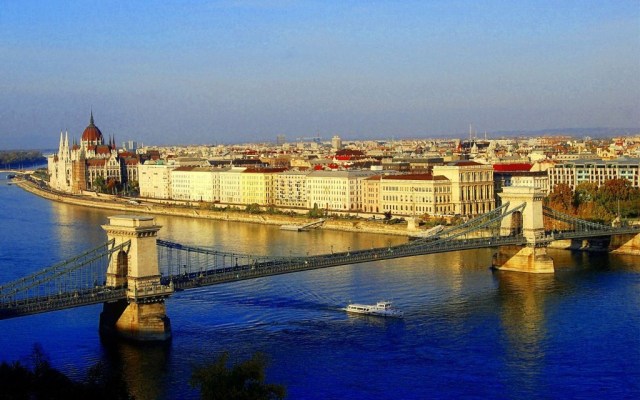
There are reports that the UAE’s General Civil Aviation Authority is planning to apply for fifth-freedom rights that would see Budapest being used as a gateway for onward flights to the Americas. If successful, carriers – such as Emirates – could use the Hungarian capital as a staging point and this could be a precursor for similar arrangements in countries such as Portugal and Greece. For the past three years, the Dubai airline has extended its Milan flight to New York and there could soon be such flights from Switzerland to Mexico. If this gains any traction, expect some hostility from the European legacy airlines.

Etisalat, whose largest shareholder is the federal government, has a new chief executive. The current incumbent, Ahmad Julfar, resigned with immediate effect and will be replaced by former Vodafone Egypt chairman Hatem Dowidar, on an acting basis, ahead of the telecom’s June restructuring.

Having jumped 4.0% the previous week, the bourse opened Sunday at 3250 and was up again by 3.2% to 3355 by Thursday (10 March 2016). Bellwether stocks, Emaar Properties and Arabtec, rose – the former up by US$ 0.08 to US$ 1.66 and the latter by US$ 0.03 to US$ 0.47. Trading volumes on Thursday were slightly higher on last week at 795 million shares, valued at US$ 281 million, changing hands, (cf 671 million shares for US$ 263 million, the previous Thursday).

Brent crude again confounded the doomsayers by jumping a further 8.0% (US$ 2.98) to US$ 40.05, whilst gold was up US$ 15 to US$ 1,273, by Thursday (10 March) close. On 20 January, crude prices had fallen to US$ 27.10 – their lowest level in 12 years. If the UAE pumps 2.9 million barrels a day, a rough calculation shows it is earning an extra US$ 37.55 million every day, equating to an annual US$ 13.7 billion, because of this price turnaround.

Despite having slumped to its biggest ever loss last year of US$ 6.5 billion, and announcing thousands more job cuts, the BP chief executive, Bob Dudley, saw his total remuneration package jump 20% to a staggering US$ 19.6 million! It’s a Crazy Mixed Up World.

For some years, Facebook has avoided paying UK tax by routing major sales through Ireland, where the tax rate is much lower. In a turnaround, it has decided that most of its advertising revenue, initiated in the country, will now be now taxed there at the current 20% rate. Whether other major multinationals, such as Amazon, Google and Starbucks, follow suit remains to be seen.

BMW has reported a 10.0% hike in annual profits to US$ 6.7 billion on the back of a 14.6% surge in revenue to US$ 102.7 billion. The 100-year old company saw its vehicle sales rise by 6.1% to 2.24 million.

Another German company did not fare as well, with energy firm, E.On announcing a second consecutive loss of US$ 7.8 billion (2014 US$ 3.5 billion), after a write down of assets totalling US$ 9.8 billion. With wholesale electricity prices at their lowest in 14 years, the other three German energy companies have also had to write down the value of their power plants.

As part of its probe into corruption and money laundering at state oil company, Petrobras, Brazilian authorities have questioned former President Luiz Inacio Lula da Silva. He is just one of many leading politicians and executives who are under investigation, who allegedly used the money obtained by overcharging contracts to pay for bribes and electoral campaigns.

Although wage levels dropped by 0.1%, February saw 242k new jobs created in the US – well above market expectations of 195k. Unemployment levels remained at 4.9%, an 8-year low. However the trade deficit (US$ 45.7 billion) headed south again, as exports fell 2.1% to US$ 176.5 billion, with imports down 1.3% to US$ 222.1 billion – its lowest level in four years. The main drivers were the strong greenback and the global slowdown.

The ECB has been found to be treading water as its previous attempts to boost the eurozone have failed whilst it sinks to an inevitable downward path to deflation; the bank has amended its forecast from 1.0% to 0.1% inflation this year. In a last desperate attempt to turn the bloc’s fortunes around, the 1-year-old QE programme has been lifted by a third to US$ 89 billion a month, whilst the bank deposit rate has been cut by 10 points to negative 0.4% and the main rate down from 0.5% to zero. Previous measures by Mario Draghi to boost inflation and get the economy moving have failed – and this seems to be heading in the same direction.

At its annual meeting of parliament, Chinese authorities have indicated that 2016 growth will be at or above 6.5%, with more emphasis on the services sector. Last year’s figure of 6.9% was the weakest since 1990 which was driven by sluggish domestic demand, stalling investment and manufacturing overcapacity. Its latest 5-year plan will see the government attempt to improve the management and operation of both its interest rate and exchange rate markets and to introduce more regulation and private investment in the banking sector. Meanwhile, February trade figures reflect the problems facing China, as year on year exports sank 25.4% to US$ 126 billion and imports were down by 13.8%.

The FIFA scandals continue with Franz Beckenbauer being implicated in multi-million dollar payments to ensure the World Cup for Germany in 2006. The investigation centres on a US$ 10 million payment made in 2002 to a company owned by to the Qatari FIFA member, Mohamed Bin Hammam, which was then forwarded to former Adidas leader, Robert Louis-Dreyfus. It is alleged that this was to repay a loan used to buy votes in the 2000 election for the 2006 World Cup. Although the former German international refutes the claims, both FIFA and the German FA disagree with him.

Gianni Infantino has become the 9th FIFA president and follows in the steps of Joao Havelange and Sepp Batter who, between them, reigned over the corrupt, secretive and nepotistic football empire for 41 years. It is reported that 41 individuals and entities are facing corruption-related offences in the US. Maybe things will be different This Time Around.

Posted in Finance | Tagged , , , , , , , , , , , , | Leave a comment

The Wrong Direction!

dubai-wholesale-cityOn Tuesday, HH Sheikh Mohammed bin Rashid Al Maktoum launched the ambitious Dubai Wholesale City, located close to the new Al Maktoum International Airport. The emirate’s ruler wants to tap into the burgeoning global wholesale trade sector, said to be worth US$ 4.3 trillion. The Dubai Holding project, covering 550 million sq ft and costing up to US$ 8.2 billion, will become the largest such hub in the world.

The first phase of Dubai Properties Group’s new affordable Serena property project, Bella Casa, was sold out within hours on Saturday. The total project, encompassing 8.2 million sq ft, will be built in five phases.

Mawarid Finance and AccorHotels have signed a management agreement that will see a 200-key Ibis Styles Al Jaddaf hotel opening in 2018. The hospitality giant already operates two other properties under this brand – in Jumeirah and Dragon Mart.

Last year, many banks reported larger provisions and impairment costs pertaining to bad debts and, indeed in October 2014, Standard Chartered unilaterally closed many local SME accounts. Now as the effect of low oil prices become more apparent, many banks have started to cut off credit lines. As SMEs account for over 60% of the country’s GDP (and only 3.8% of banks’ loans), this will have a negative impact on the local economy – if finance becomes unavailable or too expensive with some banks charging 20% + interest. With estimates of losses of US$ 1.4 billion last year from people leaving the country, the banks have a fine balancing act but they cannot just stop lending to SMEs.

A significant move in the telecoms sectors will see Etisalat and du sharing costs of installing landlines in all new developments, starting with Dubai Sustainable City. It will be a win win situation for both stakeholders – consumers will then have the option to choose either of the services and Etisalat and du will see their capital costs slashed by up to 50%. (Du posted a 10.1% fall in Q4 profits, as its royalty fee jumped 30.1%, with its annual payments rising 20.6% to US$ 523 million).

With the ME e-commerce market forecast to reach US$ 20 billion, lead player, Souq.com, is confident of increasing its revenue by up to 90%. This week, the company obtained US$ 272 million financing, from a range of international investors, to expand its operations – this was the biggest e-commerce fundraising ever in the ME.

This month saw fuel prices at their lowest level since subsidies were cut last July. Special 95 will sell for US$ 0.37 per litre – down 7.4% from February.

A new survey by Alliance Business Centres Network ranks Dubai as the leading expansion target on a global scale, with 21% of companies placing it ahead of the likes of Singapore, Hong Kong, New York and London. Major factors that put Dubai in the top spot were the ease of establishing companies and doing business.

Six people have been arrested by Dubai police in connection with a huge US$ 270 million international airline ticket fraud that has been ongoing for the past two years. The ruse involved the use of fake or stolen credit cards and then on-selling to duped customers at discounted prices; to date nearly 400 arrests have been made.

The bourse opened Sunday at 3124 and surged 4.0% to 3250 by Thursday (03 March 2016). Bellwether stocks, Emaar Properties and Arabtec, both rose with the former up by US$ 0.05 to US$ 1.58 and the latter, a spectacular 41.9% higher by US$ 0.13 to US$ 0.44. Trading volumes on Thursday improved on last week at 671 million shares, valued at US$ 263 million, changing hands, (cf 671 million shares for US$ 263 million, the previous Thursday).

Brent crude again confounded the doomsayers by jumping 4.5% (US$ 1.59) to US$ 37.07, whilst gold was up US$ 24 to US$ 1,258, by Thursday (03 March) close. On 20 January, crude prices had fallen to US$ 27.10 – their lowest level in 12 years. A senior International Energy Agency analyst considers that oil prices have bottomed out with further increases expected over the next 12 months before returning to normality, as US producers exit the market.

According to a recent HSBC study, it is claimed, that over the next two years, US$ 94 billion in bonds and syndicated loans must be repaid or refinanced in the GCC. The payees are a mix of sovereign, financial and corporate borrowers, with UAE heading the list followed by Qatar and Bahrain. This will be made worse if oil prices do not rebound and then there would be inevitable fiscal and current account deficits with the shortfalls having to be made good out of SWFs.

Barclays has announced that by 2019, the bank will be restructured with two core divisions – Barclays UK and Barclays Corporate and International. Its underlying 2015 profits were down 2.0% to US$ 7.7 billion which includes a further US$ 3.9 billion for PPI mis-selling, bringing this total to US$ 10.6 billion to date.

John Longworth, head of the British Chambers of Commerce, has been suspended after having suggested that the UK would be better off outside the EU. His voice is one of many that indicate opposition to Brexit may be softening, as the crucial 23 June referendum approaches. The official government approach is that the country would be better served if it were to remain in a reformed EU and it has published a report of the options available if it left the bloc – this has been dismissed by the leave campaigners as a “dodgy dossier”.

There was some good news emanating from the eurozone as unemployment rates fell to 10.3% (16.65 million) – its lowest since August 2011. Although Germany had the lowest rate, at 4.3%, Greece (24.6%) and Spain (20.5%) still have problems. However, there was more sober reading – manufacturing activity expanded at its slowest rate in a year, whilst Markit’s manufacturing PMI fell from 52.3 to 51.2. The eurozone fell back into deflation in February – a sure sign that the ECB will introduce more QE measures, probably starting next week. There is also the possibility of further bank deposit rate cuts which are already in negative territory.

Despite the country reeling from low commodity prices, Australia’s economy still grew by 3%, compared to a year earlier, and by 0.6% quarter on quarter. Accordingly, interest rates seem set at 2.0% for the foreseeable future, although the low inflation rate, currently at 1.7%, needs close monitoring; moreso, if it does not reach the 2.9% expected by the end of the year. For the time being, it remains the “Lucky Country”.

The world’s 7th largest economy, Brazil, has hit the ropes and is now in a period of stagflation – the perfect economic storm when recession (3.8% contraction last year) meets high inflation, now topping 11% – and this, despite the Selic rate being at a high 14.25%. Although sluggish global growth and low commodity prices explain some of the difficulties, the economy has suffered more from internal factors – political paralysis and rampant high-level corruption and its budget deficit is now 10.8% of GDP.

The Russian economy is in a financial quagmire as it contracted by 3.7% last year (and is unlikely to improve in 2016) whilst the rouble has more than halved in value over the past two years, since its annexation of Ukraine’s Crimean Peninsula; it now stands at 72 to the US$. Low oil prices and international sanctions continue to dog any progress and it is thought that if budget cuts are not implemented soon, the currency could collapse as it did in 1998.

With the country forecasting 7.6% growth this year, many eyes were on the Indian finance minister Jaitley as he brought down his 2016 budget. He gave a much needed boost to infrastructure, with a US$ 32 billion spend mainly on roads and railways, and introduced specific reforms to help SMEs, as well as giving them favourable tax treatment. He also will have to find US$ 8.3 billion by selling public assets which may be a welcome precursor to start a privatisation programme in earnest. Overall hopes were dashed that the third budget would introduce major economic reforms.

A bellwether indicator shows how economic conditions in China have deteriorated with manufacturing PMI falling to 49 – its lowest level in 7 years. Other indices also fell – a sure sign that stimulus measures have yet to gain traction which may need the introduction of further action to boost the flagging economy. As the country’s economy continues to lose steam and vacillation on reforms continues, Moody’s has cut its outlook from “stable” to “negative” but retains its Aa3 rating.

South Africa joined BRIC in 2010 but was always the poor relative as the other four economies were always growing at a much faster rate, with the new member only posting 2.0%, 1.0% and 0.5% over the first three years. Last year, the economy deteriorated even further, as growth was down to 0.5%, the rand trading down at around 15 to the US$ and government bonds expected to be soon rated junk status. And then there is the president Jacob Zuma, who never went to school and has only ever worked for the ruling African National Congress. However, he has still managed to amass a personal fortune of at least US$ 30 million – small change compared to certain other African leaders.

Only five years ago the BRICS were a powerful economic force and looked as if they would become a dominant global player. This has all changed with only India and China heading north whilst the other three have taken The Wrong Direction.

Posted in Finance | Tagged , , , , , , , , , , , | 1 Comment

Leave Us Alone!

LA-dodgersAlthough most of the sector’s players have predicted a dismal 2016 for Dubai’s real estate market, official figures paint a brighter picture. The Dubai Land Department reported that, by 22 February, YTD transactions have totalled US$ 18.7 billion, with a 2016 annual forecast reaching US$ 81.6 billion – this would be 14.0% and 37.6% higher than the past two years’ returns.

Dubai Holding’s property unit, Dubai Properties Group, is expecting to finish work on stage 1 of its affordable housing Serena project within two years. The first of five phases will include 2-3 bedroom townhouses and 3-bedroom semi-detached villas. The project will be located on Emirates Road and will also include 100k sq ft of retail space, a clinic and swimming pools.

At the other end of the property spectrum, Damac has announced that it will build car lifts in its 4 million sq ft Aykon City. The development, next to Dubai Canal, will comprise two 30-storey luxury residential units, an 80-floor hotel, a 63-floor office building and an office tower with 65 levels.

Yet another shopping centre in Dubai – this week saw the opening of the US$ 109 million The Mall in Jumeirah, adjacent to the Burj Al Arab. Encompassing 81k sq ft of area, the centre will have 66 outlets, which have all been let, and basement parking for 200 vehicles.

According to Cluttons Dubai Office Market Bulletin, office rents have remained stable, as high demand persists to offset new supply. The report highlighted the fact that of the 22 submarkets analysed, 13 had remained unchanged, 2 had recorded decreases and 7 had registered notable increases during 2015.

The RTA has extended its deadline to the end of the month for developers to register interest in building five mixed-use towers above the Union Square metro station in Deira. In a bid to garner more interest from the private sector, there will be offers of a minimum revenue guarantee to participating companies.

Dubai World has signed two major contracts – with Dutco Balfour Beatty and BAM International Abu Dhabi LLC – to carry out work on its new Container Terminal 4 on reclaimed land in Jebel Ali Port. Phase 1 will be completed by 2018 and, by adding 3.1 million TEUs (20’ equivalent units), the port’s capacity will increase by 16.3% to 22.1 million TEUs, with a further 4.7 million TEUs on completion of phase 2 in 2020. Also this week, the port operator was selected as preferred bidder for operations at the Cypriot port of Limassol.

With 70 hypermarkets and 90 supermarkets in 14 regional countries, Majid Al Futtaim is planning its first of two Kazakhstan Carrefour hypermarkets – the first in Almaty to be followed by one in Astana. Last month, MAF announced a US$ 1 billion expansion plan for two malls in Riyadh.

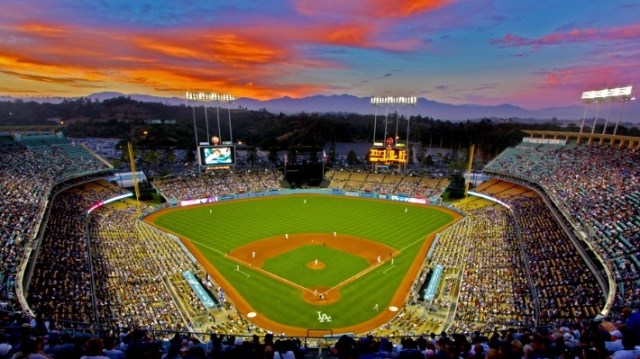
Emirates has augmented its global position as the largest single player in sports sponsorship. Its latest deal, with the Los Angeles Dodgers, includes signage, a 70 client hospitality section and becoming the outfit’s official carrier. This is the airline’s first foray into baseball but it already has a growing US sporting presence, with sponsorship arrangements including New York Cosmos, US tennis Open and the US rugby team.

Having spent US$ 1.7 billion last year to acquire Dragon Oil, Enoc is again gearing up its expansion plans. The 23-year old state-owned company is to build a further 54 petrol stations in Dubai and increase its condensate capacity at its Jebel Ali refinery

It was no surprise to see that the Mercer’s 2016 Quality of Living Survey again rated Dubai as the leading ME city for expatriate living. However, its 75th position ranking, out of 230 cities surveyed, will baffle some observers. (Vienna, Zurich and Auckland claimed the top three spots, with Baghdad and Damascus at the other end of the scale).

Strangely, since fuel subsidies were removed last July, pump prices have actually decreased. Despite this anomaly, ratings agency Moody’s estimate savings from this are equivalent to only 0.5% of GDP, compared to the estimated 12.4% of GDP deficit from the lower oil prices.

The weakening market conditions, allied with low oil prices, have begun to impact on the local economy. Etisalat has curtailed plans to raise a 3-year, US$ 2 billion loan. Meanwhile the country’s central bank reported that its foreign assets dropped by 13.0% in January to US$ 80.9 billion, whilst overseas bank deposits decreased 30.0% to US$ 33.3 billion. Not surprisingly, the capital’s SWF, the second largest in the world, could lose 5.4% of its value in 2016 to US$ 475 billion.

Empower – owned by DEWA and TECOM Investments – has also stalled plans to go public, in the wake of adverse market conditions. The Dubai A/C provider reported impressive 2015 results with profit up 26.0% to US$ 141 million, whilst revenue was 12.0% higher at US$ 463 million. It still requires a further US$ 327 million for on-going expansion plans, of which 20% will be internally generated.

Once the darling of the local market, Arabtec has again returned disappointing results. Last year, it posted an annual loss – US$ 627 million – compared to a US$ 59 million profit in 2014. The Q4 loss of US$ 98 million fell short of analysts’ expectations and was a lot worse than the US$ 26 million deficit a year earlier.

The bourse opened Sunday at 3093 and nudged up 1.1% to 3124 by Thursday (25 February 2016). Bellwether stocks, Emaar Properties and Arabtec, were mixed – with the former lower by US$ 0.02 to US$ 1.53 and the latter up US$ 0.02 to US$ 0.31. Trading volumes on Thursday were well down on last week at 358 million shares, valued at US$ 105 million, changing hands, (cf 584 million shares for US$ 170 million, the previous Thursday).

Brent crude, having surged 14.0% the previous week, continued its upward trend jumping 3.5% (US$ 1.20) to US$ 35.48, whilst gold rose by US$ 8 to US$ 1,234, by Thursday (25 February) close.

Although it seemed a done deal last month, with a US$ 2.27 per share offer, J Sainsbury’s attempt to purchase Home Retail Group has been topped by Steinhoff International’s offer of US$ 2.47. The UK supermarket, 25.1% owned by the Qatar Investment Authority, was hoping that this sale would help in its on-line business and expand into new areas such as consumer goods.

On Tuesday, Standard Chartered announced abysmal results with an annual loss of US$ 2.36 billion, compared to a 2014 profit of US$ 2.51 billion. The bank, with 90% of its business in emerging markets, recorded an 87% hike in loan impairment losses to US$ 4.0 billion. It has not been helped by having to close most of its SME accounts in the UAE, regulatory infractions and senior management changes. To some outsiders it seems that the bank has lost its way and treated many customers with corporate disdain.

In contrast, HSBC came in with a 1.2% lower 2015 profit at US$ 13.5 billion but this included a US$ 1.3 billion Q4 loss – maybe a portent of the bumpy economic road ahead? The usual suspects – lower commodity prices and a slowing Chinese and global economy – were the drag factors for the weak results. Over the next two years, the bank hopes to slash its overheads by US$ 5 billion.The bank confirmed that it faces tax probes from several countries, including Indian authorities who are investigating citizens’ accounts in Switzerland and Dubai.

Over the past two years, Qantas has managed to surprise the aviation world as it transformed itself from an industry basket case to recording a record H2 profit of US$ 663 million – well up on the previous half year figure of US$ 264 million. Although lower fuel prices and the weaker AUD were prime factors for this turnaround, it must be noted that its arrangement with Emirates has seen the number of annual Australian passenger traffic to Europe surge fourfold to over 1.5 million.

The dire condition of the global dairy industry has badly hit Australian milk producers. Murray Goulburn – which buys 37% (3.6 billion litres) of the country’s total milk production – has seen annual profits sink by 34%. Consequently, there will be no relief for the “cockies”, as the price of milk solids will be at US$ 4.12 per kg – equivalent to US$ 0.31 per litre. For many, these prices are at best marginal and for many loss-making.

Following January’s HNA’s proposed US$ 6 billion acquisition of US-based Ingram Micro and Haeir’s US$ 4.5 billion agreement to buy GE’s appliance business, another Chinese-state enterprise is looking for overseas trophy assets. ChemChina is set to spend US$ 43 billion to buy Swiss pesticide and seed company Syngenta which gives the company a share value of US$ 465.

Meanwhile Taiwan’s Foxconn has agreed to pay US$ 4.4 billion for Sharp. Latest figures show that the Japanese electronics maker recorded a US$ 978 million 9-month loss to December 2015.

Although Japan is showing signs of moderate recovery there are still concerns about the impact of a slowing global economy, resulting in flat output and worrying export figures. A US$ 27 billion stimulus package will be introduced this month but whether this has any long-term impact remains to be seen. Sluggish consumer demand and low oil prices mean that Japan’s inflation rate remains stubbornly low.

It seems that a recent EU tax ruling may result in some companies leaving Belgium. One of that country’s tax schemes has been declared illegal, resulting in several multinationals having to repay hundreds of million US$. The 10-year old excess profit scheme allowed certain corporations to reduce their tax base by between 50% – 90%.

The IMF has estimated that last year, the lower oil prices cost the MENA oil producers as much as US$ 340 billion in revenues, equivalent to 20% of their combined GDP. Its Managing Director, Christine Lagarde, seems keen to introduce a tax regime to help increase government revenues in these troubled times. For example, she reckons a single digit VAT could net the equivalent increase of 2% in GDP and seems keen to see the introduction of taxes on corporate and personal income as well as on property. Low oil prices will not last forever and the country has done much better without tax (and external meddling) in the past – let the IMF worry about real economic problems elsewhere and Leave Us Alone!

Posted in Finance | Tagged , , , , , , , , , , , | Leave a comment

Money’s Too Tight To Mention

dubai-creekThe RTA expects to make a surplus this year, from a 14.5% hike in revenue to US$ 2.04 billion, less total budgeted expenditure of US$ 1.92 billion. The authority has also reconfirmed that the much-vaunted Dubai Canal project will be completed by year-end.

Damac became the first big developer to purchase land at the site, acquiring 4 million sq ft for US$ 343 million. With more deals forthcoming, it proves that the government’s decision, to spend US$ 463 million to extend the waterway by 3 km to connect Business Bay with the sea, has been justified.

The latest property report – this time courtesy of KPMG – paints a glum picture on the 2016 state of Dubai realty. The sector will continue to suffer because of the many expounded reasons – a strong greenback, the slump in oil revenues, geopolitical regional turmoil and the slowing global economy. The Big 4 accounting firm sees a brighter future from 2017, as the hype around Expo 2020 starts to kick in. As indicated in previous blogs, many other firms see further declines this year but seem to be using unreliable and/or incorrect data to reach these conclusions.

The first Rove brand hotel, an Emaar concept, is currently being built, near to the Dubai Parks and Resorts in Jebel Ali. The 458-key property is part of the developer’s strategy, in association with Meraas Holding, to have 10 hotels operating by the time of Expo 2020.

An Alpen Capital report estimates that the UAE healthcare sector will grow by 12.7% per annum and will be worth US$ 19.5 billion by 2020. The country accounts for 26% of the total GCC spend of US$ 40.3 billion, with a per capita of US$ 1.6k.

Following the recent visit of HH Sheikh Mohammed Bin Zayed Al Nahyan, DP World announced a US$ 1 billion investment plan in India. The ports operator has six port concessions in the country, where it has already spent US$ 1.2 billion. Last month, the company signed a Russian US$ 2 billion deal to develop ports in that country.

Cargo traffic at Dubai World Central – ranked 18th for international freight volumes – showed a 7.7% rise, to 889k tonnes, in 2015, despite a Q4 blip which registered a 10.0% decline to 229k tonnes. Not surprisingly, passenger numbers dropped over the year by 45.2% to 463k; this is mainly because of Dubai International’s runway maintenance work in July of that year which saw increased use being made of the second airport. Q4 passenger numbers were up 62.1% to 180k as a result of a partial shift of flydubai flights.

The Al Habtoor Group has purchased the Hotel Imperial in Vienna for US$ 79 million, bringing its international property portfolio to seven – the same number of hotels it has in Dubai. The seller, Starwood, will continue to manage the establishment that will see a complete renovation over the next four years.

It is reported that government-owned Nakheel is in initial bank negotiations for a US$ 1.4 billion 10-year loan to be used for future construction projects. The developer has a US$ 1.2 billion sukuk, maturing this August, and has sufficient funds to meet its obligation.

The government has resubmitted a bid for the newly named “Khor Dubai” (formerly Dubai Creek) to be recognised as a UNESCO World Heritage Site. The new name – translated to “The Traders’ Harbour” – highlights the waterway’s history in making Dubai an international trading hub.

Dubai International Financial Centre’s 2015 company registrations rose by 27.7% to 309, as the total work force was up 11.0% to 19.8k. The number of active registered firms is at 1.44k – an annual increase of 27.7%.

Emirates REIT returned an impressive 26.0% rise in 2015 profits to US$ 61 million, as its net assets grew 8.7% to US$ 470 million. The NASDAQ-listed Sharia compliant real estate investment trust also reported a hike in its investment properties to US$ 673 million.

Mainly because of a 4.1% year on year fall in transport costs, Dubai’s January inflation rate dipped to 1.9%, from 3.1% a month earlier. However, increases in education costs may see this sort of reversal short-lived.

It is the time of the year when school fee hikes are posted for the next academic year. The increases are based on the Education Cost Index (set by the Dubai Statistics Centre at 3.21%) and a school’s individual rating. This time, the KHDA (Knowledge and Human Development Authority) confirmed rises of 3.21% – for ‘acceptable’, ‘weak’ and ‘very weak’ schools – and 4.81%, 5.61% and 6.42% for ‘good’, ‘very good’ and ‘excellent’ schools respectively.

With the reporting season in full swing, both telecoms reported mixed results. Etisalat posted a 2.7% rise in Q4 profits to US$ 632 million, as its annual profit fell by 3.8% to US$ 2.25 billion. On the other hand, Du announced a 10.1% fall in Q4 profits to US$ 126 million, whilst its 2015 profit dropped 8.1% to US$ 529 million, as revenue was flat at US$ 3.36 billion.

Despite a 58.0% hike in revenue to US$ 10.9 million, Shuaa Capital saw a Q4 US$ 44 million loss, compared to a US$ 4 million deficit over the same period in 2014. Over the year, the finance company recorded a 21.0% hike in revenue to US$ 44 million but had a net loss of US$ 52 million, largely due to a US$ 42 million bad debt provision taken by Gulf Capital.

Troubled Gulf Navigation surprised the market with a doubling of 2015 profit to US$ 5.5 million, as revenues rose 12.0% to US$ 39 million. The improvement came about mainly due to increased revenues from its shipping services division and rising tanker rates. However the shipping company still carries US$ 168 million of current liabilities on its balance sheet.

Following a US$ 23 million loss in 2014, Amlak Finance, 45% owned by Emaar Properties, posted a US$ 38 million profit. This follows a restructuring in late 2014 which saw the company return to the DFM, after an absence of 6 years, when it suffered from the GFC and the sinking of Dubai property prices.

The Dubai-based retailer, Marka, reported a more than doubling of its losses in 2015 to US$ 9.4 million, of which US$ 4.1 million was attributable to an acquisition. Its revenue for the year reached US$ 62 million, whilst its assets were valued at US$ 289 million.

With 2015 revenue up 15.0%, the Dubai Holding Commercial Operations Group posted a 25.0% hike in net profit to US$ 1.59 billion. This Dubai Holding unit has Dubai Properties (which leases 15k residential units), Jumeirah and TECOM in its portfolio. The latter has seen the number of companies, operating in its business parks, increase by 11.0% last year to 5.1k, employing over 76k.

Drake & Scull announced a Q4 profit of US$ 4 million, with revenue jumping 27.2% to US$ 381 million. However, the annual 2015 loss came in at US$ 255 million (after a US$ 27 million profit the previous year), mainly because of substantial impairment costs in Q3.

Emirates REIT returned an impressive 26.0% rise in 2015 profits to US$ 61 million, as its net assets grew 8.7% to US$ 470 million. The NASDAQ-listed Sharia compliant real estate investment trust also reported a hike in its investment properties to US$ 673 million.

Brokers will be badly hit as the Securities and Commodities Authority’s moved to cut their commission from 0.15% to 0.125%. They are already reeling from Q4 data that sees trading volumes down 40% on the same period in 2014.

The bourse opened Sunday at 2981 and jumped 3.8% to 3093 by Thursday (18 February 2016). Bellwether stocks, Emaar Properties and Arabtec, were mixed – with the former up US$ 0.09 to US$ 1.55 and the latter dipping US$ 0.01 to US$ 0.29. Trading volumes on Thursday were well up on last week at 584 million shares, valued at US$ 170 million, changing hands, (cf 330 million shares for US$ 130 million, the previous Thursday).

This was a bad news and good news week; Brent crude regained all last week’s 12.5% losses and surged 14.0% to US$ 34.28. Conversely, the yellow metal lost a little of its lustre, dropping US$ 22 to US$ 1,226, by Thursday (18 February) close.

Four major oil exporters – KSA, Qatar, Russia and Venezuela – have agreed to cap production at January levels – only if other producers follow suit. Some hope! Meanwhile Bloomberg reports indicate that parts of the shale oil sector could be facing financial problems, with interest payments of U$ 9.8 billion due this year. It could be a precursor for a major banking crisis, if cash-strapped and highly geared fracking companies go under and asset sales come under pressure.

Anglo American, hit by tumbling commodity prices, has posted a US$ 5.5 billion annual loss – more than double the loss of 2014. Consequently, the mining giant is planning to divest itself of Kumba Iron Ore – the world’s 4th biggest iron ore operation – and some of its coalmines to claw back up to US$ 4 billion, to shore up its finances. Little wonder that Moody’s cut its credit rating to junk status.

Apple was one of several companies in the corporate bond market this week and is expected to raise US$ 12 billion, with the sale of 10 tranches of bonds.

Despite problems with their economy, Chinese firms are still splashing out big money for overseas acquisitions. The latest has HNA paying US$ 6.1 billion for Ingram Micro, a US distributor for Apple and Microsoft. On the flip side, US-based Uber estimates that it is losing US$ 1 billion a year in China, as it tries to make a profit in a fiercely competitive market.

India has not given up hope in collecting a US$ 2.1 billion tax bill from Vodaphone. The disagreement between the parties involves the telecom giant’s 2007 US$ 11 billion takeover of Hong Kong-based Hutchison Whampoa’s Indian division. It is claiming that as the transaction was conducted offshore, Indian tax was not applicable.

It is estimated that the UK’s Big 4 banks – Barclays, HSBC, Lloyds and RBS (73% owned by taxpayers) – will award 2015 bonuses totalling US$ 7.2 billion. HSBC fat cats will award themselves 50% of that total, followed by 24% for Barclays. The bonus payout is roughly the same as the four banks’ new provision for PPI mis-selling which seems to indicate that the banks’ executives continue with bad habits, without any pecuniary penalties.

After months of discussions, HSBC has decided to maintain its head office in London’s Canary Wharf. The previous government had introduced a banking levy, that badly hit the bank’s profits, prompting it to discuss moving to Hong Kong. But a change in government policy saw the levy changed to a surcharge which was a boon for the bank – but not so for banks with mainly British business.

Rolls Royce has cut its dividend for the first time in 23 years, as a result of dismal 2015 results, which has seen its share value dive by almost 40% in the past year. The company posted a profit before tax fall of 12.0% to US$ 2.0 billion and has consequently halved its dividend payment to US$ 0.103 per share. Its marine division, where profits have plummeted by 94%, has been badly hit by the depressed oil and gas sector.

In the UK, the “battle of the grocers” is on in earnest, with the German discount stores Aldi and Lidl now having a combined 10%+ market share – doubling their stake in the past three years. This should increase even further, as the former is expanding its store numbers by 16.7% to 7k by the end of the year; this will see an additional 5k to its current 28k workforce. To add to the impact overseas companies are having in the retail sector, Which? has just named Iceland the leading national online shopping supermarket, although the UK’s Waitrose maintains its position as the top in-store brand.

With a US$ 5.03 cash / 1 share bid, equivalent to US$ 6.44 billion, Qube Holdings outdid the Canadian infrastructure giant Brookfield to finally acquire Asciano, the Australian rail and ports operator. The winning Qube consortium comprises Canada Pension Plan Investment Board, China Investment Corporation and GIP.

After taking over as MD of the IMF from the disgraced Dominique Strauss-Kahn in 2011, Christine Lagarde has been nominated unchallenged for a second term.

Even after two years in power, PM Shinzo Abe’s attempts to kick start the Japanese economy have stalled, as Q4 saw a 0.4% contraction, with an annualised rate dip of 1.4%. Despite a massive QE programme and negative interest rates, his efforts have failed because of continuing weak domestic demand, disappointing investment, a stalling yen and a too-low inflation level.

Along with Japan, Greece has had poor economic news – now edging back into recession, following a Q4 contraction of 0.6%, on top of the 1.4% fall in the previous quarter. This week witnessed high-profile protests from farmers who disagree with proposed industry tax breaks being abolished – in line with the terms of their latest EU and IMF bailout conditions which also includes unpopular pension reforms. Troubles are again welling up in the Hellenic nation that has seen its bourse lose almost 30% in the first 7 weeks of trading this year – the worst global performer.

The OECD has cut its 2016 global growth rate to 3.0%, as trade, wage growth and investment weaken, despite monetary policies including QE and interest rate cuts. Major economies such as US, UK and Germany have had their forecasts cut to 2.0%, 2.1% and 1.3% respectively.

2015 Growth in the 19-bloc eurozone was up 1.5%, whilst the 28 countries in the EU recorded slightly better at 1.8%. Worryingly, December industrial production was down 1.0% – an indicator that more stimulus measures are required by the ECB, probably in the form of further QE.

To calm market fears, ECB chief Mario Draghi has played down any problems with the European banking system. His assertions – that banks were now better protected than ever from financial collapse, with improved “capital buffers” than was the case during the 2012 crisis – came after many banks had seen their market value fall almost 25% in the first weeks of 2016.

Trade figures in January reaffirmed that all is not well with the Chinese economy, with year on year falls for both exports, by 11.2% to US$ 177.5 billion, and imports down 18.8% to US$ 114.2 billion. The world’s second largest economy continues to suffer from weak demand – both domestically and globally – as rival countries becoming smarter and more competitive. The country is in the process of trying to transform to a more consumer-spending focus economy and is not being helped by massive capital outflows – in December totalling US$ 160 billion – as traders bet on a further weakening of the yuan.

Some more worrying news from China as its Banking Regulatory Commission announced that Q4 non-performing loans had jumped 7.0% to US$ 196 billion. Troubled loans, where there is a risk in future repayment but still considered ‘performing’, rose to US$ 648 billion, equal to 5.5% of total advances. When the country’s shadow banking, estimated at over US$ 6 trillion, also comes into play, it is becoming more of a case of Money’s Too Tight To Mention.

Posted in Finance | Tagged , , , , , , , , , , , | Leave a comment

So Happy Together!

new-creek-towerHH Sheikh Mohammed Bin Rashid Al Maktoum has approved a new tower – “comparable in greatness and in height” to the Burj Khalifa – for the 6 sq km Dubai Creek Harbour project. No further details were forthcoming from the developer, Emaar, but the building will be linked with the central island district of Dubai Creek Harbour.

The Dubai Ruler also opened the US$ 272 million, 1 million sq ft, phase 2 of Dragon Mart. Now the complex is considered the largest hub for Chinese products outside of China.

Accor is expanding its operations in Dubai, with two new properties due to open by 2018. The agreements with Hasabi Real Estate cover the Majlis Grand Mercure Hotel & Residences Al Garhoud (250 keys and 100 apartments) and the 350-room ibis Styles Al Garhoud.

With one property currently being built in Dubai Healthcare City, Action Hotels has acquired a plot of land in Dubai Media City’s Innovation Hub for a reported US$ 10 million. The Kuwait-owned company is planning to develop the 5.6k sq mt site and open a hotel within the next two years.

It has been confirmed that phase 1 (equivalent to 25% of the total size) of the proposed 745k sq mt Mall of the World will be completed by 2020, with the complex being completed in stages in line with market demands. Dubai Holdings will finance about 30% of the US$ 21.8 billion cost, with the balance being picked up by investors.

Two different reports this week have slightly different findings. According to the latest ValuStrat study, 14k apartments and 3.4k villas were added to Dubai’s real estate portfolio last year; this figure would have doubled if not for 50% of expected units being delayed and now expected to be handed over in the next two years. It also reported a 6.4% Q4 decline in selected residential values, with a 2.3% rental decline.

Meanwhile Asteco added that Dubai’s 2015 property portfolio was up by the addition of 13.5k apartments and 800 villas; average selling prices fell 11%, with rentals dropping by 9%. However, rentals in Umm Suqeim, Arabian Ranches and Jumeirah Park all fell by 20.0%, 19.0% and 15.5% respectively. For sales, the two biggest losers were The Meadows, down 15%, and Palm Jumeirah – 13%. The report indicated that 22k apartments and 7.7k villas are expected in this year’s pipeline. (Although this seems on the high side, even if it is not. the emirate will probably have 130k added to its population this year – and they have to live somewhere).

Medicina Futura Group became the latest international entrant to tap into the expanding healthcare sector. The Italian multi-disciplinary clinic is to open its first overseas facility in Umm Suqeim, with the aim of establishing a regional network. The company has four hospitals and 10 clinics in its home country, employing 1k medical staff.

Aster DM Healthcare is investing US$ 30 million on three hospitals in India this year. The Dubai-based operator, with a 2015 turnover of US$ 560 million, already has six hospitals in that country within its international portfolio of 15 hospitals, 80 clinics and 200 pharmacies.

Dubai Aerospace Enterprises has a fleet of 97 aircraft and a net book value touching US$ 4 billion – with a US$ 1 billion order for 40 ATR 72-600s, for delivery over the next three years. Although Iran, with economic sanctions recently lifted, has just signed a European deal for 158 aircraft, there will be an immediate need for planes – an order that DAE could meet.

Majid Al Futtaim has announced that it will spend US$ 3.7 billion in Saudi Arabia to build two malls in Riyadh, one of which, the 300k sq mt Mall of Saudi, will be the largest in the country and will include a ski slope.

With part of the proceeds going to the Al Jalila Foundation, Du’s latest auction raised US$ 1.94 million, with the number – 052 1111111 – selling for US$ 695k. This is some way off the record of last April, when 052 2222222 was auctioned off for US$ 2.18 million.

It is reported that UK engineering company, Atkins, has retrenched 5% of its regional staff, as the large-scale infrastructure sector weakens. Although it is working on Emaar’s Dubai Opera District, much of their work is outside of the emirate.

Although 2015 revenue was up 9.6% to US$ 1.34 billion, flydubai reported a 59.7% decline in profits to US$ 27 million. The budget carrier has been bedeviled by external factors, such as network disruption due to regional hotspots, a strong greenback and a sluggish trading environment.

History will be made later in the year when the federal government issues government bonds on international markets for the first time. Before the expected paper issue of some US$ 25 billion, legislation will have to be amended to allow this financing arrangement to occur. Last year, the UAE recorded a 13.2% budget deficit.

Although the latest Emirates NBD UAE Purchasing Managers’ Index, down 0.6 points to 52.7, is still in positive territory, the growth rate continues its slowing trend and is at its lowest level in four years. Two other economic indicators also show a marked slowdown in Dubai’s business environment. The Economic Composite Index (at 50.7) and Dubai Economy Tracker both reported that the economy had weakened to its slowest rate in almost six years. With public purse strings being tightened and oil prices still struggling, it is inevitable that any economy would suffer – and Dubai is no exception.

Two weeks after taking over from Mohammed Sharaf, Sultan Ahmed bin Sulayem has been appointed chief executive of DP World on a permanent basis, whilst still holding the Chairman’s role. The port operator’s 2015 figures were positive, with annual gross container volumes higher by 2.4% on a like to like source (and 3.0% on a reported basis), as the number of TEUs (20’ equivalent units) nudged higher 3.0% to 61.7 million.

Emaar Malls returned impressive 2015 results; profit surged by 22.6% to US$ 451 million, as rental income jumped 11.1% to US$ 815 million. Mall visitor numbers rose by 9.0% to 124 million (with Dubai Mall having 80 million visitors), as retail occupancy touched an impressive 96%. The company’s gross leasable area covers over 6 million sq ft, with a further 1 million sq ft to be added to Dubai Mall’s Fashion Avenue.

A US$ 82 million write down, because of the New Year’s Eve fire at The Address Downtown Hotel, was the reason why Emaar Properties Q4 profit was down 1.0% at US$ 281 million, although revenue surged 58.3% to US$ 1.04 billion. For the year, both revenue and net profit headed north – by 32.0% to US$ 3.7 billion and 9.0% to US$ 1.1 billion respectively.

As with Emaar, Damac’s Q4 was down – 12.0% to US$ 230 million. However, its 2015 profit increased by 29.6% to US$ 1.23 billion with a strong balance sheet, epitomised by a gross debt to equity ratio stands of 0.38. It is interesting to note that the chairman, Hussain Sajwani, considered that the total 2015 supply was less than 8k (of which Damac contributed 2k) and going forward, the total supply in Dubai will be shy of 10k by the end of this year. This is in sharp contrast to figures from other sources and, if credible, will see a housing recovery later in 2016.

The bourse opened Sunday at 3058 and slipped 2.5% to 2981 by Thursday (11 February 2016). Both bellwether stocks, Emaar Properties and Arabtec, were marginally down by US$ 0.01 to US$ 1.46 and US$ 0.02 to US$ 0.30 respectively. Trading volumes on Thursday were slightly down on last week at 330 million shares, valued at US$ 130 million, changing hands, (cf 458 million shares for US$ 165 million, the previous Thursday).

This was a bad news and good news week; after a great start to February, oil got savaged in erratic trading, as Brent crude sank 12.5% to US$ 30.06. Conversely, the yellow metal continued its upward trend, jumping another US$ 90 to US$ 1,248, by Thursday (11 February) close.

With growth stuttering in the US, sluggish in the eurozone and dipping in China, it is no surprise to see global bourses falling – 19 of the 21 international markets are down on the same period last year. The authorities are struggling – the Fed indicates rate hikes this year and then appears to change its mind; the Chinese fidget with the currency – both up and down – and change direction every month on market intervention; the eurozone introduces US$ trillions of economic stimulus which has not worked, and then brings in negative interest rates.

Stock prices have not followed fundamentals and have enjoyed a boom period because of the huge amounts of printed money pumped in by central banks. Now the day of reckoning has arrived and a huge sell-off is inevitable, aided and abetted by low commodity prices and the fact that banks are paying for their past misdeeds with massive fines, increased regulation, higher impairment costs and falling business revenue.

Compared to other majors such as BP and Shell (which saw 2015 profits down more than 50%), Total’s results were better, posting only an 18% decline to US$ 10.5 billion. However, with the company’s cash break-even of US$ 45 per barrel – and current prices hovering around the US$ 30 level – the French oil major has had to slash this year’s investment programme by 17.4% to US$ 19 billion and plan asset sales of US$ 4 billion.

Australian miner, Rio Tinto posted a 2015 51.2% slump in underlying earnings to US$ 4.54 billion. With impairment charges of US$ 1.8 billion, it reported a US$ 886 million net loss.

Because of the recent allegations that senior officials from the International Association of Athletics Federations received bribes to protect doping cheats, Nestle has pulled the sponsorship pin. Its claims, that it would suffer reputational damage and has consequently cancelled its backing of the IAAF Kids’ Athletics programme, have not been well received by Seb Coe. The embattled president is reportedly angered by the Swiss company’s actions and that “it’s the kids who will suffer” The blame game seems a little one-sided.

There have been reported merger talks between US toymakers, Mattel Inc and Hasbro; if a deal is brokered, the new entity would have a market capitalisation of over US$ 20 billion. 20 years ago, Mattel tried to acquire its rival for US$ 5.2 billion.

LinkedIn, the world’s leading professional online network, saw its market capitalisation fall by over US$ 11 billion, as its shares sank 43% on Friday (05 February) because of a reported Q4 loss of US$ 8.4 billion.

Although its Q4 loss of US$ 90 million was better than the US$ 125 million deficit a year earlier, and its revenue was up 48.0% to US$ 710 million, Twitter’s share value took a beating on Wednesday. Following the announcement, and the fact that the number of monthly active users had remained flat at 320 million, the market showed its disappointment, slashing 10% off its market value.

On the beer front, the two big European brewers had contrasting results. As Heineken (with a 9.1% share of the global market) recorded an impressive 25% hike in profits to US$ 2.13 billion, its Danish counterpart, Carlsberg (having 6.1% of the global market) posted a US$ 262 million loss.

Meanwhile, Japan’s Asahi is set to acquire both Grolsch and Peroni from SABMiller for US$ 2.55 billion. The South African brewer (with a 9.7% global share and revenues of US$ 26 billion) has had to divest these brands so that it can be taken over by Anheuser-Busch InBev. The Belgian company is the largest in the sector, with 20.8% market share, and has global revenue of over US$ 47 billion.

According to local media reports, ANZ may face legal action by the Australian Securities and Investments Commission for alleged interest rate rigging.

Almost four years after five US banks – Ally, BoA, Citi, JP Morgan and Wells Fargo – reached a US$ 25 billion settlement over illicit mortgage activities, HSBC has done likewise. The UK bank seems to have got off rather lightly, settling for US$ 470 million which includes US$ 370m in relief to some 136k borrowers and homeowners.

UK’s Rothesay Life, founded in 2007, is in negotiations with Aegon UK to acquire a US$ 11.6 billion annuity book – a major share of the Dutch-owned company’s assets. Goldman Sachs backs the insurance and pensions group, which includes Blackstone and GIC among its investors. There have been recent similar deals – such as the merger between Just Retirement and Partnership Assurance – as the industry faces tougher regulations, introduced by UK Chancellor, George Osborne.

Subsequent to a 2012 US court finding, the Argentine government has now agreed to settle its long-standing creditors’ dispute. The offer of US$ 6.5 billion is almost 75% of the original settlement and would be payable to investors, many of whom bought heavily discounted bonds in 2002 after the country’s economy imploded.

Following a 0.8% drop in November, UK December industrial output fell again by 1.1% – its biggest fall in three years. This data does not bode well for the economy which has been recognised as one of the fastest growing in the developed world.

The US labour figures indicated that the January unemployment rate fell to 4.9%, although only 151k jobs were added in the month – down from December’s 292k. Furthermore, Q4 slowing growth – at a disappointing 0.7% rate, down 1.3% from the Q3 return – is one of the prime reasons why a March Fed rate rise is off the cards.

In her latest announcement, Fed chair, Janet Yellen, indicated that the December hike of 0.25% (the first in 9 years), is unlikely to be repeated in the foreseeable future. Citing the fact that both US financial conditions had become “less supportive” of growth and the current global stock market volatility, she indicated that US economic activity will expand at a moderate pace

As the yuan has weakened, China saw its January forex reserves lose US$ 99.5 billion, to US$ 3.23 trillion – its lowest level in four years – after a US$ 0.5 trillion fall in 2015. With the market betting on further declines, the massive private capital outflows seem set to continue this year, resulting in further depletion of these reserves. Last year, capital outflows of over US$ 1 trillion were 7 times higher than in 2014.

With its latest quarterly growth rate of 7.3%, India has surpassed China to become the fastest growing large economy in the world. Prime Minister Narendra Modi must take some credit for this achievement but he still has a long way to go to introduce much needed taxation and labour structural reforms. However, with the country ranked 130 out of 189 countries, in the 2016 report of the World Bank for Doing Business, he has a long way to go to entice more foreign investment.

HH Sheikh Mohammed bin Rashid al-Maktoum announced major UAE government changes, including reducing the number of ministries and the private sector taking over many government services. This will ensure that ministers can spend more time on governing – i.e. focussing on national and strategic issues. As part of the reshuffle, the largest in the country’s history, there has been the installation of three new ministries – all held by women. 22 year-old Oxford graduate, Shamma Suhail Faris Al Mazrouei, is the Minister of State for Youth, Sheikha Lubna Bint Khaled Al Qasimi has been appointed Minister of Tolerance and Ohoud Khalfan Al Roumi is the Minister of State for Happiness.

This innovative move may well pay dividends as research shows that happy companies usually have better financial results. If this can work for companies, why not a country? So Happy Together!

Posted in Finance | Tagged , , , , , , , , , , , , | Leave a comment

The Name Of The Game

dubai-libraryWith HH The UAE President Sheikh Khalifa declaring 2016 as the year of reading, it is apt to see HH Sheikh Mohammed bin Rashid Al Maktoum announce a US$ 272 million library which will include 2 million e-books, 1.5 million traditional tomes and 1 million audio volumes. The seven-storey building, covering 1 million sq ft, will overlook Dubai Creek and open late next year.

SsangYong Engineering & Construction and Belhasa Six Construct will build the US$ 1.4 billion Royal Atlantis Resort at Palm Jumeirah. The Investment Corporation of Dubai owns the 46-storey building, housing a 780-key hotel and 232 serviced apartments. The Korean company – whose last Dubai project was the Grand Hyatt in 2003 – has had a chequered past and applied for court receivership to reschedule debts two years ago. Subsequently, the ICD reportedly bought a controlling stake in SsangYong for US$ 182 million.

SsangYong, along with China State Construction Engineering Corporation, was also awarded a US$ 281 million Nakheel contract to build the 3-tower Palm Gateway. The 2-year project will see 1.3k apartments being built above the existing Palm Monorail terminal – along with retail, dining and fitness facilities.

With three new properties, adding a further 900 keys to its portfolio, Damac’s growing hospitality sector will boast 2.35k rooms and 8 hotels by the end of this year. Damac Hotels and Resorts is planning to have 13k rooms under its operation within the next four years.

Last year, Kier had a JV with Al Shafar General Contracting to build 700 apartments on the Bluewaters Island. This week, developer Meraas awarded the UK builder another US$ 36 million contract for infrastructure work.

Meydan is planning to redevelop its former beach club site in JBR, replacing it with a 5-star, 260-key property. Work has already started and the project is expected to take three years.

As expected, Dubai hospitality continued with weakening returns in December, as occupancy levels dropped slightly to 80.2% and average room rates down 4.6% to US$ 316. All other indicators also headed south – total revenue per available room by 10.3% to US$ 434 and gross operating profit per available room by 14.3% to US$ 201.

Meydan Sobha has announced phase 3 of its US$ 10 billion Mohammed Bin Rashid Al Maktoum City – District One project, due for completion late next year; handover for the villas of the first two phases is later this year.

Nakheel’s new hospitality division has opened the first of 10 new hotels – the 251-key ibis Styles in the Dragon Mart area. The retail hub has over 4k shops, with foot traffic reaching 100k daily.

The company also posted a 19.0% increase in 2015 profit to US$ 1.2 billion. Although still focusing on its core business – development – the company has been branching out into other sectors, including hospitality, residential and retail. During the year, Nakheel handed over only 847 residential units – which may surprise those analysts who were predicting an over-supply for the Dubai real estate market.

In a similar vein, the same doom and gloom merchants will be shocked to hear that Danube Properties has already sold 85% in its Ritz project of 452 units, located in Al Furjan. Notwithstanding Danube, there are other developers entering the low to mid-end of the local housing sector, including the MAG Group (in Dubai South) and Omniyat (IMPZ), with the Sobha Group now considering this sector.

Apparel Group, with a 55-brand portfolio including Tim Horton’s, Tommy Hilfiger and Calvin Klein, plans to add a further 300 stores to bring its total of outlets to 1.8k by year end. The Dubai-based retailer is expected to spend US$ 120 million this year to meet these ambitious targets.

John Lewis, the UK fashion department store, is set to open next year in Dubai Festival City. The 15k sq ft outlet will be located within the recently announced Singapore’s Robinson’s brand department store.

MAF reported that 2015 revenue surged 8.0% to US$ 7.44 billion, with profit up 6.0% to US$ 1.04 billion. Its healthy balance sheet shows total assets at US$ 13.9 billion, with a net debt of US$ 2.5 billion.

Emaar Properties has formed a new Sharjah-based property company with Sharjah’s Investment and Development Authority (Shurooq) and Abu Dhabi’s Eagle Hills. Omran Properties will initially focus on real estate development including residential, retail and hospitality in the emirate. UK company Kier is also in discussions with Shurooq about establishing a JV construction firm in Sharjah.

It is reported that Adeptio, led by Mohammed Alabbar, has agreed to buy a 69% stake in Kuwait Food Co (Americana), via its purchase of Al Khair holding company. There has been no news on financial data but according to Thomson Reuters, the Kuwaiti-owned company, which has the KFC and Pizza Hut franchises, is valued at US$ 2.5 billion.

The locally based e-commerce site, Mumzworld, established in 2009, has received a financial boost of “millions of dollars” from a consortium of investors, including Endeavour Capital, twofour54 and Wamda Capital. The money will be used for expansion in the regional market, with an emphasis on Saudi Arabia. (According to Payfort, the fast expanding regional e-commerce market will be worth over US$ 13 billion by 2020).

Following recent redundancies in the local international banking sector – including HSBC (150 staff) and Standard Chartered – it is reported that Barclays will release 150 Dubai staff and close its Emaar Square office.

It was no surprise to find that Dubai International has retained its position as the leading global international hub, with a 10.7% hike in passenger numbers to 78 million. In relation to passenger numbers, the ME carriers surpassed the rest of the world – with traffic growth of 10.5%, compared to the global average of 6.5%. Over the same period, aircraft movements were up 14.1% to 403.5k. (Although still the best performing region in the world, ME air freight dipped in December, growing by only 4%, but for the year was up 11.3% compared to the global average of 2.2%).

Emirates is still the most valuable global airline brand with a 17% jump in its value to US$ 7.7 billion – a figure that has almost doubled over the past 6 years. It is ranked 171st in the world’s top brands listing from the latest Brand Finance Global 500 report.

As part of the increased ME investment in the European hospitality sector, which has seen a US$ 5.22 billion spend over the past two years, the Al Habtoor Group has now six international hotels, having just acquired the 361-key Hilton Hotel Wembley in London. No financial details were made available but the Chairman, Khalaf Ahmad Al Habtoor, indicated, last December, that the Group had put aside US$ 545 million for 2016 overseas investments.

DEWA’s strategy is to see that 75% of Dubai’s energy is clean (solar, natural gas, nuclear and clean coal) by 2050, with 7% by 2020 and 25% by 2030. To help meet this target, the authority is planning a US$ 27.2 billion clean energy fund, partly to finance low cost loans to potential investors, and has now called for tenders from interested parties for advisory and regulatory development services.

Another indicator that the economic environment is not all doom and gloom was that the Department of Economic Development in Dubai recorded a 17.4% rise in the total number of licences (to 22.7k) issued last year. Furthermore, the number of renewed licences rose 7.8% to 102.8k.

The Australian Tax Office is reportedly chasing Dubai residents, Pankaj Oswal and his wife Radhika for an unpaid US$ 132 million tax bill. A six-day Perth court case has involved alleged fraud claims surrounding the now infamous “Taj on the Swan” in the state’s upmarket Peppermint Grove.

Dubai Police have failed to sell a rare 2002 Enzo Ferrari, impounded in 2012, because of an on-going Interpol enquiry which indicates that the vehicle may have been stolen property (or bought with stolen assets). A US buyer had bid US$ 1.6 million before the enforced removal.

Although Aramex reported a 36% fall in Q4 profits, it still has 2016 plans to purchase three more international firms, following its January US$ 81 million acquisition of New Zealand’s Fastway Couriers.

The recent sluggish real estate performance has hit Union Properties’ 2015 profit with a 49.8% fall to US$ 118 million. Revenues dipped by 29.5% to US$ 398 million, with total assets dropping 2.4% to US$ 2.2 billion. The company is in bank discussions to borrow US$ 202 million for project funding purposes.

Dubai Investments, 11.5% owned by the ICD, posted a 2.7% hike in 2015 profits to US$ 97 million, with its total asset base expanding a further 6.9% to US$ 4.2 billion. The company is expected to move into the burgeoning education and healthcare sectors, as well as targeting Saudi for further growth potential.

With impairment charges up 51% to US$ 116 million, Commercial Bank of Dubai recorded an 11.3% fall in 2015 net profit to US$ 290 million. Operating income was 5.0% higher at US$ 640 million but expenses surged 13.8% to US$ 234 million, as total assets rose sharply by 23.4% to US$ 15.8 billion. (Local banks, in line with their international peers, will have to closely monitor their loans, as impairment charges are reaching a critical high level – this could have a massive negative impact on the world economy).

DFM posted a massive 65.6% fall in 2015 profit to US$ 71 million, as a result of weak trading volumes for most of the year. Revenue was 51.9% off at US$ 123 million, with trading value 60.3% down at US$ 41.2 billion.

The DFM had shed 15.0% in the first 18 days of January but gradually recovered to close the opening month of 2016 only 4.9% down at 2998. The bourse opened Sunday at 2857 and continued its recovery – up by 11.1% – to 3058 by Thursday (04 February 2016). Both bellwether stocks, Emaar Properties and Arabtec, were again in positive territory, up US$ 0.20 to US$ 1.47 and US$ 0.01 to US$ 0.32 respectively. Trading volumes on Thursday were slightly down on last week at 458 million shares, valued at US$ 165 million, changing hands, (cf 474 million shares for US$ 131 million, the previous Thursday).

The month of January witnessed erratic trading in both oil and gold with Brent crude down 1.4% to US$ 35.90 and the yellow metal stronger, Both commodities strengthened this week – Brent crude up 17.8% to US$ 34.36 and gold by US$ 60 to US$ 1,158, by Thursday (04 February) close.

Having set a 30 million barrels a day production quota early last December, the end of January sees OPEC pumping a record 33.1 million bpd. Indonesia, currently with 815k barrels, re-joined the cartel on 01 January after a 7-year hiatus, whilst Nigeria increased production by 109k bpd to 2.03 million.

BP came in with its biggest annual loss last year – US$6.5 billion – as low oil prices continue. Consequently, the company will slash a further 7k jobs (equivalent to 9% of its workforce) over the next two years, as it targets cost cutting measures totalling US$ 3.5 billion. Other companies are reporting similar results – Chevron returned its first quarterly loss in 13 years and Shell did not fare much better with Q4 profit down 45.5% to US$ 1.8 billion and annual profit sinking 80.0% to US$ 3.8 billion – its biggest fall since 2002. Unsurprisingly, the energy sector will slash 2016 spending to its lowest level in six years at US$ 522 billion, down 12.3% on 2015.

Not to be outdone by the energy companies, the world’s biggest steel company, ArcelorMittal, announced a US$ 7.9 billion 2015 loss – compared to a US$ 1.9 billion deficit in 2014. Although sales fell 20% to US$ 63.6 billion, over half the loss was attributable to a write down in its mining operations.

With its 2015 profit up 4.3% to US$ 4.9 billion, Google’s parent company, Alphabet surpassed Apple to become the most valuable listed company in the world, with a market value of US$ 568 billion. It was over five years ago that Apple surpassed another tech giant, Microsoft to become the world’s number 1.

Rolls Royce has been handed a lifeline with a recent US$ 2.7 billion order from Norwegian. The struggling UK company, whose market value has fallen by a third in the past 12 months, will manufacture and service Trent 1000 engines for 17 of the Nordic airline’s Dreamliners. The order could be extended if Norwegian take up the option for a further 10 planes.

With its Chairman, Subrata Roy, currently languishing in jail, the Sahara Group has reported debts of US$ 5.9 billion, including monies owing to 30 million investors. The Indian conglomerate is hoping to raise US$ 488 million if it can sell Grosvenor House Hotel in London’s Mayfair which it bought for US$ 677 million five years ago. Other assets under the hammer could include Mumbai’s Sahara Star hotel, 4 aircraft and its 42% share in F1 team, Force India.

A major Ponzi scheme, involving US$ 7.6 billion and 900k defrauded investors, has been broken in China. Police have arrested 21 employees of Ezubao – a peer-to-peer lender and the country’s largest online finance business which only commenced business in July 2014.

With Brookfield Infrastructure Partners still awaiting approval from the Australian Competition and Consumer Commission, another local company has entered the race to take over the ports and rail operator, Asciano. Qube is leading a consortium, including a Chinese SWF and the Canada Pension Plan Investment Board, in a US$ 6.3 billion counter bid for the logistics company, of which it already owns 19.99%.

Following a loss over the same period last year, Sony reported a 9-month profit of US$ 1.95 billion. The Japanese company’s growth in its PlayStation 4 video game consoles (with sales of over 30 million units since its November 2013 launch) and the recent popularity of the James Bond movie, Spectre, were the main drivers behind the recovery.

Both Rio Tinto and BHP have seen their share prices slide over the past year by 40% and 50% respectively. Standard & Poor’s have reservations about the two major Australian players in the mining sector, resulting from falling global commodity prices. Both companies have been placed on negative watch with BHP – the world’s biggest miner – having its rating cut a notch from A+ to A; Rio Tinto’s rating remained at A-.

A weak Ozzie dollar, sluggish global growth and recent turmoil in the financial markets are the main drivers behind consumer confidence dropping as the ANZ-Roy Morgan consumer confidence index fell 4.4% in January. Partly because of the index’s first negative start to a New Year since 2008, the RBA left rates on hold on Tuesday.

The Australian inflation rate, up 0.4% to 2.3%, is now within the government’s targeted band of 2.0% – 3.0%. A weaker currency is slowly resulting in higher imported costs and this is being closely monitored by the RBA, whilst there were the expected rises in communication, education and health expenses. On the flip side, falling oil prices have seen continuing falls in petrol prices.

Swiss prosecutors believe that up to US$ 4 billion may have been pillaged from the 1MDB fund, as they investigate the Malaysian account’s reported US$ 11 billion debt. The Swiss allegedly suspect “corruption of public foreign officials, dishonest management of public interests and money laundering”. PM Najib Razak launched 1MDB in 2009 and is also chair of its advisory board.

According to the January Purchasing Managers’ Index of 49.4, (its lowest level since 2012), China’s manufacturing sector continues to contract – an indicator that the New Year still sees the economy struggling. It also shows that all the monetary and fiscal stimulus measures, introduced last year, have not had the expected positive impact, whilst the country will struggle to meet its 2016 lower growth target of 6.5%.

The EPL reported record transfer fees this season of over US$ 1.5 billion, of which 83.3% came in the summer transfer window. Manchester City’s purchases of Kevin De Bruyne from Wolfsburg (US$ 79 million) and Raheem Sterling from Liverpool (US$ 71 million) were the two biggest deals of the season. Starting in August, for the next three seasons, TV rights have rocketed, with Sky paying 83% more at over US$ 6 billion and BT US$ 1.4 billion. Among the highest paid players in Europe are Ronaldo, Messi, Bale and Rooney whose annual earnings are US$ 81.3 million, US$ 75.4 million, US$ 35.8 million and US$ 27.5 million respectively. With that sort of money floating about, football is indeed The Name Of The Game!

Posted in Finance | Tagged , , , , , , , , , , , | Leave a comment

Fields Of Gold

DFM-dubaiThe number of overnight visitors to Dubai jumped 7.5% to 14.2 million last year – almost twice the rate the United Nations World Travel Organisation had forecast earlier. India (with 1.60 million tourists) finally overtook Saudi’s 1.54 million visitors, to become the emirate’s biggest source market. As expected, Russian numbers fell by 22.5%, whilst the number of Chinese surged by 29.0% to 450k.

Ahli Holding Group, the developer of the upcoming Dubai Fox-branded theme park, has signed a deal with Marvel Studios to sponsor their next five film premieres, with releases between now and 2018. The movies will include Captain America: Civil War, Doctor Strange and Guardians of the Galaxy 2.

Select Group has appointed Jumeirah to manage its 508-unit residential development, Marina Gate. Located in Dubai Marina, the project is scheduled for completion by Q1 2019.

Yet another international chain likes the look of the local hospitality sector. One of the largest midscale US chains, AmericInn, is planning to open 20 properties in the region, including Dubai, over the next five years. Its regional partner will be Dubai-based Eaglewing Estates and Hotels Ltd.

GSA Group, the UK’s biggest student landlord (with a US$ 2.9 billion investment, covering 138 properties and housing 456k students) is to open their first purpose built property in Dubai. At a cost of US$ 30 million, Uninest will have 424 rooms, plus all the normal student facilities, and will be located close to Dubai International Academic City.

Singapore-based Robinsons is the latest international retail chain to open in Dubai. The first fashion store, a JV between Al Futtaim and the Chalhoub Group, will open in Dubai Festival City next year. Al Futtaim actually bought the retailer in 2008 and has three outlets in Singapore and one in Malaysia.

MAF opened its US$ 41 million City Centre Al Shindagha this week, bringing its total number of malls in the MENA region to 19.

Dubai Healthcare City is planning the world’s largest wellness facility, encompassing 810k sq ft, as part of its phase 2 expansion in Al Jadaf. The Dubai-based MAG GROUP, in conjunction with the US-based WorldCare International, will develop the WorldCare Wellness Village.

Another company is cashing in on the burgeoning healthcare sector, with Dubai-based Thumbay Group planning a US$ 327 million regional expansion, including 15 more hospitals over the next five years. Its founder president, Thumbay Moideen, is also looking at 100 additional pharmacies, 25 labs, 25 Nutri Plus Vita outlets and 25 Zo & Mo optical shops; these will require an additional 6k employees.

This week sees the 41st Arab Health Exhibition & Congress, with an expected attendance of 115k and 4k exhibitors. This will be a welcome income stream for both the local hospitality and retail sectors.

In its next financial year, starting 01 April, Emirates is expecting a net 11-plane increase to its fleet, bringing the total number to around 260. Over the year, a further 21 Airbus 380s and 16 Boeing 777s will be added, at a list price of US$ 14.5 billion, as 26 aircraft are being retired.

Last year, the Metro recorded a 1.5% increase in passenger numbers to 539.5 million as Dubai Taxi and public bus users fell by 4.7% to 207.5 million and 9.1% to 134.7 million respectively. The RTA is to acquire new trains required for their expansion plans which includes servicing 16 new locations and upgrading 19 others before Expo 2020.

February petrol prices are to fall by a further 7.0% to US$ 0.40 per litre for Special Unleaded 95.

Brand Dubai and Wasl Properties have signed an MoU to create public art displays throughout the emirate. This project, located at the Samari Retail community, will be the first of many that will transform parts of Dubai into an open-air museum, as the emirate is fast becoming a regional cultural centre.

After 11 years at the helm, Dubai World’s Chief Executive, Mohammed Sharaf, retired with immediate effect this week. He was responsible for building up an impressive portfolio of 65 global marine terminals and a company with a market value of US$ 14.3 billion.

The UAE was ranked second behind China in the 2016 Agility Emerging Markets Logistics Index, comprising 45 countries. Among the factors considered included business conditions, infrastructure and size in a survey of 1.1k global logistics executives. It was rated as having the best mix of connections, infrastructure and customs administration.

DEWA is spending US$ 71 million, over a 28-month period, for a 46km transmission network that will ensure uninterrupted water supply and increased water flow to Al Warqa’a and the Palm Deira.

Any IMF forecast has to be taken with a pinch of salt, as the august body is not the best in this field. Its latest effort shaves 0.5% off its October 3.1% UAE growth forecast. Citing public spending cuts and a deteriorating Chinese economy, it expects the country to see its lowest annual growth since 2010, with its fiscal deficit widening to 7.5% of GDP.

Kerzner International, reportedly 46% owned by the Investment Corporation of Dubai, is planning a US$ 2 billion Atlantis resort in Hawaii. ICD already has similar resorts on Palm Jumeirah (with a second one being built adjacent) and in China.

GEMS Global is seeking a US$ 250 million, three-year bank loan. The Dubai-based education provider operates 78 schools mostly in the UAE. In 2014, a combination of private investors – Blackstone, Fajr Capital and Mumtalakat – became “significant minority stakeholders” in its emerging markets sector.

After winning a US$ 545 million contract, earlier in the month, to build over 1k villas on Yas Island, it seems that Arabtec is in the driving seat for a US$ 1.1 billion order to build the new terminal at Bahrain International Airport. The Dubai-based company is expected to sign a JV with TAV Construction of Turkey – a company which it is currently working with on the Abu Dhabi’s Midfield Terminal.

Deyaar surprised the market with a 14.3% increase in Q4 profit to US$ 28 million, as many analysts were predicting losses. There was also a welcome 3.4% rise in 2015 profit to US$ 79 million.

Although its 2015 net profit remained flat at US$ 654 million, Mashreq reported a 13.7% fall in Q4 profit to US$ 152 million. Dubai’s 3rd biggest bank recorded US$ 272 million in impairment charges whilst there were increases in both deposits – 7.5% to US$ 20.1 billion – and loans / advances – 3.7% to US$ 16.4 billion.

Dubai Islamic Bank recorded a 62.8% jump in Q4 net profit to US$ 313 million, and a 37.1% hike in annual 2015 profit to US$ 1.05 billion, as revenue rose by 19.5% to US$ 2.1 billion. It seems that Dubai Islamic Bank will tap either the bond market, or have a rights issue, this year to raise extra capital to finance targeted loan growth.

Having already shed 16.8% of its value in the first three weeks of 2016 trading, the DFM opened Sunday at 2622 and recovered – up by 9.0% -to 2857 on Thursday (28 January 2016). Both bellwether stocks, Emaar Properties and Arabtec, returned to positive territory, up US$ 0.14 to US$ 1.33 and US$ 0.02 to US$ 0.32 respectively. Trading volumes on Thursday were much improved on last week at 634 million shares, valued at US$ 188 million, changing hands, (cf 297 million shares for US$ 88 million, the previous Thursday).

Brent crude bounced back this week surging 13.6% to US$ 33.22, following a massive fall of 19.6% in the first three weeks of the year. Meanwhile gold continues its recent bullish run rising US$ 18 to US$ 1,116 by Thursday (28 January) close. (This week the World Bank cut its 2016 oil price forecast by 27.5% to US$ 37).

A recent Moore Stephens report indicates that the oil price slide has resulted in 28 UK oil and gas services companies filing for insolvency last year, with estimates of US$ 200 billion worth of projects being cancelled.

Several international banks are having a torrid time as they start paying for their past “sins”. Deutsche Bank is expected to soon announce record losses for 2015 – totalling an estimated US$ 7.2 billion. Germany’s largest lender has been hit with both internal and external factors including government fines, write-downs, restructuring costs and difficult trading conditions.

The payment protection insurance (PPI) mis-selling scandal continues to haunt the big five British banks – Barclays, HSBC, Lloyds, RBS and Santander UK. To date, these banks have already provided US$ 38.7 billion and it seems likely that they will absorb a further US$ 7.2 billion when 2015 results are announced. The country’s biggest bank, Lloyds, has taken the major hit so far – US$ 20 billion. Meanwhile RBS, 73% UK government, has indicated that it will set aside US$ 3.56 billion – US$ 2.1 billion (bad US housing debts) and US$ 700 million each for PPI and a Coutts write down.

JP Morgan Chase has resolved two long standing claims, totalling US$ 2.4 billion. The first was in relation to legal claims that it had drained Lehman Brothers (which subsequently collapsed) of cash during the 2008 GFC; the other involved Ambac over mortgage-backed securities. It also resolved the recovery of US$ 2.4 billion relating to Lehman’s claims involving derivatives transactions.

Facebook ended the year well with Q4 revenue up over 52% to US$ 5.8 billion and profit doubling to US$ 1.6 billion. Both revenue and profit figures headed north in 2015 – by 44% to US$ 17.9 billion and 25% to US$ 3.7 billion respectively.

A raft of corporate earnings this week indicates that the global economy may not be is such a bad shape that many analysts have led us to believe.

Facebook ended the year well with Q4 revenue up over 52% to US$ 5.8 billion and profit doubling to US$ 1.6 billion. Both revenue and profit figures headed north in 2015 – by 44% to US$ 17.9 billion and 25% to US$ 3.7 billion respectively.

Ford reported impressive 2015 results with a record net profit – up 21.3% to US$ 7.4 billion. After several plant closures and staff cuts, its European division reported its first profit since 2011 whilst poor sales and deteriorating market conditions in parts of Asia will result in plants being closed in Japan and Indonesia.

The latest quarter sees Visa with a net profit up 23.6% to US$ 1.94 billion as cardholders’ spend jumps 11.5% to US$ 1.305 trillion.

The world’s biggest e-commerce business, Alibaba Holdings beat market expectations with a mega 31.9% jump in revenue to US$ 3.8 billion as net profit more than doubled to US$ 1.9 billion. Maybe the Chinese are finally beginning to spend more.

Six months after being hived off from eBay, PayPal announced impressive Q4 results. Quarterly revenue and net profit both headed northwards by 16.9% to US$ 2.56 billion and 28.3% to US$ 367 million.

Both Apple and Samsung reported slowing growth in smart phone sales but had impressive Q4 results. The US company had record sales revenue (US$ 75.9 billion for 74.8 million i-Phones) and profit (US$ 18.4 billion) but expects revenue to fall to just over US$ 50 billion in the next quarter. Samsung recorded a softening in Q4 profit which fell by 40% to US$ 2.7 billion, as revenue dropped 2.7% to US$ 165.5 billion. Increased competition from Chinese manufacturers, such as Xiaomi and Huawei, is having a negative impact on both companies.

Yet another international hotel chain is entering the midscale sector. Hilton International has introduced “Tru” (its 13th brand), to target the younger market, with a price of under US$ 100. To date, the hotel operator has signed over 100 franchise agreements in the US, with the first property opening by the end of the year.

Tesco is facing problems on two fronts. The Supermarket ombudsman has found that the UK supermarket chain “knowingly delayed paying money to suppliers in order to improve its own financial position”. Furthermore, it could be in line for a massive fine, of more than US$ 720 million, following a Serious Fraud Office’s investigation into its 2014 US$ 470 million accounting “black hole”.

Talking of black holes, Malaysia’s Prime Minister, Najib Razak, has been cleared of corruption charges, involving the mysterious deposit of US$ 681 million into his personal bank account in April 2013. It appears that the money was a “gift” from a member of the Saudi Royal family (but this has not been confirmed by the donor). US$ 620 million was apparently returned later in that year but there is no mention, in the Attorney General’s report, on the remaining US$ 61 million.

In a surprise move, the Governor of the Bank of Japan, Haruhiko Kuroda, has introduced negative interest rates to the beleaguered economy. The so-called “Kuroda Bazooka” sees benchmark rates at minus 0.1%, in a bid to encourage banks to lend more and to try and lift the economy out of its low inflation cycle – currently at 0.1%. The bazooka is more like a peashooter – the economy needs structural reform, not tinkering with monetary policy.

As widely anticipated, the Federal Reserve did not move on the current 0.5% interest, whilst striking a fairly bullish note on the progress of the US economy. It was obvious that the recent turmoil on the global markets abrogated any possibility of a January Fed hike and, under the current economic scenario, it is difficult to see any rise this quarter.

Recent remarks from ECB’s Mario Draghi seem to indicate that the central bank would consider further loosening of monetary policy to kick-start the sluggish eurozone economy. Despite the ECB already having a monthly US$ 65 billion stimulus package in place, its current 0.2% inflation rate continues to be way short of the 2.0% target.

After an estimated 3.7% contraction in 2015, it seems more of the same for the embattled Russian economy, with both international sanctions and low oil prices continuing into the New Year. Worrying falls in capital investment, 8.4%, and retail sales – 10%, have not helped the situation. Rising inflation, 11% interest rates, a weakening rouble (on Monday trading at 78.87 to the greenback), a 10% fall in real wages and 4.4 million unemployed may yet see social unrest on Russian streets.

Adidas has delivered a body blow to the beleaguered IAAF president Lord Coe as it terminates its long-standing sponsorship arrangement with the world athletic body. Some reports indicate that it could cost the organisation about 18% of its total 2015 revenue of US$ 42.8 million. The German firm still maintains its commercial links with tainted FIFA and in 2014 signed a kit deal with Manchester United worth over US$ 1 billion! It seems strange that the sports good company has taken the moral high ground with one sport but not the other.

Interestingly, International Sport and Leisure, which collapsed in 2001 with debts of US$ 220 million, had long been associated with FIFA (as well as the IOC and IAAF). The Swiss-based marketing company was infamous for paying bribes totalling millions of dollars, including US$ 39 million to Blatter’s predecessor, Joao Havelange, Ricardo Teixeira and Nicolas Leoz. Its former chairman happened to be Horst Dassler – the son of Adidas founder, Adi Dassler.

The UK government may come to regret its decision to settle Google’s outstanding tax bill at what to many looks like a sweetheart deal. The US IT company agreed to pay outstanding tax of US$ 187 million on balances dating back from 2005, at a rate calculated to be less than 3%! The all too cosy relationship between government and big business, as well as the apparent lack of transparency in such deals, is not a healthy sign for any economy, moreso when public coffers suffer. The likes of Amazon, Google, Starbucks et alia will soon have to realise that the country is not All Fields Of Gold.

Posted in Finance | Tagged , , , , , , , , , , , , | Leave a comment