Both Sides Now

wayne-rooneyValuStrat’s latest report shows an 11% drop in Q2 Dubai residential property prices, but only a 3% drop in rentals, compared to a year earlier. The research firm also indicated that 26.1k apartments and 2.4k villas will be added this year, with a further 28.5k units in 2016. Yet another report seemed to imply that currency movements in the home countries of Dubai’s three main source markets – India, UK and Pakistan – affect the local realty sector.

However, Knight Frank’s Global House Price Index indicated that annual, H1 and Q2 prices had fallen by 12.2%, 6.4% and 2.8% respectively. In fact, of the 56 markets surveyed, Dubai was ranked as the worst performing over the past 12 months. Cluttons has reported that 41k off-plan units have already been announced this year and of the 20k units to be handed over, within the next two years, only 6k would be apartments, with the balance being villas!

It does seem that the market is flooded with so many companies reporting on the state of the sector and all coming out with different findings – on both the demand and supply sides!

Next Tuesday, Cityscape Global will open and many local developers will be showing off their new projects. Meraas will be displaying a model of its Marsa Al Seef, located on the Creek, that will extend 1.8km and include three hotels, a museum, amphitheatre and art galleries, along with floating markets and retail outlets.

Emaar is planning to release discounted apartments in its Emirates Living cluster whilst Deyaar will be selling units in its upcoming US$ 817 million Midtown project. Both Damac and Nshama will be in the mix, with the former launching more residences for sale from its Akoya Oxygen development and its 29-floor Merano Tower. The latter will showcase its huge Midtown project, including Jenna apartments that will see 2-bedroom units on the market at the bargain price of US$ 204k.

Property developer, Seven Tides, has reported that 80% of its 227-key serviced apartments, being built in conjunction with a 273-room 5-star hotel, have already been sold. Located on Palm Jumeirah, Dukes Oceana will be the UK-based Dukes London’s first foray into the international market.

RP Global has appointed Jumeirah Group to manage a US$ 1 billion project, encompassing a 200-room hotel, 350 serviced apartments and 290 residences. The mixed-use development, with a built-up area of 3 million sq ft, will be located in Business Bay and is slated for completion by 2019. 

The Juma Al Majid Group has cancelled a management contract, which had run for 14 years, with Taj Hotels Resorts and Palaces; the Dubai company has taken back the Taj Palace Hotel, now renamed Al Doon Palace, located in Deira.

Dubai Tourism already has licensed 37 operators to rent out some 800 holiday homes. The government body will be responsible for issuing permits and ensuring that high standards are set and followed. The number of registered holiday homes is set to rise, as Dubai gets ready for Expo 2020. 

Both DuBiotech (Dubai Biotechnology and Research Park) and EnPark (Energy and Environment Park) reported 20%+ increases in the number of businesses opening in H1, bringing the combined total in the two free zones to 270. It is expected that the new twin-tower DuBiotech headquarters, encompassing over 500k sq ft of office space, will be ready by next year. 

JAFZA reported a 15.4% hike in H1 profits to US$ 141 million, as revenue increased by 9.0% to US$ 245 million. During the period, the free zone welcomed 313 new companies, compared to 346 in H1 2014.

DEWA will spend US$ 29 million in building a new 132/11kV substation in Dubai Academic City to meet the growing energy demand in that area.

According to a recent Ventures Onsite report, there will be a 1.0% fall, to US$ 194 billion, in the number of GCC construction projects this year. Of that total, the UAE expects awards to top US$ 60 billion, slightly lower than Saudi Arabia’s US$ 85 billion but higher than Qatar’s US$ 21 billion.

SKAI has secured a US$ 300 million syndicated finance package for its three Dubai projects – Viceroy Dubai Palm Jumeirah, Viceroy Dubai Jumeirah Village and a third one to be announced shortly. 

Deyaar Development is seeking up to US$ 245 million finance, as it starts development work on the US$ 817 million Midtown project in the IMPZ (International Media Production Zone). The development, covering 5 million sq ft, will include 2.5k apartments, 400k sq ft of landscaping and a 1km stretch of outlets, including retail, restaurants and cafés. It is anticipated that this will be completed by 2018, well in time for Expo 2020.

Locally based GEMS Education has managed to refinance a 2013 US$ 817 million, 7-year loan facility on improved terms. With over 50 schools in its portfolio – and major plans for international expansion – the company introduced two separate units, one focusing on the MENA region and Asia, with the other concentrating on Europe and North America. In 2014, Blackstone, Fajr Capital and Mumtalakat acquired significant minority shareholdings in the former entity.

A year after a US$ 35.8 billion agreement in principle to build one million homes in Egypt, Arabtec has announced that nothing has yet materialised between the two parties and no progress has been made.

Although no figures were available, the iMENA Group has bought a significant minority stake in the 7-year old JRD Group that includes JustRentals.com and JustProperty.com portals. It is reported that the company plans to invest US$ 25 million in online real estate over the next twenty-four months.


Abraaj Group has sold its stake in Peru’s Condor Travel to the Carlyle Group for an undisclosed amount. The Dubai-based asset management company has been involved in South America for the past seven years and currently has two investments in Peru – Acurio Restaurantes and logistics provider Urbano. 

Police have reportedly detained two family members of Atlas Jewellery over bounced cheques, following complaints by up to five banks.  The Dubai-based chain, with nearly fifty regional outlets, also has involvement with the realty and healthcare sectors. According to one newspaper, Atlas may have debts of over US$ 163 million, including one of US$ 19 million with the Bank of Baroda.

With a 42.3% surge, to 443k tonnes, in H1 cargo traffic, the Al Maktoum International is now ranked as 19th in the list of global cargo airports. Dubai International recorded 6.7 million passengers in July, bringing the YTD total to 45 million – up 12.9% on last year. Freight for the month reached 206k tonnes and YTD rose 2.7% to 1.44 million tonnes. 

Not many carriers receive four aircraft in one day but Emirates did just that this week. The arrival of three Boeing 777s and one Airbus A380, costing a combined US$ 1.5 billion, brings the fleet size to 238 with a further 270  – a mix of 777s and 74 A380s – on order.

Following the recent announcement that Jennifer Aniston would be the face of Emirates, it has been confirmed that she will appear in TV adverts – and not in print. The airline plans to spend US$ 20 million on this particular TV worldwide advertising campaign.

The Federal Customs Authority reported a 6.0% increase in Q1 non-oil trade to US$ 73.6 billion, with imports at US$ 46.5 billion, re-exports – US$ 16.0 billion and exports up 35% to US$ 11.1 billion. 

There is no doubt that the country’s industrial sector is growing in importance and is now second, only to oil and gas, contributing 14% of the national output. The sector’s 6k entities, with an estimated US$ 34.6 billion investment, employ an estimated 433k.

The UAE’s August non-oil PMI – up 1.3 to 57.1 – shows that the low oil prices are having minimal effect on business confidence. Although indicators  – such as output up to 63.1 and new orders to 61.3 – moved north, it is only a matter of time before the low oil price take their toll.

A year after listing on the DFM, Marka, with 34 stores, continues its expansion with recent launches of international brands – including City Chic, Essentiel Antwerp Laurel, Sonia and Weill. The company has also been active in acquiring major stakes in Cheeky Monkeys, Icons and Reem Al Bawadi, as well acquiring Retailcorp from Istithmar.

In line with global markets, the DFMI had a topsy turvy week – opening Sunday at 3648 and eventually closed only 2.1% lower at 3570 by Thursday (03 September). It closed the month of August down 11.6% on 3663 and was 2.9% off YTD, having opened the year on 3774. 

Of the bellwether stocks, Emaar Properties lost ground, dropping US$ 0.03 to US$ 1.75, whilst Arabtec fell US$ 0.04 to US$ 0.51. Trading volumes on Thursday were at rock bottom, well down on seven days earlier, with only 119 million shares, valued at US$ 107 million, being exchanged (cf 331 million shares for US$ 262 million, the previous Thursday). For the month of August and YTD, both stocks lost ground – Emaar 14.4% (US$ 0.31) to US$ 1.84 – and 7.0% YTD with Arabtec sinking even further – 16.9% (US$ 0.11) to US$ 0.54 and 32.8% YTD.

Just as happened for the past few weeks, both oil and gold had another turbulent time so that by Thursday, Brent crude had closed 7.0% up at US$ 50.89, with gold closing US$ 4 higher at US$ 1,125. Over the month of August, oil was marginally lower at 0.3% (US$ 0.15) to US$ 54.15 – and YTD 5.5% off.  Gold climbed US$ 47 during the month to close on US$ 1,134 but YTD was 4.4% or US$ 52 lower.

As sluggish demand continues for the Galaxy smartphones, Samsung has seen US$ 44 billion wiped off its share value since April.

It seems that Malaysian Prime Minister, Najib Razak, has received a US$ 700 million payment into his personal bank account, with allegations that the money came from the state investment fund 1MDB. (Both parties have refuted the charge). This week Swiss authorities got in on the act by freezing tens of millions of US$ in certain 1MDB accounts in that country and are investigating certain parties on suspicion of money laundering and corruption.

Argentina is far from happy with the shenanigans of HSBC who have been accused of threatening the country’s stability by helping its 4k alleged tax-evading clients there to repatriate US$ 3.5 billion of funds. Following a March raid on the bank’s local offices, the authorities found that most of the relevant documents had been stored with a company, called Iron Mountain, which ironically had suffered an arson attack a year earlier. Other countries’ tax authorities are taking note of the bank that a UK legislator has said appeared to be “rich in bureaucracy and very, very short on common sense” – and probably other attributes.

The world’s 7th largest economy has gone into recession in the midst of a myriad of corruption probes, political instability and falling commodity prices. Brazil, which hosted the FIFA World Cup last year and will hold the Olympics next year, has seen its economy contract by 0.7% and 1.9% in the first two quarters of the year. Other economic indicators – rising unemployment (at 7.5%), a 25% fall in the real against the greenback, a 2.7% drop in agriculture and escalating inflation, now at 9.6% – point to the fact that there is no short-term solution.

Although reaching the 7.0% level, India’s latest quarterly growth figures disappointed the markets, down from the 7.5% mark at 31 March 2015. Since coming to power in May 2014, Prime Minister Narendra Modi has still much work to revive a flagging economy, beset by bureaucracy and corruption.

There is still a myriad of depressing economic news emanating from China, with the latest being the August PMI falling to 49.7, a usual sign of contraction in the economy, whilst the private Caixin/ Markit index, at 47.3, was at its lowest level in six years. Furthermore, the equity markets have lost almost 40% of its value since June. 

Canada has fallen victim to being blessed with natural resources, including oil, as it struggles from the negative impact of the Chinese slowdown. Having contracted 0.8% in Q1, the economy continued in negative territory falling a further 0.5% in Q2, so as now to be in recession for the second time in six years.

Just like Canada, and for mainly the same reasons, Australia’s economy is struggling. After a 0.9% growth in the March quarter, the latest figure of 0.2% disappointed the markets. The 3.0% decline in mining production, weakness in the construction sector and a fall in exports have seen the currency fall to 7-year lows, at around the 0.70 mark to the greenback. The end results are that the RBA had no alternative but to maintain interest rates on hold at 2% and that growth this year will be lucky to top the 2% level.

Although the ADP National Employment Report indicated a disappointing 190k increase in US August private payroll numbers, it was still 19k higher than a month earlier; early forecasts point to a slight decline in the current unemployment rate down to 5.3%, whilst productivity was revised up to 3.3% (from 1.3% in July) – and a major improvement on the Q1 contraction of 1.1%. Despite the global slowdown, the US economy is showing positive signs of strength and momentum. Whether this is enough for the Fed to raise interest rates this month seems unlikely.

There was good news out of Egypt, with the discovery of a “supergiant” natural gas field that could be holding up to 30 trillion cu ft of gas. Potentially, it could supply Egypt for decades but size wise is dwarfed by Qatar’s estimated 900 trillion cu ft reserves.

Unemployment rates in the eurozone are improving but are still at the unacceptable high level of 10.9% (down from 11.1% in July). There was a wide divergence between different countries with Germany at 4.7% with Spain and Greece at other end of the scale on 25.0% and 22.2% respectively. Probably the most disturbing figure was the bloc’s youth unemployment level of 21.9%.

The ECB introduced its US$ 67.4 billion monthly bond buying exercise with the express aims of boosting the economy and lifting the inflation rate to its target of 2.0%. It seems to have failed on both counts – growth is still sluggish and the inflation rate is still way off at 0.2%. This week, both the ECB and the IMF downgraded eurozone’s growth forecast for the next two years resulting in an expansion of QE being all but inevitable.

It has been estimated that English Premier League teams spent US$ 1.33 billion during the summer transfer window that closed on Tuesday. The Etihad-sponsored Manchester City accounted for 18.4% of that total, with an outlay of US$ 245 million. The fact is that this league can spend more than double that of any other European league because in Q1, Sky and BT Sport paid a record US$ 7.85 billion for live TV rights, to 168 games, for the next three seasons; this equates to US$ 15.6 million per match and represented a massive 70% increase on the existing deal. With the average player earning US$ 3.5 million – and the likes of Wayne Rooney US$ 24 million – playing in the EPL is very lucrative for Both Sides Now.

Posted in Finance | Tagged , , , , , , , , , , , , , , , | Leave a comment

One Way Or Another

beijing-fogThere is no doubt that there is a slowdown in the Dubai realty sector and, according to Moody’s, it seems that the main cause is the emirate’s tighter property rules (including the recent doubling of registration fees to 4% and raising the minimum mortgage deposit) – rather than the oil price tanking. The credit agency reiterated that property prices had fallen since Q4 2014 and expected further declines before prices return to stability.

Meanwhile Cluttons estimated that up to 2013, prices had jumped by 51%, before declining 3.4% in 2014 – with more of the same this year. The company sees some form of equilibrium in the sector, with its debatable forecast of only 20k units coming into the market until 2017, whilst the population increases 16.7% to 2.8 million.

The first phase of the US$ 191 million MAG 5 Boulevard affordable housing project, comprising over 1k units, has already reported an 80% take-up. Work will soon start on the 800k sq ft development in Dubai South, slated for handover in Q1 2018.

Following last month’s announcement that United Engineering Co was to build phase 1, (Zahra and Safi apartments), Gulf Beaver Group has won the Nshama Town Square construction of its Zahra and Hayat Townhouses. When the total 750-acre project is completed, it will encompass 18k apartments and 3k townhouses.

The long-awaited 2k-seat Dubai Opera House is scheduled to open next March. The building, which will be the hub of The Opera District, will not only be a concept hall but could be transformed into either a theatre or a 1k-seat banquet hall.

In October, Madinat Jumeirah plans to open their 1.75k sq mt Fort Island that will be able to cater for up to 1.4k guests. As such, it is destined to become the largest hotel event space in the country and will be connected to the mainland by four bridges.

Omniyat has appointed Langham Hospitality Group to manage its proposed Business Bay property, due to open in 2017. Langham Place will have a 167-key hotel, along with 271 apartments.

It is reported that the Al Habtoor Group is considering a US$ 409 million loan to finance overseas property acquisitions. The Khalaf Al Habtoor conglomerate is busy in Dubai with the building of Al Habtoor City – comprising three 5-star hotels – and two other Dubai projects, a 4-star hotel and St Regis Dubai Polo & Resort Club.

The world’s largest indoor theme park, IMG World of Adventure, is on track to be completed by the end of the year. The 1.5 million sq ft project will encompass four zones, viz Cartoon Network, IMG Boulevard, Lost Valley – Dinosaur Adventure and Marvel.

MAF plans to open three Lego certified stores in Dubai – MoE, City Centre Mirdiff and Dubai Mall. Within 12 months, Legoland Dubai will also open as part of phase 1 of Dubai Parks & Resorts master development in Jebel Ali. The 3 million sq ft facility will include 15k Lego model structures, using over 60 million Lego parts.

Last month saw the abolition of petrol subsidies with pump prices up 24.4% to US$ 0.58 per litre, whilst diesel fell 29.0% to US$ 0.56.  The September price has been set with cuts across the board, including Special 95 petrol down 8.4% to US$ 0.53 and diesel falling 7.8% to US$ 0.51.

In August, it was reported that three major Hollywood films will be partly shot in the country – Star Wars, Episode VII: The Force Awakens, Kung Fu Yoga (with Jackie Chan) and War Machine (starring Brad Pitt). With government backing, this sector can only grow and has the potential to become a lucrative income source.

The ex-Leeds United FC director, David Haigh, has been sentenced to two years in jail for “breach of trust”, being accused of embezzling US$ 5 million from his former company, GFH. The 38-year old is to appeal but is also facing a civil case from his Dubai-based employer, where he was deputy CEO.

Abraaj Group was in the news again, this time it has finalised a US$ 375 million North African fund focused on “well-managed, mid-market businesses” in the consumer goods, education and healthcare sectors.

Surprisingly, ISC Research has concluded that the UAE – with a population of 9.6 million – has the most international schools in the world. With 511 facilities, it heads the likes of China (480), Pakistan (439) and India (411).

The troubled fit-out company Depa reported falls in both H1 revenue (down 4.0% to US$ 229 million) and profits that plummeted 44% to US$ 4 million. However, it has a project backlog totalling US$ 632 million, which is 12.0% higher than at 01 January 2015. The Dubai-based entity has a market capitalisation of US$ 307 million and a current share price of US$ 0.46.

Global port operator, DP World, recorded a 22.0% hike in H1 profits to US$ 405 million, with revenue up 14.4% at US$ 1.9 billion, assisted by the recent acquisition of logistics infrastructure firm EZW. Consolidated throughput increased by 3.5% to 14.4 million TEUs (20’ equivalent units).

In line with global markets, the DFMI had a turbulent week but managed to shed only 1.7% to close on 3648 by Thursday (27 August), having been down 8.3% to 3401 in early Monday trading. Of the bellwether stocks, Emaar Properties lost ground, dropping US$ 0.06 to US$ 1.78, whilst Arabtec inched forward US$ 0.01 to US$ 0.55. Trading volumes on Thursday continued to disappoint, but were up again on seven days earlier, with 331 million shares, valued at US$ 262 million, being exchanged (cf 307 million shares, for US$ 164 million, the previous Thursday). This week may see some consolidation as relative calm returns.

As with the equity markets, both oil and gold had a roller coaster week so that by Thursday, oil, thanks to a sudden late 10.25% spike, actually closed 2.5% up at US$ 47.56. There could be a downward market adjustment this week. The yellow metal shed recent gains to close 1.7% down at US$ 1,121; coincidentally, the UAE Central Bank continues to rebuild its stock of gold with a June balance totalling US$ 174 million – up 84.1% on last year’s figure.

As a major commodity currency, the Australian dollar, neared US$ 0.705, to hit six-year lows this week, one of its largest companies, BHP Billiton, posted a 52.0% fall in 2015 profits to US$ 6.4 billion. Consequently, the mining giant has announced 35.3% cuts in capex this year to US$ 11 billion. Australia’s close economic ties with China, and its reliance on commodity exports, will ensure that any Chinese meltdown will be felt moreso down under than in most other western economies.

Ryanair faces a major financial headache as a UK court has ruled that the world’s largest budget airline will now have to pay money to passengers who have experienced delayed flights over the past six years – as opposed to the former rule of two years. It is estimated that under the court’s decision, 2.26 million passengers could claim a total of US$ 951 million. This could also impact other airlines that have formerly relied on the two-year rule.

As a result of delivering a US$ 374 million profit last year, Qantas chief, Alan Joyce’s annual remuneration came in at US$ 8.5 million, including US$ 4.9 million in shares.

It is reported that Visa Inc is in negotiations to buy out its European sister company, Visa Europe, for US$ 20.9 billion. Strangely, the asking price is more than double the US-based company’s valuation envisioned only four months ago!

For the first time in three years, the UK recorded a fiscal surplus in July – US$ 2.0 billion – compared to a US$ 156 million deficit this time last year. Income tax revenues at US$ 28.9 billion were at their highest level in 18 years but the country’s debt level – at 87% of GDP – is still a worry.

One of the fastest growing countries in the eurozone is Spain, with recorded growth levels of 0.9% and 1.0% over the past two quarters – and similar forecasts for the remainder of 2015. The main drivers behind this turnaround have been an increase in tourism, a jump in exports and a boost in consumer confidence, which has encouraged more spending. However, the country still has an unacceptably high unemployment rate of 22.4%, eurozone’s second highest to Greece.

It is interesting to look at the worrying levels of public debt among certain countries. The current US national debt stands at a whopping US$ 18.1 trillion and it has a public debt of 74% to GDP. This compares favourably to the likes of Greece, France and the UK where the levels are at 177%, 98% and 87% respectively. One of the conditions of the Maastricht accord, to join the common currency was that a country’s ratio was no higher than 60%! Growth will help in improving debt levels but with China on the edge of a precipice, that seems unlikely in the short-term.

Since 11 August, when Chinese authorities allowed its currency to float more freely, the global equity markets have shed a staggering US$ 8 trillion in value, as the yuan has weakened. The world is faced with uncertain, and probably erroneous, economic data emanating from China, a bearish stock market (despite massive government support), dwindling consumer confidence and a shadow banking system that could implode with dire consequences. Recent forays into both the currency and equity markets by Premier Li Keqiang have resulted in abject failure and the contagion from impairments in the country’s growth rates will have very significant repercussions for the global economy.

Just as major questions are being asked about the veracity of China’s official figures, US Q2 data has been upgraded with GDP growth amended from 2.3% to 3.7%. Other statistics also point to an upward trend with consumer spending growing by 3.1%, the same percentage increase in non-residential structures and 7.8% in residential construction. However, it is the events in China that will dictate how the global economy fares in the coming months. Since the Chinese statisticians have been rumbled, it is time that the rest of the world is given the country’s true economic picture – One Way Or Another.

Posted in Finance | Tagged , , , , , , , , , , , , , | Leave a comment

Welcome To Our World!

florence-2Narendra Modi became the first Indian prime minister in 37 years to visit the country and during his 2-day visit, plans were raised for a US$ 75 billion fund for infrastructure projects in India. Modi is particularly keen to see the likes of roads, railways, airports and sea terminals being modernised quicker than they are now. The country, having slipped behind China, wants to regain its position as UAE’s leading trading partner, by a 60% expansion in bilateral trade over the next five years.

Naresco General Contracting has been awarded the US$ 82 million Danube contract to build both its Glitz 1 and 2 projects. Located at Studio City, the development comprises 300 apartments, ranging from studio to 3-bedroom. Both phases have been sold out, whilst earthworks on Glitz 3 have started.

A 12k sq ft Spinneys supermarket became the first of 70 shops to open for business on Nakheel’s Golden Mile Galleria on Palm Jumeirah. The complex will also have a medical centre, gym and numerous dining outlets.

Next month, Majid Al Futtaim will open its 12th regional City Centre – a 325k sq ft mall in the Me’aisem area of International Media Production Zone. The one-level mall has 23.9k sq mt of gross leasable space.

With demand at 32.0%, outstripping a 4.8% supply, it was no surprise to see July occupancy up across the board. 4 and 5-star hotels reported a 26% year on year rise to 57.6%. Although average daily rate fell 2.9% to US$ 167, revenue per available room surged 22.4% to US$ 96. Meanwhile, JW Marriott Marquis Dubai, with 1.6k rooms, reported a 21% hike in H1 revenue and had 80%+ occupancy in the period leading into Ramadan.

As the inflow of Russian tourists dries up, the hospitality sector has been helped by a 25% H1 jump in the number of Chinese visitors to 241k. Now the icing on the cake is that the emirate has beaten off international competition to host the International Dragon Award (IDA) Annual Meeting that will see 6k Chinese finance professionals descend on these shores next week.

The medical tourist sector continues to expand with Q1 figures of 119k patients, bringing in revenue of US$ 212 million – a near fivefold increase on the total 2012 revenue of US$ 178 million.

Meydan Sobha has taken to the road to sell property in its upcoming Mohammed Bin Rashid Al Maktoum City – District One. Its first stop was London where 200 invitees were shown details of the luxurious US$ 14 million mansions and villas up for sale; similar events are lined up across Europe and Asia.

Sweden Island is the latest development on Dubai’s The World project, with the launch this week of villas, at a starting price of US$ 15 million. The 21.2k sq ft residences, furnished by Bentley Homes, are scheduled for completion by Q4 2016.

Emirates has announced that it will fly to Panama, as from 01 February 2016. The 17 hour 35 minute flight will be the longest non-stop commercial flight in the world, using a Boeing 777-200LR aircraft, with a 266-passenger and 15 tonne cargo load.

Drydocks World is a huge operation and this was reflected in the fact that this month its 9k employees had managed to service 40 vessels simultaneously.

Although no further details are available, Dow Chemicals has signed a storage and shipping contract with DP World. The deal will see US$ 1.5 billion worth of products being stored at JAFZA and a tenfold increase in the US company’s storage requirements.

June witnessed the UAE lose a staggering 649k mobile phone subscribers – as TRA numbers fell to 17.2 million. The main reason for this monthly decline – the country’s largest ever – was a massive exodus of 673k prepaid GSM phone subscribers.

Abraaj has boosted its investment portfolio in South America by acquiring a majority shareholding in Urbano, a leading courier and logistics company. The Dubai-based private equity firm has managed assets of over US$ 9 billion, including stakes in local companies such as Aramex, Spinneys and Air Arabia.

There are conflicting reports on whether Apple has been granted an exemption from UAE foreign ownership laws, as it plans to open its first ME outlet in Dubai. Located in the Mall of the Emirates, and with a floor area of 50k sq ft, this will be Apple’s largest-ever store.

It is reported that Dubai H1 sales of Mercedes Benz vehicles rose by more than 15%, bringing total turnover to 4k units. A good indicator of business confidence is the fact that overall 2015 UAE vehicle sales are expected to rise 5.6% to 1.88 million.

It was another torrid quarter for Arabtec, with reported losses of US$ 196 million – down from a US$ 28 million profit over Q2 2014. Dubai’s largest listed construction company also posted an 8.1% fall in year-on-year revenue to US$ 490 million, whilst direct costs jumped by 31.0%.

Emirates REIT reported a 2.8% rise in H1 profit to US$ 35 million, as net property income increased 6.4% to US$ 45 million and total assets 5.3% to US$ 626 million. The sharia-compliant real estate investment trust is spending US$ 57 million on building a facility, located within Damac’s Akoya, which will be leased out to Jebel Ali School.

Empower has announced that it has paid off two loan instalments earlier than planned  – US$ 40 million due to be repaid in December and US$ 13 million, due next February.

Among the interested parties to purchase Dunia – an Abu Dhabi-based partnership established in 2008 between five parties including Waha Capital, Mubadala and Al Moosa Enterprises – are reportedly UAE Exchange and Majid Al Futtaim. The finance company – with a paid up capital of US$ 160 million and H1 profits of US$ 33 million – is expected to sell for at least US$ 660 million.

The IMF has forecast a 1.2% growth in the country’s GDP over the next five years, from its 2015 estimate of 3.4% to 4.6% in 2020. However, it does warn that the Dubai GRE debt at US$ 143 billion is on the high side and caution should be exercised with the financing of some mega projects. This equates to 136% of Dubai’s GDP, with US$ 7 billion repayable this year.

It is interesting to note that this year’s budget sees some US$ 1.44 billion set aside for infrastructure whilst there will be huge expenditure on the likes of Dubai World Central (US$ 32 billion), Dubai International Airport – US$ 7.8 billion – and Mall of the World (US$ 6.8 billion), along with The Metro expansion and Meydan 1. Consequently, Dubai has passed a new law to encourage public-private partnerships to fund these new infrastructure projects.

Dubai South is the new name given to the upcoming city, with a forecast population of 1 million, that was formerly known as Dubai World Central. It will cover an area of some 145 sq km and will be home to the world’s largest airport – Al Maktoum International Airport – and Expo 2020. Meanwhile Parsons has won the tender for infrastructure design and construction supervision work for the 438-hectare Expo site. (The US company is also carrying out similar services for the Dubai Water Canal Project).

One thing is certain – VAT will be introduced to UAE but its implementation date is uncertain and will not start until 2017 at the earliest. Also on the horizon is corporate tax – currently limited to parts of the banking and oil sectors – that could be rolled out across the board. Three other areas that could be considered are payroll tax, a duty on new vehicle purchases and stamp duty. The recent abolition of some subsidies is a portent of things to come as the country has to try and balance a budget that has been badly hit by falling oil prices.

As the oil price plummets, the DFMI remains deep in bear territory, starting the week at 3985, to fall 7.0% to 3710 by Thursday (20 August). Bellwether stocks, Emaar Properties and Arabtec both lost ground dropping US$ 0.20 to US$ 1.84 and US$ 0.07 to US$ 0.54. Trading volumes on Thursday (20 August) continued to disappoint, but were slightly up on seven days earlier, with 307 million shares, valued at US$ 164 million, being exchanged (cf 219 million shares, for US$ 107 million, the previous Thursday). Some investors will surely see this as a buy opportunity as many return to the emirate.

Oil and gold have had a mixed week so that by Thursday, oil had nosedived 7.6% to US$ 46.41, whilst the yellow metal took advantage of the worrying global economy to close 2.0% up at US$ 1,140. However, YTD Brent crude is now 19.0% lower than its 01 January opening of US$ 57.33 whilst the yellow metal has fallen 3.9%. But this should be considered as a fool’s gold price; although the metal is looking at its biggest monthly gain this year, it will surely come under pressure again over the coming weeks.

Recent research indicates that the UK’s top 100 FTSE companies pay their chief executives 183 times more than their typical worker. In 2014, the median pay was US$ 6.1 million, with the average being US$ 7.8 million – 20.2% higher than five years earlier.

Low profitability and sluggish growth are the main drivers that have seen Twitter shares sink to an all-time low, The company, that has s never posted a quarterly profit, came to the market in November 2013, at US$ 26 .00 per share, and quickly surged to over US$ 70; this week the share is trading at US$ 25.92.

IndiGo has given Airbus its biggest ever-individual order – US$ 26.5 billion for 250 A320neo aircraft. India’s leading airline has almost 40% of the domestic market and this order will bring its fleet size to 530.

Qantas has finally turned the corner as it reports a 2015 profit of US$ 374 million, compared to a US$ 2.4 billion loss last year. In a plan to replace its aging 747 fleet, the airline will receive 8 787-9 Dreamliners by 2017, with an option for a further 45.

Canadian conglomerate, Brookfield Infrastructure, is in the process of buying out Asciano, Australia’s largest rail and freight operator, for US$ 6.5 billion. The company, which has a Dubai presence in major contractor, Brookfield Multiplex (a former Australian company), plans to list on Sydney’s ASX.

The mega mining company, Glencore has seen its share value more than halve in the past year and has had a whopping US$ 17.8 billion wiped off since May alone. Its latest results will not help the cause as it recorded a US$ 527 million H1 loss (compared to a US$ 2.5 billion profit for the comparative 2014 return).

It seems that despite the weak yen, Japan’s economy continues to struggle mainly because of weak exports, especially to China and the US, and flat consumer spending. Q2 growth data sees GDP 0.4% off from the previous quarter. The shrinking economy gives Prime Minister Shinzo Abe a headache and he will have to introduce major structural overhauls in the labour market and certain industry sectors.

As the Chinese and global economies slow, markets are becoming increasingly nervous. Even the Fed has stated that the US could suffer as a result of a Chinese “material slowdown”. The fact is that China has a crucial role in the global economy and when its economic indicators head south, then there are major negative repercussions for commodities, equity markets and currencies. The hope must be that the world’s second biggest economy does not fall into a recession.

Despite the possible knock-on effect of a Chinese slowdown, German authorities appear in a bullish mood expecting the country to build on its Q2 0.4% GDP growth.

In the UK, July’s CPI just returned to positive territory moving to 0.1% as the RPI remained flat at 1.0%. There is every chance that these indices will fall especially since oil prices continue to dip. With this data as a guideline, it is unlikely that interest rates, currently at historical lows of 0.5%, will rise until next year at the earliest.

It seems that once again politics has put one over economics as the eurozone consented to the latest Greek bailout deal – its third in five years. (Following the agreement, the first thing on the agenda of Prime Minister, Alexis Tsipras, was to call a September general election).

In return for new loans totalling US$ 95 billion, over the next three years, Greece has to introduce tax rises and public spending cuts. With these funds, the country’s debt currently stands at US$ 450 billion. It will be interesting to see how European Commission President Jean-Claude Juncker and the bumbling bureaucrats work out Greece’s repayment schedule and how long the process will take. Not In My Life.


On Wednesday, our first grandchild was born in Oslo.  She has arrived at a time when the world is beset by crashing stock markets, plunging commodity prices, a dysfunctional eurozone, a currency war, a scandal-ridden banking system and a potential global recession. “Floberry” – Welcome To Our World!

Posted in Finance | Tagged , , , , , , , , , , , , , | Leave a comment

Are You With Me?

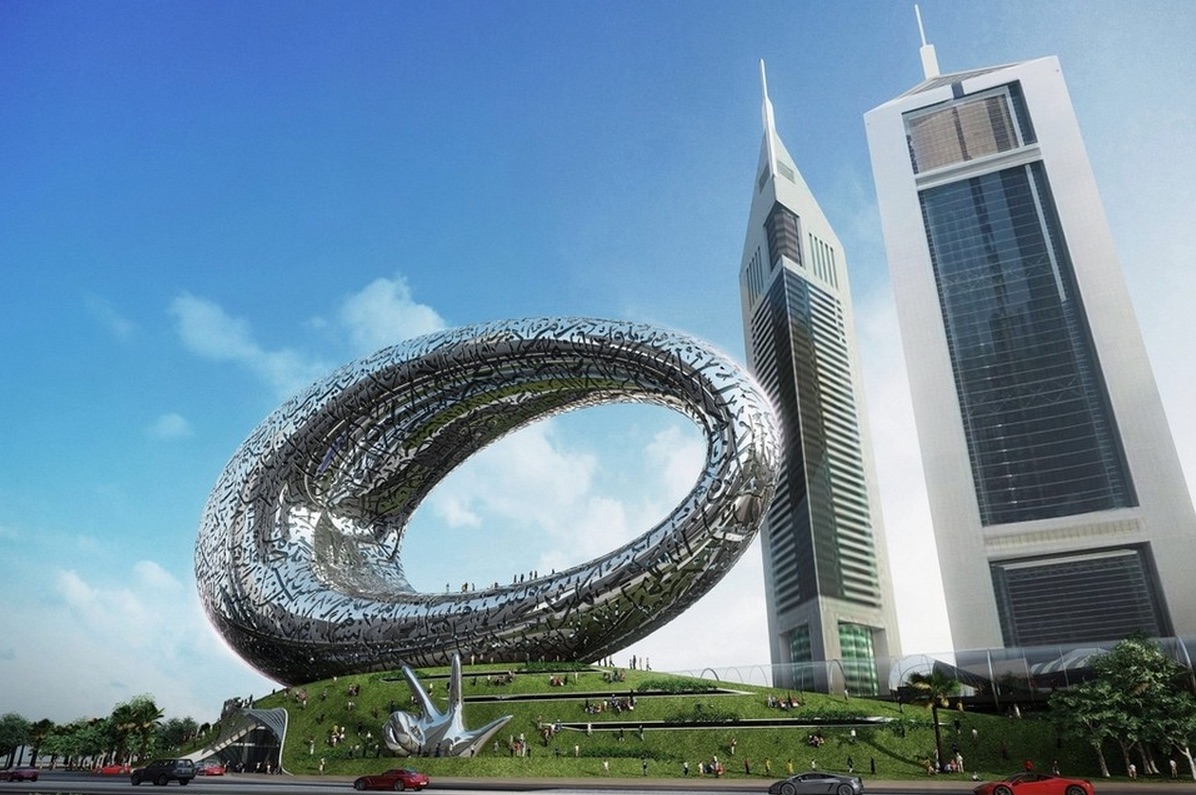
dubai-museum-2The most recent project to be announced by HH Sheikh Mohammed bin Rashid Al Maktoum is the Museum of the Future, to be located next to Emirates Towers on SZR. According to the new law, a US$ 2.72 innovation fee will be levied by certain government agencies to help support both the building and its projects. The museum will be the focal point of the emirate’s innovation drive and will showcase the latest inventions.

The Q2 Knight Frank’s Prime Global Cities Index indicates a  4.5% fall in prime property prices, as luxury realty fell by 2.5%. Out of the 35 markets surveyed, Dubai found itself ranked 30th, mainly because of its strong currency, falling Russian and eurozone demand, along with geo-political issues.

Figures from Hotstats confirm that the local hospitality sector is going through a rough patch, with 4 – 5 star properties returning 9% falls in June occupancy levels to 68.4%. All indicators headed south, with total revenue per available room, revenue per available room and gross operating profit per available room all falling by 16.1%, 2.1% (to US$ 206) and 36.4% (to US$ 62) respectively.

Starwood Hotels & Resorts Worldwide has endorsed an agreement with Dubai Properties to open four new mid-range properties by 2018. Under the Aloft and Element brands, this will add 816 rooms to Dubai’s portfolio and bring the number of its Starwood properties in the emirate to 19.

The Jumeirah Group has signed a management agreement with Oxley Holdings to operate the Jumeirah Kuala Lumpur Hotel – with 190 rooms and 273 residential apartments. The development will be completed by 2021.

Despite its Al Khail Avenue shopping precinct not due to open until 2018, Nakheel has announced that almost 60% of the retail space has already been pre-let. The latest agreement sees the Al Tayer Group taking 54k sq ft of the total 1.2 million sq ft available in the new mall which will have 350 shops.

It appears that Nakheel is also considering a second mall for its Al Furjan development – with the first having been fully leased even before its opening next year. This is part of the developer’s strategy to quadruple its retail portfolio, to 11 million sq ft, before 2020.

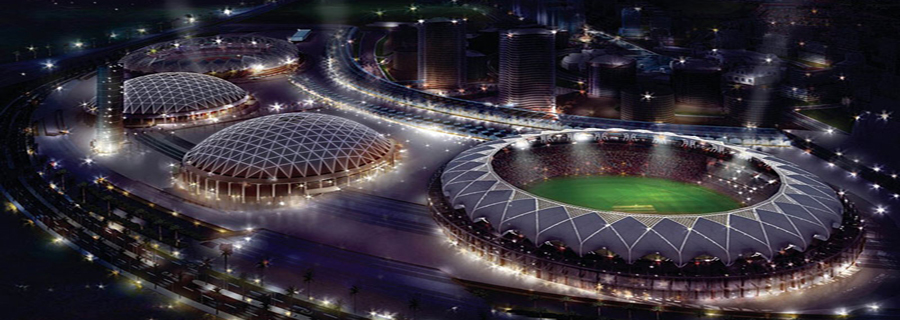
As the UAE has won the rights to host the 2019 Asian Cup, it now seems likely that a 60k-seater stadium will be built in Sports City, to host some of the matches.

Every week, it seems that the IMF has something different to recommend to the country. The latest includes a special 15% tax on vehicles, the introduction of some form of VAT and an extension of the existing 10% corporate tax to encompass most companies. If implemented, the world body estimates that an additional 7.4% of non-hydrocarbon domestic product could be generated.

The IMF also forecast this week that the UAE’s planned spending cuts would shave 1% off GDP growth each year until 2020. On the flip side, it expects that the country will benefit from the lifting of Iranian sanctions, with major fillips for the trade, tourism and realty sectors. It has been estimated that, in energy investment only, Iran will be spending US$ 167 billion.

Although still in positive territory, July’s Dubai Economy Tracker fell 0.9 points to 53.3 on the back of a strong currency and lower oil prices. However, the outlook is still bullish and business confidence remains at a relatively high level.

The emirate’s July inflation rate remained flat at 4.2%. However, with the recent deregulation of petrol prices, there may be a slight rise when August figures are available.

For the second year in a row, a LinkedIn survey indicates that the UAE is the global leader in attracting talent, with the four main source countries being India, UK, Pakistan and USA.

It has been confirmed that ‘Friends’ star, Jennifer Aniston, is being paid US$ 5 million to be the new face of Emirates. The newly married TV and film star follows on the heels of Nicole Kidman, who has recently signed a similar deal with Etihad.

Delta is cutting back on the number of its Dubai winter flights blaming the strong US dollar and “overcapacity operated by government-owned and subsidized airlines”. It is about time that such airlines stop finding inane excuses for poor performance and start providing what customers want – something they could learn well from the likes of Emirates.

A long outstanding dispute between Etisalat and the Pakistani government may soon be settled. In 2005, the UAE telecom provider purchased a 26% shareholding in Pakistan Telecommunication Corporation Limited for US$ 2.6 billion. The initial payment of US$ 1.8 billion was made but the balance has been left outstanding because of a dispute over certain properties to be handed to PTCL.

Dubai Customs announced a 7.1% increase in the number of processed transactions in H1 to 4.5 million, as it becomes the first fully smart Dubai-government entity. According to its Executive Director of Customs Development Division, Juma Al Ghaith, transactions can be delivered by channels, including smart phone apps, mobile, B2G and Dubai Trade, on a 24/7 basis.

There have been top-level management changes at Dubai Holding, with the appointments of Abdul Latif Al Mulla as Group CEO of Dubai Properties Group, Naaman Atta Allah as CEO for Dubai Properties and Ton van Vilsteren as CFO of the Jumeirah Group.

The world’s largest chemicals distributor, Brenntag has acquired a 51% shareholding in Jebel Ali-based distributor, Trychem, for an undisclosed sum.  Tristar, who bought the company from ENOC in 2013, have also announced a JV with the Greek company, Skeberis Plastics, to build a 350k sq ft warehouse, at a cost of US$ 20 million.

Dubai-based Abraaj Group extended its interest in Turkey by acquiring a share in the medical supplies manufacturer, Yu-Ce Medical – its second foray into the country. Earlier in the year, it bought a share in the mattress maker, BRN Sleep Products. To date, the private company has invested over US$ 900 million (equivalent to 10% of its portfolio) in 28 global healthcare companies.

Dubai-based Investra Investments, along with the Banyan Investment Group, has acquired the Comfort Suites in Newport, Kentucky, with plans for a US$ 2 million renovation. This is the fifth deal between the two companies over the past 18 months, bringing their total spend to US$ 80 million.

There were disappointing results for four Dubai-based companies. Amlak Finance recorded an 87.1% fall in Q2 profit to US$ 2.0 million. Union Properties posted a 95.3% plummet in quarterly profit to US$ 5 million, as property management and sales revenue fell 59.5% to US$ 5 million. Drake & Scull released Q2 results indicating a 60.2% drop in profit to US$ 2.8 million, despite revenue jumping 18.2% to US$ 354 million. Meanwhile, Shuaa Capital reported falls in both Q2 revenue and profit – by 12.9% to US$ 14 million and 62.9% to US$ 463k respectively.

Troubled Gulf Navigation has seen a 72.5% jump in H1 profits to US$ 3.5 million, on the back of a 14.5% hike in revenue to US$ 19 million. It also announced that it had reached a settlement with one of its major creditors, Nordic American Tankers Limited.

Amanat Holdings reported a US$ 400k quarterly profit and that it was planning to buy a 35% shareholding in the Saudi healthcare company, Sukoon International. In May, it had acquired a 4.14% share in Abu Dhabi’s Al Noor Hospitals Group for US$ 68 million.

Since it is still in the pre-opening stage, it is no surprise to see Dubai Parks and Resorts post an US$ 8 million Q2 loss. The leisure complex is over 50% completed and still on track to open in Q4 next year, with over US$ 1 billion having already been spent on the project.

The 39-year old Emirates Investment Bank posted a 21.1% reduction in H1 profits to US$ 7.6 million, as Q2 profit was 58.1% down to US$ 1.8 million. Whilst deposits remained flat at US$ 816 million, total assets rose 9.0% to US$ 2.3 billion.

The DFMI started the week at 4123 and had fallen 3.3% by Thursday (13 August) to close at 3985. Bellwether stocks, Emaar Properties and Arabtec both lost ground dropping US$ 0.12 to US$ 2.04 and US$ 0.02 to US$ 0.61. Trading volumes on Thursday (13 August) continued to disappoint, edging lower compared to seven days earlier, with 219 million shares, valued at US$ 107 million, being exchanged (cf 253 million shares, for US$ 150 million, the previous Thursday).

Oil and gold have reversed recent weekly falls and were both up by Thursday – 1.4% to US$ 50.24 and 3.0% to US$ 1,118 respectively. However, YTD Brent crude is 12.4% lower from its 01 January opening of US$ 57.33 whilst he yellow metal has fallen 5.7%.

Two drug companies, Pfizer and Flynn Pharma, have been accused by the UK’s Competition and Markets Authority of pushing up the price of phenytoin sodium capsules, an epilepsy treatment. It is alleged that the former sold the drug to Flynn at between 8-17 times its historic price who then sold it on to customers, at over 25 times the price previously charged by Pfizer. Consequently, the NHS saw its annual bill surge US$ 3.6 million to over US$ 77 million.

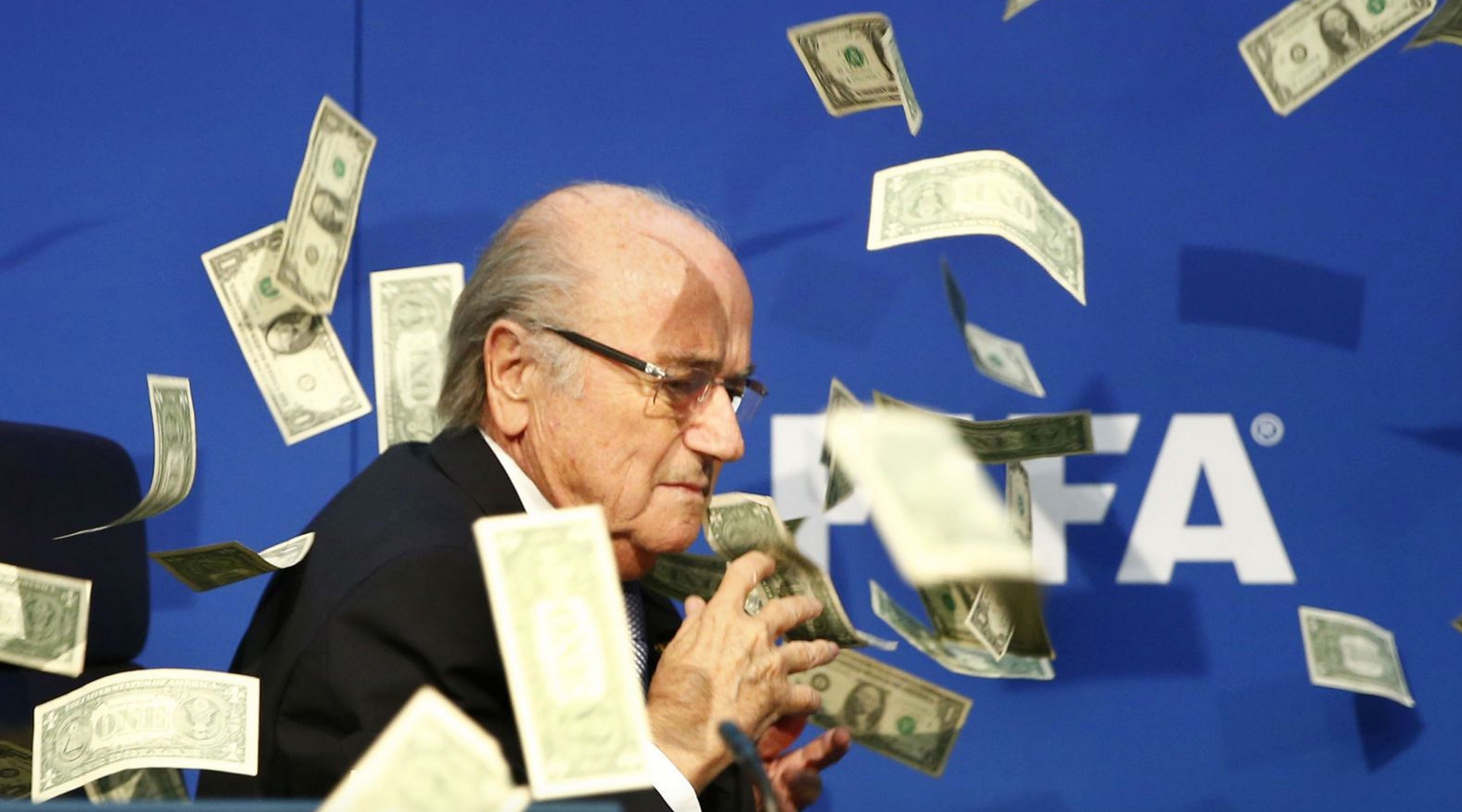
FIFA has apparently instigated another internal enquiry into alleged corruption within the footballing charity. It is hoped that the enquiry, to be undertaken by US legal firm, Quinn Emanuel Urquhart & Sullivan, will have better success – and a larger circulation – than the previous US attorneys’ report authored by Michael Garcia of Kirkland & Ellis. In May, nine FIFA officials and five marketing executives were implicated and indicted on taking more than US$150 million in bribes and kickbacks for media and marketing rights.

Charity is in the UK news for all the wrong reasons, including the latest potential scandal involving “Kids Company”, which was closed down last week. The Charity Commission is investigating allegations of mismanagement and “inappropriate spending”, with reports that, for example, MD, Camila Batmanghelidjh, had a personal chauffeur who received financial support for his daughter at a private school, with fees of US$ 47k. In addition, the vice-chairman, Richard Handover, had two of his children on the payroll, receiving in total US$ 78k.

Earlier in the year, it was reported that of the leading 150 organisations surveyed, at least 32 UK charity executives were paid over US$ 312k, with a median level of US$ 257k. When giving to charity, it is always a wise move to check where the money is being spent and how much goes on “administration”.

With less than a year to the Olympics, Brazil’s economic woes worsen. The world’s 7th largest economy saw its inflation rate of 9.6% hit a 12-year high – well above the government’s target of 4.5%; in a bid to reduce rising prices, the Central Bank has raised interest rates to 14.25%. The economy is set to contract by 1.5% this year, as the Chinese slowdown takes effect, whilst the unemployment level is at its highest level in over five years – slowing moving up with 1.9 million (or 6.9%) out of work in June. To make matters worse, the government is embroiled in numerous graft scandals, involving some of the country’s most powerful politicians – including current and former presidents, Dilma Rousseff and Luiz Inacio Lula Da Silva – and major companies, such as Petrobas and construction giant Odebrecht.

To add to China’s current economic malaise, its July inflation rate of 1.4% is still a long way from the government’s target of 3.0%. Furthermore, with 8%+ falls in both July exports and imports, its producer prices, falling again for the 40th straight month, (and 5.4% lower than a year ago), along with July Caixin’s Purchasing Managers’ Index figure of 47.8 pointed to the urgent need for further measures to boost the flagging economy.

The yuan started Monday at 6.21 to the US$ and, by close on Thursday, was 3.1% lower at 6.40, following three days of currency intervention by the Central Bank. However some action was urgently required particularly when the currency had surged 13.5% over the past 12 months and when compared to Japan, a major export competitor, where the yen was over 60% lower than it was three years earlier.

This triple dip devaluation caught the market unawares and, as it has given a boost to the greenback, there is a possibility that there may now be a delay in the Fed’s decision to hike up interest rates. There is also every chance that a new currency war will occur, as countries take to defending their own economies.

Despite some good economic news emanating from the US, national debt now stands at US$ 18.1 trillion – just below the current debt limit. Once more, it will not be long before the government will stop operating as Congress bickers and forces President Obama to accept some of their legislative goals, prior to raising the debt limit.

Following a 2.2% Q1 contraction, the recession in Russia has deepened as Q2 sees its GDP fall by 4.6%, compared to the same period in 2014. The main drivers for this remain unchanged – international sanctions, low oil prices and a falling rouble.

The German Halle Institute for Economic Research has estimated that the country has saved a staggering US$ 109 billion, equivalent to 3% of GDP, in lower borrowing costs, as a result of the Greek crisis – with investors using Germany for a safe haven.

Meanwhile, a third bailout, for US$ 95 billion, was being discussed in detail this week, with Germany having reservations about Greek debt sustainability and the IMF role; the German Chancellor is keen to force through privatisation plans and pension reforms. The IMF is highly sceptical of the deal indicating that the country’s public debt was “highly unsustainable”; the global body estimated that it would take at least 30 years for all its debt to be cleared and there maybe the need for “deep upfront haircuts”. Prime Minister Alexis Tsipras will be hoping for an affirmative response from both Angela Merkel and Christine Lagarde to the question – Are You With Me?

Posted in Finance | Tagged , , , , , , , , , , , , , | 1 Comment

Those Were The Days

bill-clintonThe big story of the week is the proposed Meydan One. Being Dubai, the 3,671k sq mt development will include three world firsts – tallest residential tower (at 711 mt), largest indoor ski slope (three times bigger than the current Ski Dubai) and the largest dancing water fountain at 420 mt long. The project will be home to 78k residents and will include the usual leisure, residential and hospitality facilities, along with a 60k capacity civic plaza, a 9 km walkway, a 4km canal and a 100-berth marina. Despite being located between Meydan and Al Khail Road, it will also boast a 300 mt beach. 

HH Sheikh Mohammed bin Rashid Al Maktoum has approved the construction of 1.4k villas in Wadi Safa (Nad Al Sheba) and 1.0k in Al Tai (Al Aweer). Eligible citizens will be entitled to a block of land, measuring 12k sq ft, and both communities will be fully serviced. 

Dubai Land Department indicated that in H1, 19.9k investors spent over US$ 14.4 billion in real estate transactions, equating to US$ 728k per transaction. Of that total, 23.6% were either Indian or UK nationals spending US$ 2.1 billion and US$ 1.3 billion respectively; however Emiratis were the leading buyers purchasing property, valued at US$ 3.1 billion.

Landmark Zenath Group is expecting to open four 4-star properties over the next two years – two, totalling 370 keys – in Dubai Investment Park, one in the Mazaya Centre on SZR (185 rooms) and the fourth, a 175-room hotel in Deira. The Dubai-based developer will invest US$ 27 million.

Local operator, Rotana, is planning to open its 16th Dubai property in Dubai – a 598-key, 5-star hotel with serviced apartments – on SZR. This will bring its portfolio of rooms in the emirate to 4.6k.

DWC has reportedly signed an agreement with Emaar for a Golf District project, encompassing an area of 1.4 hectares. Work on the integrated urban centre and golf destination will start in 2017 and will include a golf course community and several hotels.

There is no doubt that the local hospitality sector is under pressure on several fronts, including the strong dollar, falling oil prices and a marked decline in the number of Russian visitors. It is not surprising then to see numerous international hotel chains recording disappointing regional results. For example, IHG had a 9.0% increase in H1 global operating profit to US$ 337 million, yet reported weaker UAE business – without giving any further details – but a 9.9% growth in Saudi Arabia. Starwood, operator of the Westin and Sheraton brands, posted falls in MENA average room rates to US$ 184 (down 6.2%) and revenue per available room to US$ 115 (minus 8.25%). Accor also announced weaker figures for the region, as its H1 global profits rose 68% to US$ 100 million.

The decline in Russian tourists is also the main reason for a slowdown in luxury retail sales. JLL’s latest report indicated that this was the main driver for the recent slowdown in annual rental growth levels and retail sales. Over the next four months, extensions to MoE, Ibn Battuta and Dragon Mart will see an additional 194k sq mt of gross leasable area added to Dubai’s burgeoning retail sector.

Emirates REIT will finance and build a new Jebel Ali School within Damac’s Akoya project. The Sharjah-based sharia-compliant trust has bought the freehold land for US$ 27 million and will build the facility for an estimated US$ 30 million. The school will then take a 26-year lease on the property. (The company’s H1 profit rose by 7.9% to US$ 19 million).

The latest IMF forecast puts UAE 2015 growth at 3.2%, slightly down on last year’s 3.6% but still one of the best performing economies in the ME. However, the world body estimates that, because of the fall in oil prices, the current balance surplus to GDP will contract from 12.1%, last year, to 5.3% in 2015, whilst average general price inflation will be 2.1% – marginally lower than this year’s 2.3%.

According to the latest Nielsen Report, UAE consumer confidence had its biggest quarterly drop in six years, as it fell 7 points to 108. Nevertheless, it still remains the best in the region but there are increasing worries about the effect of government spending cuts and job security, in the wake of falling oil prices.

Emirates NBD UAE Purchasing Managers’ Index, a leading indicator on the health of the economy, recorded a bounce back in July with a 1.1 point month on month improvement to 55.8.

It seems that Arabtec is still in discussions with Egyptian authorities about the implementation of phase 1 for the construction of one million homes, at a cost of US$ 40 billion. 

For six years, ENOC (with 54% of the shares) have been trying to buy out the remaining Dragon Oil minority investors and have now finally succeeded, with their latest US$ 12.51 per share offer – 6.7% higher than their last attempt in June. Baillie Gifford held 7% of the equity and has seen the value of its 35.5 million shares jump 58.8% to US$ 444 million since April, just before Enoc’s latest buyout offer.

Dubai Investments Park has seen a 9% increase in the number of companies to 4.5k in the first five months of 2015. DIP is home to 90k residents and 20 residential buildings, with the community boasting 6 schools, 3 hotels (with 8 more planned) and other facilities.

UAE’s second telecom operator, Du saw Q2 profits down 8.3% to US$ 137 million, on revenue of US$ 842 million, whilst its royalty payments to the government went up 18.7% to US$ 130 million. 

MAF announced that H1 profits were flat at US$ 490 million, as revenue rose 7.0% to US$ 3.7 billion, mainly because of a sluggish hospitality sector and higher promotional expenses. Its shopping malls recorded 97% occupancy as footfall rose 2% to 85 million.

The Dubai government owned Noor Bank released its H1 results, with a record 26% increase in profits to US$ 74 million, as total assets expanded 28.6% to US$ 10.2 billion.

H1 has seen Damac increase its Q2 profit by some 50% to US$ 381 million, as revenue rose12% to US$ 627 million. So far this year, the developer has booked a credible US$ 1.39 billion of new business. The good news was reflected in its share value which jumped limit up 15% to US$ 1.00 on the day and closed the week marginally down at US$ 0.99. 

Emaar also kept the markets happy with an impressive 15.7% increase in Q2 profits to US$ 322 million, although revenue was only up 4.2% to US$ 948 million. Over H1, both revenue and profit increased – by 13% to US$ 1.77 billion and 12% to US$ 602 million.

Following its disappointing start on the Cairo Bourse, Emaar Misr has announced the resignations of both its Chief Investment Officer, Ahmed Fathallah, and Chief Development Officer, Walid El-Hindi. The bourse has been notified that Mohammed Alabbar was now non-executive chairman – and no longer managing director. As of Sunday (02 August), its share value had fallen 9.2% to US$ 0.44 from its debut price on 05 July. Despite this dismal performance on the Cairo bourse, Emaar Misr reported a massive 283% surge in H1 profit to US$ 67 million, as revenue grew 56% to US$ 199 million. It also indicated that committed net sales were up 20% to US$ 498 million.

The DFMI started the week at 4143 and edged down 0.5% by Thursday (06 August) to close at 4123. Bellwether stocks, Emaar Properties rose 0.1% US$ 2.16 whilst Arabtec moved down US$ 0.02 to US$ 0.63. Trading volumes on Thursday were up compared to seven days earlier but still on the low side, with 253 million shares, valued at US$ 150 million, being exchanged (cf 140 million shares for US$ 95 million, the previous Thursday).

Both oil and gold have continued their on-going falls and, by Thursday, were both down on the week, a huge 8.7% to US$ 49.56 and 0.2% to US$ 1,085 respectively. Despite the low oil prices, OPEC continues to maintain high production levels with July averaging 32 million barrels daily. In a bid to defend market share in a volatile market, with falling demand, the cartel has ramped up production by 5.6% since November and now it is at its highest level since 2008 (when prices were at record highs of US$ 147).

On Wednesday, President Al Sisi officially opened the new Suez Canal. It will double capacity to 100 vessels and it is hoped that annual revenue will also double to US$ 11 billion – by 2023 – as well as cutting down shipping times. However, whether the US$ 8.2 billion spent is a wise investment remains to be seen – no doubt the capacity is there but whether the demand will match the supply is open to question. (Over the past 14 years, the annual rate of growth for global merchandise has only been estimated at 3.4%).

The highly successful German supermarket chain is planning a further 130 new stores in the UK and an increase in manpower by almost 30% to 35k. The US$ 960 million expansion plan will see the fast growing company continue to increase its market share from its current level of 5.3%. Such an enterprise would surely be a welcome addition to the Dubai retail sector! 

Airbus has returned with a 34% surge in H1 profits to US$ 1.63 billion, as group revenue was up 6.0% to US$ 31.4 billion. Its order book over the period rose 20.0% to 348 commercial aircraft. 

IAG, owners of BA, has posted a 40.0% jump in quarterly operating profits to US$ 576 million The international operator, which also owns Iberia and Vueling, is hoping to soon close the sale of Aer Lingus and is awaiting Ryan Air’s formal acceptance for its 30% share.

Despite disappointing global results, ME carriers recorded strong cargo of 15.3% growth in H1, with capacity expanding at the faster rate of 19.2%. IATA indicated that June witnessed global growth of only 1.2%, compared to the previous year, with many carriers reporting declines or, at best, flat returns.

The German car triumvirate – Mercedes, BMW and Audi – is buying Nokia’s Here mapping service for US$ 4 billion. Not one of the three will have a majority share and will not interfere in the everyday running of the company. 

With quarterly revenue up 7.2%, Dutch brewer, Heineken, posted a 81.0% surge in profit to US$ 1.25 billion, helped by a tax gain on the recent US$ 1.3 billion sale of its Mexican packaging facility for US$ 1.3 billion.

Apple pie is a staple American dessert but now Apple crumble could take over as shares in the world’s most valuable public company begin to tumble. It does seem incongruous that Apple has become a victim of its own success and will be unable to keep up its spectacular sales growth levels, as iPhone and smartwatch sales fail to meet market expectations. By Thursday, its share value had fallen 14.5% to US$ 115.05 from its 28 April high of US$ 134.54, equivalent to a staggering US$ 113 billion loss in market capitalisation.

Banks are still in the news. Tom Hayes, the so-called ringmaster behind the Libor rigging scandal, has been sentenced to 14 years in jail. The 35 year old worked for RBS, RBC and UBS before joining Citibank in 2009, where he earned US$ 5.5 million in nine months. It is not hard to believe that he has become a fall guy for an industry where many would have had their noses in the proverbial trough.

Although there was a 38% jump in Lloyds H1 profit to US$ 1.9 billion, it was well below market expectations. Furthermore, the bank has put an extra US$ 2.2 billion provision to deal with claims relating to misselling PPI, with its total provision now over a staggering US$ 21 billion. 

Last week, Barclays revealed that it was setting aside a further US$ 1.17 billion provision for PPI misselling, bringing its total to US$ 9.4 billion – still well behind that of Lloyds Bank. This week, HSBC has announced a US$ 15.6 billion profit, despite taking another provision of US$ 1 billion to cover its role in the forex rigging scandal. More hefty fines for the scandal-ridden banks are expected.

The UK government divested itself of 5.4% of its 78.3%  shareholding in RBS. With 333k shares sold at US$ 5.15, the exchequer has lost US$ 1.7 billion on its 2008 enforced purchase, when the shares were at US$ 7.83. The bank was then bailed out to safeguard the country’s financial security at the height of the GFC.

It seems that the Swiss Central Bank has taken a H1 US$ 51.4 billion hit as their currency continues to climb against the euro since abandoning its 4-year peg in January. Then it was capped at 1.20 but now 1.06 francs will buy 1 euro. Furthermore there has been a negative impact for the country’s exports (down 2.6% this year) with a decline in tourist numbers. Swiss consumer prices continue to go down with latest July figures indicating a 1.3% fall from the same month in 2014 – its largest ever fall since 1959.

The Australian unemployment rate is on the rise again with July’s 6.3% almost at a 13-year high and 0.2% higher than the June return.

China continues to spook the markets as July factory activity fell again amidst concern that 2015 will be more disappointing than expected. Hopes for an upturn in capital spending and exports have been dampened, whilst the stock market antics have been doing little for consumer confidence.

Recent returns from China continue to disappoint with the July Caixin’s Purchasing Managers’ Index posting a figure of 47.8 – down 1.6 points month on month. This key indicator shows that the contraction in the manufacturing sector is beginning to cause concern, as China’s growth loses traction. Last year’s figure of 7.4% was the weakest since 1990 and this year will probably dip again to end at around the 7.0% level.  

Indonesia has been dogged by sluggish growth and Q2’s figure of 4.67% was the country’s lowest quarterly return since 2009. Most indicators – including mining, trade and manufacturing – are heading south. President Widodo’s ambitious 5.2% target for this year seems a pipe dream as Indonesia, like other countries, is not being helped by China’s slowdown and falling commodity prices.  

The July eurozone inflation remains flat at 0.2% – still well down on the 2.0% target – showing that any growth has been, at best, modest. Unemployment continues at the relatively high 11.1% level, with 17.8 million out of work, but an improvement on last year’s comparative figure of 11.8%.

Greece is still negotiating with the troika for a third bailout agreement – this time for US$ 95 billion. Its next deadline payment is 20 August when it has to repay US$ 3.8 billion to the ECB. The country has already spent most of its recent US$ 7.8 billion bridging loan as it had to repay the IMF and the ECB US$ 2.2 billion and US$ 4.5 billion respectively.  It seems inevitable that there will have to be some form of debt relief (maybe as high as 45%) as the country will never have the capacity to repay its total outstanding balance of US$ 350 billion.  

The Athens bourse opened on Monday after a six-week hiatus and, by Thursday, the General Index was at 667, down 16.4% from its 26 June closure level, following the introduction of capital controls. The banks have been badly hit, with the Athens banking index now worth only 4% of its pre-GFC value in 2008. Worst hit of the four major banks is NBG that has seen its share value diminish by 98.6% over the same period, costing its poor shareholders over US$ 110 billion in the process. It is obvious that more than one bank will fail in the coming weeks, with Piraeus and Alpha looking vulnerable.

The Dubai-based GEMS Foundation works with former leaders such as Bill Clinton, Tony Blair and Bertie Ahern – a member of its Global Advisory Board. It has been reported that, over the past four years, Bill Clinton, in his role as honorary chairman of its charity foundation, has received payments, totalling US$ 5.6 million. In his recent tax return, the former US president also disclosed that he was paid US$ 500k for a 2013 speech in Abu Dhabi which was included in the US$ 139 million income the Clintons have earned since 2007. The ex-US president used to have an annual salary of US$ 400k salary – Those Were The Days!

Posted in Finance | Tagged , , , , , , , , , , , , , , , , | Leave a comment

It Is Time To Say Goodbye

platini-sarkozyA recent Central Bank report indicates that the government is planning a 4.1% cut in public spending to US$ 125.5 billion, in the wake of the massive fall in oil revenue. This is in sharp contrast to recent annual hikes of up to 10%. The main driver behind this is oil that has seen government revenue fall by 22%, leaving a US$ 8.4 billion shortfall. Part of the cuts will be in scaling back subsidies, by 34%, to US$ 3.5 billion, and 48% in grants to US$ 3.1 billion. It also seems likely that some form of taxation (maybe corporate, payroll or VAT) could be introduced in the not too distant future.

01 August will see the petrol subsidy abolished and pump prices up 24.4% to US$ 0.58 per litre, whilst diesel heads the other way down 29.0% to US$ 0.56. Moody’s has estimated that it will cost each of the country’s 9.6 million residents an annual average of US$ 387, equating to a total of US$ 3.7 billion boost for public funds; this has been based on the former annual subsidy rate of US$ 7.3 billion being discounted by 47% for “external” costs – such as congestion and environmental.

The Dubai government-owned Emirates National Oil Co has long been losing millions of dollars because of its requirement to sell fuel at well below market rates. With the subsidy now lifted, it is in a position to go ahead with expansion plans, both locally and regionally. (Ironically, ADNOC has indicated that it will use profits accrued from this to fund 125 new petrol stations).

According to a recent report by ADIB and MPM, the current stock of Dubai’s residential units is 479k, of which 6.7k came on stream in Q2. It also indicated that average rents fell by 3% – a sign of a softening market, with villa rents falling by some 5% over the past twelve months. However, some areas fared worse than others with JBR, SZR and Palm Jumeirah falling 7%, 7% and 6% respectively, with increases of between 6% – 12% witnessed in DSC, DSO and IMPZ.

This week the Land Department released figures that would seem to indicate that the slowdown in real estate is not as bad as most pundits would let us believe. In H1, there were 23k real estate transactions, totalling US$ 35.1 billion, which compares favourably to the whole of 2014’s value of US$ 59.4 billion. 50.4%, or US$ 17.7 billion, of deals were mortgage-related. Of that total, there were 15.4k buildings and units transactions, with a total value of US$ 5.5 billion, with the balance attributable to land sales. The 7.4k residential unit sales in H1 were worth US$ 3.5 billion.

The UAE/Greek Al Ghandi and Consolidated Contractors International (AGCC) has won a US$ 230 million Emaar contract for The Hills project. The four-tower project, two of which will be Vida-run hotel and serviced apartments and the other two residential, is located by Emirates Golf Club and will be handed over late next year.

One casualty of the property slowdown has been S&K Estate Agents, which has filed for liquidation. The company, with a staff of 80, could not generate enough revenue to cover its costs (including an office in Los Angeles), as competition became more intense, with increased undercutting in commission income.

The government-owned Wasl Hospitality and Leisure is planning to double its room portfolio to 10k, with plans to build 14 new hotels over the next five years. It will offer a mix of 3, 4 and 5 star properties with its flagship being the Wasl Tower, due to be built on the Toyota Building site on SZR. The 60-storey construction has been described as a vertical tower with a 5-star hotel, 100k sq ft of office space and apartments, along with landscaped park areas. In addition, the company will start work on three other projects which will bring its spend to US$ 10.9 billion; these will be the 6 million sq ft Nad Al Hammar Gardens, the 12-tower Al Wasl Park 1 and Al Wasl Gate.

The Ajman-based R Holding has awarded ANC Contracting the second phase of its US$ 136 million Palm Jumeirah property. The 4-star, 253-key hotel will be the first sharia compliant facility on the Palm.

Drake & Scull has won a US$ 59 million MEP contract for work for a Kuwaiti educational centre. The company has gained US$ 428 million of work in the first seven months of 2015.

The tender for the long-awaited construction of Dubai World Central’s staff village, to house up to 52k, should now be awarded in Q4.

DEWA has awarded a US$ 3 million, 6-month contract for a further 8.3 km of glass reinforced epoxy pipeline to connect Al Qudra with the MBR Solar Park.

The Dubai Health Authority estimated that public hospitals treated more than one million patients in 2014. Already in H1, it has issued licences for 171 health facilities and 6.2k professionals.

flydubai has refuted media reports that it is in negotiations to purchase a share in the Indian carrier SpiceJet. At the same time, it seems that Qatar Airways is in possible investment discussions with its owner, Ajay Singh.

Two of Dubai’s waterparks featured in the top seven best facilities in the world as per TripAdvisor Travellers’ Choice; Aquaventure, located at the Atlantis hotel, was ranked 5th with Wild Wadi coming in 7th position.

DP World started work this week on its new US$ 1.6 billion Jebel Ali container terminal – T4. Phase 1 will see the addition of 3.1 million 20’ equivalent units, bringing the port’s capacity to 22.1 million TEUs. T4 will be located on a reclaimed island that requires the building of a 3k mt causeway. In H1, DP terminals handled 7.9 million TEUs – a 6% growth.

A JV between Dubai Aluminium and Emirates Aluminium, Emirates Global Aluminium, has reported a 75% hike in net profit, as its gross revenue jumped 30% to US$ 5.4 billion. Although the metal price has fallen 24.0%, over the past year to US$ 0.76 / lb, the company is going ahead with an ambitious US$ 3 billion alumina refinery, as well spending US$ 5 billion to develop a Guinea bauxite mine.

With the acquisition of Schiphol’s cargo handling operations from Aviapartner, dnata now manages 26 such facilities worldwide, including 10 in Europe. The Dubai operator currently handles over 2 million tonnes of cargo globally.

In June, Dubai International recorded a 16.7% increase in passenger numbers to 5.9 million and, with a YTD total of 38.3 million (up 10.4%), is well on the way to meet its record target of 79 million by year end.

H1 saw a 3.34% rise in the number of people using Dubai public transport to 271.3 million. The Metro showed the biggest increase – 8.4% to 88.2 million – whilst taxis, buses and water transport carried 107.5 million, 66.5 million and 7.4 million respectively.

According to Dubai Trade, there was a 12.5% Q1 increase in the number of new companies to 9.3k, bringing the total number of registered entities to 106k.

It seems likely that the proposed RBS sale of its UAE business to the ADCB will not now go ahead. What the troubled bank (62% owned by the UK government) will do now is uncertain but two options would be to close the local operation and refer clients to BNP Paribas or hold an auction. It has already divested itself of much of its ME business and had sold US$ 817 million of loans to CBD three months ago.

The reporting season is in full swing with more companies releasing their latest results, including Nakheel with an impressive H1 53.0% surge in profits to US$ 771 million.

Following the accounting scandal of its Saudi affiliate company, Mobily, it was no surprise to see Etisalat Q2 profits sink 40.2% to US$ 409 million, although revenue was 6.0% higher at US$ 3.6 billion. Last month, the telecom operator warned that profits would be affected by the restatement of profits by Mobily (of which it has a 27.5% share).

The country’s largest sharia-compliant lender, Dubai Islamic Bank, surprised the market by posting impressive Q2 results – profit up 35% to US$ 246 million, with impairment losses falling 12.6% to US$ 28 million.

Courier company, Aramex posted a 14.6% increase in Q2 profit to US$ 25 million, as revenue rose by 5.7% to US$ 263 million, due mainly to a growth in online shopping.

Dubai Investments, 11.5% owned by the Investment Corp of Dubai, saw its Q2 profits sink 58.6% to US$ 61 million, attributable mainly to the one-off gain last year on the sale of Globalpharma for US$ 47 million. H1 profits were down 37.2% to US$ 138 million.

As its trading volume slumped dramatically in Q2, the Dubai Financial Market (79.6% owned by the Dubai government) reported a 47.6% slump in net profit to US$ 36 million, as revenue fell 40.0% to US$ 49 million. H1 trading volume has dropped significantly by 56.5% to US$ 28.1 billion, resulting in a 57.0% fall in profit to US$ 54 million.

The DFMI started the week at 4201 to close 1.4% down on Thursday (30 July) at 4143. Bellwether stocks were both down with Emaar Properties, lower by US$ 0.04 (to US$ 2.15), and Arabtec by US$ 0.03 (at US$ 0.65). Trading volumes on Thursday were very low with only 140 million shares, valued at US$ 95 million being exchanged. The market started the year on 3774, and this month on 4087, which has resulted in a YTD increase of 9.8% and rise of 1.4% in July.

Both oil and gold have continued their on-going falls and, by Thursday, were both down on the week, 3.1% to US$ 54.30 and 0.6% to US$ 1,087 respectively.  (YTD and monthly, the percentage falls have been 5.3% and a huge 13.9% for Brent crude, with 8.3% and 7.4% for the yellow metal). Notwithstanding an expected drawdown of US stock, there are still major concerns about a global oversupply and, with OPEC maintaining production levels at 30 million barrels, downward price pressure will continue.

Despite announcing a H1 25% profit increase to US$ 4.8 billion, Barclays is still paying for all its past wrongdoings. The bank has put aside a further US$ 1.56 billion provision – US$ 390 million for customer redress on packaged accounts and an additional US$ 1.17 billion relating to the PPI scandal, bringing that particular provision to US$ 9.4 billion. The bank has already announced 19k job cuts, with perhaps 30k more in the offing.

It has been a bad week for Fiat Chrysler who have been forced to recall 1.4 million vehicles in the US. Hackers have been able to remotely control cars from afar even when they are in operation, so new software is needed to rectify the problem.

Ford Motor Co reported a 44.0% hike in Q2 profits to US$ 1.9 billion as revenue fell slightly to US$ 37.3 billion – although unit sales were 2% higher at 1.7 million. Although the strong greenback saw the company take a US$ 2 billion hit in revenue, it is confident of attaining its 2015 profit target of around US$ 9 billion.

A week ago, Pearson surprised some analysts by selling the Financial Times to the Japanese media group Nikkei for US$ 1.4 billion; this week there are reports that it is planning to sell a 50% share in The Economist for an undisclosed amount, but probably in the region of US$ 620 million. The Italian investment firm Exor could be one of the interested parties. The UK company has indicated that it wants to focus on its prime business interest – education publishing.

Following Amazon’s Q2 results which saw revenue up 20% to US$ 23.2 billion, its share value (US$ 568) rocketed 19% higher giving the company a market cap of US$ 267 billion. Based on this value, it would make Amazon the most valuable retailer in the US, eclipsing Walmart’s market value of US$ 235 billion. The 20 year-old company has seen its shares up 55% so far in 2015, with its Chief Executive, Jeff Bezos now reportedly worth US$ 43 billion. (With his money, Mr Bezos could just afford to acquire the 5-year old Uber that seems to be too highly priced and ready for a major fall).

Rather bizarrely, it is reported that Google is interested in buying a vegetarian burger business for US$ 300 million. However, Impossible Foods has rejected their bid as being too low.

Low oil prices, together with a further US$ 10.8 billion charge relating to the Deepwater Horizon disaster, are the two main factors why BP recorded a 64% slump in Q2 profits, as revenue tumbled 35.5% to US$ 61.8 billion. It has slashed its annual capex to below US$ 20 billion, following a 13% cut earlier in the year.

On Monday, Shanghai’s CSI300 index fell 8.1% – its biggest drop in 8 years. On Thursday, it closed at 3777, still 9.5% up YTD and 65.0% over the past twelve months but a huge 29.8% down on its June high of 5380. There are still major concerns over the level of borrowing in this sector, along with the role of the grey market; however, the central government will never allow the market to collapse and the past month’s trading can be seen as a much needed market correction.

As discussions continue about the third Greek bailout of US$ 95 billion, the ECB has decided to leave its emergency credit lifeline unchanged. Earlier in the week, the Emergency Liquidity Assistance increased its funding by US$ 1 billion to US$ 99 billion.

UK’s economic growth is back on track and at levels last seen prior to the 2008 GFC. Q2 growth of 0.7% indicates that the annual forecast of a 2.6% expansion in GDP will be achieved. The 1% jump in industrial production is the biggest in five years, whilst higher wage growth and low inflation have been important drivers.

An Iranian government official has indicated that the country has total foreign reserves of US$ 125 billion, with 80% held by the Central Bank, 15% by the National Development Fund and the balance by government entities and private companies. Furthermore, according to US officials a further US$ 100 billion is still blocked overseas by sanctions.

The Iranian government has announced ambitious US$ 85 billion investment plans to reboot its petrochemical industry and ramp up production by 30% to 60 million tonnes over the next six months. It is estimated that when the country is working at full capacity it will be producing 180 million tonnes per annum. Along with Russia, Iran has one of the largest gas reserves in the world and will be able to export 75% of its petrochemicals production.

It seems incongruous that a former protégé of disgraced FIFA president Sepp Blatter is reportedly standing to replace him. UEFA head, Michel Platini, has been on the FIFA executive committee for 13 years and surely association must have tainted his credentials, at least. It is obvious that a new independent leadership, untainted by past practices and corruption, is required. For the Frenchman and the rest of the senior executives, who apparently have done little to improve corporate governance, transparency and accountability at the scandal-ridden organisation, It Is Time To Say Goodbye.

Posted in Finance | Tagged , , , , , , , , , , , , | Leave a comment

Nowhere Man

sepp-blatter-moneyAlthough local petrol prices, at US$ 0.47 per litre, are the highest in the GCC, they still have to go a long way to match the likes of Hong Kong, Norway, Netherlands and the UK, where they stand at between US$ 1.81 and US$ 1.96.  However, things are going to change on 01 August, as the long-standing oil subsidy is being abolished. According to the International Energy Agency, the cost of UAE government subsidies for oil, gas and electricity equates to 5.6% of the country’s GDP, or US$ 2.4k for every resident, every year. One estimate for the cost of the fuel subsidy would be in the region of US$ 1 billion. Assuming that there are two million vehicles in the country, the average contribution per vehicle to recoup this amount would be US$ 500 per annum.

Another week sees yet another real estate report – this time from Bayut.com. Their H1 study is one of the first to indicate that the Dubai property slowdown has been “exaggerated and inflated”, pointing to a 5% – 10% correction. Also it brought some realism to the supply factor this year, with estimates of some 15k units, compared to recent reports of up to 30k, as well as forecasting an upturn in 2016.

In 1982, Damac started business in the catering business and only entered the property sector 20 years later. Danube started in in 1993, as a small trading company, before becoming the largest building materials company in the region but only became a property developer in 2014. Now the supermarket group, Lulu, is planning to open a 365-room hotel, to be operated by the German group, Steignenberger. The 5-star hotel will be located in Business Bay.

Emaar Malls Group goes from strength to strength as it announces a 37% growth in H1 profit to US$ 230 million, with revenue up 16% to US$ 398 million. Q2 contributed US$ 112 million to the bottom line – up 43.0% on Q2 2014. Foot traffic for H1 was 11.0% higher, with more than 62 million visitors. However, there was little movement with tenant sales, which remained flat at USS 2.6 billion. 

Sister company, Emaar Properties is winding down its Indian JV with MGF Development. In 2005, the Dubai developer invested US$ 1.5 billion and it is reported that there are currently 55 projects in progress, a land bank of 3k hectares and saleable land of some 6 million sq mt – all with a total estimated value of US$ 5 billion.

IFA Hotelier Investments is to build a US$ 200 million, 600 sq mt housing complex to accommodate 10k hospitality staff. The project, which will include indoors sports facilities, will be completed by September 2016.

Habtoor Leighton Group has won a US$ 72 million contract from Abu Dhabi’s Khalifa Industrial Zone for infrastructure work on a 52 sq km site. The project, including road, water and sewage work, should be completed by March 2017.

The skewed ratio 44:56 of 5-star hotels to other properties is fast changing with JLL reporting that 69% of new rooms this year will be 4-star or less. By the end of 2015, the portfolio will rise to over 69k rooms with the increasing trend for budget hotels carrying on in the coming years.

Over the Ramadan period, occupancy rates continued to disappoint, dropping 15.4% to 63.0%, with daily rates and revenue per available room heading south by 8.6% to US$ 161 and 3.3% to US$ 60. With growth in supply up 4.6%, and demand falling 11.6%, this was always going to be a difficult time for Dubai’s hospitality sector.

Following its recent sale of StandardAero, Dubai Aerospace Enterprise has taken the opportunity to fully repay a US$ 705 million loan. The company, whose main shareholder is the Investment Corporation of Dubai, has a leasing portfolio of 63 planes, with a value of US$ 3.6 billion. 

Last week, three other local banks – NBD, Emirates Islamic and Mashreq – returned more impressive results but Commercial Bank of Dubai will be happy with a 4.9% hike in H1 profits to US$ 166 million. The bank recorded a H1 18.2% rise in loans and advances to US$ 10.3 billion, with new loans totalling US$ 3.0 billion. 

It can only be Dubai when it is announced that, within seven years, Al Maktoum International Airport will increase its capacity from its current level of 5k to becoming the world’s largest facility, managing 120 million passengers. Meanwhile, the existing airport is undergoing a US$ 32 billion expansion, so as to cope with traffic expected to hit the 100 million mark.

The latest JOC report once again ranked Jebel Ali Port as the most productive port in the world, as it handled 131 moves per ship – 10.1% better than the previous year. 

Arcadis has listed the UAE as the 8th best global retail market, with Hong Kong, Singapore and the US in the top 3. Major plus points were the country’s advanced infrastructure and its vibrant economic environment.

MAZ Gulf has signed a distribution agreement with WaterMicronWorld to set up an assembly plant in Jebel Ali, for a cheaper and more productive water generation system. The Dubai-based company is confident that it will be a great boon for countries, with major water shortages, and will prove to be a profitable venture.

The DFMI rose 17 points starting the shortened week on Monday at 4184 to close on Thursday (23 July) at 4201. Bellwether stocks were mixed with Emaar Properties up US$ 0.03 (to US$ 2.19) and Arabtec down US$ 0.01 (at US$ 0.68). 

Both oil and gold have continued their on-going falls and, by Thursday, were both down on the week, 2.0% to US$ 56.06 and a worrying 4.6% to US$ 1,094 respectively.  (Over the past year, the falls have been 15.7% and 20.2%). Oil prices slipped as Iran and six world powers finalised a nuclear deal. In the short-term, Iran could add 200k barrels in exports which will only exacerbate the current daily surplus of an estimated 2.6 million barrels.

As the US economic recovery gathers pace, the Fed’s Janet Yellen has indicated that there will be a rate increase this year. This will only see the greenback becoming even stronger – and with that comes more pressure on the oil price as most countries will have to pay more for oil as their currencies weaken to the US$.

This week saw three mega IT companies announce mixed results. Having taken a US$ 7.5 billion impairment charge, relating to its Nokia acquisition, it was no surprise to see Microsoft with a US$ 3.2 billion loss, compared to a US$ 4.6 billion profit for the corresponding period in 2014. This effectively takes the tech firm out of the smartphone sector, now dominated by Samsung and Apple.

On the other hand, both Apple and Google returned impressive results. The former, despite a continuing fall in sales of its its iPads (18% to 10.9 million units), reported a Q2 profit of US$ 10.7 billion, as a result of impressive sales of its iPhones (up 35% to US$ 36.4 billion)), Mac PCs and even the new Apple Watch. Quarterly revenue was up 32.6% to US$ 49.6 billion, compared to the same quarter last year.

Having reported a 11.1% increase in Q2 revenue to US$ 17.7 billion and net profit rising 17.3% to US$ 4.8 billion, Google saw its share value jump 16.3% (equivalent to US$ 65.0 billion) which equates to a market capitalisation of US$ 471.5 billion. It is fast catching up with Apple’s market cap of US$ 740 billion, especially when watch time in YouTube jumped 60% over the quarter and its video service has the most viewers, aged between 18 -49, in the US.

Another tech savvy company in the news was PayPal which was acquired by eBay in 2002 for US$ 1.5 billion. Last week, the company was spun off as a separate entity on the Nasdaq exchange and, at Monday’s close, was valued at US$ 49 billion! eBay Shareholders received one share in PayPal for every share they held. Last year, PayPal processed payments to the value of US$ 235 billion, generating over US$ 8 billion in revenue.

Toshiba, the 140-year old Japanese maker of nuclear reactors, appliances and chips, has seen mass resignations following the discovery of an accounting scandal. Over the past six years, the company has been overstating its profits by US$ 1.2 billion, by delaying booking losses in order to meet unrealistic profit targets.

Boeing recorded a 22.7% fall in Q2 profit to US$ 1.11 billion as it took a US$ 536 million charge relating to a fuel system problem on its military KC-46A tanker plane. However the news was better from its commercial division as revenue jumped 11% to US$ 24.5 billion, with airplane deliveries rising to 197. This week, it also secured a US$ 10.0 billion order from FedEx for 50 767Fs.

Despite opposition from his own party, prime minister, Alexis Tsipras managed to pass a bill approving drastic changes to the country’s tax, pension and labour laws. These were part of the conditions that the troika had demanded before further negotiations on a third bailout could continue. Despite the IMF indicating that Greece needed debt relief, the EU will see that this will not happen. That being the case, Greece should use this time to prepare for an orderly exit from the eurozone sooner rather than waiting for the problem to deteriorate even further.

New Zealand has cut its borrowing rate by 25 basis points to 3.0%, as the country continues to face slower economic growth and low inflation. Compared to other countries, this rate is still on the high side and it is highly likely that more cuts are in the offing basically to support the country’s flagging exports. 

Coincidentally, several companies associated with the tarnished and scandal-ridden FIFA have had disappointing financial results.  Last week, two major sponsors of FIFA, Coca Cola and MacDonald’s, announced Q2 profit falls – 6.8% to US$ 3.4 billion and 16.0% to US$ 1.74 billion respectively. This week, Hyundai reported a 23.8% plunge in quarterly profits to US$ 1.55 billion, blaming the strengthening won and increased competition. These three companies, along with other sponsors, are now demanding urgent reform of the world football body. This can only be done when its head – and his cronies – depart the organisation. In late May, Sepp Blatter announced that “I am now president of everybody” – now he is nothing more than a Nowhere Man.

Posted in Finance | Tagged , , , , , , , , , , , , | Leave a comment

The Last Time!

QE2_dubaiWith an expected opening later in the year, Al Habtoor City has started a major recruitment campaign for its mega hospitality and residential project. The multi-use development, located on SZR, includes three 5-star hotels, three residential towers, retail and restaurant outlets, tennis academy and a choreographed water-themed theatre.

Three Dubai banks returned impressive Q2 figures this week. Emirates NBD, 55.6% owned by the Investment Corporation of Dubai, reported a 26.0% hike in Q2 profits to US$ 450 million. Although the dip in oil prices has had a negative knock-on effect in the private sector, the bank has been able to reduce its impairment charges by 24%, as well to increase both its loan portfolio (up 6.0% to US$ 69.8 billion) and fee income.

Its sister bank, Emirates Islamic saw a massive 97% surge in H1 profit to US$ 122 million, on a 33% rise in total operating income to US$ 332 million.

Meanwhile the emirate’s 3rd biggest lender, Mashreq, reported a 10.9% increase in its Q2 profit to US$ 177 million bringing its H1 profit to US$ 354 million. The main profit drivers were a 12.7% hike in net interest and a 3.6% rise in fees and commission.

Since the November 2008 US$ 100 million purchase of the QE2 by Istithmar, the vessel has been docked in Dubai, gathering more than dust. Over the years, there have been plans to renovate the 48-year old liner to a luxury floating hotel but nothing has resulted. Now it seems that the Scottish government is backing a campaign for its return to its country of origin.

There is no doubt that Arabtec is going through a time of great changes, in order to return the construction company to profitability. This week has seen the resignations of three senior staff – CFO, Iyad Abdalrahim, Yazan Hatamleh, Chief Human Resources Officer, and Wassel Al Fakhoury, General Counsel. In May, Mohamed Thani Murshed Ghannam Al Rumaithi replaced Khadem Abdulla Al Qubais as Chairman.

WCT, the Malaysian contracting company with a JV agreement with Arabtec to build Meydan, won its long standing dispute. The company was awarded a US$ 1.25 billion, 2-year contract in 2007 to build the racecourse by October 2009. In December 2008, the contract was cancelled and a month later a claim was lodged with the Dubai International Arbitration Centre. This week the ruling went the Malaysian way, with a final settlement of US$ 300 million and costs of almost US$ 10 million. (Arabtec had withdrawn from legal action in February 2013).

With Q1 imports at US$ 55.9 billion, reexports of US$ 25.6 billion and exports reaching US$ 8.7 billion, Dubai’s Q1 foreign trade balance rose 2.5% to US$ 90.2 billion. The emirate’s four main trading partners were China (US$ 12.8 billion), India (US$ 6.7 billion), USA (US$ 5.3 billion) and Saudi Arabia (US$ 4.7 billion).

The DIFC legal system is gaining traction with H1 claims showing a massive 447% jump in value to US$ 618.5 million; the value of each individual claim also rose – up 490% to US$ 29.0 million.

Following last week’s US$ 500 million Noor Bank sukuk, the value of the sharia-compliant bonds on Dubai’s two bourses – Nasdaq and DFM – has reached a total of US$ 36.7 billion. This fivefold increase, over the past two years, has seen Dubai now surpass the likes of Kuala Lumpur (US$ 26.6 billion), Dublin (US$ 25.7 billion) and London (US$ 25.1 billion) as the leading global sukuk financial centre.

Subsequent to its Sunday launch on the Cairo bourse, Emaar Misr shares fell by 14% on Tuesday leading to a brief suspension, before closing 9.0% down. Consequently, there have been reports that the company has offered to buy back its own shares to stem any further declines.

The DFMI jumped 4.2%, starting on Sunday at 4,017 to close the shortened week on Wednesday (15 July) at 4184. Bellwether stocks headed north with both Emaar Properties and Arabtec up US$ 0.07 (to US$ 2.16) and US$ 0.01 (to US$ 0.69) respectively. 

The week that two major sponsors, McDonald’s and Coca Cola, have called for major reforms  within FIFA, their profits have taken a tumble. The 75-year old burger chain has reported a 16.0% fall in Q2 profit to US$ 1.74 billion, as revenues continue to sink by 10.7% to US$ 12.4 billion.  Coca Cola is expecting another quarterly profit fall – this time, 6.8% to US$ 3.4 billion. It appears that these two companies want to see a healthier FIFA, whilst some of its customers just want to eat healthier.

Both oil and gold have continued their on-going falls and, by Thursday, were both down 3.0% to US$ 57.20 and 1.0% to US$ 1,147 respectively. Oil prices slipped as Iran and six world powers finalised a nuclear deal. In the short-term, Iran could add 200k barrels in exports which will only exacerbate the current daily surplus of an estimated 2.6 million barrels.

One casualty of the low oil price is Canada whose economy has every chance of falling into recession, once Q2 figures are released. With Q1 showing a 0.6% contraction, there is every likelihood that this quarter will see similar negative figures. The country has not been helped by relatively high unemployment figures, a property bubble that will burst once the record low interest rates begin to rise and consumer credit at dangerous over-borrowing levels. Prime Minister, Stephen Harper, will be lucky to hang on to power at the upcoming October general election.

The Chinese stock markets continued their recent downward trend, despite government efforts including caps on short selling, postponing IPOs and a six-month ban on large investors selling shares in companies. In addition, over 1k companies have suspended trading as share values sank. Unlike most global bourses, over 90% of daily trading is initiated by retail investors with 10% institutional (compared to 90% institutional elsewhere). Furthermore, two months ago margin financing reached a staggering US$355 billion and when a market falls 33% in just four weeks there is bound to be blood on the trading floor.

Following the Greek referendum, Prime Minister Alexis Tsipras announced that his country had secured a US$ 38 billion financing deal with its creditors and would be staying in the eurozone. He expects, rather naively, that this will help the nation pull out of its long recession. In reality, the eurozone leaders have brought the country more time but in doing so have not solved the underlying problem, so that in the future the debt problem will be bigger. In short, Greece cannot afford to repay its debts and it seems that monies received will be used to pay back the same parties who are providing the finance in the first place! This third patched-up bailout plan is bound to fail and for Greece, this is definitely not The Last Time.

Posted in Finance | Tagged , , , , , , , , , , , | Leave a comment

So Far Away!

sport-city-dubaiIt seems that Dubai Sports City is in serious discussions with financiers for a new 60k-seat football stadium, that would complement their existing 25k-capacity cricket ground and the Els Golf Course. Design work has been completed and the proposed facility meets all FIFA guidelines.

There is a possibility that fashion house Versace will team up with Dubai-based Damac Properties to help in developing the so-called ‘Jenga’ Tower in London. The 50-storey building was recently bought for US$ 930 million and will have 450 apartments (as well as offices and retail outlets); this will be Damac’s first foray into the UK market.

Following last year’s acquisition of JAFZ by DP World for US$ 2.6 billion, Fitch has upgraded the port operator to BBB-/Stable in line with its new parent company. The company accounts for up to 20% of Dubai’s GDP and reported a 10.0% jump in 2014 revenue to US$ 460 million.

Drydocks World has just completed the world’s largest turret mooring system at 100 mt high, 11k tonnes and with a 26 mt diameter. The FLNG (floating liquefied natural gas) facility, requiring over 5 million LTI-free man-hours to construct, will be used by Shell off the NW coast of Australia; it is the 5th  and last module to be delivered.

DIFC has started work on its 11th office tower which is slated for completion within two years. Gate Building 11, costing US$ 55 million, will be located in the Gate District.

In line with the holy month of Ramadan – a season of giving – Dubai’s Abdullah Ahmad Al Ghurair is planning to spend a third of his wealth (US$ 1.1 billion) in setting up an education foundation. Part of his business empire includes Mashreq Bank which he set up 40 years ago, with US$ 1.6 million capital.

Abraaj has sold its 13.6% stake, in the East African-based UAP Holdings, to the financial group Old Mutual for an undisclosed fee. This investment, one of 19 the Dubai company has in East Africa, was purchased in 2012 and was part of the US$ 3 billion it has invested in the continent since 2006.

June Emirates NBD UAE Purchasing Managers’ Index (PMI) fell 1.9 points to 54.7 – its lowest level in almost two years. One of the main drivers to this slowdown in the non-oil sector is the start of the holy month of Ramadan.

The federal cabinet has finally approved a new bankruptcy law which will probably result in bounced cheques being decriminalised. It has long been felt that the current legislation is too rigid and does not actively help troubled companies from going under. In some ways, it was seen as a disincentive for businesses to set up in the country but with the planned legislation, it will make the UAE a more attractive place for investors, as well as partially emptying the jails.

After 18 years of legal dispute, the Dubai Cassation Court finally ruled on the ownership of theHamarain Centre and JW Marriott Hotel in Dubai. The Kuwaiti Bu Rousli family now own 80% of the two buildings with the balance belonging to the Emirati Hamarain family.

The DFMI fell 1.1%, starting on Sunday at 4,089 to close on Tuesday (07 July) at 4041. Bellwether stocks headed south with both Emaar Properties and Arabtec down US$ 0.02 to US$ 2.10) and US$ 0.69 respectively. 

Both oil and gold have fallen dramatically since last Thursday – down 12.0% to US$ 55.91 and 1.8% to US$ 1,153 respectively

In an US$ 890 million agreement, online payment provider, PayPal, has bought Xoom, at a 32% premium. The acquisition will help PayPal expand in the money transfer and remittance sector as well as have greater access in countries such as Brazil, China, India, Mexico and the Philippines.

As sales of its new smartphone continue to disappoint, Samsung has issued another profit warning indicating a 4.9% fall to US$ 7.6 billion – 4% lower than the same period last year. The Galaxy S6 has been outgunned by competition from both Apple and Chinese companies such as Xiaomi.

Over five years after the Deepwater Horizon oil spill, BP has finalised a US$ 18.7 billion settlement with the federal government and the five states that were affected. The deal sees US$ 8.1 billion going to the various governments and US$ 5.5 billion in fines and will bring BP’s total expenditure to US$ 53.8 billion.

Another iconic British company has hit a rough patch with news that Rolls Royce has downgraded its profit forecast again – this time by 5% to around US$ 2.2 billion. In April, the UK engineering company won a major US$ 6.1 billion engine order for 50 Emirates’ Airbus A380 superjumbos. The company has not been helped by a marked weakening in the oil and gas sector, together with reduced demand for jet engines. 

It was only a matter of time and now Brazil has got into the act with authorities probing forex market rigging by 15 international (but no local) banks, including the usual suspects such as Barclays,Citigroup, Credit Suisse,  HSBC, RBS and UBS. The alleged offences went on for over seven years and the investigation also involves some 30 individuals.

Since reaching its peak on 12 June, the Shenzhen Composite Index has plunged over 38% and has lost a massive US$ 3.2 trillion in market value. Now some listed firms have come up with a novel way to stop the rout – and an erosion of their share value. Some 26%, or 750 entities, of all firms registered on Chinese mainland bourses have suspended trading, locking up US$ 1.4 trillion of shares, equivalent to 21% of the country’s market capitalisation.

Sunday’s referendum moved Greece closer to leaving the eurozone with the German response that there was no basis to enter into new negotiations and that the ball is in the Greek court. As of Tuesday, the Tsipras government had not come up with any new proposals. Whilst the Germans were playing the role of bad cop, France was acting in a more conciliatory manner, as was the IMF, with Christine Lagarde offering assistance, if asked. Greece’s debt stands at US$ 356 billion and they would be hoping for a ‘haircut’ of up to 30% and a rather extensive grace period. Whether their European partners would agree to such generous concessions remains to be seen but is highly unlikely as both sides are So Far Away!

Posted in Finance | Tagged , , , , , , , , , , , , , | Leave a comment

Giving It All Away

Paramount towerDubai has announced the construction of the first functional 3-D building in the world. The whole 2k sq ft project – building, fit-out and furniture – will be printed on a massive 20’ high 3D printer. This development is an initiative of Dubai’s Museum of the Future, in liaison with WinSun Global. The developers are looking at savings in time (60%), labour costs (80%) and waste (50%) on traditional methods.

It is estimated that the value of three of Dubai’s current mega projects is in the region of US$ 34.2 billion, the biggest of which is the Metro worth US$ 14.4 billion. The other two are the RTA’s Emirates Road master plan (US$ 12.0 billion) and the Dubai Airport expansion (US$ 7.8 billion).

Dubai Land Department reported that Q1 property transactions reached US$ 17.4 billion, of which US$ 10.1 billion resulted from new mortgages and US$ 6.5 billion from land and property sales.

Damac has added another project to its Dubai collaboration with Paramount Hotels & Resorts – a 64-storey, 824-room hotel and residences. Located on SZR, building of the luxury development – with an iconic rooftop infinity pool – has already started and slated for completion by 2019. The developer is currently building the four-Damac Towers by Paramount Hotels & Resorts as well as the Paramount Hotel Jumeirah Waterfront in Maritime City.

The first of five exclusive villas on Palm Jumeirah’s Frond M has been sold for US$ 19.1 million to a Briton of Indian descent. The residence will include six bedrooms, a cinema, 17 mt infinity pool and a 51 mt private beach.

Dutch contractor, Van Oord, has won a US$ 150 million, 2-year Nakheel contract to deliver 23.5 km of coastline and breakwaters at Deira Islands. When the whole project is complete, Dubai will have an additional 40km of coastline. This development is an integral part of the 15.3 sq km waterfront city which will have numerous hotels, apartments, retail outlets and a huge marina.

Being Dubai, it is no surprise that Reef Worlds has submitted its final design for the approval of the world’s largest sustainable underwater tourism site – “Pearl of Dubai”. Its exact location is not known but will probably be off one of The World islands and will now include a Hamour Habitat.

Emaar’s chairman has released plans for a world class centre for training real estate professionals. HE Mohammed Alabbar will fully fund the non-for-profit educational facility.

There is more worrying news for the hospitality sector with latest reports indicating a 6.5% fall in average daily rates over the past year to US$ 272, with even bigger monthly falls in April (12.8%) and May (10.8%). The main drivers are the increased supply of inventory, a drastic fall in Russian tourists and the weakening euro (down 19.6% over the past 18 months). Although occupancy levels rose by 1.9% to 83.8%, driven by a double-digit surge in Chinese visitors, Dubai is still perceived an expensive destination. In June, the emirate ranked in the top 10 most expensive destinations in a TripAdvisor survey and this week Bloomberg rated Dubai the 4th most expensive in the world. The emirate (at US$ 255 per night) came in behind San Francisco (US$ 397), Geneva (US$ 292) and Milan (US$ 271).

Following a 2014 10.0% growth in annual visitor numbers to 2.45 million, covering 93 exhibitions, DWTC will see a similar expansion pattern this year, as it will host 28 new events. This will be a fillip for the MICE sector and will be a boost for Dubai’s hospitality industry.

It took over two years for the three American airlines – American, Delta and United – to prepare a report for the US government, claiming state subsidies and unfair competition by Gulf carriers, including Emirates. In less than three months, the Dubai-based airline has refuted all allegations made and submitted their own 380+ page testimony to the US Departments of State, Transportation, and Commerce. Just like the NRA and AIPAC, the US airlines will have strong lobbying powers in the Capitol but if truth and logic are the main considerations then Emirates will win hands down. But remember the trouble with P&O and its ownership of some eastern US ports? (Ironically these three airlines are under an anti-trust US government investigation for illegal collusion to inflate seat prices).

Having only been open for five years, DWC is now ranked in the top 20 global busiest cargo hubs as well as expanding its passenger turnover. The facility recorded 825k tonnes of cargo carried last year and expects to top over 1 million tonnes in 2015, as more operators move from Dubai International. The latter facility has seen a 9.4% YTD increase in passenger traffic to 32.4 million as at the end of May.

It is forecast that the 23 free zones in Dubai will generate at least 5.3% more trade this year reaching a total of US$ 140.3 billion. The free zones, with JAFZA accounting for 80% of the total, have over 20k companies, employing 200k whilst contributing 25% to the emirate’s GDP.

dubizzle may find a rival with the local e-trader, EZHeights.com, setting up the country’s first online Barter Shop. The company estimates that it has US$ 71.9 billion worth of items in their system, with sale property accounting for 94.3% of that total – US$ 67.8 billion.

Local on-line shopping will soon receive a boost when two major supermarkets – LuLu and Geant – upgrade their delivery services. The former has spent US$ 5 million on a new website and app and will extend its deliveries in the UAE, Kuwait and Qatar. Further enhancements will be made by the French-based supermarket chain.

Dubai-based on-line clothes retailer, Namshi.com, has received US$ 11 million Silicon Valley venture capital funding to develop a new app. Fetchr will offer consumers improved service levels and, at the same time, enhance e-commerce firms’ efficiency by tracking down details more effectively.

Also on the e-commerce front, Dubai start-up, Bayzat, has completed a US$ 900k funding exercise. The company is primarily a medical insurance comparison website but is also involved with credit cards, finance loans and car insurance.

Trussbridge, a Dubai-based independent financial services firm, is the lead arranger for an investment consortium that has just bought a majority shareholding in the Canadian food producer, La Maison Cannelle. The Quebec company, established in 2005, focuses on gluten-free goods.

Centum Investment Company and Dubai-based Investbridge Capital will provide funds for SABIS Holdings to build at least 20 schools in Africa over the next five years. Each school is estimated to cost up to US$ 35 million.

It is reported that the once troubled developer Limitless will soon repay its creditors US$ 564 million; it has also arranged to extend its remaining debt of US$ 648 million to December 2018.

The government-owned Investment Corporation of Dubai (ICD) recorded an impressive 63.0% increase in 2014 profit to US$ 6.5 billion. Its revenue rose 11.3% to US$ 54.1 billion, whilst both assets and liabilities increased by 10.5% to US$ 18.3 billion and 8.1% to US$ 13.1 billion respectively.

A Ministry of Finance official has confirmed that there have been discussions relating to  corporate and value added tax laws, with a draft expected this quarter. Hopefully, it will be some time before any tax is levied but it will be a necessary addition if oil prices remain at their current low levels.

Although not hitting the levels of 2007, when Q1 personal borrowing reached US$ 137 billion, latest Central Bank figures show that such lending in the twelve months ending 31 March amounted to US$ 354 billion – up 6.5% on the previous year.

It seems that several UAE banks were targeted this week by a co-ordinated cyber-attack, temporarily bringing down operations and websites.

It was no surprise to see that the 12.99% Emaar Misr IPO has been heavily oversubscribed. Of the 600 million US$ 0.50 shares on offer, the first tranche of 510 million – for institutional investors – was 11 times oversubscribed with tranche 2 of 90 million – for retail –  had subscriptions totalling 3.23 billion shares. It is reported that the company carries a portfolio amounting to almost US$ 7 billion.

Etisalat has advised the Abu Dhabi bourse that its Q2 revenue and profit will be dented by US$ 168 million and US$ 56 million respectively, as a result of a restatement of Mobily’s inaccurate 2014 and Q1 financials. Etisalat holds a 28% shareholding in the Saudi telecom which had been investigated over certain of its clients’ contracts.

This week, the Bank of China listed a conventional 2 billion yuan bond, equivalent to US$ 322 million, with Nasdaq Dubai, bringing the bourse’s total listings of such bonds to a record high of US$ 11.64 billion.

The DFMI fell 1.4%, starting on Sunday at 4,147 to close on Thursday (02 July) at 4089. Bellwether stocks headed south with Emaar (down US$ 0.06 to US$ 2.12) whilst Arabtec closed US$ 0.03 lower at US$ 0.71. Thursday saw decreased activity with 539 million shares, valued at US$ 751 million, traded – compared to the 745 million, worth US$ 1.0 billion, the previous week. 

Both gold and oil continued their recent downward trend with the yellow metal down US$ 25 to US$ 1,174 and Brent crude off US$ 1.17 to US$ 63.56 at Thursday’s close.

Founded less than seven years ago, Airbnb is now valued in excess of US$ 25.5 billion. Recently, the so-called community marketplace has raised US$ 1.5 billion, from several investment funds, to expand operations in Asia. There is every possibility that the company, which does not own any hotel but has 35 million guests in over 160 countries, will go public. Its revenue – normally 3% commission from property owners and 6% from guests – has surged 340% over the past two years to US$ 850 million.

The following chart highlights how certain benchmark indices have fared over the past 18 months and, more specifically, over the past quarter. Interestingly, seven of the fifteen listed are in negative territory whilst only three – including the Dubai Financial Market General  Index – show double digit growth over the past three months.


Unit

%age

30 Jun 15

31 Mar 15

01 Jan 15

01 Jan 14


3 mth


Gold

US$

oz

-0.68%

1,174

1,182

1,186

1,236

Iron Ore

US$

lb

-1.59%

62

63

73

135

Oil – Brent

US$

Barrel

14.78%

63.05

54.93

57.33

102.50

Coffee

US$

lb

-2.24%

131

134

161

260

Cotton

US$

lb

-18.07%

68

83

62

86

Silver

US$

oz

-5.66%

15.68

16.62

15.77

20.15

Copper

US$

lb

-4.73%

2.62

2.75

2.88

3.37

AUD

US$


1.32%

0.77

0.76

0.81

0.89

GBP

US$


6.08%

1.57

1.48

1.53

1.64

Euro

US$


2.78%

1.11

1.08

1.21

1.38

Rouble

US$


5.88%

0.02

0.017

0.017

0.03

FTSE 100


-3.71%

6,521

6,772

6,548

6,730

CS1300


26.70%

4,409

3,480

3,532

2,291

S&P 500


3.67%

2,063

1,990

2,091

1,831

DFMI


13.53%

4,087

3,600

3,774

3,370

ASX All Ord


0.02%

5,451

5,450

5,415

5,352

Australian house prices continue to head north with latest figures indicating an annual increase in capital cities of 9.8% – down slightly from the previous year’s 10.1%. The housing shortage and historically low interest rates are the main drivers blowing up this property balloon.

In the UK, Q1 household disposable income rose at an annualised rate of 4.5% (its best return since 2001), largely attributable to a rise in wage growth and low inflation – up slightly to 0.4%. Conflicting signals saw GDP growth forecast revised upwards to 2.9%, whilst the current account deficit, at 5.9% of GDP, was at its highest level since records began in1948.

June’s eurozone inflation rate dipped to 0.3%, despite the March introduction of the ECB’s massive US$ 1.1 trillion stimulus package. Latest unemployment figures see the 11.1% rate unchanged in May – with Greece having the highest level at 25.6% and Germany the lowest at 4.7%.

Puerto Rico is following Greece having trouble with their finances. The US territory has declared that it is unable to pay its debts of US$ 72 billion and is on the verge of defaulting. It is unlikely that the federal government will offer any assistance to the self-governing US island which would normally file for bankruptcy but by law cannot do so.

Greece’s major banks – Alpha, Eurobank Ergasias, NBG and Piraeus – have seen Fitch slash their credit ratings from CCC to ‘restricted default’ because all four would have failed without this week’s imposition of capital controls, in the wake of the ECB action. On Tuesday, the eurozone ministers ruled out a bailout extension and it also became the first advanced country not to repay an outstanding loan to the IMF, amounting to US$ 1.7 billion. Now the financial world is waiting the outcome of this Sunday’s referendum – a no vote will inevitably see the Hellenic country leaving the eurozone.

A leading member of the Saudi royal family – and nephew of King Salman – has pledged his entire fortune to a trust fund to ensure that all his wealth will be used for “humanitarian projects and initiatives”. It appears that the chairman of Kingdom Holding Company has already donated US$ 3.5 billion to Alwaleed Philanthropies and now Prince Waleed bin Talal Al Saud, the 34th richest person in the world according to the Forbes list, with a US$ 34 billion fortune, is Giving It All Away!

Posted in Finance | Tagged , , , , , , , , , , , , , | Leave a comment