Forever and Ever

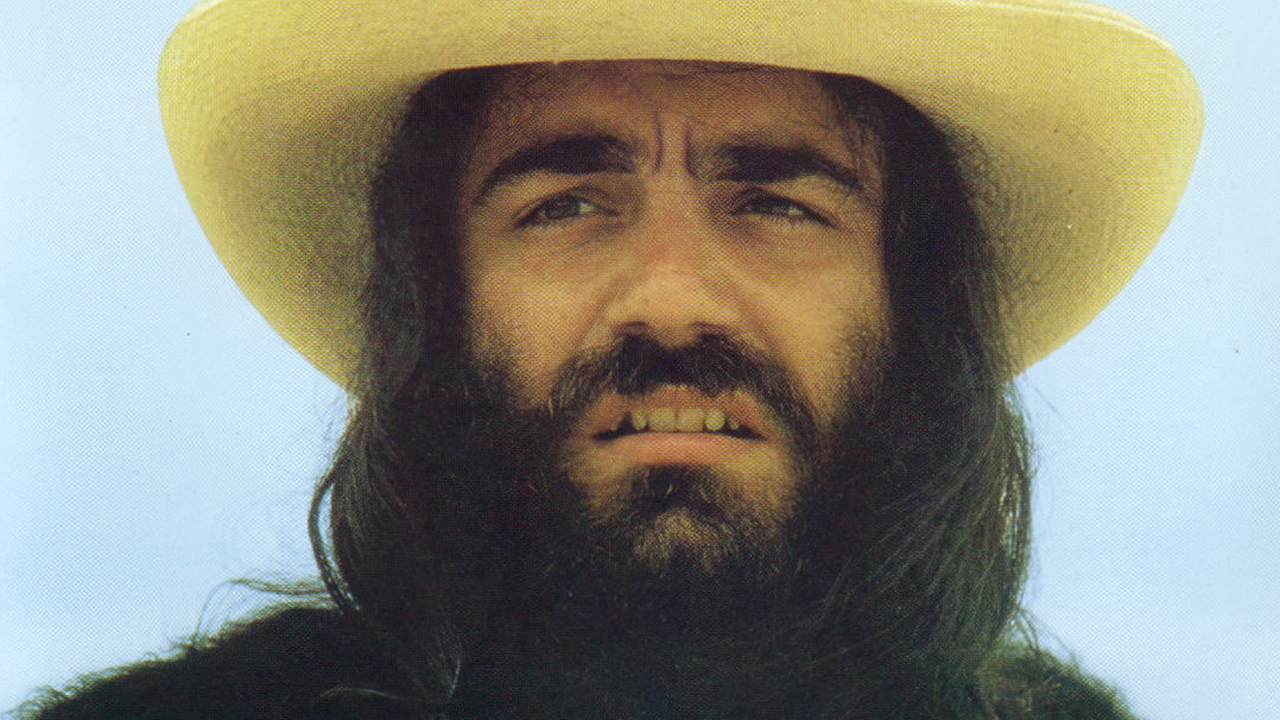
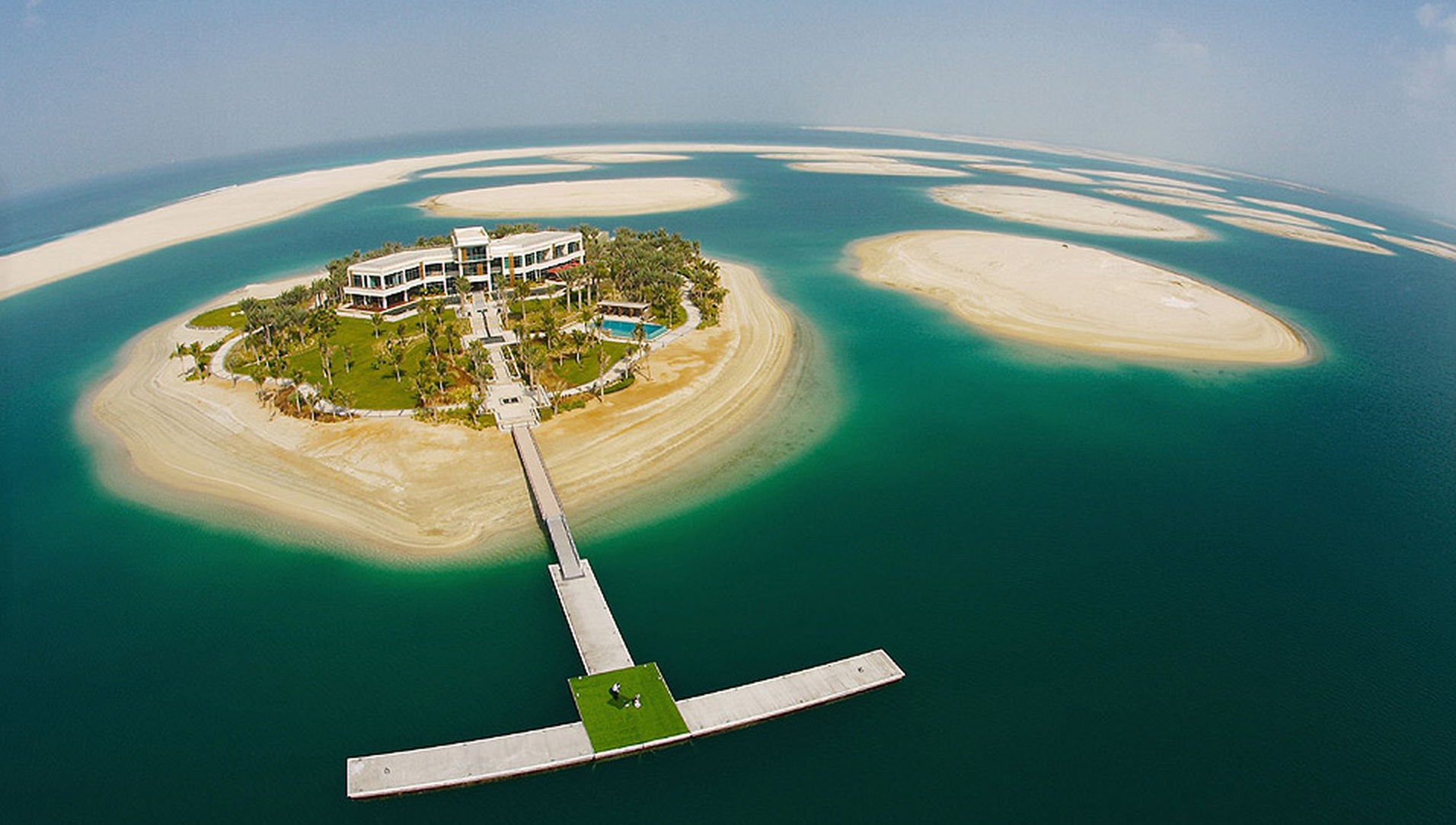
Demis-RussousGreece hit the international headlines this week with news of the death of one of its main exports, Demis Roussos, and locally that Greece was one of more than 150 Dubai projects cancelled, according to the Dubai Courts website. The Hellenic development was to include 65 luxury residences on the proposed 485k sq ft island on Nakheel’s The World project.

Of the other cancellations, two Khyool Investment ventures (Abjar Tower and Faras 2), have already been liquidated, 17 projects of Reliance Real Estate Development are currently subject of a RERA committee hearing and a further 34 have almost been cleared, to the stage of moneys being returned to investors. The remainder is still outstanding with the notable casualty being the 16-storey Rotating Residence in Jumeirah Village, which was due for completion over six years ago!

It is well-nigh impossible to forecast what is going to happen in the realty sector as another week sees another housing forecast, with different findings. This time, JLL expects a 10% fall in house prices (after a two-year 56% rise) and a similar decrease in rents.

Dubai Properties report that 9% of the total construction work of its US$ 218 million Dubai Wharf project has already been completed.

Dubai Municipality confirmed that it would be in a position to totally finance the proposed US$ 8.2 billion Desert Rose project. On completion, by 2025 at the latest, the sustainable city, located south of Emirates Road, will have 30k units and be home to 120k nationals and 40k expatriates. 10k units will be affordable housing for expatriates.

It seems as if the launch of the 700-unit Millennium Square in Meydan City has started well with reports that one unnamed investor has already put down US$ 150 million for 125 units. G&Co will start work on phase 1 of the US$ 409 million development in Q3, comprising 210 villas, with starting prices at US$ 1.2 million.

Union Properties has started work on phase 3, covering 1.48 million sq ft, of its Green Community development. The US$ 185 million 227-villa project should be completed by early 2017 and will bring the total number of residences there to 1,782.

Nakheel has announced massive plans for 80 new buildings near to its Dubai Waterfront site, with the building of 4k new apartments to be started shortly. The original concept was for a huge beachfront city, with a population of 400k but this was put on hold as the GFC scuppered many of Dubai’s grand plans.

A subsidiary of Drake & Scull, Gulf Technical Construction, has secured a tender to build a 38-storey tower for Reef Real Estate. Reef Towers will host 378 units and will be located adjacent to the Els Golf Club.  Another subsidiary has secured a US$ 54 million MEP contract for an unnamed 5-tower hotel and apartment complex, already under construction in the emirate.

Target Engineering – 98% owned by Arabtec – won two more Abu Dhabi contracts worth US$ 153 million. An ADNOC tender for building a housing complex in Ruwais was valued at US$ 94 million whilst the other successful bid was from ADCO, for a new management building.

The 40th Arab Health and Congress opened this week with 4k exhibitors and 125k trade visitors  – a huge boost to the local economy. It has been estimated that UAE consumers spend some US$ 780 million on medical-related products, expected to increase by 9.8% this year. The 4-day exhibition, one of the largest of its kind in the world, highlights the fact that Dubai is becoming a major hub for medical tourism.

As the number of Russian visitors tumble, the vacuum is being filled by the Chinese, with 2014 numbers showing a 25% year on year increase to 276k.

Despite the absence of many Russian tourists, due to their economic and currency problems, this year’s Dubai Shopping Festival looks set to break all records when it closes on Sunday. Early figures indicate an 18% jump in shopping mall footfall and retail sales are set to show at least a 5% increase.

According to Issam Kazim, the chief executive of Dubai Corporation for Tourism and Commerce Marketing, Dubai hotels will have an additional 20k rooms within the next two years; this will increase the inventory by 22.2% to 110k, with an estimated 45k rooms being added in the three years leading up to Expo 2020. This number should be able to cope with the expected 20 million visitors at that time.

Accor has just opened its second Dubai Pullman brand hotel in JLT – a 35-storey tower with 296 rooms and 58 serviced apartments.

Two Dubai properties make Trip Adviser’s latest listing of the top 25 global destinations, based on travellers’ reviews. Emirates’ desert location, Al Maha, comes in 8th whilst Dar Al Masyaf at Madinat Jumeirah makes a creditable 13th.

Year-end results show that Dubai is the busiest international airport in the world, replacing Heathrow in top spot. In 2014, the facility handled 70.5 million passengers – 6.1% more than in the previous year – and expects an even bigger increase of 8.9% this year. These figures are even more impressive considering the partial 80-day closure for runway maintenance in Q2. 

With the transfer of freight operations to the new Dubai World Central, it came as no surprise to see a slight fall in freight volumes to 2.37 million tonnes – a 3.1% drop. Overall both Dubai airports recorded more than 2.4 million tonnes, making it the 3rd busiest in the world after Hong Kong (4.3 million tonnes) and Seoul (2.46 million tonnes).

Emirates reportedly pay Real Madrid an annual US$ 34 million in a 5-year shirt sponsorship. Now the Spanish club may rename its Santiago Bernabéu stadium Abu Dhabi Bernabéu, in a deal with the Abu Dhabi government fund, International Petroleum Investment Co.

Local consumer confidence is exemplified by recent figures from Christie’s, the Department of Economic Development, Audi and Renault. The London auction house reported increased business activity with 2014 Dubai auction revenue surging 59% to US$ 46 million. Meanwhile DED recorded a 13.3% increase in the number of licences issued in 2013 to 21.4k, with the number of LLCs increasing by 17.1% to 14.7k.

Al Nabooda Automobiles has reported a 13.6% rise in Audi sales to 3.0k whilst Renault sales jumped an impressive 44% to 3.7k in 2014.  Al Nabooda is currently building a US$ 36 million workshop in Dubai and also a US$ 70 million pre delivery centre in Jebel Ali. If these figures are anything to go by, the local auto sector is in rude health.

It is no surprise to see that the multi-faceted Dubai public transport system had a 20.7% surge in passengers in 2014 to 531 million, which equates to 1.47 million users a day. The importance of the transport system can be gleaned from the fact that its usage has risen from 6% in 2006, to 14% last year with estimates indicating a rise to 20% by 2020. In 2014, Metro users jumped 19.3% to 164.3 million whilst taxi, bus and marine transit saw 108.9 million, 91.9 million and 13.3 million passengers respectively.

Although Expo 2020 is still five years away, a JV, between CH2M Hill – Mace, has already been appointed to manage the delivery of all construction-related services for the 438-hectare site. The US/UK partnership comes with excellent credentials, having already had a major input into the success of the London 2012 Olympics, and both entities have had local exposure with projects such as JBR, MoE and Masdar City. 

The year-end reporting season is in full swing with Majid Al Futtaim announcing a 11.0% jump in revenue to US$ 6.8 billion with an operating profit of US$ 980 million. The company’s total assets were valued at more than US$ 12.3 billion, with plans for a doubling in size over the next five years.

Dubai Islamic Bank followed the same trend as other local banks when it announced impressive Q4 figures, showing a 64.1% rise in net profit to US$ 232 million, on top of a 63.2% rise in annual revenue to US$ 763 million. Meanwhile, Deyaar Development, 45% owned by Dubai Islamic Bank, reported a 50.0% jump in 2014 profit to US$ 63 million.

Emirates REIT, the Dubai-based Islamic real estate investment trust, announced that 2014 net profit rose 39.3% to US$ 48.6 million. Total assets jumped almost 80% to US$ 599 million, comprising seven properties, including its biggest acquisition made in June last year – 67% of the floor area and 700+ parking spaces in DIFC’s Index Tower.

Union Properties did not fare as well with disappointing 2014 figures. A 55.8% fall in revenue, to US$ 561 million, saw the Dubai developer coming in with a reduced 45.7% bottom line of US$ 234 million. Its share price on Thursday was lower at US$ 0.29.

The regulatory authorities have approved Aabar Investment’s option plan to purchase a further 100 million Arabtec shares to bring its holding to 37.27%.

It is reported that Emaar Properties is planning to hive off Emaar Misr, its Egyptian division, in a US$ 270 million flotation. Although smaller than its last September US$ 1.58 billion Dubai bourse IPO (for 15.4% of its Malls Group), it will be the largest seen on the Cairo exchange since 2007.

Some of the recent IPOs still need time to find their feet with the following down on their original opening prices: Damac – 37% at US$ 0.49, Dubai Parks & Resorts – 29% at US$ 0.19, Amanat – 20% at US$ 0.22 and Emaar Malls – 4% at US$ 0.76. Liquidity still seems a problem with this Thursday trading volume of 273.6 million shares, totalling US$ 130 million.

The DFMI started the week trading on Sunday at 3883 and fell 5.4% to close at 3674 on Thursday (2.6% lower from its January opening of 3774). Bellwether stocks, Emaar Properties and Arabtec, were trading at US$ 1.83 and US$ 0.79 – down 10.3% and 3.7%, in turn, on the week.

Largely as a result of the phenomenal success of iPhone 6/6Plus, launched last September, and subsequent sale of 74.5 million units, Apple announced a record US$ 18 billion profit in Q4. Sales and profit were 116% and 77% higher, quarter on quarter. As 60% of Apple’s profits are structured through three Irish-based companies, where the so-called “Double Irish” procedure results in much lower tax liabilities, the question is should it be paying more?

Mark Carney, the Bank of England Governor, has weighed into the debate about certain international companies minimising their tax obligations. Like many others in Davos earlier in the week, he considers that many of the large companies – especially tech – take advantage of international tax deals. It is time that tax rules are updated, simplified and become more transparent and that governments come up with a unified tax system.

Two UK companies are in talks about possible acquisitions, the largest of which involves O2. Li Ka-shing’s Hutchinson Whampoa has reportedly offered US$ 15.4 billion for the UK’s second largest mobile provider (after Vodaphone). As Asia’s richest person, he already owns the Three network which has 12% of the UK market and, if successful, he will then control 41% of market share compared to Vodaphone’s 23%. Whether the competition watchdogs – in both the UK and EU – would allow such dominance in this sector remains to be seen.

Meanwhile IAG, the parent company of British Airways, has made its third – and a much improved offer – of US$ 2.85 per share to take over Air Lingus. The two major shareholders, who will have to agree to the sale are Ryanair (30%) and the Irish government (25%) which would value the airline at US$ 1.45 billion. (At that price, Etihad, as a 4.1% shareholder, could see a US$ 60 million windfall).

Russian business confidence took a further two hits this week. S&P slashed its credit rating to BB+; the junk status rating will make loans more expensive and more difficult to obtain. The double whammy effect of low oil prices and international trade sanctions will ensure that the economy will contract by at least 5% this year, as the government is expected to pump in US$ 35 billion to keep the economy afloat. As a result, the rouble fell again this week and closed Thursday on 68.8 to the US$.

It is reported that the Chinese government will announce a 2015 7.0% growth forecast – its lowest since 2004. This could be the year that China takes stock of the situation by cutting growth so that it can introduce much needed economic and structural reforms to better manage such an unwieldy economy. Last year, it was estimated that such continuous rapid growth led to unnecessary over investment in some sectors, costing the country US$ 7 trillion! There is also some worry of deflation, as last year’s 2.0% consumer price rise was well below the 3.5% target.

By the end of 2014, China had become the 5th most widely used payments, moving up eight places over the past two years: with a 2.2% share of the market it is behind the US$ (44.6%), euro (28.3%), sterling (7.9%) and the yen (2.7%).

The economic flavour of this month has to be gold largely because of the uncertainty of most central banks on how to deal with deflation and to boost sagging economies. The yellow metal started the year at US$ 1,186 and closed the month on US$ 1,277 – a jump of 7.7%. It is unlikely to have too many months like January.

The main aim of last week’s eurozone’s QE announcement was to encourage borrowing, which in turn will boost spending, by increasing the supply of money that theoretically keeps interest rates low. To date, the historically low rates have failed to ignite growth in the 19-country bloc. The twin negative impact of low growth and high unemployment is a conundrum that needs to be solved. Current policies seem certain not to meet the challenge because a complete overhaul  is needed but there is a lack of the political for it to be carried out.

Singapore joined a host of other countries, including Canada, Denmark, India, South Africa and Turkey, who have begun a currency war. Their use of monetary policy is an attempt to reverse an economic slowdown, whilst supporting growth and inflation. In short, it has made its dollar weaker against other currencies, and against the greenback it fell to its lowest level in almost five years, having slipped 6% over the past three months. When the dust settles, there is unlikely to be many winners in this currency war.

Germany led the eurozone in warning the incoming Greek government that it expects Alexis Tsipras to meet the country’s commitments and pay off any outstanding debts, as well as to carry on its much criticised austerity programme. The incoming Syriza Party has completely opposite ideas – to renegotiate the US$ 270 billion debt and to scrap austerity measures. No wonder the bureaucrats are worried – with the euro hitting 11-year lows and stock markets (particularly banks) falling – as the eurozone, and the euro, face collapse. The two extreme outcomes are that Germany will back down – and sanctions a debt write-off with the ensuing contagion moving to other precarious economies such as Italy and Portugal – or they do not and then it will see Greece depart the euro…. but not Forever and Ever.
Posted in Finance | Tagged , , , , , , , , , , , , , | Leave a comment

Don’t Give Up On Us Now

alpari-westhamA report by Phidar Advisory has indicated that Dubai residential sales headed south in Q4, with apartments falling 3.6% and villa sales by 1.7%;  although apartment rentals showed a marginal 0.4% increase, villas fell by 3.1%. Office lease rates remained relatively unscathed with a 0.5% drop. Another report, this time by JLL, forecast a subdued 2015 market as the estimated 25k new units coming on line will be more than enough to meet demand.Union

The final two of six towers in Emaar’s Dubai Creek Residences will go on sale – in Dubai, Abu Dhabi and London – this Saturday. Located in Dubai Creek Harbour at The Lagoons, the 30- and 35-storey buildings will have a selling price of between US$ 381 and US$ 504 per sq ft. The whole project – a JV between Emaar and Dubai Holdings – will be three times the size of Downtown and will eventually have 39k residential units, 3.7k offices, 22 hotels and 8 million sq ft of retail space.

Meydan’s US$ 817 million freehold Millennium Square development  of luxury semi-detached villas is slated for completion by 2017. Prices for the 3.5k sq ft properties, developed by G&Co, start at US$ 1.2 million.

CBD has provided US$ 56 million funding to R Hotels for the development of its sixth UAE property, due to open on Palm Jumeirah by the end of next year. The US$ 136 million hotel will be R Holdings’ fourth in Dubai, with the other two located in Ajman.

In line with other local developers, Union Properties is to expand into the burgeoning hospitality sector, with plans to build a 4-star property in Dubai Investment Park. The development will include a 150-key hotel and 50 serviced apartments. UP has two other sites designated – Motor City and Dubailand – and expects to be managing at least 1k rooms by 2020.

Dubai-based Gulf Marketing Group, established in 1978, is on a major expansion drive, with plans to open a further 47 outlets this year, following on the 42 new shops that were opened in 2014. The Baker family company operates all over the GCC and has Sun & Sand Sports and Supercare Pharmacy in its extensive portfolio.

The Can-Pack Group, a leading manufacturer of aluminium cans, has opened its new US$ 55 million plant in Dubai Investment Park. The 150k sq mt facility will see current production increase by 285%, to 5 million cans a day, and will also encompass a warehouse and distribution centre.

As UAE’s chocolate confectionary market is expected to jump 10.2% this year to US$ 319 million, one of the oldest players, Patchi is planning a new factory in DIC, with a 10k kg daily capacity. The Lebanese chocolatier’s old Al Quoz plant was damaged by fire in 2013 and the company currently uses temporary facilities to produce 3k kg of chocolate daily.

It does appear that UK and Chinese companies are doing well from the Dubai construction sector. Kier Group is the preferred bidder for a US$ 152 million mixed-use development and has recently won contracts worth US$ 132 million (a JV with Mercury for a local bank’s data centre), US$ 71 million (Dubai Parks) and US$ 39 million (Dubai University).

Following recent conflicting reports, it now seems that Dubai construction company, Middle East Developments, will begin work in Q2 on the Al Noor Tower in Casablanca. The 540 mt tower, costing US$ 1 billion, will become Africa’s tallest building, easily dwarfing the current holder, the 233 mt Carlton Tower in Johannesburg.

Saudi healthcare company, Dr Soliman Fakeeh Hospital, is spending US$ 272 million on a hospital / university in Dubai Silicon Oasis. Phase 1 of the facility, a 150-bed smart hospital, is due for completion in 2017 whilst phase 2, including an additional 150 beds and the opening of the university, will be completed two years later. It is expected that by 2020, the emirate will host 500k medical tourists, contributing US$ 708 million to the economy.

According to a leading Boeing official, the UAE will require a further 55k pilots and 62k technicians by 2020 to meet the growing demands of the aviation sector. By that time, 750k people will be employed in the industry – a major boost to the local economy.

As the number of passengers using Dubai International is set to rise from its 2014 total of 71 million to 100 million by 2020, the government has invested a further US$ 27 million in enhancing the Smart Gates facility.

The world’s largest covered cruise facility, the Hamdan bin Mohammed Cruise Terminal hosted five cruise ships, all at the same time, this week at Mina Rashid. Over 25k passengers and crew of the Aida Diva, Amadea, Costa Riviera, Costa Serena and MSC Orchestra disembarked in Dubai >later this month, the Queen Mary’s 4.5k passengers will berth here.

Notwithstanding the turmoil and apparent oversupply in the oil market, UAE pumped an additional 153k barrels per day in December to bring its daily output to 2.9 million barrels. During the period, OPEC members pumped 30.2 million barrels. Brent crude was trading higher on Thursday at US$ 50.45

Two other state owned companies are arranging financing facilities. The Investment Corporation of Dubai’s ENOC (Emirates National Oil Company) is set to seal a US$ 1.5 billion long-term loan; the last time it went to the market was in 2008, when it secured US$ 500 million funding. The company operates services stations in the emirate, as well as a 120k barrel a day refinery in Jebel Ali, fuel terminals and oil tankers.

This week, Dubai Holdings’ TECOM Investments, which has 4.5k companies in its various business parks, finalised a US$ 1.1 billion syndicated loan facility, with the funds being used for new projects. Details of the terms were not made available.

Meanwhile, Limitless now has the backing of 85% of its creditors and obtained a 3-month reprieve on a US$ 1.2 billion repayment due on 31 December 2014.

Despite a worrying 24.7% fall in 2014 revenue to US$ 1.91 billion, Nakheel still managed to pull a rabbit from the hat by declaring a 43.2% surge in profit to US$ 1.0 billion. During the year there was a US$ 125 million write back against a Palm Jumeirah project and this, along with tighter cost control and higher margins, brought about the impressive bottom line figure. At the end of the year, the developer had 17k leasable residential units, expected to grow by a further 76% to 30k over the next three years. This year, Nakheel expects to award construction contracts totalling US$ 1.9 billion – this is on top of the US$ 6.5 billion awarded over the past four years.

Dubai Chamber of Commerce now boasts 169k members – up 10.6% on the previous year. The chamber’s latest report also shows a 1.8% rise in members’ non-oil trade exports and reexports to US$ 79 billion.

December’s inflation rate hit 3.1% as Q4 reached 3.0% – up from Q3’s 2.6%. The main driver was housing and utilities, up 5.4% year on year, but this could see a fall in 2015, as the sector begins to level off.  The other bête-noir was education which showed a 4.0% rise over the year, with no signs of any slowdown in 2015.

The year-end reporting season has begun in earnest with three Dubai banks publishing satisfying annual results. Emirates NBD had a 22% hike in revenue to US$ 3.92 billion, as its bottom line surged 58% to US$ 1.39 billion. Its much smaller offshoot, Emirates Islamic, owned by ENBD, returned with a massive 164% leap in net profit to US$ 99 million, on a 28% hike in net income to US$ 531 million. Dubai’s third biggest bank, Mashreq reported a 20.8% jump in total operating income to US$ 1.58 billion, as net profit went up 33.0% to US$ 654 million. (The Al Ghurair-owned family bank has also expressed interest in acquiring Citigroup’s Egyptian retail business and is also planning a U$ 500 million Tier 2 capital-boosting bond).

Emaar Malls Group saw Q4 profits up 4.6% to US$ 112 million whilst annual profits rose at a higher rate – 22.7% – to US$ 368 million. Its share value at Thursday’s close was US$ 0.77 – slightly down on the US$ 0.79 when it first listed on the DFMI four months ago.

On its last day of trading on the London Stock Exchange, DP World shares rose 4.6% to US$ 17.38. The move back to trade solely on Nasdaq Dubai follows Damac who did likewise earlier in the month.

The DFMI started the week trading on Sunday at 3843 and bucked its recent downward trend to close on 3883 – 1.0% higher on Thursday. Bellwether stocks, Emaar Properties and Arabtec, were trading at US$ 2.04 and US$ 0.82 – down 2.9% and 3.5%, in turn, on the week.

Despite Amazon claiming that it does not receive special tax treatment in Luxembourg, it seems that the EC thinks differently with the view that the country’s tax arrangements constitute “state aid”. The findings will prove embarrassing for Jean-Claude Juncker, the recently appointed EC Chief, as during his 18-year reign as Luxembourg’s prime minister, he oversaw some 340 similar tax avoidance deals with international companies.

Moody’s has cut the Russian credit rating to just one notch above junk status, to Baa3, voicing concern about the country’s economic problems, arising from the low oil prices and the effect of international trade sanctions. The agency is worried that there will be a 5.5% contraction this year, with only a marginal improvement in 2016, and that Russia’s foreign reserves could drop another US$ 125 billion – the same amount as in 2014.

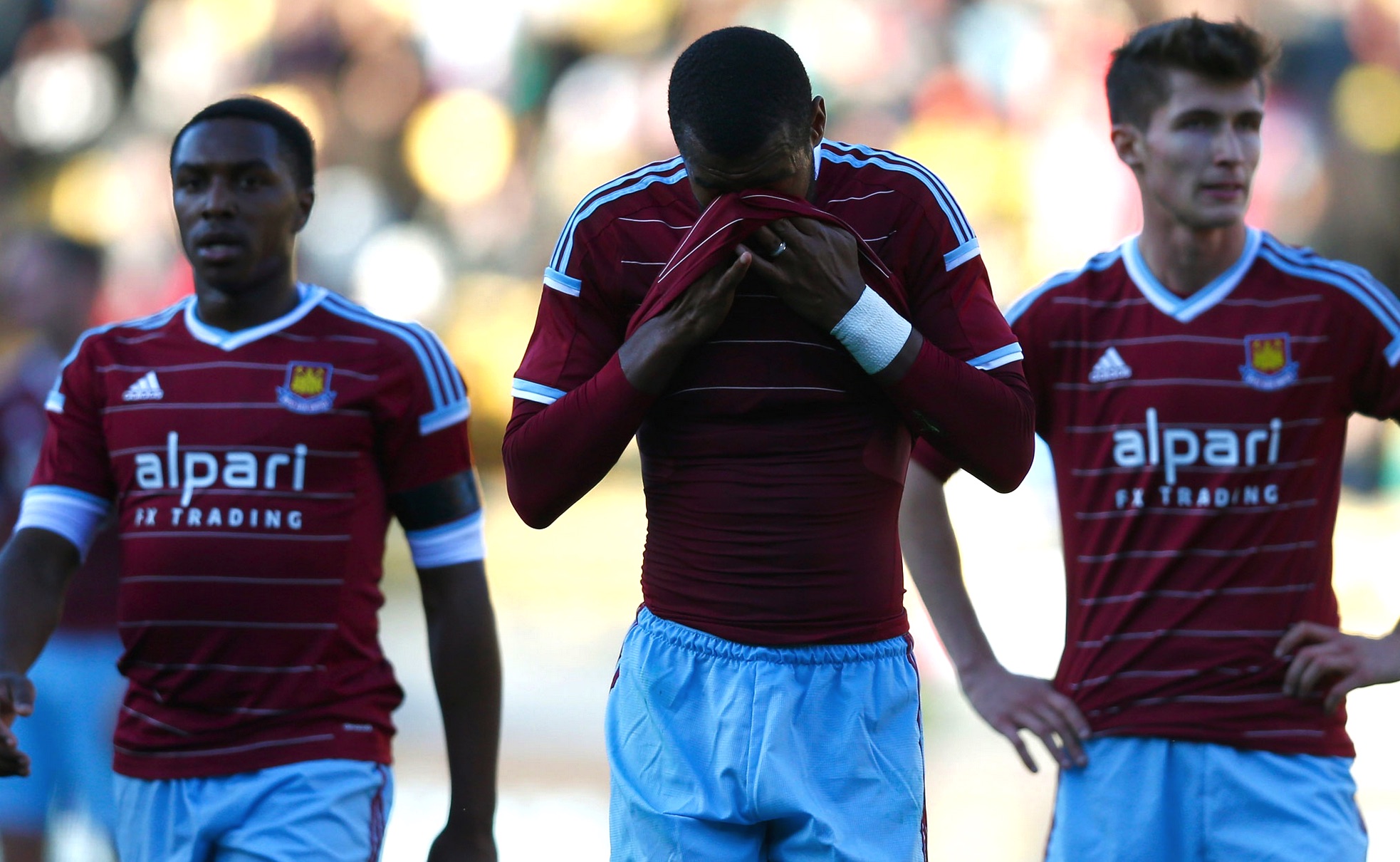
The fallout from last Thursday’s surprise Swiss central bank move to scrap its 3-year 1.20 cap to the euro has resulted in major financial problems for some international companies. In the UK, Alpari, sponsors of West Ham FC, is now insolvent, as its clients have been saddled with heavy losses. The US-listed FXCM saw its shares fall by 90%, as the forex trading group’s clients lost US$ 225 million. Meanwhile New Zealand’s Global Brokers incurred heavy losses and has had to close operations. The major losers, however, will be the Swiss, as their exports could become prohibitively high.

What this has shown is that Switzerland has taken upcoming deflation as a fait accompli. With most of the world seeing lower growth, and some already edging into a deflationary spiral, this has negative connotations. The end result is that consumer and capital spending are curtailed and debt repayment becomes that much more difficult. The world’s economy needs more political input to try and avoid such an occurrence but the Swiss have given up before the battle has really started. 

To nobody’s surprise – but to Angela Merkel’s chagrin –  the ECB has announced its QE plans of buying the equivalent of US$ 56.8 billion of sovereign debt, as well as US$ 11.4 billion of other banks assets, every month until at least September 2016. The unprecedented US$ 1.25 trillion rescue package is a belated attempt – probably three years too late – to avoid the bloc going into a downward deflationary spiral. The aim behind this strategy is to expand liquidity by central banks buying bonds, which will see a further reduction in borrowing costs, thus encouraging the private sector – businesses and individuals – to borrow more which, in turn will stimulate demand and restore inflation. There is a reason for the German Bundesbank’s opposition to this bond-buying scheme – with every chance of the inevitable sovereign bailouts occurring, it does not want to be the first port of call. Time will tell if QE will work in the eurozone but there is no doubt that much more radical reforms are needed, including structural changes, less bureaucracy and a tighter monetary union. But the message to the Germans from the 17 other eurozone members is Don’t Give Up On Us Now!

Posted in Finance | Tagged , , , , , , , , , , , , , , , , | Leave a comment

Get Lucky!

dubai-world-islandsAt long last, agreement has been reached between Dubai World and a substantial majority (more than the 67% required) of its creditors concerning the restructuring of a US$ 14.6 billion 2011 debt deal. In short, the creditors will receive an earlier payment of US$ 2.92 billion and extend the repayment balance from 2018 to 2022, at a higher rate. The company has filed a voluntary arrangement with the Dubai World Tribunal for their approval to go ahead with this amendment which will be heard in March.

In a bid to positivise its citizens’ behaviour and lifestyle, HH Sheikh Mohammed bin Rashid Al Maktoum has launched the ambitious 7-year National Programme for Government Communication (NPGC). It will target seven key areas, starting with Healthy Children, followed by six other so called pillars – Cohesive Family, Quality Education, Green Ideas, Sustainable Food, Prosperous Future and Diabetes-free UAE.

Dubai Land Department reported 2014 53.9k real estate transactions totalling US$ 59.4 billion – an 8.0% fall in value and 15.0% in numbers over the previous year. Land sales – at US$ 42.9 billion – represented 73.2% of the total whilst the balance emanated from housing etc. The three most popular locations for apartments were Business Bay, Dubai Marina and Al Thenaya Al Khamesa with 4.3k, 4.1k and 2.6k transactions totalling US$ 1.96 billion, US$ 2.50 billion and US$ 0.93 billion respectively. 12.5k mortgage transactions, totalling US$ 26.4 billion, were recorded last year.

Nakheel and German realty company Engel & Völkers have signed a JV to create a real estate firm based in Dubai Market Centre. The new entity will trade under the German partner’s name and expects recruitment levels of 250. This will give the Dubai property developer access to a bigger global market.

Danube Properties’ second foray in the residential market proved a huge success as its US$ 82 million, 300-apartment Glitz development sold out within two hours. Last June, its US$ 136 million ‘Dreamz by Danube’ met with similar success.

Developer, Oqyana Real Estate Company (OREC), has announced the development of individual private islands that currently form Australasia in ‘The World’ development off Dubai. A deal has been signed with Dutch Docklands to help with construction.

The company that built the world’s tallest twisted tower, Cayan Group, has announced that it has US$ 327 million worth of projects lined up in Riyadh and Dubai; here it plans upmarket hotel apartment and residential buildings on two pilots on Umm Suqeim Road.

The hospitality sector had a mixed end to the year, as December occupancy rates fell 1.4% to 79.3% whilst revenue per available room (RevPar) rose for the first time in six months – by 0.3% to US$ 221 – and average daily rates to US$ 279. Supply for the month at 6.9% outgrew the demand return of 5.3%.

Emaar Hospitality plans to add a third brand to its hotel portfolio following the success of The Address Hotels + Resorts and Vida Hotels and Resorts. In a JV with Meraas Holdings, the Rove will have six Dubai properties over the next six years, the first of which will be the 420-key Rove Zabeel, due to open in 2016. (Emaar also launched its Dubai Inn brand in 2013). It can be only a matter of time before Emaar hives off part of this division, via an IPO, similar to the exercise undertaken when Emaar Malls Group was established last year.

It is reported that Dubai Investments is nearing finalisation of two acquisitions, valued at US$ 110 million. One of the target companies is in the real estate sector with the other is involved in asset management. The company was trading at US$ 0.65 at close of business on Thursday.

Having divested itself of German packaging company Mauser last year for US$ 1.5 billion, Dubai International Capital is looking to sell another German asset, Almatis. DIC has an 80% share in the alumina products maker and, if all goes well, could be looking at a return of US$ 800 million which would help its liquidity position but represent a heavy loss as it expended US$ 1.2 billion on the acquisition in 2008.

The RTA continues to spend money in improving the emirate’s traffic flow. This week came the announcement of the US$ 24 million Wafi bridge connecting the heavily congested Oud Metha Road to Sheikh Rashid Road; the 700 metre addition will be able to cope with 3.3k cars an hour. The RTA also published plans to enhance the 1.6k bus network. By the end of November 2014, YTD bus passengers were up 12% to 123.5 million, equating to a daily load factor of 330k. To cope with this increase, the RTA is adding 400 new bus shelters, 400 ticket machines and 150 new drivers.

DEWA finally nominated the Saudi Acwa Power consortium – ahead of 49 other contenders – to build its US$ 327 million 200MW solar power plant, due for completion within two years. 15% of the financing will be internal with the balance through banks.

The UAE Minister of Public Works, Dr Abdullah bin Mohammad Al Nuaimi, has estimated that some US$ 820 million of government-related projects are currently underway – around 50% of the ministry’s 3-year budget to 2016.

The strength of the retail sector was again highlighted with reports that the Canadian Circle K plans to open 28 convenience stores in the country this year alone, where it already has 38 outlets.

2014 proved a profitable year for the Dubai Mercantile Exchange as it announced a 33% jump in trading volumes to 8.4k lots per day. During the year, four new trading members – Idemitsu, Itochu, Marubeni and Mitsui – were added, bringing the total of entities to 90.

The cost of school education is always an area of concern but a recent Parthenon Group report indicates that the average Dubai school fee of US$ 8k is some 45% lower than equivalent rates in London, Hong Kong and Singapore. However, there are certain schools where the fees are as high US$ 27k, plus the usual extras. Interestingly, the report also estimated that 51 new schools – equating to an extra 110k students – will be needed by 2020, with a capital expenditure of US$ 1.5 billion.

Next week sees the 17th Intersec exhibition with 1.2k exhibitors from 52 countries, occupying 48k sq mt of floor space. This security, safety, and fire protection trade fair is now considered the largest of its kind in the world and will be a boon for Dubai’s hospitality sector. Global analysts, Frost & Sullivan, estimate that the ME physical security market will jump from its current level of US$ 3.0 billion to US$ 10.9 billion by 2020.

As the price of oil still trades at under US$ 50, the UAE Minister of Energy, Suhail Mohammad Al Mazroui, has confirmed that there have been no changes to lift the country’s production levels to 3.5 million barrels by 2017. The US$ 10 billion Shah Gas project is currently being developed with Occidental Petroleum.

A division of Shuaa Capital, Gulf Finance Capital, has obtained a 3.5 year US$ 136 million loan facility, including a US$ 13.6 million standby letter of credit. The monies will primarily be used to fund SMEs.

Dubai Islamic Bank is planning a Tier 1 US$ 500k Islamic bond which has been four times oversubscribed, The sukuk  will be set at 6.75% – slightly down on the 7.0% price guidance set initially by DIB.

The market capitalisation of the Dubai Financial Market Index jumped 24.3% in 2014 to close on US$ 87.9 billion with the value of shares traded surging 138.6% to US$ 104.0 billion. Last year, the DFM recorded net foreign investment of US$ 1.1 billion – being US$ 46.1 billion bought and US$ 45.0 billion sold; this represented 44.4% of all shares purchased and 43.3% of those sold. Of the nine sectors on the bourse, only three – banking (32.3%), real estate and construction (17.6%) and industrial (17.5%) returned a profit whilst the other six were in the red, with the main losers being services (-54.6%), insurance (-29.4%) and telecommunications (-24.3%).

A month after receiving Securities and Commodities Authority’s approval, Damac started trading on the local bourse on Monday. Already trading in London since December 2013, when it raised US$ 348 million, the Dubai-based developer offered 23.08 shares for each of its global depository receipts. Shares opened on Monday at US$ 0.76 – and having surged to US$ 0.87 within the first hour settled to close the day on US$ 0.77 and the week down at US$ 0.66. Earlier, it had reported a 65% hike in nine months’ profit to 30 September 2014 at US$ 687 million on an almost doubling of revenue to US$ 1.57 billion. It is interesting to note that Damac’s share price equates to 5.9 times its latest annual earnings compared to Emaar’s 20.5.

The DFMI started the week trading on Sunday at 3674 and bucked its recent downward trend to close on 3843 – 4.6% higher on Thursday. Bellwether stocks, Emaar Properties and Arabtec, were trading at US$ 2.10 and US$ 0.85 – up 7.6% and 11.1%, in turn, on the week.

Following 2013 revelations of accounting scandals in its Polish and German offices, it is reported that Imtech has begun similar enquires in its UAE office. The Dutch engineering and construction company is looking into possible export control and sanction violations.

The World Bank’s latest forecast is that oil prices will remain low which will have the impact of reduced inflation and a delay in interest rate rises; Brent crude was trading steady at US$ 48.48 at Thursday’s close. 

It is estimated that the Russian central bank spent over US$ 82 billion last year propping up the rouble as the currency fell 41% against the greenback. 25% of the annual fall occurred on just two days in December, as the country’s economy was left reeling from the double whammy of a 50% cut in the oil price and international sanctions. Consequently as many countries were becoming worried about falling inflation rates, Russia went the other way and saw it rise to 11.4% last year, as its economy dipped into inevitable recession.

The UK saw a December inflation rate of 0.5% – its lowest level since May 2000. In the present economic climate, it is inevitable that this will fall even further and possibly into negative territory by the end of Q1. A major consequence will be that interest rates will remain static for most of 2015.

The Swiss authorities surprised the financial markets by scrapping its three-year 1.20 cap against the euro. Within an hour, the euro had dropped 30% to 0.85 francs per euro  before recovering somewhat to 1.02 francs – still 15% down on the day. Another shock this week was the Indian central bank’s decision to cut interest rates by 25 basis points which sees the benchmark repo rate at 7.75%. The RBI governor, Raghuram Rajan, indicated that inflation had been controlled and that this move would help growth  by encouraging more lending and boosting the industrial sector. 

It is only since 2009, that Chinese authorities have allowed its currency to trade on the international stage. The renminbi is growing in popularity, particularly with local SMEs, as UAE banks are expecting a 40% increase in the demand for the yuan. On a global scale, the Chinese currency accounts for only 1.59% of total global payments but as bilateral trade, currently valued at US$ 40 billion, grows then the demand for local currency payment – rather than the US$ – will expand from its present 40% level.

There was good Chinese data to end the year as the country recorded a 9.7% jump in exports and 2.3% drop in imports, compared to the previous December, whilst annual exports rose 6.1% as imports increased by a marginal 0.4%. Following a 2013 13.9% spike in car sales, growth halved last year to 6.9% to 23 million vehicles – US car sales stood at 16.5 million.

Shinzo Abe continues his balancing act as he tries to enhance growth but, at the same time, cut Japan’s massive debt, which now stands at more than twice its GDP. His record US$ 813 billion budget sees the world’s third biggest economy reducing its borrowing for the third straight year, aided by a 9.0% boost in tax revenue to US$ 460 billion; this has resulted in a 10.7% fall in bond issues to US$ 311 billion. It is now expected that the Bank of Japan will cut its CPI forecast to 1.5% this year as it attempts to make its huge stimulus programme reap economic results.

There was a mixed reaction to the December US job figures which saw an additional 252k added to the payroll whilst the unemployment rate fell 0.2% to 5.6% -its lowest since June 2008 and the 11th straight month of 200k plus figures. However, hourly earnings show only a 1.7% rise over the past twelve months as they fell, to cancel out November’s gains; these indicate that they are barely keeping up with inflation. A closer look at the figures shows that the drop in the unemployment level was largely due to a corresponding fall in the number of people looking for work.

Despite reservations, these figures are still light years ahead of the faltering eurozone. Gone have the days when the bloc could rely on its powerhouse Germany to come to its economic rescue. November returns showed that German imports rose by 1.5% to US$ 92 billion, whilst there were worrying falls in exports at US$ 113 billion (2.1%) and factory production (0.1%).

One of the hurdles facing Mario Draghi – and the possibility of introducing some form of quantitative easing to try and kick-start the flagging eurozone economy – has apparently been removed. There had been reports that Germany would scupper any planned bond buying program but a top EU lawyer has confirmed that, subject to certain conditions, QE would be compatible with EU legislation.

Even with all the gloom and doom, the World Bank still considers that global growth this year will be at 3% and 3.3% in 2016 but is concerned that there is too much reliance on the US, as economic indicators in the likes of eurozone and Japan continue to head south. Unfortunately, the eurozone does not have a united growth model – maybe it does not have any model. The bloc cannot escape from its trinity of high unemployment, low inflation and low growth and is beset by massive public debt – with five member countries having levels of over 100% and seven over 90%. As debts need to be repaid, it is inevitable that all stakeholders – governments, businesses and households – will have to curb spending and any recovery will be faltering and at a much slower pace. Even a belated QE program will lack the impetus it would have had a year ago. The only hope is that Mario Draghi and the eurozone somehow Get Lucky!

Posted in Finance | Tagged , , , , , , , , , , , , , | Leave a comment

Won’t Get Fooled Again

burj-fogHH Sheikh Mohammed bin Rashid Al Maktoum has approved Dubai government’s 2015 budget that plans for 2,530 new jobs for Emiratis. With a forecast US$ 981 million surplus, this will be the first deficit free one since the GFC. The US$ 11.2 billion budget is 9.0% higher than last year. The revenue stream is 11% up, with the main contributing factors being government services charges (74% – 22% higher than last year), tax revenues (21%) and oil (4%).

This week saw Nakheel leasing commercial space in its Palm Jumeirah’s Golden Mile, which it took over last November. Over 70 outlets – including shops, restaurants and offices – will be made available by the developer, with the first batch opening in April.

According to reports – but not to Arabtec – the construction company is considering buying into certain businesses to widen its current portfolio; this includes 98% of Target Engineering Construction Co and almost 25% of Depa, the Dubai interior fitting contractor. The major shareholder in the company is Abu Dhabi’s Aabar Investments with 34.9% equity.

2014 proved to be another record year for Dubai Duty Free, with reported revenue of US$ 1.90 billion – up 7.4% on the previous year – and logging 27 million sales transactions. The three main contributing products were perfume (16.4%), liquor and gold as 88% of sales originated in Departures and the balance from Arrivals. 

The Dubai-listed utility company Tabreed has taken a 7-year US$ 708 million loan of which 61.5% (US$ 436 million) is a term loan and the balance will be amortised over the period. The facility will have two rates – 1.9% margin on the fixed term and 1.4% on the balance.

DEWA is planning to build a US$ 27 million green vehicle workshop in Al Ruwayyah, as a replacement for its old Ras Al Khor facility.

According to the Director General of Buildings  at Dubai Municipality, Khalid Mohammed Al Mulla, there are more than 14k buildings currently under construction in the emirate. These range from villas plus schools, hospitals and tower blocks.

It is reported that Etisalat has invested over US$ 5.2 billion over the past five years on its 4G and fibre optic networks. Last year, the telecom operator increased its number of mobile stations, for 3G and 4G, by over 15% to 19k, with a similar number planned for 2015.

Rather surprisingly, the December HSBC Purchasing Managers’ Index showed a marginal increase to an impressive 58.4, despite the low oil price and the bloodbath on the local stock market.

With many international banks apparently cutting back their local operations, it comes as no surprise to see that FGB has replaced HSBC as the leading UAE bank for syndicated loans. The local lender extended US$ 2.65 billion in credit as four other Emirati banks – Emirates NBD, NBAD, DIB and ADCB – filled the top five places – the last time this happened was in 2002.

Dubai Police are actively considering the introduction of legislation to allow employees to be an hour late, without penalty, when there is heavy morning fog. This sensible move would do a great deal to reduce accidents and stress levels in the emirate.

The Federal Customs Authority reported a 7.4% increase in H1 free zone trade to US$ 73.5 billion as the government takes active steps to enhance the profile of JAFZA, as the leading regional trade hub. Mobile phone imports accounted for 21.0% – US$ 8.5 billion – of imports whilst cigarettes, at US$ 600 million, accounted for 19% of all exports.

In a move to cut costs and restructure the company, Yahoo has almost halved its Dubai staff base to around fifty. The internet company closed its Cairo and Jordan offices last year but there are no indications that Dubai will suffer the same fate.

It appears the current volatility in the local markets has led several UAE companies to hold back on IPOs in 2015. This makes sense when one considers that the last four companies to go down that track are below their opening trades. Amanat (US$ 0.27), Dubai Parks & Resorts (US$ 0.27), Emirates Malls Group (US$ 0.79) and Marka (US$ 0.38) had Thursday closing share values of US$ 0.22, 0.19, 0.75 and 0.36 – down 20.0%, 29.0%, 4.8% and 5.1% respectively. It is not good news that the bourse in five days of trading was the worst performing global market for two different days and the best performing on one day.

The DFMI started its first week of 2015 trading on Sunday at 3774 and continued its downward trend to a Thursday close of 3674 – 2.6% down on the week. Bellwether stocks, Emaar Properties and Arabtec, were trading at US$ 1.89 and US$ 0.79 – 4.5% and 1.2% down, in turn, on the week.

Commodity prices continue to trend south with Brent crude (US$51.29), gold (US$ 1,212) and silver (US$ 16.35) all down at the close of Thursday (08 January) trading. Some contrarians may consider this a buying option as the last time oil fell more than 50%, shares in oil-related companies jumped more than that amount within the ensuing six months.

South Korea’s Samsung Electronics expects a 37.4% reduction in Q4 profits to US$ 4.74 billion; the forecast annual profit, at US$ 22.8 billion, will be its weakest return for the past three years. The company has failed to keep up with competition, especially cheaper Chinese electronic models, with its Galaxy losing some of its earlier gloss. In comparison, Samsung’s major rival, Xiaomi, announced a doubling of its 2014 revenue.

Three of UK’s largest retail companies are experiencing troubled times. Tesco – with 3.3k shops – has announced plans to close 43 unprofitable outlets and shelve proposals to open 49 large stores. Still reeling from last year’s accounting scandal, the supermarket is also planning to close its staff pension scheme, reduce overheads by 30% and save US$ 380 million. Meanwhile Sainsbury’s reported a 1.7% fall in annual like for like sales, as its share value has sank 36%

over the past year. M&S had even worse news as it recorded its 14th consecutive quarterly drop – 5.8% – in clothing sales, whilst its online sales dipped by 5.9%.

German inflation in December fell to its lowest level in over five years to 0.2% and the eurozone officially entered deflation, with a minus 0.2% mark – both indicators of the urgent need for the ECB to start purchasing government debt and finally to introduce a quantitive easing program. Whether the procrastinating ECB president Draghi waits until the end of the month to take any remedial action remains to be seen. Low inflation or deflation is often a recipe for a fall in economic activity, bigger dole queues and a reduction in consumer and capital spending.

Little wonder the euro sank to its lowest level in nine years and many countries’ bond yields hit record lows. Greece’s 10-year bond yields rose above the 10% mark as the country awaits for the outcome of its 25 January general elections. With the Syriza party, who have promised to reverse the EU austerity measures, currently heading the polls, there are questions whether any ECB bond buying programme will include Greek bonds.

Just as the eurozone goes into recession and global growth slows, it seems that the UK economy is also waning. According to December’s Markit/CIPS UK Services Purchasing Managers’ Index (PMI), the country’s service sector recorded its weakest growth level in 19 months whilst GDP is forecast to be up by only 0.5% in Q4.

Fresh from his election victory, Prime Minister, Shinzo Abe, is hoping to kick-start the Japanese economy.  Abenomics has thee three arrows in its armoury – government spending, easing of monetary policy and long-needed structural reforms, including the deregulation of the energy and agricultural sectors and overhauling the bureaucratic labour market. To date, not many of his arrows have hit the target as the world’s third largest economy is once again in recession.

November saw the US trade deficit narrow to US$ 39 billion as imports dropped to US$ 235.4 billion and exports to US$ 196.4 billion. Significantly, exports to the China, EU and Japan fell by 3.9%, 7.7% and 9.7% – a sign that the reduced demand for US goods was beginning to see the impact of a global slowdown. US trade with China tumbled 8.0% to US$ 29.9 billion.

Following the latest Federal Reserve meeting, it is unlikely that short term funds will see an increase in its benchmark rate, at 0% for the past six years, until at least Q2. Although bullish at a micro level, the central bank still has reservations on the global outlook which could have a contagion on the domestic economy. Many analysts see these low rates as a major boost for the world’s biggest economy.

The Bank of England has just released previously unseen minutes of meetings held just before the start of the financial crisis in 2007 – and they do not fill anyone with much confidence in their ability to act to save the economic world.

It seems that the members (known as the Court) did realise that liquidity was a major problem but were oblivious to the impending crisis.  When BNP Paribas announced its massive exposure to sub-prime mortgages in August 2007 – and warning bells should have been ringing – the Court did nothing. Even at a 12 September meeting – a day before the banking crisis hit home and there was a run on Northern Rock – the members still believed that the triple oversight of the BoE, Treasury and FCA was more than enough to maintain financial stability. Here’s hoping that this time around, the old suits Won’t Get Fooled Again!

Posted in Finance | Tagged , , , , , , , , , , , , , , , | Leave a comment

Out Of The Woods

2015-fireworks-dubaiThe double whammy of international sanctions and the dramatic fall in the oil price has not only impacted the Russian economy but has had a drag effect here in Dubai. The 40%+ drop of the rouble has seen a reported halving in the number of Russian visitors, according to the local business council. This is bad news for the local hospitality sector as the Orthodox Christmas and New Year are fast approaching which is traditionally their peak holiday time.

Dubai Investments continues to play an increasingly important role in the realty sector as it announces plans to spend US$ 2.7 billion over the next five years. Major projects include Dubai Investment Park (US$1.9 billion) and Mirdiff Hills (US$ 681 million). The former project will probably be debt financed, whilst the latter, including 1.5k residential units, a 230-room hotel, 200k sq ft of office space and retail outlets, will be internally financed.

The Dubai-based investment arm of Saudi’s Kingdom Holding Company has recently sold the Bur Dubai Movenpick Hotel and Apartments to an unnamed UAE company for a reported US$ 95 million.

Damac Properties has indicated that construction of its 1,250-room Paramount Hotel Dubai will begin in H1 2015 and be completed within three years. The London-listed property developer also announced the opening of its third serviced hotel apartments facility. The 355-room Damac Maison Cour Jardin is located in Downtown.

It seems that Abraaj Group has lost its battle with Kellogg’s to buy the Egyptian biscuit and cereal maker, Bisco Misr. The world’s largest breakfast cereal producer’s latest offer was more than enough to outgun the Dubai private equity firm’s final offer of US$ 143 million.

By the end of November, Dubai International had recorded a 5.9% increase in YTD passenger traffic to 64.0 million, although cargo took a 2.7% drop to 2.2 million tonnes as Al Maktoum International started to become the hub for many freighter services.

With Dubai Shopping Festival starting next week, it is forecast that 2015 retail sales will increase by about 5.0% to US$ 43.7 billion and will hit US$ 56.0 billion by the time 2020 Expo arrives in the emirate.

Following last month’s 3.1% inflation rate – a five and a half year high – November saw an easing to 2.8%. Housing and utility expenses, which form 39% of the hypothetical UAE shopping basket, rose 0.2%, month on month, and 4.4%, year on year, which some people still find hard to believe. Analysts expect an increase in the rate to 3.0% in 2015.

Until the end of May, the DFMI was on fire and was set to break all records especially when the MSCI’s upgrade of the bourse from frontier to emerging market status led to more overseas investment potential. The second half of the year saw spectacular volatility with speculative trading ending in the inevitable calling in of margin calls and panic selling. From a May high of 5406 points, the market tanked and, by early December, was trading at 2992, not helped by the depressing slashing of oil prices.

The DFMI opened its last week of 2014 trading on Sunday at 3887 and continued its downward trend to close on 3774 – 2.9% down on the week but 12.0% up on its 01 January opening of 3370. Bellwether stocks, Emaar Properties and Arabtec, were trading at US$ 1.98 and US$ 0.80 – 4.8% and 8.0% down on the week respectively.

China’s PMI slipped again in December to 50.1 – its lowest reading in eighteen months. This will not help oil as prices will continue to slide with a current over supply allied with a Chinese slowdown will naturally reflect in weaker prices – at least for the short-term.

However, there is no doubt that following its biggest decline since 2008, the oil price will come back a lot sooner than many analysts expect. These are the same experts who, this time last year, were predicting oil prices to remain firm at the US$ 110 – US$ 120 level.

Oil is the one commodity that is of interest to the whole world. The reason for this is the following table which indicates the estimated price of oil needed to balance the following countries’ budgets

oil-budget

Indeed falling prices hurt not only countries across the Middle East but also other producers and remedial action will be soon taken to return to the status quo. If the current global glut is a prime reason for the oil price drop, then some countries will have to reduce production which will bring supply and demand to some form of equilibrium.

Some of the big losers in 2014 are listed below:

LOSERS


Curr

Unit

31 Dec 14

01 Jan 14

%age


30 Jun 15

Iron Ore


US$

lb

73

135

-45.93%


85

Rouble


US$


0.017

0.030

-43.33%


0.024

Oil – Brent


US$

Barrel

57.33

102.5

-44.07%


72

Coffee


US$

lb

161

260

-38.08%


210

Cotton


US$

lb

62

86

-27.91%


65

Silver


US$

oz

15.77

20.15

-21.74%


16.2

Copper


US$

lb

2.88

3.37

-14.54%


3.00

AUD


US$


0.81

0.89

-8.99%


0.76

GBP


US$


1.53

1.64

-6.71%


1.57

Gold


US$

oz

1,186

1,236

-4.05%


1,250

FTSE 100


6548

6730

-2.70%


6500


WINNERS


CS1300


3532

2291

54.17%


3480

S&P 500


2091

1831

14.20%


1990

DFMI


3774

3370

11.99%


3600

ASX All Ords


5415

5352

1.18%


5450

As can be seen, some of the world’s stock markets performed well in 2014 – a sure sign that all will not be as rosy in the new year. 

The other major problem area is Russia and again there is no way that the West will let this economy go under. The central bank has restored calm after the disastrous Black Tuesday so that most of the rouble losses that day have been recovered. Although the current low oil prices and international sanctions will see the economy go into inevitable recession in Q1, the Russian bear will bounce back battered and bruised.

Gold is not being helped by a strong dollar, the increasing probability that interest rates will soon rise and a general lack of consumer confidence in the yellow metal.

The eurozone continues to be an economic headache and a drag factor on global growth. The bloc’s problems have been exacerbated by the continuing political crisis in Greece where a snap 25 January election has been called. The likely outcome is that the left wing Syriza party will win and that they would call for the write-off of the country’s US$ 384 billion debt and renegotiations of agreements with the troika (EU, ECB and IMF). It is six years ago that the Greek economy almost collapsed and five years since the euro crisis started there; now it seems that this next one will have a more damaging impact on the eurozone.

Mario Draghi, the ECB’s president will have to come good on his July 2012 promise that he would do whatever it takes to save the euro.

On the local front, any property related surveys have to be taken with a pinch of salt because they all seem to come up with different conclusions on the state of the sector. No doubt this market will remain flat in H1 but will recover later in the year. Until volumes expand, the DFM will remain volatile but will head north after a shaky start to the year. However there will be little appetite for IPOs as liquidity will remain a problem throughout the year.

Although it will again be a difficult year to make money, there are two sure fire winners – coffee and olive oil. Coffee prices fell 38% in 2014 but with major supply problems in Brazil, the inevitable shortage will see a price hike. Likewise with olive oil where the harvest has been blighted by bad weather and insects which will result in a healthy price rise this year.

There is doom and gloom all around the financial world. However, the world’s two largest economies are still in growth mode – USA and China are forecast to expand by 3.5% and 7.0% in 2015. The global economy is not exactly in rude health but is in better shape now than it was this time last year. If these two powerhouses can drive global growth in 2015 then the prognosis will be a lot better than many pundits forecast but even then the world will still not be Out Of The Woods.

Posted in Finance | Tagged , , , , , , , , , , , , , , | Leave a comment

So This Is Christmas

Nativity-SceneWith the aim of synchronising and integrating all the emirate’s different public services, HH Sheikh Hamdan bin Mohammed bin Rashid Al Maktoum, has established the Dubai Open Data Committee. RTA’s Abdulla Al Madani will chair the agency which will include high-powered representatives from the likes of Dubai Police, Department of Economic Development, Dubai Tourism and Dubai Municipality.

One of the emirate’s success stories, Dubai Duty Free, celebrated its 31st anniversary with a three-day discount across a wide range of its products. Coinciding with the airport’s busiest ever traffic day – with 80k passengers – it was little wonder that the US$ 51.5 million revenue was 21.8% higher than last year’s comparative figures. Earlier in the week, the company donated US$ 54 million towards the building of the new Dubai Autism Centre.

In its first month, Global Village has already welcomed more than 1 million visitors. Now in its 19th season, and its 10th in Dubailand, the 3 million sq ft family and entertainment park expects to have record attendances of over 5 million, before it closes in early April.

It seems that Nakheel is serious in its bid to become the prime retail operator in the emirate, as it plans to launch several new projects, valued in the region of US$ 2 billion.  Early next year, the developer will issue a tender for the construction of the 2.85 million sq ft, US$ 463 million Deira Islands Mall. The planned extension of an additional 640k sq ft to its Ibn Batuta Mall will see the facility covering almost 2 million sq ft. Then it already has retail projects in the pipeline on Palm Jumeirah and some of its residential locations (including The Circle Mall – with Waitrose as the anchor store – at JVC and a mall in neighbouring Jumeirah Village Triangle) as well as the expansion of Dragon Mart.

Danube Properties will go ahead with its US$ 82 million, 300-apartment project in Q1. Located in Dubai Silicon Oasis, phase 1 of the sale of the twin-tower Glitz launched this week, with the release of 146 units. Completion date is slated for mid-2017.

Despite being the most expensive office market location in the ME, Dubai’s prices – at US$ 92.6 per sq ft – are still much lower than London’s US$ 274 and other locations. Indeed Dubai comes in 23rd in the recently released CBRE’s Global Prime Office Occupancy Costs.  With regard to the residential sector, and notwithstanding a flat Q3, Dubai still shows the highest annual rental increase in the world, with a 12.4% hike, ahead of the global 2.1% average.

DP World runs four port facilities in Australia and has been locked in bitter disputes with trade unions over pay and working conditions. The Dubai-based operator is hoping that negotiations, with the Maritime Union of Australia, due to take place in January, will bring some sort of resolution – but a speedy conclusion seems some way off.

Emirates REIT has informed Nasdaq Dubai that it intends to propose a US$ 12 million dividend, equating to US$ 0.04 per share. The Shariah-compliant real estate investment trust, which only went public in April 2014, intends to distribute dividends twice a year.

DEWA released its 2015 budget which saw an 11.1% annual increase to US$ 6.2 billion, with capital expenditure up 17.3% to US$ 2.3 billion. Currently, the utility’s installed power capacity stands at 9,656MW – which includes a buffer of 2,423MW – and water capacity of 470 MIGD, with a reserve margin of 154 MIGD. (In an effort to cut energy consumption by 30% by 2030, Dubai plans to invest US$ 13.6 billion, mainly on new energy strategies including solar).

The Federal Customs Authority released H1 trade figures indicating that non-oil trade reached US$143.0 billion. Of this total, imports accounted for US$ 92.7 billion (64.8%), reexports US$ 33.1 billion (23.1%) and exports US$ 17.2 billion (12.1%).

For a market that has seen major falls (October – 9.9%, November – 9.8% and opening on Sunday 20.0% down on the month of December), this week saw some sort of seasonal goodwill. The DFMI had a recovery week surging 11.9% from Sunday’s opening of 3427 to close on Wednesday at 3834. Bellwether stocks, Emaar Properties and Arabtec, were up 11.9% and 10.7%, trading at US$ 2.07 and US$ 0.83 respectively.

As usual, corporate misdemeanours seem to occur on a weekly basis. French engineering company Alstom has accepted to pay a US$ 772 million fine imposed by the US Department of Justice. This – the largest such fine to be levied by the DoJ – was in connection with government-related bribery charges in markets such as Indonesia and Egypt. A preliminary hearing to other charges, brought by the UK’s Serious Fraud Squad, is due to be heard in London next month.

Auditors PwC and their client Tesco’s will have a nervous start to 2015 as the UK’s Financial Reporting Council is set to check the company’s accounts for the past three years. The watchdog’s enquiry follows the supermarket’s surprise September announcement that it had misstated half year profits by over US$ 400 million.

Chinese authorities came calling for Avon, as the cosmetic direct seller was hit with a US$ 135 million fine for bribery charges. The US company admitted that it had paid off Chinese officials in return for business benefits, that included the lifting of the ban on direct selling and obtaining a direct selling licence.

The Hong Kong Kwok brothers, said to be worth over US$ 14 billion, were in court this week on corruption charges. Although Raymond was cleared of all charges, Thomas was sentenced to five years in jail for bribing a government official US$ 1.2 million for confidential information on land sales.

It could take another two years for the RBS Shareholder Action Group to take the beleaguered Royal Bank of Scotland to court over a US$ 18.5 billion 2008 rights issue. The irate investor group – including the likes of Standard Life and M&G, as well as thousands of private stakeholders – is seeking US$ 6 billion in damages over alleged false claims made on the bank’s viability at the time. Shortly after, the bank was on the verge of collapse before the government came in with a US$ 70 billion rescue package.

Trust Bank is the first of probably many financial Russian institutions to hit the rails as a result of the meltdown in the country’s economy. The Central Bank has placed the bank under supervision and has paid in bailout funds of US$ 530 million, so that bankruptcy is avoided. There is no doubt that the sanctions imposed over the Ukraine crisis will push the country into recession next year and could see government debt downgraded to junk status.

South Korea is Asia’s 4th largest economy and becomes the latest to cut its growth forecast, now amended to 3.4%, with 2015 at 3.8%. The government expects a boost in domestic consumption as a result of falling oil prices and increasing investment.

Latest employment data from Australia indicates a weakening in the labour market with unemployment levels set to increase 0.2% to 6.4% in 2015. The currency continues in free-fall reaching 81 cents to the US$ 1 – way down on May government budget estimates of 93 cents. With 2.5% and 3.0% growth forecasts for the next two years, the currency will have to fall a further 8% to have any impact on shortening the country’s dole queues. At that level, tourism and manufacturing will become more competitive on the world stage.

Luxembourg’s PM, Xavier Bettel, has caved in to EU demands that his country release details of the many companies with which it has favourable tax deals. It saves some embarrassment for the newly elected EC president, Jean-Claude Juncker, who was that country’s leader for 18 years, until 2013. During that time, he must have been involved in deals that oversaw tax arrangements, with at least 400 multinationals, some of which reportedly got way with tax rates of 1%! Amazon, for example, pays their tax bill for UK purchases in the duchy which has the highest GDP in the EU.

Even the relatively high flying UK economy was off the pace this week, with Q3 returns showing a 2.6% hike, down on the 3.0% estimate. As a result, the economy is now only 2.9% bigger than it was before the GFC. The country is not being helped by the problems in the eurozone which is deteriorating by the month. The latest UK current account deficit of 6% to GDP continues to be of concern in a country that, according to some analysts, has total debts of a staggering 500% of GDP!

Following the release of better than expected economic data, showing that the rate of Q3 growth at 5% is the fastest in 11 years, the two main US bourses continued their upward momentum on Tuesday. The S&P 500 surged to a record high of 2085 (and up over 16% this year) whilst the Dow topped 18,000. Since March 2009, both exchanges have shown remarkable growth – over 300% and 175% respectively. How long can this 5-year bear run continue?

At the end of the year, there are still wars and major conflicts on many fronts including Syria, Afghanistan, IS, Ukraine, Libya and South Sudan. Not only is the world in economic turmoil, it has major social problems, that have a direct impact on the population when it is estimated that:

·        every year one million die from malaria, of which 90% are in Africa

·        2.6 billion people lack basic sanitation

·        more than 359 million live on less than US$ 1 per day

·        150k have died in the on-going Mexican drugs war

·        earlier in this century 3.8 million died in the 2nd Congo War

·        10.6 million Britons (23.2% of the population) live in relative poverty

As usual, it is the children who suffer most as:

·        22k children die each day due to poverty

·        28% of all children in the developing world are underweight.

·        72 million children of primary school age do not receive an education

·        1.8 million children die from diarrhoea each year

Then what is happening to them in Palestine, Pakistan, Nigeria and Syria, because of a mix of terrorism, political strife and intransigence, beggars belief. It is a disgrace that in 2014 many must be wondering So This Is Christmas! 

Posted in Finance | Tagged , , , , , , , , , , , , , , | Leave a comment

Another Brick In The Wall

brick-in-wallThis week, HH Sheikh Mohammed bin Rashid Al Maktoum launched the Dubai Plan 2021 – a detailed roadmap outlining the emirate’s development over the next seven years. The six themes on the strategic agenda include:

·        a city of happy, creative and empowered people

·        an inclusive and cohesive society 

·        the preferred place to live, work and visit

·        a smart and sustainable city

·        a pivotal hub in the global economy

·        a pioneering and excellent government

Yet another Knights Frank report forecasts a 10% fall in Dubai prime realty in 2015, as the emirate slips to bottom of the ladder of eight cities surveyed. The fall would be even greater if it were not for the increased interest from Indian buyers. In the same vein, CBRE reported that villa prices have risen 7% this year compared to 24% a year earlier and expect the market to soften next year, as 20k new units come on to the market.

On the other hand, Global Property Guide reports that Dubai still remains at the top of its ranking of the world’s best performing property markets – for the 7th straight quarter. Q3 annual increases have softened to 23.7%, compared to Q1’s 31.6% and Q2’s 33.3%.

Cluttons also reported that prime office rents are heading northwards – up 25% for the year ended September 2014, as a supply of quality property falls short of demand.

The first phase of wasl’s foray into the freehold market has been sold out. The 43-storey Hyatt Regency Creek Heights Residences has a total of over 400 units  and is located adjacent to the 443-room hotel of the same name.

The World’s latest country to be developed is Sweden (part of the six-country Heart of Europe) with Kleindienst Group announcing a 10-vllla project, based on Viking history. The 7-bedroom villas will each have a sauna, private beach and personal pool and the island will have a floating restaurant, akin to Stockholm’s iconic Saluhall Market.

Action Hotels is paying US$ 15.7 million, to the Dubai government, for a 13k sq ft plot of land in Dubai Healthcare City. The developer is planning to build its first property in Dubai – a 240-key, 3-star hotel to cater for the increasing activity in this health free zone.

The recently launched property firm Muraba, headed by Ibrahim Al Ghurair, is going ahead with a 50-apartment building on Palm Jumeirah. The US$ 82 million development will have units starting at US$ 1.3 million, with 4 penthouses at US$ 6.8 million.

Al Ghurair Investments will open at least thirty new stores in the GCC, bringing its total to over 100. The Dubai-based retailer is expected to add two new fashion brands to its portfolio, as it strives to get a bigger share of the estimated US$ 240 billion GCC retail market.

It is reported that construction company, ALEC, will complete the US$ 1.1 billion Dubai International Airport expansion – including the new Concourse D – within four months. Testing is currently being held on the train system that will connect the renovated Terminal 1 with the new 340k sq mt concourse.

Apple is set to unveil its largest ever store next February – the new outlet in Mall of the Emirates will be bigger than its 23k sq ft flagship New York location.

Onetools has opened a US$ 4.1 million, 100k sq ft facility in Dubai Investment Park, as part of its strategy to double its revenue to US$ 82 million by 2015. The hardware and machinery distributor has 12 outlets in the country and a presence in Oman, Qatar and India.

Aramex announced that it had paid OneLogix Group US$ 16.5 million for the master franchise of the retailer, PoshNet – its second foray in South Africa following the 2011 purchase of the logistics firm, Berco Express. The printing and courier service company has 287 franchised stores in the country.

Dubai-based BR Shetty is looking to add a major stake in Travelex Holdings to his portfolio and has reportedly received financing of US$ 750 million to fund the acquisition. The Indian billionaire already has major interests in UAE Exchange, NMC Health plc and Neopharma.

Inkas Vehicles – one of four armoured vehicle manufacturers in Dubai Investment Park – is planning to spend US$ 15 million to expand its business. Currently, the four companies produce 1,600 units a year but all are trying to get a larger share of this market which is expected to be worth over US$ 28 billion over the next five years.

The US shoemaker – Skechers – is to invest around US$ 30 million, as it plans to triple the number of ME stores to 180, within three years. GCC revenue currently accounted for only 2.7% of the global total in 2013 but it is estimated that this will increase to 3.9% this year as sales jump to 2.5 million pairs of shoes, totalling US$ 95 million.

Dubai-based Middle East Development LLC has been awarded the contract to build the Al Noor Tower in Casablanca. The 540-metre, 114-storey building will become the tallest structure in Africa, currently held by the 223-metre Carlton Centre in Johannesburg, and should be completed by 2018. Whether this comes to fruition remains to be seen!

Drake & Scull has added a further US$ 22.5 million, to bring their 2014 total jobs procured to an impressive US$ 1.53 billion with the award of a health-care project in Abu Dhabi. The Dubai-based company has an international backlog of projects, totalling US$ 4.2 billion, which hopefully will boost their bottom line which, in Q3, was a disappointing US$ 6.9 million. (The company is also rumoured to be soon buying back 10% of its shares).

To the surprise of some, Dubai’s inflation rate fell to 4.15% – down from October’s 4.38% reading. The two drivers behind this are lower oil prices and the strong US$ which makes imports cheaper. According to latest IMF estimates, UAE GDP is expected to be 4.3% this year – down from 5.2% in 2013.

DEWA do not expect to have to return to the bond market next year as an increased number of projects will be activated and a US$ 1 billion loan has to be repaid in April. Currently, all Dubai electricity plants are run on gas but the long term plan will see some diversity, with the introduction of coal, nuclear and solar providing 12%, 12% and 5% of local power requirements.

The Dubai-owned Limitless is again looking at restructuring its debt by proposing to extend the loan tenure by a further two years to 2018, instead of 2016. The former property division of Dubai World may well sell a plot of land to raise funds to help repay a US$ 1.2 billion loan. The company is still suffering from the excesses of the emirate’s boom times and then found that they had taken on too much debt when the GFC hit.

DP World shareholders have approved the purchase of Economic Zones World from its majority 80.45% shareholder, Dubai World. The sale value of the logistics infrastructure company will be in the region of US$ 2.6 billion. DP World will also delist from the London Stock Exchange.

As Brent dropped to US$ 65 last Thursday, and the Dubai Financial Market tanked to close at 3595 (down 27.5% in three months), it was estimated that the Gulf equity markets had lost US$ 150 billion since the beginning of November. However, there seems to be a cushioning effect in the UAE as the local real estate sector is more mature and in a healthier position then it was when the lest recession came knocking in 2008. Furthermore the banks have far stronger balance sheets and the country has huge reserves which could allow budget deficits to be run without too much collateral damage.(At close of business on Thursday, 18 December, oil was trading a smidgen under US$ 60).

Whilst both total November bank assets and bank loans fell by 0.7% and 0.4%, to US$ 625.3 billion and US$ 374.9 billion respectively, bank deposits rose 0.4% to US$ 385.6 billion. Resident deposits accounted for 90.8% of this total, equivalent to US$ 350.1 billion.

On Sunday, the local market shed 7.6%, to 3321, its biggest one day fall in six years and also dropped to below its year opening level of 3371 points. By close on Wednesday, the market was in turmoil closing at 3033 but Thursday saw some reprieve with a 12.98% surge. 

Emaar, which has been battered over recent times, brought a little Christmas cheer to its investors by announcing it would pay the promised US$ 2.45 billion dividend on 23 December. It is little compensation that, over the past three months, the share value has fallen 35.4% from US$ 3.05 to Sunday’s US$ 1.97. As an aside, it is reported that there has been a major reshuffle in the Dubai company, with some senior managers moving to Abu Dhabi developer, Eagle Hills, of which Emaar chairman, Mohammed Alabbar, is a board member.

Although the local bourse had a shaky November, falling 9.4% to 4281, following a 9.9% slump in October, the market index has fallen 20.0% so far this month.  Having dropped a massive 16.1% the previous week, the DFMI was saved somewhat by Thursday’s bounce back but even then was 4.7% down from its Sunday opening of 3595 points, to close Thursday on 3427. Bellwether stocks, Emaar Properties and Arabtec, were down 6.1% and 13.8%, trading at US$ 1.85 and US$ 0.75 respectively.

In the US, the Claims Administrator, appointed by GM, has received 251 death claims and 2,072 injury claims in relation to ignition switch defects in their vehicles. It appears that at least 42 people have died and 58 injured as a result of these faults. The car manufacturer has already been fined US$ 35 million for not recalling vehicles earlier and has already set aside US$ 400 for future claims. Wheteher this is a big enough provision in such a litigious country remains to be seen.

Software malfunctions and malpractice were in the news this week and the need for tighter security highlighted. A glitch with RepricerExpress, designed to automatically reprice items to make them cheaper than competitors, saw some products on Amazon being sold for 1p. Amazon did not lose out but its sellers were left counting the cost, with some reporting losses that could result in bankruptcy.

Despite warnings in August, a computer problem at NATS control centre saw massive travel disruption as more than 300 flights into London airports were cancelled. The air traffic control centre blamed an unprecedented systems failure.

 Hackers – that may be linked with North Korea – have managed to carry out a cyber-attack on Sony Pictures. The end result is that at least five unreleased films have emerged online, scripts – including the latest Bond film, Spectre – have been stolen and thousands of embarrassing documents have been made public.

Even the UAE telecom provider, Etisalat, did not escape as its main commercial website was defaced on Thursday.

Fitch has downgraded France to AA credit rating as the Gallic country struggles to reduce its budget deficit of 4.1%, in line with the EC target of 3.0%. The credit agency considers some of the assumptions of the 2015 budget to be slightly exaggerated, including government debt to GDP being higher than 100% and uncertainty on inflation and actual GDP growth estimates.

Italy has seen major strikes as unions rebel against long-needed labour legislation which is badly needed, as the country tries to escape from years of recession to reduce its huge debt.  Europe’s 4th largest economy is reeling from the fact that 43% of its under 25s are unemployed. 

Another struggling EU economy, Belgium plans to save US$ 14 billion in cost cutting measures. These have not been well received by the unions, as they hit the country with a crippling nationwide strike this week. In an austerity drive to boost the economy, PM Charles Michel wants to scrap the annual cost of living wage rises, increase the retirement age to 67 and to slash public spending.

Yannis Stournaras, head of the Central Bank, has indicated that there will be further economic turmoil in Greece if there is no speedy settlement of the current political crisis.  Even though the country has just come out of a six-year recession, its economy is still only 75% of the size it was in 2008 and if political uncertainty continues, Greece could see another downturn

Australia has been hit by a larger than expected drop in its terms of trade, exacerbated by weak wage growth and major reductions in commodity prices, especially iron ore and coal. Accordingly, its budget deficit forecast for this year has surged 35.6% to US$ 33.2 billion – up from May’s figure of US$ 24.5 billion. The end result is that the 1.5% GDP growth this year will be the weakest in fifty years.

Following October’s bi-lateral free trade agreement, China has wasted no time in buying up John Holland, one of Australia’s largest construction companies.China Communications Construction International (CCCI) will buy the Leighton Holdings building unit for US$ 950 million.How times have changed! Only a year ago, analysts were singing the praises of the BRIC bloc – four countries that were going to set the financial world alight. Now they all seem to be on a lippery slide.

Corruption seems to be endemic in Brazil with 35 executives, from six large construction companies, being charged for channelling kickbacks into a Petrobas scheme to pay off politicians. To make matters worse, President Dilma Rousseff was on the state-run oil company’s board for seven years and some of the illegal monies have been directed to her ruling Worker’s Party. Furthermore the facts that the country recorded a meagre Q3 0.1% growth, following two quarters of contraction, and the real sank to a nine-year low, indicate why Standard & Poor’s have reduced Latin America’s largest economy to one notch above junk status.

The Russian currency goes from bad to worse with the central bank hoisting its key interest rate from 10.5% to 17%. The rouble has lost 87% of its value to the US$ over the past year, trading on Thursday at 62. Earlier in the week it had sank as low as 79, but despite this temporary boost, there is no apparent end to the crisis in sight. The US$ 100 billion + spent, trying to bolster the currency, has been an abject failure.

India has recorded mixed November economic data as industrial output contracted by 4.2% and the 4.4% inflation figure fell to three year lows -well down on the RBI’s 8.0% target. Following two years of under 5% growth, the country saw Q3 expansion of 5.3% but this was much lower than Q2 returns. It seems certain that the RBI governor, Raghuram Rajan, will be pushing for a reduction of the 8.0% borrowing rate in a bid to add impetus to consumer spending and investment.

The latest HSBC/Markit Manufacturing PMI proved bad news for China with a recording of 49.5 – down from November’s 50.3. (Any reading below 50 indicates an economic contraction). There is now inevitability that the country will see growth below 7.5% for the first time since 1999 – and may even struggle to record 7.0%. This slowdown – allied with a property bubble ready to burst – could spell even worse news for the global economy in 2015.

There is no doubt that like most other economies the BRIC nations are off the economic pace. There is an urgent need for Brazil, Russia, India and China to lift their game and strengthen their softening economies. No doubt they will need a lot more than Another Brick In The Wall!

Posted in Finance | Tagged , , , , , , , , , , , , | 1 Comment

Runnin Scared

breitling-burjFounded only two years ago in December 2012, Careem, the locally based chauffeur booking service, has received a US$ 10 million investment boost from the Saudi travel group, Al Tayyar. The internet service provider is looking to use the additional funds to expand on the 14 cities in which it currently operates. (It has a long way to go to catch up with the 5-year old Uber which, having just finalised its latest fund raising, has a valuation in excess of US$ 40 billion).

Dubai Properties is planning to build another hotel at the Bay Square development in Business Bay. The 238-room Double Tree by Hilton is scheduled to open in Q1 2017.

Designed to represent a traditional Arabic town, Jumeirah Group’s Madinat extension will have 430 rooms on its 430 hectare site, when it opens late next year.

Once again Khalaf Al Habtoor has shown faith in the Dubai economic miracle as his Group announce three new projects, located near the former Metropolitan SZR. His Polo Resort & Club will feature a 136-room 5-star hotel,162 residential units and a riding school, with 500 stables and three polo pitches. With the other two projects, a 4-star, 334-key hotel and the 74-property Oasis Villas, his total investment of US$ 545 million will be largely self-financed.

Rixos is planning to move its headquarters to Dubai. With 30 properties under its management – and a similar number in the pipeline – the Turkish hotel operator considers that the emirate is the natural centre for the region’s expanding hospitality sector.

Having already being paid a reported US$ 55.4 million for the 2008 abandoned Tatweer golf course, Tiger Woods has tied up with Damac to design a new facility on the same 55 million sq ft  plot of land. The 18-hole championship course and club, including a world class restaurant, will open within three years.

Following the December launch of the Dubai tram system in JBR, Emaar will introduce the Dubai Trolley system – a 7 km tram network for Downtown. Phase 1 will be completed by the end of next year.

Over the next two years, Glosanté, the recently launched Dubai-based healthcare company, is planning to invest US$ 100 million on ambitious expansion plans. Of the 50 offices to be opened in the MENA region, four will be located in Dubai, employing 30 doctors and 50 support staff.

The Investment Corporation of Dubai is reportedly planning to expand its shareholding in Dubai Aerospace Enterprise to 70% by purchasing a 15% share, currently held by Istithmar World. Other DAE minority shareholders include Dubai International Capital, Dubai Silicon Oasis and Emaar. 

To satisfy the ever-growing demand for its products, Mars will spend a further US$ 60 million on expansion plans to its Jebel Ali factory to increase production capacity by 66.7% to 100k tonnes per annum. It is expected that the MENA chocolate sales will top US$ 5.8 billion by 2016.

Access MEA has won a US$ 17 million contract to build a 10 megawatt solar plant in Uganda. The Dubai-based company estimates that the project will provide power to 40k homes in Uganda – a country where 85% of the population do not have this utility.

Abraaj Investment Management is facing stiff completion from Kellogg in its attempt to buy the Egyptian biscuit maker, Bisco Misr. The world’s largest cereal maker has again topped the latest UAE firm’s bid of US$ 11.27 by US$ 0.23 and this has to be matched by 24 December.

November’s PMI continues to paint a rosy picture for the UAE economy with a 58 rating. Although down on October’s record 61.2, because of the slide in oil prices and a slowdown in global trade, it still represents a marked improvement in the country’s business environment.

The contagion, as the rouble continues its downward spiral, is now being felt in both the hospitality and retail sectors. The currency which has lost over 40% in value this year to the US$ (and consequently the dirham) has seen the number of Russian tourists fall, whilst those who are still coming to Dubai are spending less.

Abdulrahman Al Saleh, Head of Dubai’s Department of Finance, has indicated that Dubai will be still be able to finance all its upcoming projects, despite the recent dip in the oil price. He also reiterated that GDP growth, in the coming years, will be between 4.0% – 5.0%.

Some 40k, or 13% of, UAE companies are in default with the federal Ministry of Labour, who are owed some US$ 777 million in unpaid fines. To help defaulting companies, there will be a 6-month amnesty which will see all fines, whatever the amount, being reduced to US$ 272.

Despite an attempt by RBS to derail Dubai World’s latest debt restructure proposal, it seems that the bank – unhappy with the fact that the US$ 10.5 billion loan tenure will be extended by four years to 2022 – does not have enough of the debt to block the plan. Under Decree 57, only 67% of the creditors have to agree the arrangement – and this appears to be already the case. Under the new terms, US$ 4.4 billion will be repaid in May 2015 and this will be partly financed by the November US$ 2.6 billion sale of Emirates Zones World to DP World.

Knights Frank has valued Jebel Ali Free Zone at US$ 4.45 billion. The complex covers 32 million sq mt and has 14k tenants occupying over 1k warehouses and 2 million sq ft of office space.

The same firm reported that Dubai realty hit the skids in Q3 with its first quarterly loss in Q3 for four years. Although 5.2% down, it was still 12.5% up on the corresponding period in 2013.

Latest October figures from IATA indicate a stunning performance by ME airlines with a 10.3% growth recorded. However as capacity was up 13.5%, load factor fell 2.1% to 73.5% compared to the global return of a 5.5% hike in capacity and a 0.1% rise in load factor to 79.1%.

The country is well on the way to become the capital of Islamic finance by 2016, being currently second to Malaysia, a country with 17 million Muslims. It is estimated that US$ 2 trillion was spent on Islamic consumer goods in 2013, with annual double digit growth expected in the coming years, as Islamic assets topped US$ 1.66 trillion.

Omniyat Group has started work on its project in Dubai Maritime City. The US$ 164 million seafront development will include 225 apartments, along with 8.1k sq ft of retail outlets. ANWA by Omniyat is an integral part of DMC’s proposed 53-mixed use developments including ten parks, hotels and shopping malls.

UAE has over 130 money exchange firms and some are struggling as compliance regulations become more costly and onerous and the refusal of certain banks to do business with them. At the beginning of the year, the Central Bank introduced a minimum capital requirement of US$ 1.36 million – as industry sources indicate that costs have gone up as much as 40%. With UAE expats remitting some US$ 18 billion annually, it seems that there will be fewer exchanges for them to use in the future.

A potential game changer in the local financial world is the announcement that the UAE and China will finally activate a 2012 US$ 5.7 billion (35 billion yuan) currency swap agreement. This will see bilateral trade and investment being enhanced and follows a similar agreement that China recently signed with Qatar.

Given the circumstances, it was no surprise that the much awaited debut of Dubai Parks and Resorts on the local bourse saw the stock open on Wednesday 6.9% down on par, at US$ 0.25, which then dropped  further, to US$ 0.23, by the end of the week’s trading.  The IPO was for 40% of DPR and, at US$ 689 million, the theme park project had been heavily oversubscribed.

Although the local bourse had major falls in October (9.9%) and November (9.4%, closing at 4281), nobody could have predicted this week’s bloodbath.  Having fallen 6.8% in the first week of December, the DFM tanked over the last seven days,  plunging a disastrous 13.6% from its Sunday opening of 4161 points to close Thursday on 3595. Bellwether stocks, Emaar Properties and Arabtec, were down 24.2% and 14.7%, trading at US$ 1.97 and US$ 0.87, respectively.

Citibank has confirmed that it will be making a US$ 2.7 billion provision for legal costs in relation to its nefarious role in the Libor rate scandal and money laundering. Following Q3 results, the bank had to write off US$ 600 million for “rapidly evolving regulatory inquiries”.

The US economy received a boost with November Labour Department figures showing an extra 321k jobs, bringing the 2014 monthly average to 241k – the longest period of labour growth in nine years. Despite a slowdown in the global economy, the US would continue to expand, albeit at a slower pace with Q4 growth estimated at 2.5% – down from the previous return of 4.3%. On Thursday, the House of Representatives passed a US$ 1.1 trillion budget that will ensure government funding until September 2015. (If the 219 – 206 vote had gone the other way, the government would have had no money and vital services closed – what a way to run a country).

Despite Russian authorities spending more than US$ 70 billion this year – and US$ 4.5 billion this week – in an attempt to shore up the troubled rouble, the currency is still in dire trouble at all-time lows of 54.55 to the US$. The economy has been dragged down on three fronts – the 40%+ fall in oil prices, the impact of western sanctions and a surging inflation rate, currently at 9.1%. This week the central bank lifted interest rates a further 1% to 10.5%. Latest World Bank data estimates that the country will have a 0.7% contraction next year.

Those who thought that Greece had finally escaped from the economic doldrums have been proved wrong even though the country had just announced that it was finally out of its 6-year recession. Investors were surprised when Antonis Samaras announced early presidential elections for 17 December and the stock exchange opened on Monday more than 15% down. The conservative government, wanting to exit the US$ 305 billion bailout, has Stavros Dimas as its candidate. However the left wing Syriza party wants the troika to cut some of the debt and if they were to win the election, it would return the country to another crisis and prolong the recession.

In the first decade of the century, only two countries – Haiti and Zimbabwe – had lower GDP growth than Italy! The country is still in recession and latest figures indicate a 0.4% contraction. It still has a major hurdles to surmount, including a major overhaul of its archaic labour laws and ways to bring in jobs for the 43% of under 25s that are unemployed. Then there is France with an unemployment rate of 10.2% and beset by sluggish growth and labour laws that make the Italians look progressive. The country has consistently failed to meet the EU requirement that a country’s budget deficit does not exceed 3% of GDP.

China’s CPI fell again in November to 1.4% – down 0.2% from October – with producer prices down for the 33rd consecutive month. The figures are another indicator that the slowdown is gaining traction, despite the central bank cutting interest rates last month.

Meanwhile Japan’s Q3 GDP figures were revised down to minus 1.9% as the country sinks deeper into an economic mire. The world’s third largest economy is in recession, following a 7.3% contraction in Q2, and there is little confidence in the market as the country soon goes to the polls.

In Australia, the November unemployment rate of 6.3% was at its highest since 2002 – despite 43k jobs being added to the economy. It must only be a matter of time before the Reserve Bank moves to cut the 2.5% interest rate which has remained unchanged since July 2013. For the only G20 member to have avoided a recession in the past 25 years, Australia is now struggling in the wake of a much vaunted weakening of its mining sector.

The fear for the local market is that of contagion. Most indicators are positive with growth at 4.0%+, great infrastructure already in place, major projects in the pipeline and the debt problem being more realistically managed. However, the country does rely on oil (with prices nosediving and associated revenue heading south), as well as the 3 ‘Ts” – trade, travel and tourism. Unfortunately, any downturn will have a negative impact on the country’s short-term economic prospects and there is little that can be done but to batten down the hatches. Although the economies of US and UK are performing well they too will be affected by events around the world that are outside their control.

As global fears of a major slowdown gather momentum, Brent crude closing on Thursday at US$ 65.04, the Russian currency in danger of meltdown, stock markets swimming in a sea of red and markets readying themselves for the inevitable recession, no wonder the financial world is Running Scared!

Posted in Finance | Tagged , , , , , , , , , , , , , , | Leave a comment

These Boots Are Made For Walkin!

boots-3.1There were fireworks this week as the country celebrated its 43rd National Day on 02 December and Burj Al Arab lit up the sky for its 15th birthday, a day earlier. Later in the week sees the Emirates Rugby 7s, the most popular event in the Dubai sporting calendar, with Fiji again providing the pyrotechnics. 

The CEO of Dubai-based hotel group, Hospitality Management Holdings, is another voice raising concern about the emirate’s high land and building costs. Laurent Voivenel is worried that these will have a direct influence on returns and could have a negative impact on Dubai’s target of 20 million visitors by 2020. The ten year old company is looking to double its number of UAE hotels to 14 by the end of the decade.

Meraas Holding is partnering with Nikki Beach, the US luxury beach club brand, to open a 52k sq mt resort in Dubai Pearl, by the end of next year. The facility will have 132 apartments, 75 villas, 3 restaurants and 400 mt of beachfront.

It is reported that Dubai’s Al Habtoor Investment is to buy the President Abraham Lincoln Hotel in Springfield – its first foray into the US hospitality sector. The company already owns four hotels in Dubai – with three more 5-star properties being built on SZR. Earlier in the year it bought the Intercontinental in Budapest.

There is the possibility that the upcoming Floyd Mayweather / Manny Pacquiao fight could be held in Dubai, as a consortium of UAE investors have offered US$ 110 million to the champion to stage the fight in the country.

Dubai International reported that October passenger traffic reached 6 million and was 5.7% higher than the same period last year, with the YTD number of 58.4 million also up 6.1%. At these rates, it should top 71 million by year end with a possibility of overtaking London Heathrow as the busiest international airport in the world. As an increasing volume of cargo has been moving to the new Al Maktoum airport, friegt has softened being 6.2% down in October to 196k tonnes and YTD off 2.2% at 1.96 million tonnes.

The contribution of Indians to the local economy cannot be underestimated. According to the president of the Indian Business and Professional Council, that country’s nationals have invested over US$ 68 billion, of which US$ 13.6 billion has been in the real estate sector. Paras Shahdadpuri estimates that Indians own over 40k companies in the country, employing nearly one million people.

There are reports that Dubai International Capital is in talks to sell the UK aircraft component company, Doncasters, which saw its 2013 profits up 13% to US$ 210 million. The engineering company was bought in 2006 and would be expected to sell for over US$ 1.5 billion.

Falling oil prices may have been the main reason why Dragon Oil has exited from its US$ 785 million bid for the Dublin-based Petroceltic. Emirates National Oil Company (ENOC) is a majority shareholder in the Dubai energy company.

In London, 70% of Dubai World’s creditors seem to have agreed to the revised terms of the 2011 US$ 25 billion debt restructuring scheme. The plan is to repay the US$ 4.4 billion due in May 2015 and extend the outstanding balance of US$ 10.3 billion from 2018 to 2022, with a higher interest of 425 basis points over Libor – up from the existing 300bps.

To raise funds for general operations, Dubai Aluminium is set to arrange a 7-year, US$ 1.8 billion loan facility. Last year, Dubal merged with Emirates Aluminium to form Emirates Global Aluminium – the fifth largest such facility in the world, with a value in excess of US$ 15 billion. It is thought that two other Dubai entities – Dubai Festival City and Tecom Investments – are sourcing loan facilities in the region of US$ 1.1 billion each.

The new kid on the block had a nightmare introduction to the capital markets. Amanat, whose IPO was nearly tenfold oversubscribed, fell 21% at the start of its first day of trading before recovering somewhat to see the week out on US$ 0.24. There has to be some market worry with the latest IPO, Dubai Parks and Resorts, which closed subscriptions on Sunday, 30 November, reportedly 70 times oversubscribed.

Following this massive over subscription, it was announced that DFM listing will start next Wednesday, 10 December. The Meraas Holding company was selling 40% of its shareholding to the public with the US$ 681 million sale of 2.5 billion US$ 0.27 shares being allocated 60% to institutions and 40% to individuals.

The local bourse had another shaky month falling 9.4% in November to 4281, following a 9.9% slump in October. Having fallen 1.5% the previous seven days, the DFM fared little better this shortened National Day week sliding 6.8% from its Sunday opening of 4494 points to close Monday on 4186. Bellwether stocks, Emaar Properties and Arabtec, were down 19.1% and 5.6%, trading at US$ 2.41 and US$ 1.02 respectively.

Berlin-based Transparency International has issued its 2014 Corruption Perceptions Index which highlights the “performance” of 175 countries in relation to public sector corruption. No surprise to see the worst five countries being Somalia, N Korea, Sudan, Afghanistan and South Sudan. The top five least corrupt nations were Denmark, New Zealand, Finland, Sweden and Norway. The UAE is seen as the most transparent of all Arab countries in this survey.

It is difficult not to imagine that there are sinister forces moving the bullion market. On Monday, morning the yellow metal surged 6.2% to US$ 1,219 in a matter of hours whilst silver jumped 11.1% to US$ 16.69. Closing prices on Thursday stood at US$ 1,024.5 and US$ 16.45 respectively.

As the November inflation rate in the eurozone dipped to 0.3%, deflation continues to be a real threat especially now that energy prices are falling. Over the past three years, the rate has dropped from 3% and is well off the ECB’s target of 2.0% and less than the 1% rate that the central bank considers to be in the “danger zone”. Not helping the EU economic malaise is the fact that the unemployment level remains at a stubborn 11.5% – or 18.4 million. The vacillating Mario Draghi once again cut the eurozone forecast to 0.8% this year and 1.0% in 2015

Growth rates in other major global economies are also giving rise for concern.  Both India and the Philippines both recorded Q3 GDP expansion of 5.3% – but down from the previous quarter, when the returns were 5.7% and 6.4% respectively. Australia has recorded weak Q3 data as the economy only grew by a disappointing 0.3% with the currency falling to a four year low as a consequence. Chinese growth slipped to 7.3% as its PMI dipped to 50.3 in November as factory output slowed yet again with the main drag factors being an increase in costs and falling demand. As Moody’s cut Japan’s credit rating, because of increasing worries about the country’s debt levels, the yen fell to seven year lows.

Russian officials have forecast a 0.8% contraction in its 2015 GDP in light of the continuing economic sanctions, a plunging rouble and sinking oil prices, with real incomes sliding 2.8%. The Russian currency lost 9% in value on Monday and then hit new lows on Wednesday, as it plunged to 54.8 to the US$. Oil prices have seen both the Nigerian naira and Angolan kwanza under pressure. Nigeria has devalued its currency and raised interest rates to 13% to try and stem further depletion of its falling foreign reserves, as did the Angolan officials as the kwanza hit an all-time low on Tuesday.

But back to Dubai where a pair of world’s most expensive boots, valued at over US$ 3.1 million, is on show at the 19th Dubai International Jewellery Week. The footwear – covered by over 39k diamonds and weighing 1,527 carats – has been designed by AF Vandervorst. No doubt the buyer of the size 38 boots will stand out in the crowd but it is unlikely that These Boots Are Made For Walkin!

Posted in Finance | Tagged , , , , , , , , , , , , , | Leave a comment

So Wake Me Up When It’s All Over!

dubai-pearlIt is five years ago this week (25 November 2009) when the emirate shook the financial world as Dubai World declared that it was not in a position to repay its then debts. A lot has obviously changed since then – but it does seem that mega projects are back. Some estimate that GREs (government related entities) are set to spend up to US$ 200 billion over the next decade, including US$ 93 billion already confirmed for projects such as Dubai World Central, Mohammed bin Rashid City and Expo 2020.

Not before time, work is scheduled to restart next month on the much troubled US$ 6 billion Dubai Pearl project, overlooking Palm Jumeirah. An investment consortium, headed by the Al Fahim Group, is to go ahead with the existing plans of 1.5k apartments, seven 5-star hotels, a 1.6k seat theatre and 60 restaurants and now expect to complete by 2018 – some 15 years after its 2003 launch. Earlier in the year, Hong Kong’s Chow Tai Fook Endowment Industry Investment Development (CTFE) bought a US$ 1.9 billion stake in the venture.

As widely expected, the Emaar board approved a special US$ 2.45 billion cash dividend which equates to roughly US$ 0.36 per share. This comes seven months after the US$ 2.2 billion dividend in April, comprising a 15% cash dividend and a 10% bonus share issue. Interestingly, the company reported a US$ 678 million 9-month profit ending 30 September (equivalent to just over 30% of the latest payout) but had a hugely successful IPO of its Malls Group which has helped to finance this windfall for investors.

The Nakheel eight-building Warsan Souk, located near International City, has been almost fully leased. The project – comprising over 1k shops and 30 food outlets – is directed mainly at local businesses and SMEs.

The six-year old Wasl, an asset management group owned by the government’s Dubai Real Estate Corporation, has announced that it will sell 405 freehold apartments in its already completed Creek Heights development. Initially built by Dubai Properties to be a hotel, it was taken over by Dubai Land Department, under its 2011 Tanmia initiative (which saw DLD act as a mediator to solve any issues, between investors and developers, when the progress of certain projects had reached an impasse). Wasl will also take over the running of the 5-star Hyatt Regency Dubai Creek Heights along with the conference facilities.

Flydubai – via its parent, Dubai Aviation Corporation – has raised US$ 500 million through a heavily subscribed landmark 5-year sukuk at a 3.776% profit rate – an indicator of how well the market rates the budget carrier ( and the Dubai economy).  The 5-year old airline has just received a major award being recognised as the “world’s most innovative and influential low cost carrier” by CAPA.

Dubai World Central is planning to build a significant number of warehouses in its 21 sq km logistics park and will try to attract a blend of SMEs and multinationals before 2016. In Q3, the new facility moved 243k tonnes of freight and expects considerable expansion. IATA recently reported that ME cargo growth was up 17%, in direct contrast to Europe where there was a 1.6% contraction.

Damac announced that it expects to open two new hotels in Q1 2015. The Cour Jardin and Capital Bay will be located in Downtown, with the Dubai-based developer expecting to have a portfolio of 10k serviced hotel rooms by 2018.

With the cruise season in full flow, it is expected that Dubai will see a 19% jump in arrivals this year to 381k and an increase in cruise ships to 110. This number is expected to rise to over 450k passengers next year, as lines like Royal Caribbean, Costa, MSC and TUI return to the Dubai market – with Mina Rashid’s new 27k sq mt terminal allowing the handling of five cruise ships at any one timeMeanwhile DP World is in talks with the world’s seventh busiest container terminal, Qingdao, not only to expand trade between Dubai and the Chinese port but also to develop a cruise link.

Having being closed for the past ten months, in order to carry out a US$ 27 million refurbishment, the Pullman Deira City Centre has reopened its residences.

Following a US$ 31 million settlement with the Egyptian government, over a protracted land sale dispute, the Al Futtaim Group is planning to invest US$ 700 million in phase 2 of its 32 million sq ft Cairo Festival City development. The project has been delayed since 2010 and will include 500 residential units, 100 shops and a hotel.

The Dubai Gold and Commodities Exchange (DGCX) saw October business up 28% compared to a year earlier, with monthly volumes topping the one million mark for the second time this year. As usual, the currency segment dominated with 93.7% – or 978k – of total contracts.

Depa, 24% owned by Arabtec and listed on Nasdaq Dubai, reported a Q3 profit of US$ 5.2 million, despite a 10.4% fall in revenue to US$ 141 million, compared to a US$ 6.0 million loss in the same period last year. Its order backlog of US$ 717 million was 8.9% up, quarter on quarter, with the main drivers being interior contracting for the hospitality sector accounting for US$ 354 million, and its Asian business, a further US$ 260 million.

Troubled developer, Union Properties, has announced the launch of phase 3 of the Green Community – 210 villas and 22 duplex apartments Completion of the Dewan Architects-designed development is expected within 30 months.

As expected, Dubai Investments’ first foray into the burgeoning education sector is to build a non-profit making university in Dubai Investment Park. A MoU was signed with the Lebanese University of Balamand, which will offer 70 undergraduate and 55 postgraduate programmes.

Destinations of the World, a Dubai-based B2B travel operator, has sold 57.5% of its business to Gulf Capital. It was the Abu Dhabi equity firm’s biggest management buyout to date.

The Dubai-based Islamic mortgage lender, Amlak, 44% owned by Emaar, has finally signed a US$ 2.7 billion debt restructure deal with its creditors. The company was suspended from the DFM in 2008 but with this settlement its shares should soon be tradable again.

In order to refinance an existing US$ 380 million facility and to provide for future expansion, Dubai-based Topaz Energy and Marine hopes to raise a US$ 550 million, 7-year bank facility in Q1 next year.

Following the recent sale of 16% of Arabtec Holdings, it is reported that the former chief executive, Hasan Ismaik, is planning to sell the remainder of his share portfolio (11.8%). The 38-year old Jordanian will be lucky to get the same return of US$ 1.36 per share this time, as the current market price is currently 20.6% lower at US$ 1.08.

Having fallen 2.0% the previous seven days, the DFM fared little better this week dropping 1.5% from its Sunday opening of 4563 points to close Thursday on 4494. Bellwether stocks, Emaar Properties and Arabtec, were little changed, trading at US$ 2.98 and US$ 1.08 respectively.

It is difficult to ascertain how much banks make from their customers’ foreign currency transactions. It seems that HSBC has been charging what they consider too much and have refunded some UAE clients amounts that were contrary to their terms and conditions. Generally, banks will have to become competitive and transparent with such fees as money changers tend to have lower transfer fees, better exchange rates on offer and an increasing number of dissatisfied bank customers.

With the 02 December National Day fast approaching, HE Sultan Al Mansouri, the Minister of Economy, highlighted the fact the UAE has expanded 236-fold in its 43 year history. Over that period, the country’s GDP has grown from just US$ 488 million to its current level of US$ 114.2 billion. The minister expects the economy to grow by 4.8% this year – and at similar levels over the next five years – with inflation rates of between 2% to 3% over the same timeframe.

Russia’s economy is reeling under the cost of falling oil prices (US$ 100 billion) and the Ukraine sanctions (US$ 40 billion). Finance Minister, Anton Siluanov can do little to stop the rouble tumbling to all-time lows, trading on Thursday at 45.2 to the US$ (compared to 33.1 a year earlier). The Q3 24.0% fall in Sberbank’s (the country’s largest bank) profit to US$ 1.53 billion is reflective of the economic malaise facing Russia with the prognosis that there is a long winter ahead for the nation.

Oil prices continue to fall following OPEC’s decision on Thursday not to tinker with the supply valve. With Brent crude trading at  around the US$ 73 level, the two big losers could be Russia and the US shale oil sector – both suffering because they are losing as these prices are well below their break even points.

Globally, business confidence has taken a hit as Markit Global Business Outlook Survey recorded its lowest ever level. There are numerous factors in play with the main ones being geo-political problems, especially in the Ukraine and the ME, the inevitable interest rate rise in the US and UK and the global slowdown, especially in the eurozone and emerging markets.

Despite Germany’s protestations, it is increasingly likely that ECB president, Mario Draghi will finally bite the bullet and belatedly start a program of government bond purchases, in a vain attempt to pull the eurozone from the abyss of a deflationary spiral. Even the OECD has suggested that the bloc could be stuck in persistent stagnation because growth has been undermined by insufficient policy stimulus.

To get some growth traction in the flagging eurozone, Jean-Claude Juncker, the newly appointed EC President, has released plans of a US$ 393 billion investment plan. This includes US$ 26 billion (or 6.6% of the total) of EU-funded seed money, with which he thinks that private investors will be lured to invest the balance of US$ 367 billion. It must be remembered that when QE3 ended in October, the US Fed had bought up to US$ 4.5 trillion in financial assets.  If Juncker were to make this work it would be bigger than the miracle of the five loaves and two fishes. So Wake Me Up When It’s All Over!

Posted in Finance | Tagged , , , , , , , , , , , , | Leave a comment