Achy Breaky Heart

Dubai has just hosted the four-day 2012 World Congress of Cardiology Scientific Sessions. This congress is a meeting place for the world’s leading cardiologists and other health-care professionals and brought in over 10,000 delegates from ninety-five countries. This is just the type of conference that Dubai thrives on and the knock-on effect for the airlines, hotels and retail segment is immense.

This conference comes as a timely reminder that 25% of deaths in the UAE are heart-related and that such cases are rising at an alarming rate, especially among the young. Its three main causes have been listed as hypertension, diabetes and obesity.

Whilst these problems have a long way to go before being solved, news this week that Dubai has plans to double the price of cigarettes later in the year. Surely such a hefty hike will see a substantial decline in the smoking habit and can only be good news when one considers that tobacco users are ten times more likely to contact lung cancer than non-smokers.

If only such a price hike could be rolled out to include certain fast foods and fizzy drinks. Then we might see a healthier, leaner and fitter emirate, together with less strain on the medical facilities here. Guess who are three of the main sponsors for the 2014 FIFA World Cup – hardly an advert for healthy living!

An indicator of investor confidence returning to the market came with the news that, after a three year hiatus, Dubai is planning a US$ 1.5 billion sukuk. It is hoped that this, in turn, will lead to lower borrowing costs for Dubai companies as the emirate continues its economic rebound. It is expected that the five-year securities will be priced in the region of 5%, with the ten-year bonds at 6.5%.

As a matter of interest, one report puts the current Dubai government’s direct debt at US$ 30 billion (or less than a third of the valuation of Facebook).

Next week will see Dubai host the annual four-day Arabian Travel Market (ATM) which will result in a massive cash injection for the emirate as 2,400 exhibitors, and an expected 50% increase in visitors, participate in the Middle East’s largest travel and tourism event.

A recent World Travel and Tourism Council report shows that travel and tourism will contribute a massive US$ 50 billion or 13.5% of the UAE’s GDP this year. In addition, the industry employs over 170,000. Little wonder that the government has, for some time, actively marketed this sector on the world stage and with obvious success.

There is little doubt that the 2008 boom days are fast returning to the Dubai hospitality sector. Following on the twelve new hotels being opened in 2011 (with 3,600 rooms), it is expected that 2012 will fare even better with eighteen new properties (6,600 rooms) due for completion. This year will see Dubai boast over 400 hotels (60,000 rooms) and almost 200 hotel apartments (22,000 flats).

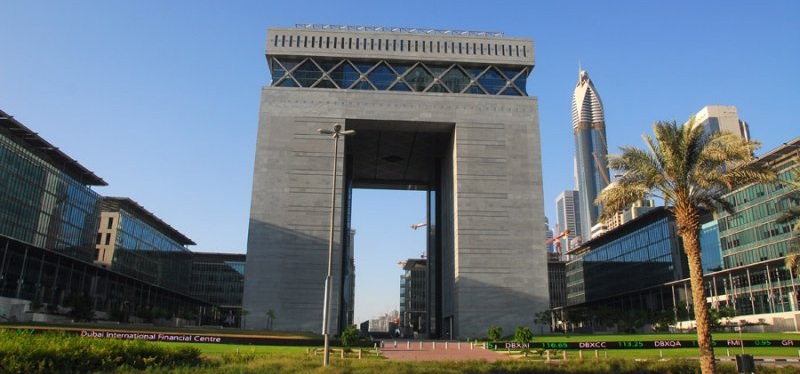
Although not as buoyant as the tourism sector, there was a snippet of good news this week for commercial real estate as rents have appeared to stabilise despite there still being a 40% vacancy rate. It is astounding that the available space this year will increase by a further 16% (10 million sq ft) to over 70 million sq ft. As is the case with any real estate, there will be pockets where returns will be higher. For example, DIFC sees rates of US$ 70 per sq ft whereas JLT has rents as low as US$ 10 per sq ft.

Further positive signs from Dubai-based Habtoor Leighton Group came with the announcement that it had been awarded a US$ 150 million contract in Saudi Arabia which will boost the company’s order book to well over US$ 4 billion. This is an indicator of how well the construction sector has recovered from the 2008 melt-down.

The end of April inevitably sees companies announcing their Q1 results. It was pleasing to note that Dubai’s largest bank, Emirates NBD, beat market analysts’ expectations with a US$ 175 million profit – more than tripling its 2011 Q4 return. The emirate’s second largest lender, Mashreq bank, also saw an increase in Q1 earnings to US$ 74 million.

As of Wednesday this week, the Dubai Financial Market was up 22 points to 1660 from last week’s close. With summer fast approaching, the market may remain range-bound in the 1600s for the immediate future.

Further afield, a Q1 2012 estimate of UK economic growth (or rather the lack of it), sees a 0.2% contraction with the country having its first double dip recession in nearly forty years. This comes hard on the heels of a 0.3% decline in the GDP in the previous quarter.

Although not as severe as the 2008 recession, when there were five quarters of decline, the current eurozone problems may well exacerbate what should be a shallow dip. Political crises in France, Belgium and Holland, allied with the economic malaise of most southern European countries, do not help the country as it prepares for the Queen’s diamond jubilee celebrations and the Olympic Games.

These European problems, along with on-going regional tensions, will have repercussions for Dubai. What impact they will have on the emirate remains to be seen but we are unlikely to witness a summer of discontent that could enflame parts of Europe.

Posted in Finance | Leave a comment

Cool wind in my hair

The Eagles flew into Dubai last week for probably the biggest concert the emirate has witnessed.  A memorable Thursday saw a sandstorm (that nearly caused the concert’s cancellation), some rain, a perfect evening and great music for the 20,000 + devotees. A master class from Glenn Frey and his cohorts.

A welcome move by HH Sheikh Mohammed bin Rashid Al Maktoum is his initiative for Smart Learning in all the country’s schools aiming to provide every pupil with a tablet PC and high speed 4G networks. This will be implemented over the next five years and will cost around US$ 300 million.

Meanwhile it is reported that Emirates Airline has not ruled out the future purchase of foreign carriers with its Chairman, Sheikh Ahmed bin Saeed Al Maktoum, quoted as saying “if they (such opportunities) fit the Dubai business model.  .   .  if it is at the right price, we are always interested”.

As Emirates flies daily to Rio, Sao Paulo and Buenos Aires, Dubai tourism chiefs are now expecting a knock-on effect with an increasing number of visitors from South America. Undoubtedly, the region has a huge potential for growth and will help offset any reduction in European visitors as a result of the Eurozone crisis.

The fledgling airline, flydubai, has confounded its critics once again when its CEO, Ghaith Al Ghaith, indicated that the airline would make a profit in only its third year of operations. This will happen despite the increase in oil prices and other regional problems arising from the Arab Spring.

Dubai, along with London, has been surveyed as the most attractive international market for the world’s leading retailers. In the past five years alone, over 1.2 million square metres of retail space have been created and the fact that it  surpasses the likes of Paris, New York and Hong Kong speaks volumes for the way Dubai has gone about its business.

Despite the global economic malaise, the UAE saw a 13% increase to over US$ 10 billion in FDI projects in 2011. This is a sure sign that investor confidence is fast returning to the local market.

Another positive indicator came with the news that the value of Dubai’s Q1 exports and re-exports rose by 7.8% to over US$ 17 billion. Furthermore annual exports rose by 44% to US$ 27 billion, imports by 21% to US$ 120 billion and re-exports by 18% to US$ 44 billion. This impressive growth reflects the importance of trade to Dubai’s economic revival. With trade growing 22% last year, to a record US$ 300 billion, it further enhances Dubai as one of the leading trading centres in the world.

It will come as a surprise to many residents to discover that Dubai Silicon Oasis is home to over 30,000 souls with plans to eventually accommodate 160,000 residents. 2011 saw the technology park record a 134% hike in profits whilst ending the year with an asset base of over US$ 2 billion.

These positive signs go a long way to boosting investor confidence and the fact that food prices are beginning to fall across the board will help lift the emirate’s spirits even further. Government action, in tightening controls on both suppliers and retailers, and the recent introduction of an on-line price monitoring system, have seen a 15% reduction in the price of a basket of basic foods.

On the week, the Dubai Financial Market saw a 49 point fall to close at 1638 – down some 3%. The Q1 bull run that saw the Index rise some 24% from 1341 has run out of steam and may even be the start of a jittery Q2.

The immediate economic concerns are the factors beyond Dubai’s shores. The further deterioration in the euro debt crisis and the worsening of geopolitical uncertainty will have serious negative ramifications for Dubai. How the situation pans out with Iran remains another potential headache as does the Syrian problem. (How does the UN think that six unarmed monitors can start to resolve this crisis?)

Spanish banks’ bad loans have now jumped to nearly US$ 190 billion or 8.2% of the total loans – surely another nail in their economic coffin. A further 7.2% fall in Q1 house prices and an expected rise in already unacceptably high unemployment levels point to a massive recession and an inability to meet agreed fiscal targets. It can only be a matter of time before we see a breakup of the eurozone – and the repercussions of that happening will be immense. This time the eurocrats have indeed “taken it to the limit”.

Posted in Finance | Tagged , , , , , , , , , | Leave a comment

Here Comes the Sun

With temperatures edging towards the 40 degree mark, there is no doubt that summer is on its way and DEWA can look forward to increased revenues!

As the mercury climbs and the days get longer, the authorities may even consider day light saving so that we get an extra hour of daylight in the evening. The effect this will have on the Dubai economy could be significant as well as having a beneficial impact for both residents and the hoard of tourists.

The increasing number of visitors indicates a 10% growth on the previous year will be undoubtedly bettered in 2012. Diverse factors driving this forward include the Arab Spring unrest, which has diverted travellers to Dubai from regional troubled spots, more Indian and Chinese venturing overseas and the expansion of the Emirates network.

With Emirates flying high, it comes as no surprise to see that Dubai Duty Free has recorded a 14% quarterly increase in its sales to almost US$ 400 million. In order to expand its Dubai International Airport facility even further, the world’s largest airport retailer is looking at a US$ 1 billion loan facility with any new loan being backed by its future earnings.

At the same time, news that DIC has managed to restructure a US$ 2.5 billion loan with its creditors. 85% of this amount will be repaid over five years whilst the remaining 15% balance will be settled within three years. This investment arm of Dubai Holding still has a raft of assets in the USA, Germany and UK, where it owns the Travelodge chain of hotels.

This comes on the news that the cost of insuring Dubai’s debt continues to plummet as investors becoming more bullish about the emirate’s ability to service its outstanding loans. This optimism is reflected in the fact that its 5-year credit default swaps have dropped 25% to 340 basis points over the past nine months.

Those doubting that the Dubai economy is on the up just have to witness what is happening in both the construction industry and the car market. A phenomenal US$ 75 billion worth of projects is set to be awarded over the next five years in the UAE – more than the combined estimate of Kuwait, Bahrain, Qatar and Oman. Automobile sales in the UAE are on track to equal the record heights attained in 2008 when over 320,000 units were sold with the latest quarterly sales very similar to those of Q1 2008.

Other news this week concerned the country’s oil production. It does not take a Rhodes Scholar to calculate that with the oil price at US$ 100 and daily production of 2.8 million barrels, the country’s annual oil revenue is well over US$ 100 billion. On first glance, this looks a healthy figure to run a country. However, some analysts feel that the UAE will require oil prices in excess of US$ 90 to balance the country’s current budget requirements (compared to US$ 75 for Saudi Arabia and Kuwait). US$ 30 was the break-even figure in 2007.

A recent report shows that UAE banks’ profitability is at their highest level since the halcyon days of 2005 – and this despite a 4% increase in loan provisions and an 11% hike in operating expenses. A pity that customer service continues to annoy many customers!

It comes as no surprise to discover that the country’s radio stations account for just over 3% of the total advertising spend in the country (US$ 50 million). This compares to say 10% in the more mature European markets. Maybe an overall improvement in the quality of programmes would encourage more usage of this media.

The ongoing euro zone crisis continues to take its toll with two of the world’s bigger economies taking a battering. Spain’s industrial output fell again for the sixth straight month whilst Italy has been forced to slash its original 2012 growth forecast with a 1.3% contraction now expected.

Further indicators of stress in the bond markets saw Italy’s one year borrowing costs more than double in a month whilst Spain’s yield on its 10-year bonds still hovers around the 6% mark.

Meanwhile the Dubai Financial Market saw a 1% weekly rise from 1648 to 1679 and a 23% hike for the calendar year when it opened at 1341.

The jittery global markets are a portent of economic clouds on the horizon. However, here comes the sun to Dubai and we look set to weather the conditions better than most other places in the world.

Posted in Categorized | Tagged , , , , , , , , , , , | Leave a comment

Trains and Boats and Planes

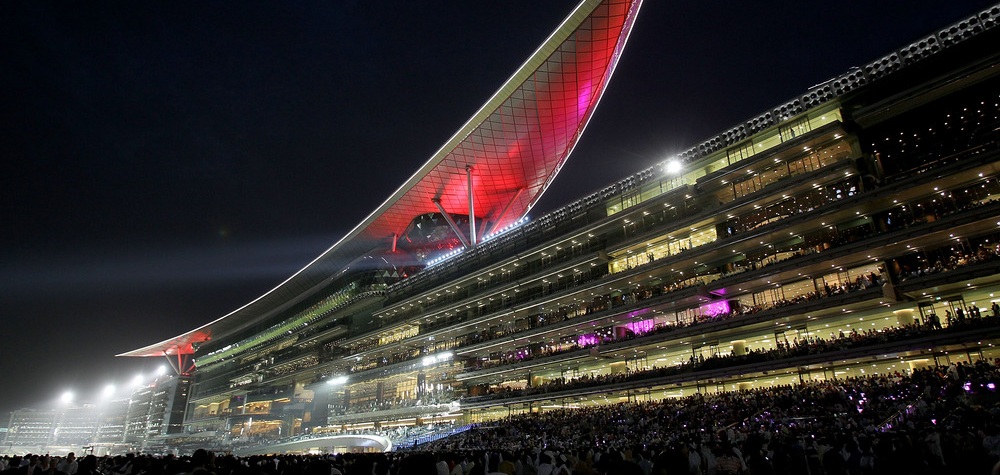
Last Saturday saw the running of the 17th (and probably best) Dubai World Cup and, to the delight of many,  two of HH Sheikh Mohammed Rashid Al Maktoum’s 5 year olds, Monterosso and Capponi, romped home one and two in the world’s richest horse race.

The US$10 million race was sponsored by Emirates Airline, which is hoping to become the largest airline in the world by 2015. Few will be surprised. As part of their strategy to achieve this target, the airline announced a major branding and marketing campaign. Their strap line for the past ten years – “Keep Discovering” – is being replaced by “Hello Tomorrow”. However, how long this lasts remains to be seen.

Although the Dubai airline continues to be the main driver in the emirate’s economic upturn, the cruise industry is also becoming a major player. Only ten year ago, the annual passenger rate was 7,000 arriving at Port Rashid. This number has now reached almost 400,000 with an estimate that this market will increase by a further 50% over the next three years. This can only be good news for the local economy.

Whilst on the topic of shipping, Dubai World’s shipbuilding unit filed for insolvency protection this week in its aim to finalise its US$ 2.2 billion restructuring proposal. Although it had the support of most of its creditors, it seems that this action was taken because a minority – mainly from hedge funds – have decided to hold out for reasons best known to themselves.

Dubai Metro – which may have cost in excess of US$ 7 billion to build – is on the fast track to financial viability and is expected to break even by 2017. Some have estimated that the metro and the improved bus service may have saved Dubai up to US$ 1.3 billion a year in terms of time wasted.  Over the past five years, the number of passengers using public transport has jumped from 91 million to almost 200 million.

An interesting aspect of the Metro (but not unforeseen) is that the Roads and Transport Authority (RTA) have noted the positive impact on the value of properties in the vicinity of Metro stations, which have seen hikes as much as 34%.

It comes as no surprise that real estate again dominated the local business news. Statistics from the Dubai Land Department show a 20% increase in the number of transactions (over 35,000) taking place in 2011 with a total value of US$ 39 billion.  Indians and Brits continue to dominate the market and 75% of transactions were for apartments accounting for US$ 11.7 billion in value. At the higher end of the market there have been significant price increases that go to show that Dubai is alive and well again.

Most people associate Dubai with gold as it accounts for almost 20% of physical global trades, with India – at 950 tonnes – its biggest customer. It may come as a surprise then to see that the “City of Gold” is rapidly becoming a major centre for diamonds. Last year, it is estimated that it traded in US$ 40 billion of “a girl’s best friend”. Undoubtedly, the local industry has obviously benefited from its location, as a transport and logistics hub, and the fact that trade is largely tax free.

One place where you can buy diamonds is Dubai Mall which last year attracted more than 54 million visitors to become the most visited shopping and leisure outlet in the universe surpassing the likes of New York’s Times Square (39 million), and Niagara Falls (22 million). Not a bad effort for an emirate with a population which in December 2011 finally topped 2 million.

On the financial side, Lloyds TSB’s 35-year association with the area finally came to an end with HSBC agreeing to buy their consumer and corporate banking businesses for an estimated US$ 800 million. (One can only wish that customer service improves!) This comes after the sale of RBS’s retail banking business to ADCB in 2010. Both British banks had received massive UK government aid during the banking crisis.

Also this week, the Dubai Financial Market saw an almost 3% rise from 1648 to 1687 and continues to show a healthy 26% hike for the calendar year when it opened at 1341.

The Eurozone problems are far from over. Greece government bond yields are still at a staggering 21% whilst Portugal (11.13%) and Hungary (9.06%) are causing increased concern.  The immediate problem has moved to Spain where unemployment rates of 25% and a severe government austerity package will lead to increased social unrest and economic malaise. It may well be that this economic crisis will become the catalyst for a summer of discontent throughout many parts of Europe.

Every week it seems that the UN continues its dithering in trying to bring some sort of peace to Syria. Their efforts, to date, have apparently failed miserably with the result that the situation there continues to deteriorate by the day.

Sanctions are beginning to take effect in Iran but for the region to prosper there has to be a permanent settlement encompassing all stakeholders.

All three of these problem areas could have a negative impact on the Dubai economy with trade being hit, inbound investment falling, tourist numbers dropping and less people flying. Unfortunately, there is not much the emirate can do in these circumstances.

Posted in Finance | Tagged , , , , , , , , , , , , | 1 Comment

A Day At The Races

After ten days of Shamal, a sunnier and brighter Dubai is now bracing itself for the big day on Saturday – the Dubai World Cup. This horse racing extravaganza, with total prize money heading towards US$ 30 million, will reach up to 1 billion global viewers and once again show the world what Dubai has to offer.

Previously unavailable to the dilettante here have been an opera house and a major museum but the times are changing with the announcement this week that the emirate is going to establish a cultural district in Downtown Dubai. It will house an opera house, a modern art museum, galleries and design studios as well as two art hotels.

On the finance side, it has been reported that DP World is set to repay US$ 3 billion off its revolving credit facility. Interestingly this was six months earlier than its October maturity and has trimmed its total long-term debt to just under US$ 5 billion. Reports indicate a bright future as growth returns to much of its extensive portfolio, including sixty terminals around the world as well as the London Gateway development due for opening in 2013.

Another sign of improving times is that yields on government-related bonds continue to plummet with the 7.75% US$ 750 million 2020 note falling to its lowest ever level at 6.21% and the 2021 5.591% bond dropping to 5.22%.  Furthermore Emirates NBD reported that its recently-issued five-year bond (4.625%) was three times over-subscribed.

Dubai has already indicated that it will not require to raise any further money on the international markets this year but may look at refinancing options for the US$ 1 billion DIFC Islamic bond maturing in June and the US$ 2 billion sukuk for JAFZA later in the year.

As Dubai tries further to increase its competiveness and to assist new companies in establishing new businesses with the minimum of fuss, the Department for Economic Development is planning to introduce a 120-day hassle free trade licence. Whether this initiative will facilitate business and simplify setting up procedures remains to be seen.

However this can only help Dubai in its quest to maintain it being the leading financial centre in the region. A recent study places Dubai 29th (out of a total of 80) in a global listing of economic hubs, based on factors such as infrastructure, market access and competitiveness.

Yet another survey out this week shows Dubai to be the world’s 12th most expensive city with average office rents at almost US$ 80 per sq mt. Not surprisingly, Hong Kong, London and Tokyo accounted for the top three positions whilst the Australian cities of Sydney and Perth made the top ten.

There are signs that Dubai retail rents are almost back to their pre-2009 levels. The two driving factors to this strong growth are the rising number of tourists and the increased consumer confidence of local residents, spending more of their disposable income than they have been doing in the recent past.

MAF Holding, the Dubai-based mall operator, had occupancy rates at nearly 99% last year with an average lease length nearing 8 years. The consolidated group has a total retail space of nearly 1 million sq mt and net fixed assets of almost US$ 8 billion with a total revenue in excess of US$ 5 billion.

The danger signs to continuing growth would be a slowdown in the global economy (which would have a negative impact on incoming visitors and a cutback in the discretionary spending of local residents) and an over-supply of available retail space. At a macro level, extended declines in the Chinese growth rates, further problems as a result of the Arab Spring and other localised unrest and the on-going Iran problem would be major causes for concern.

Compared to most airlines, Emirates is still riding high but even they are having problems especially with the A380 wing cracks and the high fuel price which accounts for up to a staggering 45% of the airline’s costs. The continued grounding of some of their 21 Airbus superjumbos has lost Emirates estimated revenue of US$ 90 million (or, as reported, US$ 50,000 for every hour a plane is out of action) plus the staff costs and other expenditure placating disappointed passengers. With another 70 on order, one can only hope that a permanent solution is found quickly.

The fragile state of the aviation sector was made clear this week as IATA downgraded its 2012 outlook by forecasting that profits at US$ 3.5 billion will be 56% down on last year’s return of US$ 7.9 billion. But if fuel prices continue to escalate (having already risen 12% in the past three months), the outlook may become even more depressing.

In contrast, the Dubai Financial Market is flying ahead and so far this year it has proved to be one of the best performing markets in the world with a 24% return.

Those who have not invested in the DFM could look at the following horses in the Emirates World Cup – Silver Pond, Smart Falcon and So You Think. Good Luck!

Posted in Finance | Tagged , , , , , , , , , , , , | Leave a comment

The Only Way is Up

Just when you thought there were enough Brits in this emirate, the Dubai government is launching a US$ 1.5 million marketing campaign to encourage even more to visit. The UK used to be the biggest feeder for the local tourism industry but has recently been surpassed by both Saudi Arabia and India. Despite a 10% drop in UK arrivals – down to about 650,000 last year – a staggering 9.3 million visitors still arrived in Dubai. Good news for the hotels which saw their Revenue jump 20% to an estimated US$ 4.4 billion.

A knock-on effect of this is that Emirates, now the biggest international carrier globally, continues to expand its operations so much so that the group  has recently announced that it will be adding a further 10,000 staff to its existing payroll of 60,000. This increase in its business has another welcome benefit as the airline’s bond yield continues to fall to record lows.

This rebound should go a long way in helping credit market confidence improve, particularly as within three months, the DIFC must repay a US$ 1.25 billion Islamic bond.

Even better news for Dubai real estate!  Mortgage lenders saw business jump nearly 60% last year whilst property transactions rose 12% to over US$ 23 billion. In addition, Q4 home sales saw a 65% gain over Q3. It seems that banks and other financial institutions have started cutting lending rates and are actively searching for new customers – a welcome change from the moribund state this sector has recently exhibited.

Initially most of the mortgage lending was carried out by Amlak and Tamweel and when the inevitable crash came in 2008, both entities hit the skids and their share trading was suspended. Since then, we have seen Tamweel being taken over by Dubai Islamic Bank in 2010 and now the government has cut Amlak’s debt by US$ 1.1 billion.

This week, the Dubai Financial Market continues its “correction phase” with the market 22 points lower at 1660.  Although down on the week it is still showing a healthy 20%+ hike already this year.

Talking about stock exchanges, the federal government is currently considering the viability of the Abu Dhabi and Dubai bourses merging their activities. To a layman, this looks a logical move and would prove beneficial for all stakeholders.

Of course, a global slowdown in trade will impinge on Dubai’s economy. Factors, such as the high oil price (currently around the US$ 106 mark) and a worsening of the euro-debt crisis, will inevitably reduce both the number of tourists coming here and a slowdown in air passenger numbers.

With the oil price set to hover above the US$ 100 a barrel mark for the foreseeable future, it is interesting to note the prices at the pump in different countries.  Rumblings continue that Dubai prices are relatively high at US$ 0.47 per litre when compared to other Gulf countries – Saudi Arabia (US$ 0.11), and Kuwait (US$ 0.20). However they pale into significance when looking at say UK (US$ 2.11) and Norway (US$ 2.58) but then a lot of people can have a whinge when in Venezuela, 1 litre will knock you back just over US$ 0.02!

Up the Gulf coast, news that the Bahraini investment bank, Arcapita, has filed for bankruptcy protection (Chapter 11) in the US following a breakdown in creditor talks over a US$ 1 billion debt. This could have repercussions for the Gulf region as European banks are becoming increasingly reluctant to lend as they need to shore up their own capital bases to meet the European challenges.

Continued sabre-rattling over Iran continues to dog the region and the increased sanctions recently imposed are beginning to affect trade. The latest blow came with the announcement that 44 Iranian financial institutions were blocked from using SWIFT, the messaging system which links many of the global banks. When one considers that Iran made over two million “SWIFT” payments in 2010, it is not difficult to see that their banking lifeline is being cut drastically. Consequently, the negative impact on bi-lateral trade with Dubai will be considerable.

And to conclude – no surprise to see the dearth of any positive moves in settling the Syrian crisis. Once again, the UN appears to be as useful as a chocolate teapot!

Posted in Finance | Tagged , , , , , , , , , , , | Leave a comment

Glory Days

There are several news items confirming that Dubai is striving to return to its former glory. First, the STR Global Report places Dubai hotels number 1 in the world when it comes to occupancy (86.2%) and Revenue per Room (RevPar) and second only to Paris in relation to Average Room Rate (US$ 270). There again many of us already knew that the French capital is way overpriced.

Furthermore 9.3 million tourists visited Dubai in 2011 – a 10% increase on the previous year. Hoteliers were happy to see their Revenues jump 20%.

Many of these tourists would have had the pleasure of flying in with Emirates and the boost in this sector is part of the reason that regional air traffic jumped almost 15% in January. The IATA report also confirmed this to be the fastest growth rate of any area in the world.

It was also reported that the airline’s bond yield has fallen to a record low already this year and now hovers around the 4.4% mark. Similarly the debt default risk for Dubai has continued to fall with the yield on the government’s 6.7% debt now around 5%.

Further evidence – if it were needed – that residential real estate was on the up came with the news that house prices rose a further 2.3% in Q4 2011. According to a report from Knight Frank, Dubai currently stands at number 12 globally in terms of house price appreciation.

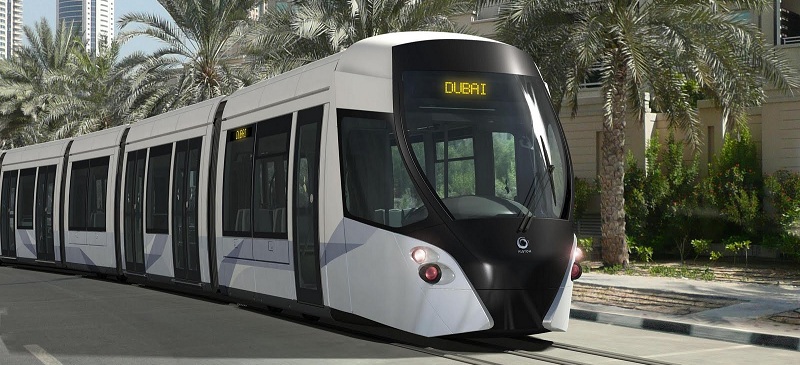
With the US$ 1 billion Al Sufouh tram project back on track, further confirmation that the RTA is planning to spend US$ 12 billion on infrastructure including adding a further 500 kilometres to the public transport network.

One of its major headaches will be to ensure that the different transport modes – rail, tram, monorail, abras etc – all connect without the need to walk – especially during the summer heat.

As a sign that Nakheel is back in business, the company is planning to double the size of its two major retail centres – Ibn Batuta Mall and Dragon Mart. The former – recognised as the largest theme mall in the world – already covers 320k square metres whilst the Chinese-centric facility will see an additional 160 square metres added to its current size.

Retail space has evidently increased 60% since 2005 and one would imagine that a temporary saturation point would be reached soon. But there again this is Dubai!

As Dubai continues to improve its energy efficiency, DEWA announced this week that it plans to issue bids in Q3 for the first phase of its US$ 3.3 billion solar park that will generate 1,000 megawatts of power when on-line.

It seems that banks everywhere are trying to cut costs by reducing staff numbers. For example, in the UK, RBS have just announced a culling of 5,000 workers whilst there are unconfirmed reports that here Emirates NBD is planning to lay off 15% of their workforce. Whilst unfortunate for those losing their jobs, we can only hope that this sends a message to the remaining bank employees that it is their customers who pay them and it is their customers who, by and large, are unhappy with their woeful – and often non-existent service. This is a major problem not only peculiar to Dubai.

No wonder then that the Central Bank is looking at consolidating its consumer protection unit, responsible for handling stakeholders’ grievances about the country’s financial institutions. It has to be a win win situation if levels of services were improved and banks started to look after their customers with fairer rates and charges on its credit cards, mortgages and personal loans.

This week the Dubai Financial Market did regain most of the losses incurred a week earlier with the Index currently standing at 1682 – or about 24% up since the beginning of the year. There is obviously some under-valued stock around but any trading should be carried out with some caution in such a volatile arena.

Although not unexpected, but still unwelcome for Dubai traders, is the fact that the Iranian rial has fallen about 50% against the dirham in black market trading since November 2011. This in turn makes Dubai exports more expensive and the problem is further exacerbated by the fact that trade finance has almost dried up. Tough US, UN and EU sanctions are having their impact not only in Iran but also in Dubai where some exporters are still owed money from their Iranian customers.

This week has seen Greece receive a temporary reprieve from its economic woes but it can only be a matter of time before the inevitable conclusion. Is it only the politicians who cannot see that good money should never follow bad money?

Finally what evidence does the UN require before we see positive action in Syria? What is happening there beggars belief and there are some people – not only in that country – that will have their day of judgement.

Posted in Categorized | Tagged , , , , , , , , , , , | Leave a comment

Good Vibrations

Good news again for Dubai – this time from the aviation industry as Flydubai announces an 82% jump in their passenger numbers over the past year. With new routes opening up and a further 25% increase in its fleet this year, there is no doubt that in another twelve months, we will be witnessing more impressive growth from a carrier that has not yet been flying three years.

In addition, Emirates recently received Boeing’s 1000th 777 – not unexpected as they are their biggest customer for this model (helped by their last order in November 2011 totalling US$ 26 billion for 70 of these planes). Some tend to forget the impact of what this sort of trade has on the US economy! With its 122 destinations, the Dubai-based carrier is now the largest in the world in terms of international revenue passenger kilometres.

Another positive indicator is that the real estate market continues to improve. Official figures show the number of deals (448) in the first two months of 2012 was a massive 84% up on the 2011 equivalent. Furthermore the value of deals exceeded US$ 1 billion. These are sure signs that the market is becoming more stabilised.

Dubai has recently fallen 16 places in the EIU’s Worldwide Coast of Living Survey to 94th in the world. This is good news for its residents because it shows that the emirate is becoming more affordable, making Dubai a more competitive and attractive place for potential investors and incoming companies.

If you believe some pundits about the price of gold going through the stratosphere, you could do worse than purchasing some of UAE’s first gold coins which will be available to the general public later in the month.

As intimated in previous blogs, it is overseas events which will have a possible negative impact on Dubai’s drive forward. The never-ending Greek saga, the euro-zone debt crisis and on-going regional unrest are all contributors to a credit squeeze that has seen local banks constraining loans across the board. For instance, it has been reported that Mashreq Bank saw its loan portfolio drop by 8.5% to US$ 10 billion whilst Emirates Islamic Bank fell 11.3% to US$ 3.5 billion. Of all Dubai-based banks, only Dubai Islamic Bank did not experience a fall in its total assets.

As suggested in last week’s blog, the bull run on the Dubai Financial Market did stall with the Index 5% down at 1607. Despite this respite, the market is still almost 20% up since the beginning of the year.

The Sword of Damocles hangs over Greece as later today we will see whether investors have agreed to a 70% haircut on Euro 408 billion of government bonds. (That is some haircut!).  Otherwise the country may be returning to the drachma quicker than expected. Small wonder that Moody’s became the third credit rating agency to cut its sovereign debt rating to the lowest possible level of Ca.

Greece is not the only cause of the euro-zone crisis and its problems are only the tip of the European debt problem. There is little doubt that very low growth (and even recession) will be the order of the day for European countries. In turn there will be further spending cuts, massive austerity packages, higher unemployment and inevitably social unrest.

This will have a knock-on effect on China as demand from its single biggest customer begins to shrink. Then it will be very interesting to see the effect on the price of oil, natural resources etc.

Iranian tensions keep surfacing and again this is a problem that requires action and some form of closure. Without any resolution, it will continue to bring instability and tension for Dubai and the region

Finally, when will the powers-to-be (whoever they are) get off their backsides and do something about the unbelievable tragedy that continues unabated in Syria?

Posted in Finance | Tagged , , , , , , , , , , , , , , , | Leave a comment

It’s Getting Better All The Time

Just when the doomsayers were predicting the implosion of local real estate, it has been reported that over US$ 15 billion worth of construction contracts are to be awarded in the UAE in 2012 bringing the country’s total construction work-in-progress to a staggering US$1.25 trillion.

Also work on the stalled US$ 675 million Al Sufouh Tram project is to be resumed and the first phase will be a ten-kilometre link between Dubai Marina and Knowledge Village.

It was encouraging to see that Nakheel has announced its return to the market by launching several new projects including a destination mall on the Palm Jumeirah and expansion of the Dragon Mart. Following on from its restructuring – in both debt and ownership – latest figures show that its Revenue was over US$ 400 million in the six months to December.

Earlier in the week, the Dubai/Australian company, Habtoor Leighton Group was awarded a US$ 130 million contract for work on the Jewel of The Creek, part of a US$1 billion development, aimed at reinvigorating the Deira side of the iconic Dubai Creek.

The Nakheel / Australian link was in further  evidence with news that their former CEO, Ozzie Chris O’Donnell, has been awarded US$ 3.7 million in severance pay, following his departure from the company in June 2011. A pity for him to see the strength of the Australian dollar, currently trading at almost AED 4 if he wants to convert.

DP World, the global marine terminal operator, continues the Dubai good news story by announcing another record year. In 2011, it handled a staggering 54.7 million TEU (20 foot equivalent container units), more than 10% up on the 2010 results. UAE growth was an even more impressive 12% year on year increase handling 13 million TEU.

Then from sea to air even better news from Dubai International Airport. January witnessed a 14% rise in passenger numbers up to 4.85 million from 4.25 million a year earlier.

No wonder then that Dubai hotels continue with their impressive growth pattern into 2012. GCC demand continues unabated along with larger number of visitors also arriving from India and China.

HSBC announced its 2011 results showing that it made a profit of US$ 21.8 billion. The relative strength of the local economy can be seen from the fact that its profits were 15% up on last year whereas its Middle East Unit reported a massive 67% hike in its profits to US$ 1.4 billion.

Every cloud has a silver lining and there are indications that over 20% of deposit funds (about US$ 1.8 billion) have left Syrian banks. No doubt some of this money is now lodged here in Dubai.

The local Central Bank is to report this May and may recommend a major overhaul in retail banking. Don’t be surprised to see some much needed changes in regulations to credit cards, personal loans and mortgages – which could be in favour of the consumer. (If only they could do something about the woeful customer service found in many of the financial institutions!)

The Dubai Financial Market General Index continues to defy gravity and is now trading at 1698 –almost 25% up since the start of the calendar year when it stood at 1353. It must be time to reflect before the inevitable happens.

According to an IMF estimate, the country had a per capita income of US$48,597 in 2011, making its residents the sixth-richest in the world.

So when we make comparisons with other parts of the world, maybe life here is not as bad as some  overseas media try to have us believe.

Posted in Finance | Tagged , , , , , , , , , | 1 Comment

Happy Days are Still Here

The local economy has again been boosted by this week’s Gulfood Exhibition. With more than 80 countries represented and 3,800 exhibitors, the event is the biggest to date. Further good news for Dubai including its hotel sector.

According to a recently published 2011 report, Dubai hotels outperformed other markets in the Middle East with rises in their Revenue, Occupancies and Room Rates. It is interesting to see that the average RevPar (Revenue per Available Room) came in at US$ 174 whilst beach front properties showed an even higher return of US$ 255. The 2012 outlook is even brighter!

Dubai International Capital (DIC) bought Travelodge in 2006 for close on US$ 1 billion. The company has nearly 500 hotels located primarily in the UK, but also in Ireland and Spain. Despite a 16% jump in Revenue, in 2011, to over US$ 570 million and Profit rising 20% to around US$ 85 million, it has still been forced to replace an existing US$90 million medium term loan facility.

The Dubai Duty Free Tennis Championships also started this week with the WTA US$ 2 million extravaganza featuring six of the top ten lady players. The following week will see the men and the likes of Djokovic, Federer and Murray. Not only will this increase the demand on hotel rooms, it will give an unrivalled marketing opportunity as 400 million television viewers watch the action from Dubai.

Whilst on the subject of tennis, it was not unsurprising to see that Emirates Airlines has signed on as the title sponsor of the US Open tennis tournament. The deal – estimated at US$ 90 million – was for seven years and included nine other events leading up to the last grand slam event of the year. Furthermore Emirates becomes the event’s official airline.

Last financial year, Emirates Group posted Revenue returns of US$14.8 billion (and Net Profit of US$1.6 billion) and September 2011 half-yearly figures saw a year on year 15% hike to US$ 8.3 billion. In comparison,  the total 2011 revenues of Dubai Taxi Corporation showed a 22% year on year improvement to just under US$  0.29 billion. Last year, DTC drivers made over 62 million trips and carried 125 million passengers which slightly more than the 31 million passengers flying Emirates last year!

Sheikh Ahmad bin Saeed Al Maktoum is not only the Chairman of the Emirates Group but also holds the same position on the Dubai Supreme Fiscal Committee. At the recent Economic Outlook 2012 conference he confirmed that he expected Dubai’s GDP to grow by at least 4.5% this year well up on the 3% recorded in 2011. Last year, trade, logistics, transportation and tourism accounted for almost 60% of Dubai’s GDP. This is a pointer on how well the Dubai economy is holding up during the current economic malaise.

The Dubai Financial Market General Index continues to defy gravity and is now trading at 1596 – a mammoth15.93% up since the start of the calendar year.

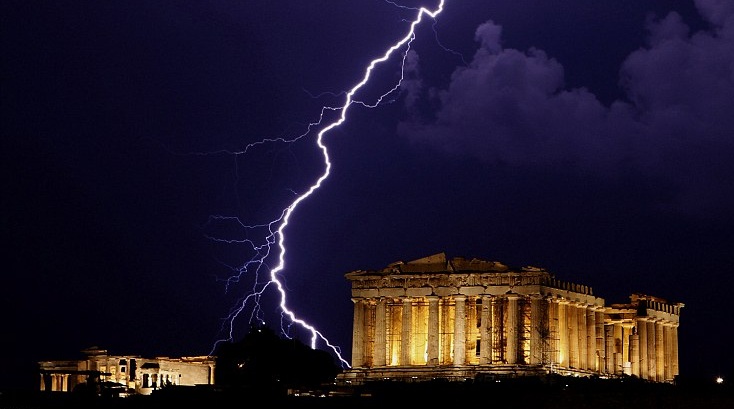
The Greek Tragedy continues despite agreement on a US$ 170 billion rescue deal for the embattled home of democracy which also received a private creditor debt write-off worth of around US$ 140 billion. It does not take a genius to see that this deal is dead in the water from the outset and only a matter of time before this tragedy turns to farce.

The Iran crisis continues with no end in sight and the possibility of future conflict has seen oil trading near its peaks of the past year. Currently Brent crude is trading at US$ 119 but don’t be surprised if oil does pass its all-time highs during the year.

Any further deterioration in either of these areas will have a negative impact on the global economy – including that of Dubai.

Posted in Finance | Tagged , , , , , , , , , , | Leave a comment