Back in the High Life Again

Just to prove that the economy is on the mend, the world’s most expensive reading glasses have gone on sale in Dubai. And what do you get for US$ 75k – hand-crafted glasses, made in the USA, that are 18 carat gold with a sapphire and a diamond (for show I expect). One does not need any glasses to see that oil has been a major contributor to this recovery.

Thanks to average 2011 crude prices of US$ 110 and daily production in the region of 2.6 million barrels, UAE has again positioned itself as the second largest Arab economy. This was reflected in the country’s GDP increasing by almost 21% to US$ 360 billion. A massive 50% increase in crude prices over the year saw the country earn a record US$ 112 billion (compared to US$ 75 billion in 2010). Even though the year saw a 23% jump in imports, its current account rose to US$ 33 billion – a threefold increase – and its sovereign wealth fund has estimated assets of US$ 600 billion.

Despite higher air fares because of the spike in fuel prices, local hotels have already recorded record figures for Q1. Tourist figures will be further heightened by over 400,000 cruise passengers this year with more than 100 cruise ship calls expected to berth at the emirate’s Port Rashid.

With the temperatures rising, preparations are well under way for the 15th Dubai Summer Surprises which will start on 14 June. It is amazing to consider that last year the festival brought in over four million visitors and added US$ 2.4 billion to the Dubai economy. With the holy month of Ramadan starting mid-July, there is hope that records will be broken again in 2012. And the knock-on effect for, inter alia, the hotels, Emirates and retail will be considerable.

Local SMEs – which account for about 90% of the UAE economy – have been given a potential boost by HSBC’s announcement that it will set aside US$ 270 million for business loans of which 30% will be earmarked for Emirati-owned entities. This may help offset earlier news that this bank’s lending in the region had shrunk by 1% whereas elsewhere in the world all their loan books had headed north. HSBC’s total lend to local SMEs is in the region of US$ 600 million. Undoubtedly the nurturing of this sector is of paramount importance as it will be the key driver of future economic growth.

Some experts have indicated that commercial fraud costs the UAE US$ 160 million a year with the usual suspects being auto spare parts, tobacco, medicines, cosmetics and electrical appliances. Much is being done by the relevant authorities to tackle this growing problem.

Despite having some of the best highways in the world, Dubai does have a problem with some of its motorists. Last year, it was estimated that road accidents cost the UAE economy an estimated US$ 4.6 billion along with a human cost of 720 deaths and 7,800 injuries. In 2011, there were over 1.3 million speeding violations of which more than half were caught by cameras on the Sheikh Zayed Highway. After cancer and heart attack, speeding is thought to be third highest cause of death here.

Whilst on the subject of traffic violations, an interesting anecdote from Saudi Arabia where a man there was trying to settle his fines at a payment machine. Having pressed the wrong numbers, he found that he had traffic fine details of the King. He was so impressed and surprised to see the ruler being fined that he actually paid the fines amounting to US$ 2,000!

The Dubai Financial Market could do with a little of Saudi largesse following another flat week that ended with a 10 point gain to close on 1480. Expect little change (at least upwards) for the second half of May as the shares will be range bound for the foreseeable future.

In a recent blog, it was considered that Facebook was somewhat overvalued and so it has proved. No doubt the shares will continue to fall even further than from their first week close of US$ 33 and once again prove that many an investor lose money from a combination of their greed and ignorance.

The continuing euro zone crisis has heightened concerns for Dubai-based entities to refinance debt as European lenders now have tougher requirements in relation to their own capital buffers. Falling oil prices and the fact that growth is slowing down appreciably in countries such as China and India are areas of concern that will impact on the local economy here.

Posted in Finance | Tagged , , , , , , , | 1 Comment

We’re All Going to the Zoo Tomorrow

Good news – at least for the animals in the over-crowded Jumeirah zoo, with reports that they will be shortly relocated to a 400 hectares redevelopment in Al Warqa’a. Furthermore, the new complex will include golf courses, along with entertainment and recreational areas. The move is long overdue and this ambitious project, costing US$ 40 million, will add another attraction for both Dubai’s residents and the ever increasing number of visitors.

Dubai Municipality have also announced two other major projects – the completion of the Business Bay canal, linking it with the sea, and the expansion of the iconic Creek.

The Business Bay Project – costing US$ 50 million – will see the canal connected to the sea by a three kilometre pipeline and this will be followed by completion of the canal waterway connecting all the existing lagoons. The end product is bound to be something special!

The Dhow Wharfage Development will add an extra three kilometres to the Creek which will allow 450 dhows to berth, with thirty loading areas covering an area of 90,000 square metres. Existing capacity will be increased by 50% as well as allowing bigger vessels to anchor.

Another indicator that Dubai’s fortune is on the up is that real estate prices are edging toward levels last seen in early 2008 and that a further 28,000 units will become available this year.  Dubailand (4,400 units), Jumeirah Park (4,200), Jumeirah Village (3,900) and Dubai Marina (3,100) will be the main contributors to adding to the emirate’s residential stock.

It is interesting to note that in Q1, Dubai-based banks saw a profit decline whilst their Abu Dhabi equivalents saw record profit growth over the same period. One of the main reasons for this blip related to increased provisions for bad loans. (How much more potential bad loans in their books still remains to be seen).

Emirates NBD saw profits fall 55% to US$ 175 million, whilst DIB’s profit was down 10% to US$ 60 million and DCB fell 8% to US$ 66 million. Reports indicate a 4% drop in Q1 profits to a total of US$ 1.58 billion for the eighteen listed national banks.

HSBC, the biggest international bank here, saw a 0.8% quarterly shrinkage in its loan book to US$ 27.3 billion – whereas in all its other global regions, there were rises. This may be a pointer that growth is not as robust as it should be and the problem here is further exacerbated by other European lenders who have been forced to cut lending lines to the region under Basel III.

Despite this, current predictions are that Dubai’s GDP will expand at a faster rate than first forecast with some analysts now looking at a growth rate of up to 5% – much better than the 3% recorded in 2011. Not surprisingly, the strong showing in Dubai’s trade, tourism and travel sectors is receiving most of the plaudits. April saw Dubai’s CPI decline 0.3% month on month and 1.9% for the year whereas Abu Dhabi went the other way with 0.2% and 1.3% increases respectively.

Much of the football world has been focussed on Abu Dhabi as Manchester City, owned by Sheikh Mansour bin Zayed Al Nayahan, became the English Premier League champions this week. The moneys involved in the game, at this level, beggars belief. Consider this. When the EPL came into existence in 1991, the average wage in the UK was US$ 30,000 whilst the average pay for a premiership footballer was four times as much at just over US$ 120,000. Now the national average is US$ 51,000 but  EPL footballers now earn over US$ 1.85 million (or 36 times the national  average) – and that is just from their football income.

The Dubai Financial Market continues into negative territory shedding a further 1% when it ended the week on 1476 points compared to its Sunday opening of 1515. Despite another weekly fall, the market is still up nearly 13% this year.

Whilst on the subject of the DFM, Q1 losses for all the 49 listed brokerage firms amounted to US$ 2.7 million – a major improvement on the US$ 21 million shortfall in the same period last year, as traded  values improved from US$ 9.9 billion to US$ 15 billion this quarter.

Just as things go from bad to worse in Europe, the quarterly reporting season from Japan is just as depressing. Who would believe that the likes of Sony and Panasonic could have quarterly losses of US$ 3.2 billion and US$ 5.5 billion respectively? And what does it say about the sorry state of the once powerful Japanese economy?

Nearer home, the fall of the Indian currency indicates that all is not well there. Over the past ten weeks, the rupee has fallen 10% in value and now stands at 54.5 to the US$. Good news for the NRI community sending money home – but a problem for the Indian

The continuing economic tragedy – which is the eurozone – deteriorates by the day. From a Dubai perspective, this could be bad news if (and when) oil prices soften, global trade drops and the flow of European tourists dries up.

Posted in Finance | Tagged , , , , , , , , | Leave a comment

Right Here Right Now

The triple “Ts” of Travel, Trade and Tourism continue to be the main drivers helping Dubai in its recovery phase since the global meltdown of 2009 which left the emirate in such a parlous state.

Despite the record high fuel prices and global economic turmoil, the Emirates Group has just announced a US$ 629 million net profit for its year ending 31 March 2012. The year saw the airline’s revenue jump nearly 15% to US$ 17 billion but  because of the high fuel cost (reflected by a 44% annual increase to US$ 6.6 billion) their bottom line decreased by 72%. (But compare this to  IAG, the owners of BA and Iberia, who have had a Q1 2012 loss of US$ 340 million – up from a loss of US$ 60 million a year earlier)

Staff numbers rose by 10% to 63,000 and during the year, 22 new aircraft were delivered which helped in carrying an 8% increase in passenger load to 34 million. The airline is set to expand even faster when one considers that it has 230 aircraft on order costing in excess of over US$ 84 billion.

Better news this week came from the Department of Economic Development reporting a 27% quarterly year on year increase in the number of trade licences issued. In addition to the 4,300 new licences, a further 25,000 were renewed in Q1. There was a marked expansion in licensing activity in the tourism sector reflecting its spectacular growth.

A recent independent study carried out by the Emirates Competitiveness Council  has estimated that the time saved by government e-services has led to cost cutting of over US$ 40 billion in the past five years. This has resulted in the number of days required to import or export goods being halved to seven days at a cost of US$ 630 per container. This compares to high income OECD countries where it takes three days longer and at a 50% higher cost than Dubai.

The hospitality sector continues to confound its critics. The stellar performance of Dubai’s hotels sees March occupancy levels at nearly 90% and average room rates up 6% to an impressive US$ 280 level. Many experts expect this upward trend to continue throughout 2012 and beyond.

Another indicator that the good times have returned – the local Land Rover distributor, Al Tayer Motors, has been recognised as the highest selling dealership  for Range Rover models in the world. Furthermore their Q1 sales showed a 40% increase over the same period last year.

The housing sector, that saw up to 60% of its value wiped off during the 2009 financial crisis,  is now showing encouraging signs of improvement. Apart from recent capital appreciation, it is reported that rents have jumped by 15% over the past twelve months with further rises expected over the remaining part of the year. Good news for investors but not so good for tenants, many of whom see more than 30% of their income being expended on rent.

Arabtec, the Dubai-based building company, announced a quarterly increase in its revenue to US$ 350 million and a tripling of its net profit to US$ 23 million. In addition, they have just won a US$ 60 million contract from Aabar and they are part of a three-firm consortium that have been nominated as the preferred bidders for a US$ 3 billion contract for the new Abu Dhabi airport.  No wonder their shares are one of the best performing on the local stock market this year, having doubled already this year.

Another Dubai company, du, saw a massive 62% quarterly hike in its net profits to over US$ 90 million – and this after paying a 50% royalty payment. Its revenues over the same period rose over 20% to US$ 650 million and now has a customer base of over 5.5 million subscribers.

The Dubai Financial Market Index has been running out of steam of late and this week over 4% was wiped off the value of  stocks as it ended the week on 1515 after a Sunday opening level of 1582 points.

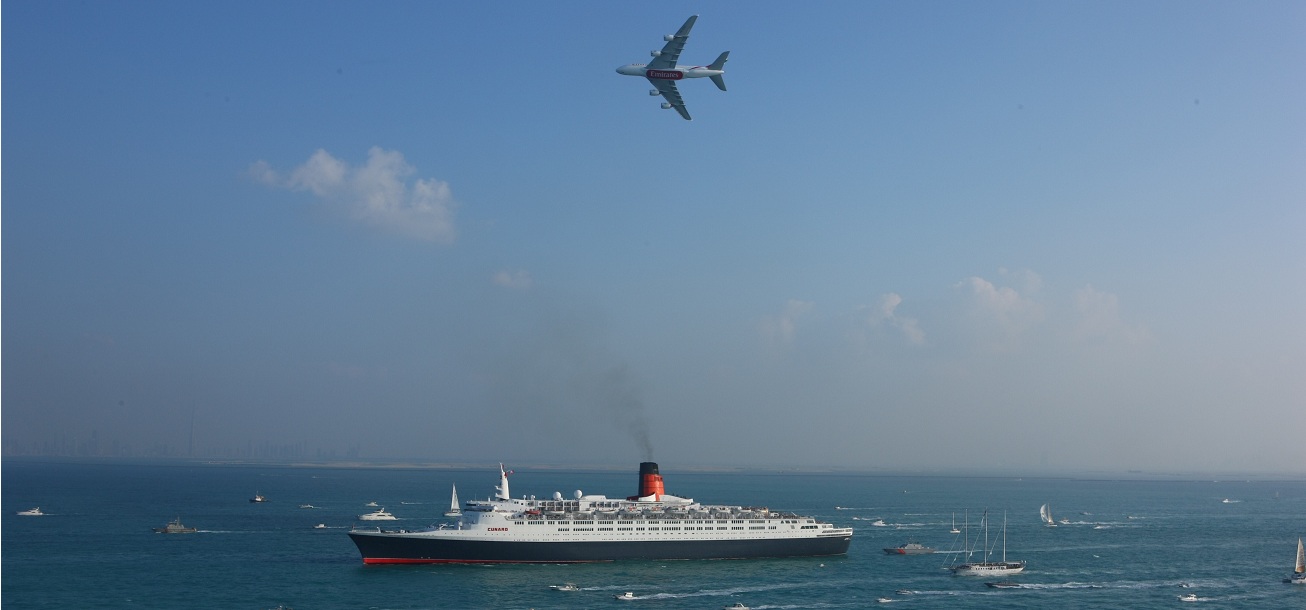
As summer rapidly approaches, it seems that Istithmar World – an investment arm of Dubai World – continues with its spring cleaning. Having bought Barneys for nearly US$ 950 million in 2007, it has now lost control of the company following a deal with its creditors which sees the American company’s long term debt reduce by US$ 500 million to US$ 50 million. Around the time of its buying spree, Istithmar bought the QE2 for US$ 100 million, 20% of Cirque Soleil, a majority share in the Mandarin New York for US$ 340 million and the W Hotel Union Square for nearly US$300 million among other trophy assets.

No surprise to discover that the local banks are growing at a slower rate than initially estimated largely as a result of a weakening in credit demand. Q1 lending of the top seven banks showed a nominal 0.6% rise to just over US$ 200 billion. This will have a detrimental impact on the banks’ revenue as a slowdown in 2012 economic growth and a squeeze on their margins take effect. This might also explain why the UAE bank benchmark rate, EIBOR, at 1.52%, is the highest of the GCC countries and well above say Saudi Arabia (0.90%) and Bahrain (0.73%).

USA’s largest bank, JP Morgan, has a problem with a London trader, known as “The Whale”, who has been involved in complex trading activity that has gone drastically wrong. The end result is an initial loss put at US$ 2 billion and one has to wonder if more losses will become apparent in the coming days. An embarrassment for  the bank that paid out US$ 5.6 billion as “compensation for its investment bankers” in 2011.

The eurozone crisis goes from bad to worse. France will probably show negative growth in Q1 when their figures are released next Tuesday. Weekly 10 year bond  bond rates have shown signs for much concern. Greece’s rate rose to 24.39% (from 21.08%) whilst other countries such as Hungary’s 9.06% (from 8.20%) and Spain’s 6.00% (from 5.35%) indicate that the markets see these as increasingly bad risk.

In comparison, Dubai is performing well and the feeling of consumer confidence is becoming more palpable. Dubai may have already taken its medicine and is fast on the road to economic recovery. 

Posted in Finance | Tagged , , , , , , , , , , , | Leave a comment

Déjà Vu

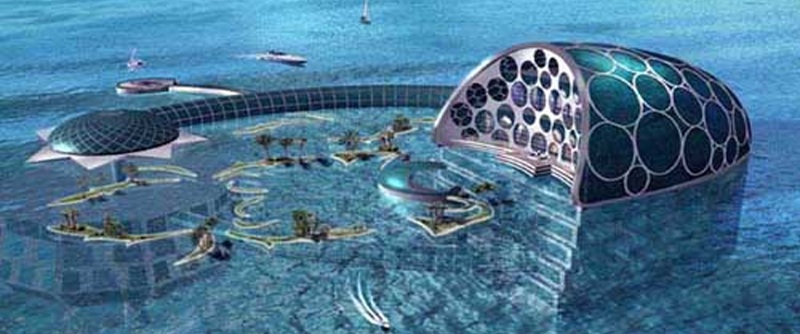
Those who remember the boom times will recall the plans then to build Hydropolis, the world’s first underwater hotel, off the Jumeirah coastline. The idea sank with the onset of the economic meltdown only now to resurface with the news that Dubai Drydocks World have signed an agreement with a Swiss-based company to build similar hotels in the future.

This week saw HH Sheikh Mohammad bin Rashid Al Maktoum inaugurate the 19th Arabian Travel Market. With over 25,000 visitors and 2,400 exhibitors, it has proved yet another bonanza week for the Dubai economy.

The importance of tourism to the Dubai economy cannot be over-emphasised as it now contributes 31% to the emirate’s GDP. This is set to increase in 2012 as the authorities are anticipating an impressive 10% growth which would bring the number of tourists to well over ten million. For the UAE as a whole, tourism brought in US$ 6 billion last year.

With a 9% quarterly growth in the number of hotel guests (and revenues up 24%, to US$ 1.5 billion, on the corresponding 2011 quarter), the hospitality industry continues to expand. It makes economic sense then for Istithmar World – a Dubai World subsidiary – to have announced that it has just spent US$ 250 million to buy out the 50% stake in the Atlantis Hotel from Kerzner International.

Good and bad news this week for the Dubai government’s coffers. Higher utility tariffs have seen DEWA save more than US$ 250 million as consumers paid higher rates in addition to a fuel surcharge. This halved the projected increase in the demand for natural gas and the money saved has reduced the cost to the Authority in providing electricity and water to its users.

On the other hand, it seems that petrol continues to be subsidised to the tune of US$ 1.5 billion as current federal legislation dictates that the Dubai-owned ENOC (and its subsidiary Eppco) have to sell petrol at subsidised prices (currently at US$0.46 per litre). Unlike Abu Dhabi, which has a plentiful supply of crude, Dubai has to buy from the international market and at prices of over US$ 100 per barrel, it is hurting!

Further signs that the local economic environment is improving came with the news that JAFZA is looking at repaying a US$ 2 billion sukuk, due in November, six months early. This is a welcome sign that Dubai’s creditworthiness continues to improve on the world stage.

On the local market, Emaar Properties announced a 44% increase in Q1 profits to US$ 170 million aided by increased property sales in Dubai and strong earnings from both its mall and hotel operations. The company has an asset base in excess of US$ 16 billion.

The Dubai Financial Market Index weakened over the week to close 70 points down at 1582 – perhaps indicating that the Q1 bear run is over for the summer. April saw its market capitalisation fall almost 1% to US$ 52.4 billion with a 40% drop in shares traded to 4.7 billion.

The eurozone debt crisis is spreading with the news that annual unemployment in Europe has jumped from 9.9% to 10.9% or 17.4 million people. No wonder that the stock markets were rattled. When you consider that Spain’s jobless rate at 24.1% is the highest in the developed world and that other countries such as Greece (21.7%), Portugal (15.3%) and Ireland (14.5%) are not that far behind, it seems that unemployment – rather than the initial debt problem – will be the tipping point for further strife on the continent.

With German unemployment levels at 2.9 million and rising quickly enough to cause concern, there are some analysts who would not be surprised to see this European giant fall into recession as well.

As countries sink further into the abyss, it seems strange that some politicians think that austerity is the solution whilst others consider borrowing even more money to be the answer. Either measure is doomed to fail.

Unfortunately for Dubai, it is not immune from the impact of these European problems and it has to shield itself as best it can from their negative impact. Whether it will succeed or not remains to be seen but we are in for a long hot summer.

Posted in Finance | Tagged , , , , , , , , , , , , , | Leave a comment

Achy Breaky Heart

Dubai has just hosted the four-day 2012 World Congress of Cardiology Scientific Sessions. This congress is a meeting place for the world’s leading cardiologists and other health-care professionals and brought in over 10,000 delegates from ninety-five countries. This is just the type of conference that Dubai thrives on and the knock-on effect for the airlines, hotels and retail segment is immense.

This conference comes as a timely reminder that 25% of deaths in the UAE are heart-related and that such cases are rising at an alarming rate, especially among the young. Its three main causes have been listed as hypertension, diabetes and obesity.

Whilst these problems have a long way to go before being solved, news this week that Dubai has plans to double the price of cigarettes later in the year. Surely such a hefty hike will see a substantial decline in the smoking habit and can only be good news when one considers that tobacco users are ten times more likely to contact lung cancer than non-smokers.

If only such a price hike could be rolled out to include certain fast foods and fizzy drinks. Then we might see a healthier, leaner and fitter emirate, together with less strain on the medical facilities here. Guess who are three of the main sponsors for the 2014 FIFA World Cup – hardly an advert for healthy living!

An indicator of investor confidence returning to the market came with the news that, after a three year hiatus, Dubai is planning a US$ 1.5 billion sukuk. It is hoped that this, in turn, will lead to lower borrowing costs for Dubai companies as the emirate continues its economic rebound. It is expected that the five-year securities will be priced in the region of 5%, with the ten-year bonds at 6.5%.

As a matter of interest, one report puts the current Dubai government’s direct debt at US$ 30 billion (or less than a third of the valuation of Facebook).

Next week will see Dubai host the annual four-day Arabian Travel Market (ATM) which will result in a massive cash injection for the emirate as 2,400 exhibitors, and an expected 50% increase in visitors, participate in the Middle East’s largest travel and tourism event.

A recent World Travel and Tourism Council report shows that travel and tourism will contribute a massive US$ 50 billion or 13.5% of the UAE’s GDP this year. In addition, the industry employs over 170,000. Little wonder that the government has, for some time, actively marketed this sector on the world stage and with obvious success.

There is little doubt that the 2008 boom days are fast returning to the Dubai hospitality sector. Following on the twelve new hotels being opened in 2011 (with 3,600 rooms), it is expected that 2012 will fare even better with eighteen new properties (6,600 rooms) due for completion. This year will see Dubai boast over 400 hotels (60,000 rooms) and almost 200 hotel apartments (22,000 flats).

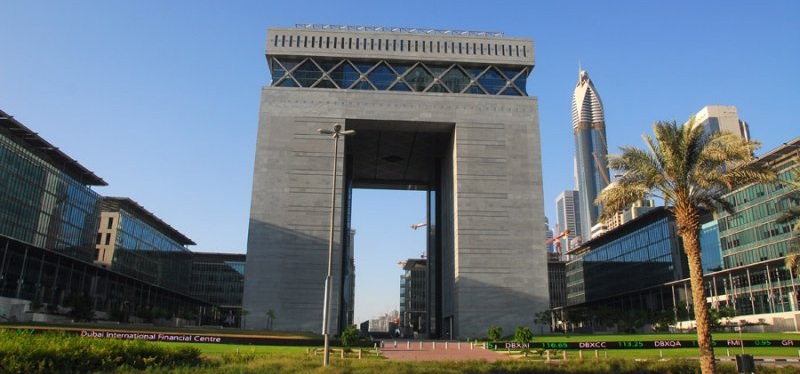
Although not as buoyant as the tourism sector, there was a snippet of good news this week for commercial real estate as rents have appeared to stabilise despite there still being a 40% vacancy rate. It is astounding that the available space this year will increase by a further 16% (10 million sq ft) to over 70 million sq ft. As is the case with any real estate, there will be pockets where returns will be higher. For example, DIFC sees rates of US$ 70 per sq ft whereas JLT has rents as low as US$ 10 per sq ft.

Further positive signs from Dubai-based Habtoor Leighton Group came with the announcement that it had been awarded a US$ 150 million contract in Saudi Arabia which will boost the company’s order book to well over US$ 4 billion. This is an indicator of how well the construction sector has recovered from the 2008 melt-down.

The end of April inevitably sees companies announcing their Q1 results. It was pleasing to note that Dubai’s largest bank, Emirates NBD, beat market analysts’ expectations with a US$ 175 million profit – more than tripling its 2011 Q4 return. The emirate’s second largest lender, Mashreq bank, also saw an increase in Q1 earnings to US$ 74 million.

As of Wednesday this week, the Dubai Financial Market was up 22 points to 1660 from last week’s close. With summer fast approaching, the market may remain range-bound in the 1600s for the immediate future.

Further afield, a Q1 2012 estimate of UK economic growth (or rather the lack of it), sees a 0.2% contraction with the country having its first double dip recession in nearly forty years. This comes hard on the heels of a 0.3% decline in the GDP in the previous quarter.

Although not as severe as the 2008 recession, when there were five quarters of decline, the current eurozone problems may well exacerbate what should be a shallow dip. Political crises in France, Belgium and Holland, allied with the economic malaise of most southern European countries, do not help the country as it prepares for the Queen’s diamond jubilee celebrations and the Olympic Games.

These European problems, along with on-going regional tensions, will have repercussions for Dubai. What impact they will have on the emirate remains to be seen but we are unlikely to witness a summer of discontent that could enflame parts of Europe.

Posted in Finance | Leave a comment

Cool wind in my hair

The Eagles flew into Dubai last week for probably the biggest concert the emirate has witnessed.  A memorable Thursday saw a sandstorm (that nearly caused the concert’s cancellation), some rain, a perfect evening and great music for the 20,000 + devotees. A master class from Glenn Frey and his cohorts.

A welcome move by HH Sheikh Mohammed bin Rashid Al Maktoum is his initiative for Smart Learning in all the country’s schools aiming to provide every pupil with a tablet PC and high speed 4G networks. This will be implemented over the next five years and will cost around US$ 300 million.

Meanwhile it is reported that Emirates Airline has not ruled out the future purchase of foreign carriers with its Chairman, Sheikh Ahmed bin Saeed Al Maktoum, quoted as saying “if they (such opportunities) fit the Dubai business model.  .   .  if it is at the right price, we are always interested”.

As Emirates flies daily to Rio, Sao Paulo and Buenos Aires, Dubai tourism chiefs are now expecting a knock-on effect with an increasing number of visitors from South America. Undoubtedly, the region has a huge potential for growth and will help offset any reduction in European visitors as a result of the Eurozone crisis.

The fledgling airline, flydubai, has confounded its critics once again when its CEO, Ghaith Al Ghaith, indicated that the airline would make a profit in only its third year of operations. This will happen despite the increase in oil prices and other regional problems arising from the Arab Spring.

Dubai, along with London, has been surveyed as the most attractive international market for the world’s leading retailers. In the past five years alone, over 1.2 million square metres of retail space have been created and the fact that it  surpasses the likes of Paris, New York and Hong Kong speaks volumes for the way Dubai has gone about its business.

Despite the global economic malaise, the UAE saw a 13% increase to over US$ 10 billion in FDI projects in 2011. This is a sure sign that investor confidence is fast returning to the local market.

Another positive indicator came with the news that the value of Dubai’s Q1 exports and re-exports rose by 7.8% to over US$ 17 billion. Furthermore annual exports rose by 44% to US$ 27 billion, imports by 21% to US$ 120 billion and re-exports by 18% to US$ 44 billion. This impressive growth reflects the importance of trade to Dubai’s economic revival. With trade growing 22% last year, to a record US$ 300 billion, it further enhances Dubai as one of the leading trading centres in the world.

It will come as a surprise to many residents to discover that Dubai Silicon Oasis is home to over 30,000 souls with plans to eventually accommodate 160,000 residents. 2011 saw the technology park record a 134% hike in profits whilst ending the year with an asset base of over US$ 2 billion.

These positive signs go a long way to boosting investor confidence and the fact that food prices are beginning to fall across the board will help lift the emirate’s spirits even further. Government action, in tightening controls on both suppliers and retailers, and the recent introduction of an on-line price monitoring system, have seen a 15% reduction in the price of a basket of basic foods.

On the week, the Dubai Financial Market saw a 49 point fall to close at 1638 – down some 3%. The Q1 bull run that saw the Index rise some 24% from 1341 has run out of steam and may even be the start of a jittery Q2.

The immediate economic concerns are the factors beyond Dubai’s shores. The further deterioration in the euro debt crisis and the worsening of geopolitical uncertainty will have serious negative ramifications for Dubai. How the situation pans out with Iran remains another potential headache as does the Syrian problem. (How does the UN think that six unarmed monitors can start to resolve this crisis?)

Spanish banks’ bad loans have now jumped to nearly US$ 190 billion or 8.2% of the total loans – surely another nail in their economic coffin. A further 7.2% fall in Q1 house prices and an expected rise in already unacceptably high unemployment levels point to a massive recession and an inability to meet agreed fiscal targets. It can only be a matter of time before we see a breakup of the eurozone – and the repercussions of that happening will be immense. This time the eurocrats have indeed “taken it to the limit”.

Posted in Finance | Tagged , , , , , , , , , | Leave a comment

Here Comes the Sun

With temperatures edging towards the 40 degree mark, there is no doubt that summer is on its way and DEWA can look forward to increased revenues!

As the mercury climbs and the days get longer, the authorities may even consider day light saving so that we get an extra hour of daylight in the evening. The effect this will have on the Dubai economy could be significant as well as having a beneficial impact for both residents and the hoard of tourists.

The increasing number of visitors indicates a 10% growth on the previous year will be undoubtedly bettered in 2012. Diverse factors driving this forward include the Arab Spring unrest, which has diverted travellers to Dubai from regional troubled spots, more Indian and Chinese venturing overseas and the expansion of the Emirates network.

With Emirates flying high, it comes as no surprise to see that Dubai Duty Free has recorded a 14% quarterly increase in its sales to almost US$ 400 million. In order to expand its Dubai International Airport facility even further, the world’s largest airport retailer is looking at a US$ 1 billion loan facility with any new loan being backed by its future earnings.

At the same time, news that DIC has managed to restructure a US$ 2.5 billion loan with its creditors. 85% of this amount will be repaid over five years whilst the remaining 15% balance will be settled within three years. This investment arm of Dubai Holding still has a raft of assets in the USA, Germany and UK, where it owns the Travelodge chain of hotels.

This comes on the news that the cost of insuring Dubai’s debt continues to plummet as investors becoming more bullish about the emirate’s ability to service its outstanding loans. This optimism is reflected in the fact that its 5-year credit default swaps have dropped 25% to 340 basis points over the past nine months.

Those doubting that the Dubai economy is on the up just have to witness what is happening in both the construction industry and the car market. A phenomenal US$ 75 billion worth of projects is set to be awarded over the next five years in the UAE – more than the combined estimate of Kuwait, Bahrain, Qatar and Oman. Automobile sales in the UAE are on track to equal the record heights attained in 2008 when over 320,000 units were sold with the latest quarterly sales very similar to those of Q1 2008.

Other news this week concerned the country’s oil production. It does not take a Rhodes Scholar to calculate that with the oil price at US$ 100 and daily production of 2.8 million barrels, the country’s annual oil revenue is well over US$ 100 billion. On first glance, this looks a healthy figure to run a country. However, some analysts feel that the UAE will require oil prices in excess of US$ 90 to balance the country’s current budget requirements (compared to US$ 75 for Saudi Arabia and Kuwait). US$ 30 was the break-even figure in 2007.

A recent report shows that UAE banks’ profitability is at their highest level since the halcyon days of 2005 – and this despite a 4% increase in loan provisions and an 11% hike in operating expenses. A pity that customer service continues to annoy many customers!

It comes as no surprise to discover that the country’s radio stations account for just over 3% of the total advertising spend in the country (US$ 50 million). This compares to say 10% in the more mature European markets. Maybe an overall improvement in the quality of programmes would encourage more usage of this media.

The ongoing euro zone crisis continues to take its toll with two of the world’s bigger economies taking a battering. Spain’s industrial output fell again for the sixth straight month whilst Italy has been forced to slash its original 2012 growth forecast with a 1.3% contraction now expected.

Further indicators of stress in the bond markets saw Italy’s one year borrowing costs more than double in a month whilst Spain’s yield on its 10-year bonds still hovers around the 6% mark.

Meanwhile the Dubai Financial Market saw a 1% weekly rise from 1648 to 1679 and a 23% hike for the calendar year when it opened at 1341.

The jittery global markets are a portent of economic clouds on the horizon. However, here comes the sun to Dubai and we look set to weather the conditions better than most other places in the world.

Posted in Categorized | Tagged , , , , , , , , , , , | Leave a comment

Trains and Boats and Planes

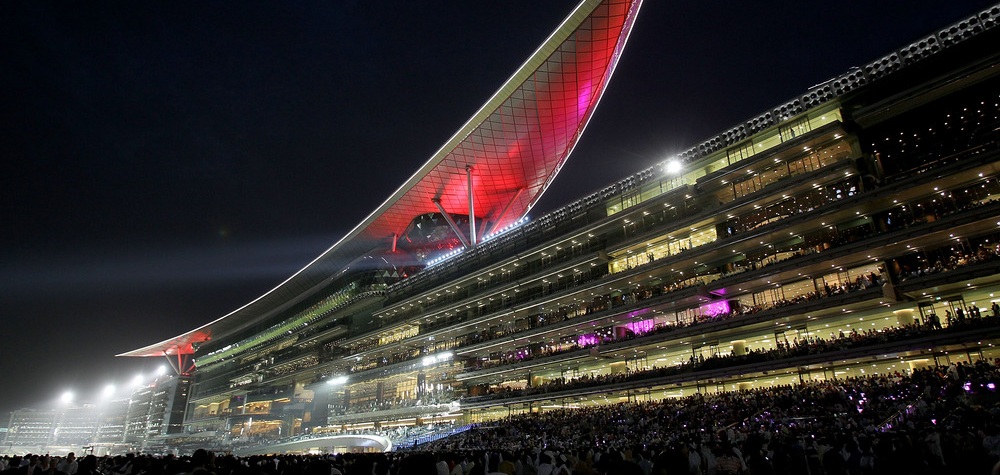
Last Saturday saw the running of the 17th (and probably best) Dubai World Cup and, to the delight of many,  two of HH Sheikh Mohammed Rashid Al Maktoum’s 5 year olds, Monterosso and Capponi, romped home one and two in the world’s richest horse race.

The US$10 million race was sponsored by Emirates Airline, which is hoping to become the largest airline in the world by 2015. Few will be surprised. As part of their strategy to achieve this target, the airline announced a major branding and marketing campaign. Their strap line for the past ten years – “Keep Discovering” – is being replaced by “Hello Tomorrow”. However, how long this lasts remains to be seen.

Although the Dubai airline continues to be the main driver in the emirate’s economic upturn, the cruise industry is also becoming a major player. Only ten year ago, the annual passenger rate was 7,000 arriving at Port Rashid. This number has now reached almost 400,000 with an estimate that this market will increase by a further 50% over the next three years. This can only be good news for the local economy.

Whilst on the topic of shipping, Dubai World’s shipbuilding unit filed for insolvency protection this week in its aim to finalise its US$ 2.2 billion restructuring proposal. Although it had the support of most of its creditors, it seems that this action was taken because a minority – mainly from hedge funds – have decided to hold out for reasons best known to themselves.

Dubai Metro – which may have cost in excess of US$ 7 billion to build – is on the fast track to financial viability and is expected to break even by 2017. Some have estimated that the metro and the improved bus service may have saved Dubai up to US$ 1.3 billion a year in terms of time wasted.  Over the past five years, the number of passengers using public transport has jumped from 91 million to almost 200 million.

An interesting aspect of the Metro (but not unforeseen) is that the Roads and Transport Authority (RTA) have noted the positive impact on the value of properties in the vicinity of Metro stations, which have seen hikes as much as 34%.

It comes as no surprise that real estate again dominated the local business news. Statistics from the Dubai Land Department show a 20% increase in the number of transactions (over 35,000) taking place in 2011 with a total value of US$ 39 billion.  Indians and Brits continue to dominate the market and 75% of transactions were for apartments accounting for US$ 11.7 billion in value. At the higher end of the market there have been significant price increases that go to show that Dubai is alive and well again.

Most people associate Dubai with gold as it accounts for almost 20% of physical global trades, with India – at 950 tonnes – its biggest customer. It may come as a surprise then to see that the “City of Gold” is rapidly becoming a major centre for diamonds. Last year, it is estimated that it traded in US$ 40 billion of “a girl’s best friend”. Undoubtedly, the local industry has obviously benefited from its location, as a transport and logistics hub, and the fact that trade is largely tax free.

One place where you can buy diamonds is Dubai Mall which last year attracted more than 54 million visitors to become the most visited shopping and leisure outlet in the universe surpassing the likes of New York’s Times Square (39 million), and Niagara Falls (22 million). Not a bad effort for an emirate with a population which in December 2011 finally topped 2 million.

On the financial side, Lloyds TSB’s 35-year association with the area finally came to an end with HSBC agreeing to buy their consumer and corporate banking businesses for an estimated US$ 800 million. (One can only wish that customer service improves!) This comes after the sale of RBS’s retail banking business to ADCB in 2010. Both British banks had received massive UK government aid during the banking crisis.

Also this week, the Dubai Financial Market saw an almost 3% rise from 1648 to 1687 and continues to show a healthy 26% hike for the calendar year when it opened at 1341.

The Eurozone problems are far from over. Greece government bond yields are still at a staggering 21% whilst Portugal (11.13%) and Hungary (9.06%) are causing increased concern.  The immediate problem has moved to Spain where unemployment rates of 25% and a severe government austerity package will lead to increased social unrest and economic malaise. It may well be that this economic crisis will become the catalyst for a summer of discontent throughout many parts of Europe.

Every week it seems that the UN continues its dithering in trying to bring some sort of peace to Syria. Their efforts, to date, have apparently failed miserably with the result that the situation there continues to deteriorate by the day.

Sanctions are beginning to take effect in Iran but for the region to prosper there has to be a permanent settlement encompassing all stakeholders.

All three of these problem areas could have a negative impact on the Dubai economy with trade being hit, inbound investment falling, tourist numbers dropping and less people flying. Unfortunately, there is not much the emirate can do in these circumstances.

Posted in Finance | Tagged , , , , , , , , , , , , | 1 Comment

A Day At The Races

After ten days of Shamal, a sunnier and brighter Dubai is now bracing itself for the big day on Saturday – the Dubai World Cup. This horse racing extravaganza, with total prize money heading towards US$ 30 million, will reach up to 1 billion global viewers and once again show the world what Dubai has to offer.

Previously unavailable to the dilettante here have been an opera house and a major museum but the times are changing with the announcement this week that the emirate is going to establish a cultural district in Downtown Dubai. It will house an opera house, a modern art museum, galleries and design studios as well as two art hotels.

On the finance side, it has been reported that DP World is set to repay US$ 3 billion off its revolving credit facility. Interestingly this was six months earlier than its October maturity and has trimmed its total long-term debt to just under US$ 5 billion. Reports indicate a bright future as growth returns to much of its extensive portfolio, including sixty terminals around the world as well as the London Gateway development due for opening in 2013.

Another sign of improving times is that yields on government-related bonds continue to plummet with the 7.75% US$ 750 million 2020 note falling to its lowest ever level at 6.21% and the 2021 5.591% bond dropping to 5.22%.  Furthermore Emirates NBD reported that its recently-issued five-year bond (4.625%) was three times over-subscribed.

Dubai has already indicated that it will not require to raise any further money on the international markets this year but may look at refinancing options for the US$ 1 billion DIFC Islamic bond maturing in June and the US$ 2 billion sukuk for JAFZA later in the year.

As Dubai tries further to increase its competiveness and to assist new companies in establishing new businesses with the minimum of fuss, the Department for Economic Development is planning to introduce a 120-day hassle free trade licence. Whether this initiative will facilitate business and simplify setting up procedures remains to be seen.

However this can only help Dubai in its quest to maintain it being the leading financial centre in the region. A recent study places Dubai 29th (out of a total of 80) in a global listing of economic hubs, based on factors such as infrastructure, market access and competitiveness.

Yet another survey out this week shows Dubai to be the world’s 12th most expensive city with average office rents at almost US$ 80 per sq mt. Not surprisingly, Hong Kong, London and Tokyo accounted for the top three positions whilst the Australian cities of Sydney and Perth made the top ten.

There are signs that Dubai retail rents are almost back to their pre-2009 levels. The two driving factors to this strong growth are the rising number of tourists and the increased consumer confidence of local residents, spending more of their disposable income than they have been doing in the recent past.

MAF Holding, the Dubai-based mall operator, had occupancy rates at nearly 99% last year with an average lease length nearing 8 years. The consolidated group has a total retail space of nearly 1 million sq mt and net fixed assets of almost US$ 8 billion with a total revenue in excess of US$ 5 billion.

The danger signs to continuing growth would be a slowdown in the global economy (which would have a negative impact on incoming visitors and a cutback in the discretionary spending of local residents) and an over-supply of available retail space. At a macro level, extended declines in the Chinese growth rates, further problems as a result of the Arab Spring and other localised unrest and the on-going Iran problem would be major causes for concern.

Compared to most airlines, Emirates is still riding high but even they are having problems especially with the A380 wing cracks and the high fuel price which accounts for up to a staggering 45% of the airline’s costs. The continued grounding of some of their 21 Airbus superjumbos has lost Emirates estimated revenue of US$ 90 million (or, as reported, US$ 50,000 for every hour a plane is out of action) plus the staff costs and other expenditure placating disappointed passengers. With another 70 on order, one can only hope that a permanent solution is found quickly.

The fragile state of the aviation sector was made clear this week as IATA downgraded its 2012 outlook by forecasting that profits at US$ 3.5 billion will be 56% down on last year’s return of US$ 7.9 billion. But if fuel prices continue to escalate (having already risen 12% in the past three months), the outlook may become even more depressing.

In contrast, the Dubai Financial Market is flying ahead and so far this year it has proved to be one of the best performing markets in the world with a 24% return.

Those who have not invested in the DFM could look at the following horses in the Emirates World Cup – Silver Pond, Smart Falcon and So You Think. Good Luck!

Posted in Finance | Tagged , , , , , , , , , , , , | Leave a comment

The Only Way is Up

Just when you thought there were enough Brits in this emirate, the Dubai government is launching a US$ 1.5 million marketing campaign to encourage even more to visit. The UK used to be the biggest feeder for the local tourism industry but has recently been surpassed by both Saudi Arabia and India. Despite a 10% drop in UK arrivals – down to about 650,000 last year – a staggering 9.3 million visitors still arrived in Dubai. Good news for the hotels which saw their Revenue jump 20% to an estimated US$ 4.4 billion.

A knock-on effect of this is that Emirates, now the biggest international carrier globally, continues to expand its operations so much so that the group  has recently announced that it will be adding a further 10,000 staff to its existing payroll of 60,000. This increase in its business has another welcome benefit as the airline’s bond yield continues to fall to record lows.

This rebound should go a long way in helping credit market confidence improve, particularly as within three months, the DIFC must repay a US$ 1.25 billion Islamic bond.

Even better news for Dubai real estate!  Mortgage lenders saw business jump nearly 60% last year whilst property transactions rose 12% to over US$ 23 billion. In addition, Q4 home sales saw a 65% gain over Q3. It seems that banks and other financial institutions have started cutting lending rates and are actively searching for new customers – a welcome change from the moribund state this sector has recently exhibited.

Initially most of the mortgage lending was carried out by Amlak and Tamweel and when the inevitable crash came in 2008, both entities hit the skids and their share trading was suspended. Since then, we have seen Tamweel being taken over by Dubai Islamic Bank in 2010 and now the government has cut Amlak’s debt by US$ 1.1 billion.

This week, the Dubai Financial Market continues its “correction phase” with the market 22 points lower at 1660.  Although down on the week it is still showing a healthy 20%+ hike already this year.

Talking about stock exchanges, the federal government is currently considering the viability of the Abu Dhabi and Dubai bourses merging their activities. To a layman, this looks a logical move and would prove beneficial for all stakeholders.

Of course, a global slowdown in trade will impinge on Dubai’s economy. Factors, such as the high oil price (currently around the US$ 106 mark) and a worsening of the euro-debt crisis, will inevitably reduce both the number of tourists coming here and a slowdown in air passenger numbers.

With the oil price set to hover above the US$ 100 a barrel mark for the foreseeable future, it is interesting to note the prices at the pump in different countries.  Rumblings continue that Dubai prices are relatively high at US$ 0.47 per litre when compared to other Gulf countries – Saudi Arabia (US$ 0.11), and Kuwait (US$ 0.20). However they pale into significance when looking at say UK (US$ 2.11) and Norway (US$ 2.58) but then a lot of people can have a whinge when in Venezuela, 1 litre will knock you back just over US$ 0.02!

Up the Gulf coast, news that the Bahraini investment bank, Arcapita, has filed for bankruptcy protection (Chapter 11) in the US following a breakdown in creditor talks over a US$ 1 billion debt. This could have repercussions for the Gulf region as European banks are becoming increasingly reluctant to lend as they need to shore up their own capital bases to meet the European challenges.

Continued sabre-rattling over Iran continues to dog the region and the increased sanctions recently imposed are beginning to affect trade. The latest blow came with the announcement that 44 Iranian financial institutions were blocked from using SWIFT, the messaging system which links many of the global banks. When one considers that Iran made over two million “SWIFT” payments in 2010, it is not difficult to see that their banking lifeline is being cut drastically. Consequently, the negative impact on bi-lateral trade with Dubai will be considerable.

And to conclude – no surprise to see the dearth of any positive moves in settling the Syrian crisis. Once again, the UN appears to be as useful as a chocolate teapot!

Posted in Finance | Tagged , , , , , , , , , , , | Leave a comment