Should Have Known Better!

sam-allardyceA decree by HH Sheikh Mohammed bin Rashid Al Maktoum has seen the formation of the board of the Emirates Global Centre for Accreditation. This is part of the government’s strategy to ensure Dubai’s position as an important driver in the global Islamic economy.

Yet another launch this week – SRG Holding’s US$ 191 million Marquise Square in Business Bay. 62% of the 384 apartments will be studios (selling at US$ 244k), with completion expected by Q4 2018. Dubai Properties will make 18 new buildings, currently 90% complete, in its Dubailand’s Remraam project available for lease The developer has already handed over 60 buildings and expects the remaining 1.44k units to be ready within 12 months.

Emaar Hospitality is planning to open a mixed-use hotel/serviced apartments property in JBR. The 290 mt high Address Jumeirah Resort + Spa will include a 182-key hotel, as well as serviced apartments and residential units which will go on sale shortly.

Starwood Hotels & Resorts Worldwide has signed an agreement with La Vender Real Estate to open a new Element hotel, expected to become the brand’s 4th in the fast-evolving Dubai market.

A CBRE report indicates that Dubai’s average warehouse rentals, over the past year, have remained largely flat, as consumer confidence, in the era of low oil prices, remains fragile. The study notes that although demand has remained steady, there is a lack of high quality warehousing in the emirate, as prices for class 1 industrial assets falling 15% over the past year.

Already owning two large Budapest hotels – The Ritz-Carlton and The InterContinental – the Al Habtoor Group is venturing into commercial property in the Hungarian capital. The Dubai-based conglomerate has acquired two office buildings in Dorottya Udvar and Deák.

Having sold over US$ 545 million of property this year, Dubai-based Tamleek Real Estate Co is planning to increase its current staff levels by 150% to 400 by year-end. The realtor mainly deals at the luxury end of the market.

Following the September opening of Jebel Ali School, its third local educational investment, Emirates Reit is to build the British Columbia Canadian School in DIP, in an 8-year sale and leaseback arrangement. Built on a 25k sq mt plot, with a 27.3 sq mt built up area, development costs will be in the region of US$ 24 million. The Dubai based real estate investment trust has allocated 25.5% of its portfolio, equivalent to US$ 193 million, to the burgeoning educational sector; it is estimated by some that Dubai will require 53 new schools over the next five years.

Further to the latest MasterCard Global Destinations Cities Index, Dubai, with 15.3 million overnight visitors, ranks 5th in the world; Bangkok and London take the first two places. However, the emirate won top spot – out of 132 cities – for visitor spending, which topped US$ 31.3 billion, way ahead of second place London’s US$ 19.8 billion.

Petrol prices have been set for October, with a litre of Special 95 up by 3.66% to US$ 0.463.

The federal Ministry for Infrastructure Development has announced that the deadline for the GCC rail network has been pushed back three years to 2021.

Dubai Airport will soon boast another world record – this time being credited with 47 A-380 gates, the highest number of any global airport. The upgrade is expected to take two years to completion and will help the facility in its target of handling 118 million passengers within the next five years.

The 4-year old Careem is in discussions with investors for further fundraising, as it targets 2018 as the latest date it expects to make its first profit. The Dubai-based company, with 90k drivers operating in 32 MENA cities, has 4 million users and is bigger than its global rival Uber in some places. (Coincidentally, this week, Uber launched its meal delivery service in Dubai).

The UAE has gained one place to 16th in the latest World Economic Forum’s Global Competitiveness Report. Switzerland, Singapore and the US are ranked as the top three countries, whilst nations such as Australia (22), India (39) and South Africa (42) are in the UAE’s slipstream. (Yemen, Mauritania and Chad remain at the bottom of the 138-country table).

Abraaj Group has bought a significant minority shareholding in the Mexican footwear retailer, Capa de Ozono. The 25-year old company has 207 stores, 300 wholesale clients and is active in the regional online retail sector.

Locally listed Gulf General Investment Co is hoping to restructure its 6-year 2012 US$ 769 million debt facility as it faces liquidity problems resulting from slowing oil prices and lower asset values. The group is looking at extending the loan from its original 2018 deadline and restructuring pending payments of US$ 208 million due this year and others due over the next two years.

The DFM opened the week at 3482 and dipped 8 points to close on 3474 by Thursday (29 September 2016). Volumes, on the last day of trading, were marginally higher at 310 million shares, valued at US$ 119 million, (cf 267 million shares for US$ 105 million, the previous Thursday). Bellwether stocks, Emaar Properties lost US$ 0.02 to US$ 1.93, with Arabtec also marginally down by US$ 0.01 at US$ 0.40.

Having lost US$ 3.67 over the past fortnight, Brent crude bounced back, climbing US$ 2.92 to US$ 49.24; gold moved in the other direction, US$ 19 lower at US$ 1,326 at Thursday’s (29 September 2016) close.

As widely expected, OPEC members agreed to cut total production by up to 700k bpd (to about 33 million bpd) whilst still allowing Iran to increase its share to pre sanction levels of about 3.6 million barrels. The agreement sees the bloc’s first oil cut since the GFC and is an attempt to boost the depressed price by curbing oil production. How long this will last remains to be seen but the market’s volatility is set to continue.

Having already bought back US$ 4.5 billion of its debt so far this year, Rio Tinto is planning a further US$ 3.9 billion purchase of its US$ bonds. The Australian miner lost US$ 866 million last year and is keen to cut costs.

First it was explosions of its Note 7 smartphones, now Samsung has been hit with reports from Australia and the US of exploding washing machines. The South Korean conglomerate has confirmed that it is in discussions with US consumer watchdogs following a lawsuit claiming that the manufacturer had known of the problems for years.

Deutsche Post DHL has continued its recent expansion drive by acquiring UK Mail, with its 25k customers and 50 sites, for US$ 318 million (equivalent to US$ 5.76 per share).

A recent UBS report confirmed what many analysts already knew – that realty prices in Vancouver, London, Stockholm and Sydney indicate that these cities are at great risk of a property bubble and a subsequent price collapse.

The WTO has finally faced a reality check, as it cuts its April global trade forecast of 2.8% to 1.7% for this year – its lowest growth since the GFC. For the first time this century, trade growth will lag behind GDP; recent averages have seen trade growing 1.5 times quicker but this year the trend will be reversed as growth will only be 80% that of economic expansion. The main drivers behind this apparent anomaly are increased national protectionism, a backlash against globalisation and lack of international trade deals.

RBS has agreed to pay US$ 1.1 billion to settle with the National Credit Union Administration Board over its misselling of toxic mortgage securities prior to the GFC. The bank’s current provision for outstanding claims (including US Department of Justice and the Federal Housing Finance Agency) totals US$ 3.8 billion: however, after last week’s ruling that saw the DoJ fine Deutsche Bank US$ 14 billion for the same misselling offence, this figure may not be enough to cover all claims.

Germany’s biggest lender, having already lost over 50% of its share value this year alone, saw a further 10% wiped off in the first two days of this week’s trading. The country’s second largest lender Commerzbank, 15% owned by the government, is planning to slash 19% of its current workforce (9.6k jobs) and cancel dividend payments for the first time ever in a bid to cut costs and improve profitability.

The former head of the IMF from 2004 – 2007, Rodrigo Rato, has joined 64 other Spanish bankers on trial for running an alleged credit card racket at Bankia bank, which was bailed out by the Spanish government in 2012. Some 200k small investors suffered losses at the time, as the defendants used credit cards over a decade for “unofficial” purposes.

His successor at the IMF Dominique Strauss-Kahn left the world body in 2011 under a cloud whilst the latest incumbent, Christine Lagarde, is due in court in December. She is on trial, accused of “negligence” over a US$ 315 million state award in damages made to Bernard Tapie when she was the French Finance Minister.

Graft and greed can be found in all walks of life but social media has made life easier for investigative reporters to uncover financial scandals and more difficult for perpetrators to conceal their misdemeanours. It appears that the latest to fall foul is Sam Allardyce, the England football manager, who Should Have Known Better!
Posted in Finance | Tagged , , , , , , , , , , , , | Leave a comment

Can’t Get Enough!

mclaren-carBeing Dubai, it was no surprise to see two property reports, with different conclusions, this week. Knights Frank had a slightly positive summary that the sector is heading for a soft landing, with prices remaining flat in Q4 followed by a likely increase in 2017. However, EFG Hermes is slightly more bearish predicting a 5% decline in the coming months before stabilising later in 2017. What is interesting is that the respected Egyptian investment bank expects 33.5k units handed over before 2019 (despite an estimated pipeline of 74.2k before the end of 2018). If the emirate continues to grow at its current 6% level, Dubai’s population will have increased by 500k; this begs the question – where will the newcomers live?

The Abu Dhabi developer, Bloom Properties, announced that it has already sold 75% of its mixed-use project in JVC. The twin towers, with 686 apartments, will be linked internally by four podium levels. Prices start at US$ 98k, with completion date by Q1 2019.

Wednesday saw the launch of the US$ 68 million Azizi Shaista Residence project. Located in Al Furjan, the 12-storey tower, housing 284 units, will be completed by 2018.

Originally launched in 2014, on a 1.3 million sq ft site, Union Properties’ five-tower Vertx Motor City project is expected to finally break ground within nine months. The developer forecasts the final cost to be in the region of US$ 327 million; no completion date has been given. Meanwhile UP’s other major developments, the 269-unit Oia Residences, costing US$ 123 million, is about 30% complete, whilst the 210-villa US$ 185 million Green Community West project is 40% finished.

Meanwhile, Dubai Investments Real Estate Company will soon launch its Mirdif Hills project of 1.25k residential units, 128 serviced apartments, a 120-key hotel and a hospital, along with the usual outlets.

There is no doubt that more affordable projects are coming into their own, with the latest example being studio apartments in Dubai South, starting at US$ 76k. Located in The Pulse cluster, within the Residential District, sales will start later in the month, with a slated 2019 handover date.

GEMS becomes the second educational facility, following the University of South Wales, to sign an agreement to establish a presence in Dubai South. It will be located in one of 8 key areas – the Residential District – which will house two communities, The Villages and The Pulse.

Managed by Emirates NBD, Emirates Real Estate Fund has acquired Binghatti Terraces – a 10-storey residential building in Dubai Silicon Oasis; with 201 residential units and 5 retail outlets, annual rental income is US$ 4 million. No information was available on the sale price but the fund has already invested US$ 163 million in local realty over the past two years and has an asset portfolio of some US$ 410 million.

As an initial step to opening 45 outlets in the GCC, the 43-year old US brand, Smoothie King, has teamed up with Al Ghurair Retail to open its initial Gulf venture in the BurJuman Mall. This is the UAE family’s first foray into the food and beverage sector. The Al Ghurair Group operates in 20 countries and employs 70k in the region, with interests in a variety of sectors, including construction, realty and retail.

Emirates is set to introduce “minimal” seat selection charges for economy class passengers, booking Special and Saver fares, who wish to reserve seats 48 hours ahead of their flight. The fee is dependent on the flight’s duration and will range from US$ 14 – US$ 41 (children over 2 half price).

The RTA has reported that, in H1, there was a 4.6% increase to 70.7 million users on its 1.54k bus transport system.

Emirates National Oil Company has awarded an engineering procurement and construction contract to French company Technip, which will see a 50% expansion to its Jebel Ali refinery. The ENOC contract is valued at about US$ 1 billion and will increase capacity by 70k bpd to 210 bpd.

The former head of the Ras Al Khaimah Investment Authority, Khater Massaad, has been detained at Jeddah airport, under a RAK government arrest warrant. Last month, it was reported that talks between both parties in relation to “global embezzlement and mismanagement of US$1.5 billion” had broken down. Last October, Massaad, who ran RAKIA from 2007 to 2012, was tried in absentia and found guilty of corruption and fraud – claims which he has refuted.

Ratings agency S&P has forecast a slowdown for the local banking sector and expects 2016 regional growth to fall from 10% to 6%, and to dip slightly further in 2017, as the impact of low oil prices take effect. The subsequent lower liquidity will see profits fall, as government oil revenues deposited into the banking system move lower, and cost of funding shifts higher.

Troubled Gulf Navigation Holding has managed to cut its debt by 41.7% to US$ 21 million and expects to consolidate all its borrowing by year end. This will see its 6-year old dispute with disgruntled creditors come to somewhat of a happy ending and help the shipping company regain some lost investor and consumer confidence.

Dubai Aerospace Enterprise has acquired an 80% stake in Jordan Aircraft Maintenance from the Abraaj Group; no financial details were available.

Dubai’s inflation level nudged 0.38% higher, month on month, in August with an annual 2.50% rate. With YTD inflation at 2.40%, education and utilities continue to be the main drag factors – up 6.42% and 4.69% respectively.

It is reported that the emirate is discussing a US$ 2.5 billion loan (a US$ 1.4 billion European Export Credit facility and US$ 1.1 billion unsecured loan backed by the Dubai government). The funds will be used to finance the planned 15 km metro extension to the Expo 2020 site, to be built by an Alstom-managed consortium who were awarded the US$ 2.9 billion RTA contract in July.

With this week’s Emaar Properties’ US$ 750 million sukuk on Nasdaq Dubai, the value of the 14 new issues this year comes to US$ 10 billion, with a total sukuk value of US$ 45.5 billion now listed on the local bourse.

The DFM opened the week at 3482 and gained 32 points to close on 3514 by Thursday (22 September 2016). Volumes, on the last day of trading, were marginally higher at 267 million shares, valued at US$ 105 million, (cf 222 million shares for US$ 71 million, the previous Thursday). Bellwether stocks, Emaar Properties remained unchanged at US$ 1.95, with Arabtec also flat at US$ 0.41.

Having lost US$ 3.40 the previous week, Brent crude continued its downwards trend, with a marginal US$ 0.27 fall to US$ 46.32; gold moved in the other direction, US$ 27 higher to US$ 1,345 at Thursday’s (22 September 2016) close.

OPEC, supplier of about 40% of global oil, has seen its 14-members’ production levels creep above the 33 million bpd mark and may call a meeting in Algiers next week, following the International Energy Forum conference. In order to steady prices and stabilise supply, the cartel would be looking at ways to shave about 1 million bpd. Meanwhile, latest weekly figures show that the US crude stockpile fell by 6.2 million barrels to 505 million, as usage of 16.6 million bpd was 941k barrels higher than the 5-year average.

China dominates the global steel market and has seen its annual production expand 12-times since 1990 to over 822 million tonnes – this despite 2016’s demand expected to be only 672 million tonnes. In a bid to overhaul the sector and to cope with overproduction problems, two of the country’s largest steel companies, Baostel and Baowu Iron and Steel, are planning to merge to form China’s largest steel company that will produce 60 million tonnes; it will become the world’s second largest behind Luxembourg-based ArcelorMittal.

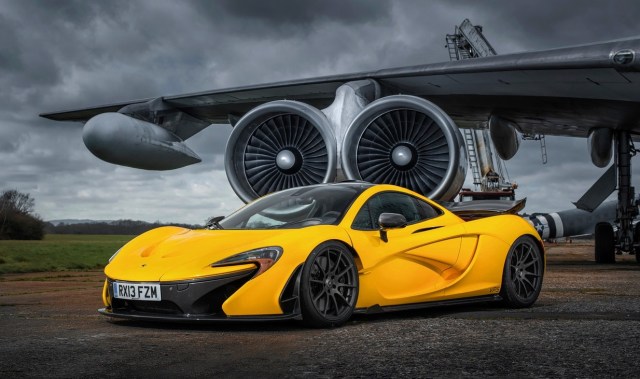
There was an interesting development this week with reports that Apple are considering a significant US$ 1.5 billion investment in UK luxury carmaker, McLaren. It does seem that the US tech giant is keen to enter this sector, having recently acquired a US$ 1 billion share in Didi Chuxing, the Chinese ride-sharing service.

Three years ago, Microsoft bought back US$ 40 billion of its own stock and now it is in the market again to do exactly the same; the process should be completed by the end of the year.

It seems that Deutsche Bank is not happy with being fined a massive US$ 14 billion by the US Department of Justice for its fraudulent role in mortgage-backed securities. Other major banks have already taken their punishment, including BoA (US$ 16.7 billion), JP Morgan Chase (US$ 13 billion), Goldman Sachs (US$ 5.1 billion) and Citigroup – US$ 7 billion, after being asked to pay US$ 12 billion; who is benefitting from receipt of these penalties? In Q2, the bank posted a 67% decline in profits and in July, one of its US operations failed a stress test by the Federal Reserve.

The other business sector going through a rough passage is the motor vehicle industry. Many cars have been subject of recalls, for a variety of reasons but faulty airbags being the predominant cause. Fiat Chrysler is the latest recalling 1.9 vehicles, following a reported three associated deaths. This comes three months after Toyota’s June recall of some 1.4 million vehicles for the same reason, with most other car manufacturers affected; these include Honda (1.7 million), Ford (2.0 million), Chevrolet (1.9 million) and Mercedes Benz (1.0 million). With the number of potentially faulty air bags now exceeding 100 million, it is little wonder to see their maker, Takata, up for sale.

Having already set aside US$ 18 billion to cover legal costs, over its emissions scandal, VW is now facing further claims, totalling US$ 9.1 billion, from 1.4k German investors. In the US, the German carmaker has already admitted guilt and paid US$ 10.2 billion to settle only some of the claims.

The UK car industry continues to confound analysts as 109k units were built in August – a 9.1% increase from a year earlier and the largest August number in 14 years. More importantly, exports continue to impress – 9.1% higher in the month and 13.3% YTD.

A recent report by Swiss-based Bank for International Settlements paints a worrying picture of the Chinese banking system. It estimates that the country’s Q1 credit-to-GDP gap of 30.1% is at record highs and far above the 10% mark, associated with banking risks. The possibility of a major financial crisis, within three years, is on the cards, if steps are not taken to ensure that bad loans and bond defaults are restricted by closely monitoring the ballooning borrowing in both the official and larger shadow banking sectors. (It has been estimated that banks there have written off more than US$ 300 billion in bad loans since 2013).

The City of Melbourne has leased its port for US$ 7.3 billion to the Lonsdale consortium for 50 years; this is a lot higher than initial estimates of US$ 5.2 billion. 10% of the receipts will be spent on infrastructure projects.

The value of Australia’s 9.7 million residences now tops US$ 4.5 trillion with the average price up 3.0% on the year to US$ 467k. Although house prices in mainland cities (except Perth and Darwin) have risen by 8% over the past year, the Reserve Bank of Australia appears to show little concern about a property bubble. At their recent meeting, which also pointed to no possibility of an imminent cut in rates, the RBA indicated that the housing market had actually weakened over the past 12 months. To the outsider, this seems a dangerous conclusion, as the sector is well past the frothing level, with home loans accounting for the bulk of local bank assets.

Controlling 75% of the market and with assets four times the size of the country’s economy, Australia’s Big 4 banks – ANZ, CBA, NAB and Westpac – and Macquarie find themselves in a potentially damaging legal case, with other major global players, in New York. They all have been accused of manipulating the BBSW (bank bill swap rate) benchmark between 2010-2012 and earning themselves millions of dollars in illicit profits. (Even Australia’s Securities and Investments Commission has started civil cases against three of the Australian banks for “unconscionable conduct and market manipulation” and rating agencies have cut their outlook on the country’s banking system to “negative”).

The OECD’s latest report provides grim reading for the UK economy, as it slashes 1% off its growth forecast, citing Brexit uncertainty – along with lost trade – and the dismal global economic environment. Its latest estimates point to a 1.8% growth this year, followed by a weaker 1.0% in 2017, compared to globally – 2.9% and 3.0% – its lowest annual growth rate since the GFC. Like the IMF, such reports should be taken with a pinch of salt.

The EU has fallen foul of the World Trade Organisation who has ruled that Airbus has been receiving billions of dollars in subsidies from the bloc. Rival Boeing has complained that these payments are illegal and have cost many US jobs and lost sales opportunities; now they expect to receive up to US$ 10 billion in annual retaliatory tariffs. Meanwhile, Airbus is expecting to appeal whilst awaiting the WTO’s decision on their similar complaint against Boeing.

The Bank of Japan continues to tinker with its largely unsuccessful stimulus programme in yet another attempt to kick-start the flagging economy. It has maintained its US$ 655 billion monthly asset purchases programme, including 10-year government bonds, which it will try to stop dropping into negative territory, and will continue in its push to see inflation top 2%. This will not be an easy task when latest trade figures show a US$ 184 million deficit, with year on year imports and exports down 17.3% and 9.6% respectively.

There was disappointing US August residential construction data with housing starts falling 5.8% to an annual rate of 1.14 million units, compared to 1.21 million a month earlier. Furthermore, building permits surprisingly dipped by 0.4% to 1.14 million. As expected, the Federal Reserve did not move on interest rates, so that investors continued to fill their boots on the global bourses and the greenback lost some of its recent impetus. However, as US growth is beginning to pick up, after a sluggish start to the year, a 0.25% December rate hike, after the presidential election, is all but inevitable.

UK bonuses reached record highs last year, totalling a mouth-watering US$ 59 billion – a figure that was up 4.4% year on year – and accounting for 6% of total remunerations; interestingly, this figure came to 22.7% in the financial and insurance sectors. Legally or otherwise, those bankers Can’t Get Enough!

Posted in Finance | Tagged , , , , , , , , , , , , | Leave a comment

Where Did It All Go Wrong?

libya-cameronAurecon, the appointed engineer and architect for The Tower at Dubai Creek Harbour, has awarded the wind-engineering consultancy to London-based MT Fluid Mechanics. On completion, the US$ 1 billion Emaar structure will be at least 100 mt higher than its 828 mt Burj Khalifa stable mate.

According to the August ValuStrat’s report, overall property values showed marginal falls, although prices for certain prime properties edged higher by between 0.8% and 2.8%. Its residential index posted a 97.6 reading, compared to 100 for January 2014 and 98.2 in August 2015. YTD villa prices have dropped 0.2 to 96.7, whilst apartments fell 0.4 to 98.2.

Meanwhile Cluttons are forecasting a 5% 2016 fall in the office market sector, as the impact of low oil prices and a sluggish global economic environment begins to take hold. Q2 office rents continued unchanged, with the sector flat until later next year, when the Expo factor kicks in to move prices higher.

Knight Frank’s Skyscraper Index points to H1 zero growth in Dubai’s commercial towers’ rents which have remained flat at US$ 469 per sq mt. Local rents are at the low end of the 30-city global scale and much lower than the top four – Hong Kong (US$ 3,001 per sq mt), Tokyo (US$ 1,703), New York (US$ 1,611) and London (US$ 1,229). Over the period, Shanghai rents grew by 7.6%, Sydney – 7.6% – and Hong Kong by 5.9%.

Rasmala, along with Ajman Bank and others, have invested US$ 82 million to acquire 72 warehouses, covering 600k sq ft, in DIP. The locally based investment management firm has a 7-year sale and leaseback deal with 31 tenants.

Deyaar has teamed up with Millennium & Copthorne who will manage three properties, totalling 953 keys, which are under development. Located in Al Barsha, Business Bay and Dubai Science Park, all will open within 18 months.

Although preliminary August hotel occupancy levels show a year on year increase of 3.4% to 76.1%, all revenue indicators declined; demand, at 9.2%, increased at a greater rate than the 5.5% supply. Two major indicators headed south – average daily room rate sank 10.2% to US$ 140 and revenue per available room by 7.1% to US$ 107.

Following its 31 August opening, the world’s largest indoor theme park, IMG Worlds of Adventure, returned impressive attendance figures during the recent Eid Al Adha break. The facility, encompassing some 1.5 million sq ft, welcomed over 100k visitors over the holiday period.

Damas has built a new high-tech production factory in Nad Al Hamar which has a monthly capacity to produce up to 280kg of gold into jewellery pieces. The firm will use 200 craftsmen in the new facility that will also utilise 3D printing techniques.

Dubai-based GFH Capital, part of Bahrain’s Gulf Finance House, has sold its remaining 18% share in Leeds United FC to Massimo Cellino for an undisclosed fee. The firm had taken over control of the football club in 2012 that saw its then Deputy CEO, David Haigh, becoming its MD and board member.

Abraaj is reportedly interested in acquiring the Dubai campus of Middlesex University, in a deal that could be in excess of US$ 60 million. The facility, one of a raft of private universities in the country, is currently owned by several local investors and posted an EBITDA return last year of US$ 6.8 million.

The group also sold its share in Colombian grocery retailer, Koba, for an undisclosed fee, to US-based Capital Group Private Markets, after a six-year investment that has seen its chain of supermarkets grow from 40 to 500.

The latest indication from the UAE Ministry of Economy is that the country’s 2016 exports of goods and services will be 4.0% higher at US$ 354.2 billion.

A SICO Bahrain report indicates that Dubai’s debt, currently at 129% of GDP, requires close scrutiny amid fears that GREs (government-related entities) could face higher interest costs, as liquidity tightens. Public debt has been rising at an annual 8% over the past five years, with finance costs of US$ 600 million accounting for 5% of the emirate’s revenue. The report estimated that US$ 51 billion of debt is due to mature before the end of 2018.

With the recent redundancy of some 15 staff, Istithmar World, is reportedly operating with a ‘skeleton staff’, to oversee, with other Dubai government entities, the sale of its remaining assets, including the Dubai-moored QE2, along with stakes in investment bank Perella Weinberg and US retailer Barneys. The company was the investment arm of Dubai World which was badly hit by the GFC and later forced to enter a US$ 14.6 billion restructuring agreement with its creditors.

The DFM opened for one day only this week at 3519 and lost 37 points to close the day and the week on 3482 by Thursday (15 September 2016). Volumes, on the last day of trading, were down at 222 million shares, valued at US$ 71 million, (cf 421 million shares for US$ 147 million, the previous Thursday). Bellwether stocks, Emaar Properties dropped US$ 0.03 to US$ 1.95, with Arabtec down US$ 0.01 at US$ 0.41.

Brent crude lost some of the previous week’s US$ 4.54 gain – down US$ 3.40 to US$ 46.59; gold performed likewise, US$ 23 lower at US$ 1,318 at Thursday’s (15 September 2016) close. Of the two main drivers for the jump in oil prices, one was recent talk between Alexander Novak and Khalid al-Falih, in which Russia and Saudi Arabia discussed ways to stabilise the market. The other was the news that Libya will more than double production to 600k bpd within four weeks and to 950k by year end.

Over the past week, shares in Wells Fargo have lost over 7% in value, following allegations that staff opened a staggering 2 million customer accounts without their knowledge. Consequently, the bank lost its position as the largest bank by market capitalisation to JPMorgan Chase. The scandal, originating from a bid to meet internal sales targets (and subsequent bonus payments) has already cost the bank US$ 190 million in fines and 5.3k staff their jobs, including head of retail operations, Carrie Tolstedt; she received more than US$ 9 million in stock and cash last year and left in July holding 2.5 million shares, worth about US$ 1290 million.

Deutsche Bank AG is in final discussions with the US Department of Justice in relation to an on-going investigation into the sale of residential mortgage-backed securities. Germany’s largest bank, which has already paid out fines totalling US$ 9 billion for other fines and settlements, will probably have to settle for more than the US$ 2.4 billion Goldman Sachs penalty.

Following its “Apple success”, it seems that the EU has Ikea in its sights – checking on claims, by the Greens/EFA group in the European Parliament, whether the furniture retailer has been avoiding tax through illegal means. The company stated that it had paid US$ 924 million in global corporate tax. Meanwhile, its holding company, INGKA, now based in the Netherlands, reported a 7.1% hike in annual turnover to a record high US$ 38.4 billion, with expectations of a US$ 56.2 billion figure by 2020.

A minor blow for Airbus is that one of its customers, Malaysia Airlines Bhd, is looking to offload its six-fleet A-380s because they are now considered superfluous to requirements. The airline has requested that 90 extra seats be added, so that they would be more saleable to potential Asian buyers. The jumbos would be replaced by smaller A-350s on the longer routes. This week, Singapore Airlines, the A-380’s first customer, reported that it would not be extending its lease on the first plane on expiry next October; it currently has 19 in operation.

A more serious problem is the manufacturer’s problem with Qatar Airways and its A-320neo. The ME airline has refused to take delivery of the updated plane as it considered the jet and its engine do not meet contractual obligations. Chief Executive, Akbar Al Baker, has threatened to cancel the US$ 6.4 billion order for 80 of the single aisle planes. Qatar Airways has a further dispute in relation to the failure of Airbus to deliver 5 A-350s that has had a negative impact on this year’s airline profit figures.

As if to prove that it genuinely wants to boost growth, Chinese banks more than doubled, month on month, net new loans in August to over US$ 142 billion, whilst its M2 money supply was 11.4% higher, compared to a year earlier. However, the central bank is wary of cutting rates further, or depleting bank reserves, as many companies and financial institutions still prefer hoarding to investing funds.

The new Michel Temer government has announced a massive privatisation plan to help the ailing Brazilian economy that is in its worst recession in over 80 years. The new president, who took over from the disgraced Dilma Rousseff, will put four airports and two port terminals up for sale along with PPP plans for the mining and infrastructure sectors. He will have a tough job to turn around an economy that is expected to contract a further 4.3% this year, after losing 3.8% in 2015.

Prime Minister, Theresa May, has finally given the green light to the US$ 23.4 billion Hinkley Point nuclear power station – with “significant new safeguards”. With French (US$ 15.6 billion) and Chinese (US$ 7.8 billion) investment involved, the UK is keen to protect national security with a guarantee that the principal operator, EDF, cannot dispose of their stake without government approval and until the plant is built. On completion, 7% of the country’s energy will be from the Somerset location. Potential problem areas include China’s insistence that it uses its own design for future UK nuclear facilities (the first of which will be in Suffolk), the escalating costs associated with the project and the fact that EDF can sell energy at double the current market prices for a further 35 years.

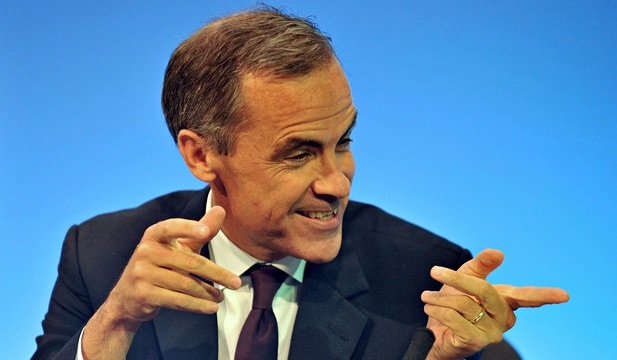
It is no surprise to some that the Bank of England has had to revise its pre-Brexit gloomy growth forecasts, as the economy has performed better than expected. Whilst many predicted that the UK would fall off the economic cliff, and into inevitable recession, the fact is that signs all point in the opposite direction. With Q3 growth expected at 0.3%, unemployment falling (now at 4.9%) and retail sales improving, consumer confidence has bounced back. Yet again, the governor of the Bank of England, Mark Carney, was slightly out with his forecasting.

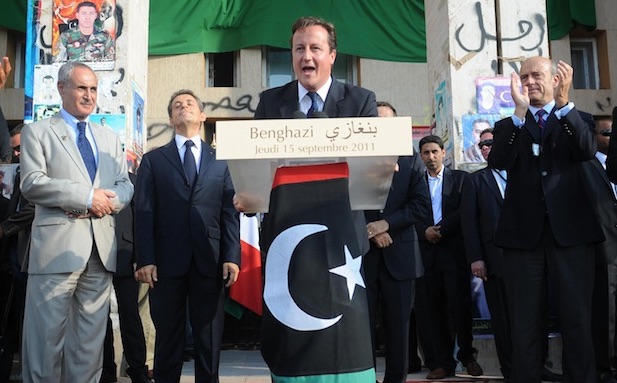
This week saw the end of David Cameron’s political career, as he resigned as MP for Witney. His losing the Brexit vote and the parliamentary report on Libya have surely tarnished Cameron’s legacy. The House of Commons foreign affairs committee condemned his chaotic Libyan intervention in 2011 and questioned his judgment in rushing to war, indicating that this was down to “erroneous assumptions”. Just like his two predecessors, Tony Blair and Gordon Brown, he must be thinking Where Did It All Go Wrong?

Posted in Finance | Tagged , , , , , , , , , , , , , | 1 Comment

Livin’ On The Edge!

ecclestoneLatest Dubai Land Department data show that for the first 8 months of the year, there have been 38.8k sales, mortgages and other transactions, totalling US$ 43.0 billion, with 15.5k dealings, worth US$ 16.5 billion, over the past three months. Of the YTD total, property sales accounted for US$ 19.4 billion (28.1k transactions), mortgages – US$ 18.0 billion (8.5k deals) and others – US$ 5.6 billion (2.2k).

Days after announcing that the proposed Mall of the World would be moving to a new location, HH Sheikh Mohammed bin Rashid Al Maktoum revealed plans for Jumeirah Central on the same site – along SZR, presently housing the Police College. Covering an area of 47 million sq ft, the Dubai Holding US$ 20 billion mixed-use development will be home to 35k residents, have 7.2k hotel rooms, 3 shopping malls, 4.5 million sq ft of outdoor shopping, along with a cycling network, spanning 33 parks and open spaces. Phase 1, costing an estimated US$ 6.5 billion, will be completed in time for Expo 2020.

A JV between Emaar Properties and Dubai South will see the development of a 7 sq km area, adjacent to Al Maktoum International. The “reasonably” priced project will house 15k new residential units, a golf course and the usual accoutrements – schools, retail, hotels and parks. Phase 1 is expected to be completed within four years. This is in addition to Dubai South’s previously announced US$ 6.8 billion The Villages middle-income development, including 6k units, to be ready by 2019.

Also at this week’s 15th Cityscape Global, Nakheel announced plans not only to build 15k homes in its new US$ 2 billion Jebel Ali Gardens project but also two towers, next to Ibn Battuta Mall. These will have 531 apartments and be ready by Q4 2019. Nakheel’s chairman, Ali Rashid Lootah, also indicated that the developer will double the size of its leasing portfolio, to 36k, over the next five years.

Nakheel has also awarded the final phase of its high-end Nad Al Sheba residential community to Square General Contracting Co in a US$ 51 million contract to build 133 villas. The total project was valued at US$ 708 million, with contracts for the earlier 1,439 units, and a 1.2 million sq ft mall, awarded last year.

It has been a busy month for Nakheel as the developer announced yet another launch – this time, Palm 360. Located on a 500k sq ft Palm Jumeirah site, the twin tower hotel/residential apartment project will have 264 luxury residential units and two boutique hotels, on the first 9 storeys, with 110 rooms. A restaurant complex will link the two buildings at the 30th floor level.

Last week, Nakheel announced that a new 372-room Premier Inn, located adjacent to its 210 mt link between the Metro and Ibn Battuta Mall, would open later in the year. This week, the developer has appointed Hilton Worldwide to operate its 256-key, 18-storey property, under the DoubleTree brand, due to be built as part of a US$ 409 million project, including a mall, in JVT; construction, which will start next month, will be completed in 2019.

AE7 has been appointed by Nakheel to oversee the construction of Nakheel’s 20-tower development at Deira Islands. The US$ 1.9 billion, 9 million sq ft DI Boulevard project will comprise 16 apartment blocks, 2 hotels and 2 serviced apartment complexes and should be completed within three years.

Damac Properties is expected to hand over 450 villas and 900 apartments in its Akoya development next month. Late last year, 479 golf-view apartments were delivered. During Cityscape Global, the developer announced five new developments – a new phase of Akoya Imagine, Akoya Cuatro Villas, The Residences at Aykon City, Aykon Hotel & Hotel Apartments at Aykon City and Villas at Akoya.

The 109-unit Azizi Yasmine became the first of 17 projects in Al Furjan completed by Azizi Developers, with a further four buildings, 750 units, due for handover in Q4. With three other projects on Palm Jumeirah, its 20-project portfolio has an estimated development value of US$ 2.0 billion. It is now launching six 15-storey residential buildings – five in Dubai Healthcare City and one in Downtown Jebel Ali area over the next six months.

Abu Dhabi-owned Bloom Properties is entering the “affordable” housing market sector by building twin towers, with 686 apartments in JVC. Aimed at mid-market buyers, starting prices are at US$ 98k, with owners due to move in by early 2019. In the same market range, Nshama has launched 2k units, with prices starting at US$ 167k, whilst Danube is a recent entrant offering studio flats at US$ 117k.

Sobha is planning a third large residential community, in addition to their current US$ 4 billion Sobha Hartland and US$ 10 billion Mohammed Bin Rashid Al Maktoum City – District One. The developer is introducing what seems to be a new category into the sector – “affordable luxury”; that being the case, the location is likely to be further out of the metropolis than the other two developments.

It is thought that the tender for the US$ 272 million Mohammed bin Rashid Library, located in Al Jaddaf, will be awarded to one of six bidders in Q4. The 66k sq mt building will hold more than 2 million e-books (making it the top global electronic collection), 1.5 million volumes and 1.5 million audio books.

Dubai Wholesale City – slated to become the largest wholesale hub in the world – has started accepting applications from interested entities. The US$ 8.1 billion project, covering 550 million sq ft, is set to enhance Dubai’s position as a world class trading hub in a sector that is currently valued at US$ 4.3 trillion.

MAF opened its 20th mall this week – My City Centre Al Barsha houses 20 shops. The mall owner expects the current sales slowdown (particularly at the luxury end) to continue into 2017 before rebounding. In June, the company revealed plans to invest US$ 8.2 billion in the UAE, most of which will take place before 2020.

DP World has won a 30-year concession to manage and develop Berbera seaport – its second operation in the Republic of Somaliland, in addition to Djibouti. The initial investment, in a JV with the government, is estimated at US$ 435 million.

Gulf Navigation Holding has apparently signed a new agreement with a major creditor, Nordic American Tankers, to fully settle a long-standing debt. The new management of the Dubai-based company is keen to settle all historical outstandings, so as to start afresh.

Reports from Bloomberg indicate that Souq.com investors, Tiger Global Management and South Africa’s Naspers Ltd, are planning to sell a 30% stake in the online retailer for an estimated US$ 360 million. This comes six months after the 11-year old company secured US$ 275 million from several investors.

It is reported that Dubai Financial Group LLC, part of Dubai Holding LLC, may be planning to sell its 12% share in Bank Muscat SAOG that could be worth up to US$ 300 million. Funds could be used to repay the French creditor, Natixis SA, under a 2-year old restructuring agreement.

The UAE cabinet has approved the final draft of the federal bankruptcy law that will prove to be a boon for both businesses and the economy. The long awaited legislation will allow struggling companies the chance of restructuring failing businesses and will see the possible end of jailing proprietors for bounced cheques. There have been reports that some SME owners were departing the country, when loans and debts could not be repaid, leaving banks picking up the US$ 1.4 billion tab for unsettled loans.

Despite a slight two-notch drop in August to 55.7, the Emirates NBD PMI indicated that Dubai’s private sector is still holding up well. The monthly survey showed that both new orders and business confidence had improved, with three major components – wholesale/retail (55.5), travel/tourism (54.7) and construction (52.6) – all in healthy territory.

According to a recent report, H1 earnings from UAE listed companies fell 8%, with total earnings of US$ 32.8 billion, driven down by lower oil prices and subsequent weaker growth. Unsurprisingly, the main drag sectors were commodities, construction and realty.

The Eid Al Adha break will see the public sector off for the whole of next week, whilst the private sector will have three days’ holiday from this Sunday (11 September). The DFM will only be open for one trading day next week – Thursday.

The DFM opened on Sunday at 3512 and nudged 7 points higher to close the week on 3519 by Thursday (08 September 2016). Volumes, on the last day of trading, were down at 222 million shares, valued at US$ 71 million, (cf 421 million shares for US$ 147 million, the previous Thursday). Bellwether stock, Emaar Properties, was up US$ 0.02 to US$ 1.95, with Arabtec higher by US$ 0.01 to US$ 0.41.

Brent crude bounced back this week, surging US$ 4.54 to US$ 49.99; gold performed likewise, up US$ 24 – to US$ 1,341 at Thursday’s (08 September 2016) close. The main driver for the jump in oil prices was recent talks between Alexander Novak and Khalid al-Falih in which Russia and Saudi Arabia discussed ways to stabilise the market.

BHP Billiton has hived off 50% of its West Australian Scarborough area gas fields to Woodside Petroleum for a reported US$ 400 million. The company has been badly hit by the oil price slump and had delayed development of this project.

Enbridge Inc is set to acquire the Houston-based Spectra Energy Corp for US$ 28 billion, in an all-stock deal, that will result in the continent’s largest energy pipeline and storage company; the Canadian entity will be paying a 12% premium on the early September market price. This follows a March deal that saw TransCanada Corp buy Columbia Pipeline Group for US$10.2 billion.

Following its unsuccessful May bid for Monsanto, Bayer has upped the ante by 4.5% to US$ 127.5 per share, which values the seed company at US$ 65 billion (compared to its recent market value of US$ 47 billion). If the deal were to go through, the new entity would be world’s biggest agricultural supplier and its very size may raise competition concerns with US regulators.

FTSE 100 tech firm, Micro Focus is to spend US$ 8.8 billion to acquire HP’s software arm following the recent US$ 32.4 billion deal that saw Japan’s Softbank take over ARM Holdings.

The shipping industry has been thrown into chaos with South Korea’s Hanjin, which has been haemorrhaging money for years, filing for bankruptcy. It is estimated that the country’s biggest shipping company, and world’s seventh-largest container shipper, has some 540k containers, with fully laden ships remaining at sea in a state of limbo. The 2008 recession and sluggish global economy have seen weaker trade and overcapacity resulting in historically low shipping rates that in some cases would struggle just to pay for the fuel. There is no end in sight to the deadlock and the knock-on effect could hit retailers, as cargo remains in containers and inaccessible on the high seas. The government may have to offer long-term, low interest funding to keep the company afloat, so it can rescue an estimated US$ 14 billion worth of stranded cargo.

Three Vietnamese airlines are set to buy 40 aircraft, valued at US$ 6.5 billion, from Airbus; they include 20 A321s at US$ 2.4 billion, 10 A350s (US$ 3.1 billion) and 10 A320s worth just under US$ 1 billion.

UK retailer, M&S, has retrenched 500 of its HO staff in London, as it continues to cut costs in the wake of an on-going sales slump. Latest quarterly figures indicated a 9.0% fall in like-for-like clothing sales with total group turnover down 0.4%. It is little wonder then that the present company’s share value, of US$ 7.4 billion, has fallen by more than 33% over the past year.

MasterCard, the world’s second largest credit and debit card provider after Visa, is facing a US$ 18.6 billion legal claim for anti-competitive card fees for 16 years ending 2008. The case is being brought to the European Court of Justice by a group of UK consumers.

According to Christine Lagarde the world is under threat from a “low-growth trap” – slowing investment, sluggish productivity, rising debt levels, weak demand, increasing gap between the rich and poor and eroding labour skills. The IMF MD is concerned that growth over the past five years has been a lot slower than the 3.7% average recorded over the period 1990 – 2007.

The weaker than expected US job numbers of 151k (with unemployment of 7.8 million remaining at 4.9%) would appear to preclude any chance of the Fed raising rates later this month; a December hike is now more likely – after the Trump election. The figure was well down on the preceding month’s 275k and the yearly average of 204k.

With Wednesday’s announcement that June quarterly expansion was 0.5%, (and an annual 3.3% rate), Australia celebrated 25 years of continuous growth. It also recorded a stunning 4.5% hike in quarterly public demand.

On the flip side, the lucky country posted record high foreign debt levels, import values rose 2.75% and the current account deficit saw a 4.0% quarterly jump to US$ 11.8 billion. Australian factory activity has fallen to its lowest level in a year, as the latest PMI showed 46.9 – the 9.5 monthly drop saw an abrupt end to 12 months of growth in the sector. The main drag factor was a sharp slowdown in the food and beverage sector, whilst two other indices dropped below 50 – textiles/clothing and machinery/equipment.

After 18 months of the ECB buying government debt, totalling US$ 1.12 trillion, the jury is still out whether the strategy has helped or hindered the eurozone economy. Two major indicators offer little evidence – inflation levels are still flirting around zero (cf the 2.0% target) and bank lending remains slow moving. Meanwhile the 19-country bloc was hit with more disappointing news – the IHS Markit PMI fell 0.3 to 52.9 in August, its lowest level in 19 months, as German output fell to a 15-month low. There is no doubt that more action is required to kick-start the faltering economy.

The Japanese have not taken kindly to the UK Brexit vote warning that many of their companies – including the likes of Daiwa, Honda, Mitsubishi, Nissan and Nomura – will leave the country. It is estimated that 50% of Japanese European investment is based in the UK. If the bloc’s trading and investment laws become no longer applicable, then many companies will close down and move to the continent, mindful of the possibility of being charged twice for trade tariffs. Prime Minister May must be hoping that the Chinese president, Xi Jinping, shows more patience than Prime Minister Abe.

Following a US$ 2 billion fall a month earlier, Chinese August forex reserves fell by US$ 16 billion to US$ 3.19 trillion as the country spent money on defending the Yuan against capital outflows. Q2 growth was 0.2% lower at 6.7% from the same period in 2015,   as the world’s largest country is in the throes of a major restructuring programme to a consumer-spending nation, rather than depending on cheap exports and top-heavy government investment.

Formula 1 is set for new ownership with the acceptance of Liberty Media’s offer of US$ 8.5 billion. The US company, backed by John Malone, has appointed Chase Carey, a director of Sky plc, as F1’s new chairman. US private equity firm, CVC Capital Partners, will divest its 35% stake holding, whilst Bernie Ecclestone and his family trust, Bambino Holdings, are set for a US$ 1.1 billion bonanza pay-out. The octogenarian, however, will remain as F1’s Chief Executive – a sure sign that the man still prefers Livin’ On The Edge!

Posted in Finance | Tagged , , , , , , , , , , , , | Leave a comment

Bridge Over Troubled Water

samsung-galaxy-note7With developers keeping a firm grip on the supply of residential units (this year only 35% of expected new property will be released into the market), it is surprising to read many property-related reports full of doom and gloom. Core Savills is one of the few property consultancies to report that prices are heading north and, after seven consecutive quarters of falls, they moved higher by 1%, with transactions up 5%. The biggest Q2 rises were in the Meadows and Springs – up 3% (but 7% down on the 12 months); JV villa prices were also 7% lower on the year but 5% down year on year. Rents were largely flat although there were losses of between 2% – 4% in Al Barari, DSC, Dubailand, Emirates Hills and Palm Jumeirah.

The world’s biggest shopping centre, The Mall of The World, is still a going concern but will be moved from Al Sufouh to a different location on Sheikh Mohammad bin Zayed Road. The original US$ 22 billion concept called for 745k sq mt of retail space, connected to a theme park and 100 hotels/serviced apartments, with 20k rooms. Whether there will be changes remains to be seen but it is expected that phase 1, encompassing 25% of the plan, will be ready prior to Expo 2020.

Following its launch earlier in the year, the Vincitore Palacio US$ 37 million project is reportedly 90% sold out. The developer’s first foray in the local market is located in the Arjan district and comprises 175 apartments and is slated for completion by Q2 2017.

Nakheel has announced that its proposed US$ 1.1 billion Deira Islands mega mall will cover 600k sq mt, larger in size than Dubai Mall. The developer has already started infrastructure work, which will add a further 40km to the emirate’s coastline, along with a US$ 245 million resort and water park.

The developer also announced the opening of its new 210 mt link between the Metro and Ibn Battuta Mall which will see 90 new dining and retail outlets opening in Q4, along with a 372-key Premier Inn. This follows the May opening of the 300k sq ft phase 1 extension, with 60 outlets. It also plans a1.2 million sq ft mall in Nad Al Sheba, where it is currently building 1.5k villas.

According to Deyaar Development, work has already started on its Al Barsha project – a 299-key hotel along with 109 serviced apartments. The building, covering 70.8k sq ft, is slated for completion by the end of next year and is in addition to similar developments – The Atria in Business Bay and Mont Rose Dubai Science Park.

A new hotel brand is set to enter the Dubai market. Tin Hotels, a JV between Singapore’s General Hotel Management and investment company Van de Bunt Partners, is set to open its first 3-star hotel here in 2019. GHM already operates luxury Chedi brands in Muscat, Indonesia, Switzerland and Vietnam and has projects in Sharjah.

Murray & Roberts, one of the first international construction companies to arrive in Dubai in the 1990s, has decided to leave the building sector and focus in future on three key areas – energy, mining and water. It is expected that any outstanding work in the country will be completed by next year.

With a 5.4% increase in H1 revenue to US$ 627 million (and passenger traffic up 16.5% to 4.9 million), flydubai managed to post a 39% reduction in losses to US$ 24 million. The main drag factor was down to the “uncertain international economic situation”, not helped by the strong greenback vis-à-vis other currencies.

Special 95 petrol prices will increase by 1.2% to US$ 0.447 this month but the price is still some 4% down on the same period last year, when deregulation was introduced.

In a recent Visa report, the company estimated that 40% of all GCC e-commerce transactions originated in the UAE, with Saudi Arabia accounting for 35%. The country’s 28% annual growth was aided by the large percentage of millenials shopping on line – UAE (75%) and Saudi Arabia (58%). A further study – by AT Kearney – estimates the GCC e-commerce market will expand, over the next four years, to US$ 20.0 billion, from its current level of US$ 5.3 billion.

It is reported that Emaar Properties may be in the market for a sukuk sale in the region of US$ 500 million. The last time the company was involved in a similar deal was when Emaar Malls Group LLC raised US$ 750 million in June 2014. It is estimated that GCC bond and sukuk sales have more than doubled YTD to US$ 38 billion.

Following its May US$ 750 million 5-year sukuk issue, Emirates Islamic has priced a further US$ 250 million tap on the existing Islamic bond, priced at 170 bp over midswaps. (A tap transaction is simply a continuation of the original sukuk, adjusted to reflect existing market conditions – the May issue was at 220 bp over midswaps).

As part of the government’s smart government initiative, 16 of the country’s major banks have signed a MoU to own and operate a mobile wallet platform. The mWallet can be considered a cashless wallet that will encourage the cashless society with all transactions via smartphones.

The DGCX has initiated a new vehicle for local investors, with the introduction of stock futures on five US companies (Apple, Facebook, Google, JP Morgan and Microsoft), as well as ten Indian entities. Over the next 12 months, a further 100 companies will be added to the listing. Nasdaq will start similar operations in September.

The DFM opened on Sunday at 3472 and rose 1.0% to close the week on 3512 by Thursday (01 September 2016). Volumes, on the last day of trading were at 421 million shares, valued at US$ 147 million, (cf 122 million shares for US$ 53 million, the previous Thursday). Bellwether stock, Emaar Properties, was up US$ 0.01 to US$ 1.93, whilst Arabtec also nudged US$ 0.01 higher to US$ 0.40. YTD, the bourse is 11.22% higher, with Emaar performing well, showing a 24.78% rise from its year’s opening of US$ 1.55 with Arabtec coming in16.80% higher after its 01 January balance of US$ 0.34.

Brent crude fell back with a vengeance this week, US$ 5.44 lower at US$ 45.45; gold was also down – US$ 40 – to US$ 1,317 at Thursday’s (01 September 2016) close. For the first eight months of the year, the yellow metal had rallied by 20.4% (from US$ 1,089 to US$ 1,311) but lost US$ 46 in August from its start of the month price of US$ 1,357. Brent was fairly flat from its opening year price of US$ 44.30 to close on 31 August at US$ 46.89 but gained ground in the month – up 7.3% from its month’s opening of US$ 43.70.

The ACCC, Australia’s consumer watchdog, is seeking a public declaration of misconduct, financial penalties and corrective advertising from VW in the wake of its emission scandal. Covering 55k vehicles and ten models, the German carmaker will also face several private class action lawsuits.

It is reported that Mondelez International, which owns Cadbury chocolate, is not to proceed with a US$ 23 billion cash and stock bid to take over US confectioner Hershey. Previous takeover bids have failed because of concerns from its major stakeholder, the charity, Hershey Trust.

Global legal firm, Slater & Gordon, is facing problems following a US$ 1.3 billion loss, caused mainly by Brexit and the proposed UK changes to accident compensation laws. To date, 14% of UK staff has been retrenched, and four offices closed, as the firm’s debt level rose 11.1% to US$ 0.9 billion.

Caesars Entertainment Corp is facing lawsuits from several bondholders for alleged reneging on guarantees of bonds, totalling US$ 11.4 billion, by its subsidiary Caesars Entertainment Operating Co Inc, which filed for bankruptcy in January 2015, with debts of US$ 18 billion. Caesars has been accused by one of the parties of asset stripping prior to the bankruptcy filing.

Valeant Pharmaceuticals International Inc has been accused of racketeering by forcing buyers to pay exorbitant prices for its drugs between January 2013 and October 2015. In a class-action complaint filed in New York, the Canadian company’s ties with the defunct speciality pharmacy Philidor RX Services LLC resulted in excessive costs for some drugs.

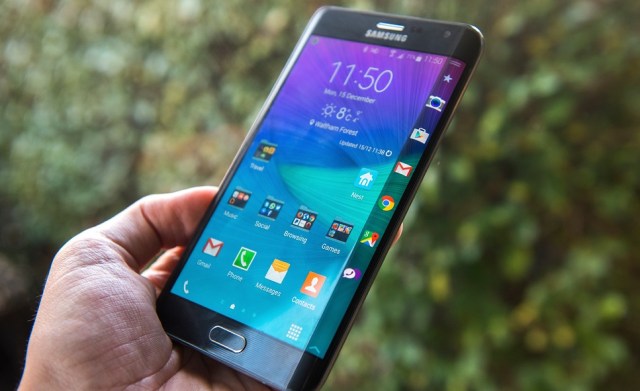
Samsung Electronics saw an estimated US$ 7 billion wiped off its market value on Thursday, as it released news that it would be delaying shipments of its Galaxy Note 7 smartphone for quality control testing, amid reports of exploding batteries. This could not have come at a worse time, as competitor Apple is expected to unveil their new iPhones next week.

In a key decision, the EC found that Apple’s deal with Ireland has violated the bloc’s state-aid rules and involved illegal assistance, via a highly favourable tax arrangement. The penalty of US$ 14.5 billion surprised some analysts but will serve as a warning to hundreds of other entities, with similar arrangements in countries such as Ireland, Belgium and Luxembourg. Both the Irish government and Apple will appeal the decision but there is no doubt that the country benefitted through the creation of new jobs (5.5k) and the company by a financial boost and a probable unfair advantage over competitors; it is estimated that Ireland is home to 700 US companies employing 140k. The US Treasury continues to watch proceedings with interest, worried that the US taxpayers will lose out and has already stated that the commission had overextended its legal authority and unfairly targeted US entities.

The English Premier League posted a record transfer window spending in August of over US$ 1.5 billion, compared to just over US$ 1.2 billion last year. The last day, 31 August, saw deals totalling US$ 203 million. The biggest signing, at US$ 117 million (the most valuable in transfer history), was that of Juventus star, Paul Pogba, by Manchester United’s new manager, Jose Mourinho; ironically, the French international left the same club in July 2012 after refusing to sign a new contract, much to the displeasure of the then Reds manager, Sir Alexander Chapman Ferguson.

With oil sales accounting for 70% of government income, it is no surprise to see Nigeria slip into recession after two quarters of negative growth, following Q2’s contraction of 2.1%. The country’s economic problems have been exacerbated by an 11-year high inflation rate of 17.1% and a failure to prop up the naira, by delaying its devaluation, with a disastrous consequence for its forex reserves.

Although still the world’s fastest growing major economy, expanding at an impressive 7.1%, India’s latest growth figure was down from 7.9% the previous quarter and also lower than analysts’ expectations. Despite the relatively disappointing return, an early interest rate cut is still on the cards. If the Modi government could get a handle on corruption, bureaucracy and lack of transparency, prevalent at government level, growth figures would almost certainly attain double digit levels – but ‘if’ is a big word!

In her recent keynote address at Jackson Hole, Janet Yellen conceded that with the job market improving, along with economic growth, even though disappointing, the prospect of a rate hike is a step nearer. She also remarked that the Fed is closer to its dual targets of employment maximisation and stability of prices. Following her unusually upbeat address to central bankers, a rate hike is inevitable this year and may come in September (but more likely later); any interest rise will only be the second in a decade and would follow the other hike last December.

Recent economic data confirms that the US economy is edging higher. July home sales witnessed their fastest rate increase in more than nine years whilst unemployment benefit claims dipped; in Q2, consumer spending was up by 4.4% and GDP growth was at 1.1%.

Although Q2 saw a 0.2% growth, the Greek economy is set for a further year of contraction and a mild recession. Weak consumer spending, continuing high unemployment levels (at over 24%, the highest in the EU), tight liquidity, disappointing export numbers and low investment indicate that the country is going nowhere fast. Last year’s US$ 95 billion bailout package seems to have been only a stop-gap measure, with little to show the Greek population for their pain of pension cuts and tax increases. Their enforced target of reaching a budget surplus of 3.5% of economic output seems to be only a pipedream – as does the EU’s estimate of 2.7% Greek growth next year.

Despite protestations to the contrary, it seems that the Remain camp painted a much bleaker picture of what would happen if Brexit occurred. The latest data bears this out with the UK manufacturing PMI climbing 5 points in August to 53.3 from 48.3 a month earlier following the referendum. Furthermore, August employment was up for the first time this year. It seems that the economy will not spiral into recession, as previously expounded by the Whitehall mandarins, and is likely to travel in the other direction.

Even more QE may be on the cards as eurozone inflation rate remained flat at 0.2% – some way off the ECB’s 2.0% target. With unemployment unmoved at 10.1%, it seems that more stimulus measures, in addition to those already in situ – the US$ 89 billion monthly bond purchases, interest rates at 0% and bank deposit rates of minus 0.4% – will have to be introduced.

A major blow to the bloc is the reported bid by France to call for a halt in the massive Transatlantic Trade and Investment Partnership talks between the US and the EU, with President François Hollande stating there would be no agreement until at least 2017. Even the German Economy Minister, Sigmar Gabriel, indicated that negotiations were effectively doomed. Not surprisingly, EU trade commissioner Cecilia Malmstroem disagreed that negotiations had failed. It will be interesting to see whether a single country – the UK – can come up with a US trade agreement quicker than a single bloc with 28 countries! Undoubtedly, no love is lost between the EU and US trade negotiators and the chances of any worthwhile deal being made are remote – the link between the two parties is no more than a Bridge Over Troubled Water.

Posted in Finance | Tagged , , , , , , , , , , , , , | Leave a comment

A Night At The Opera

dubai-opera-houseDubai’s construction boom is being fuelled by Expo 2020, increased tourist numbers and the fact that the population is set to grow by 38.2%, to 3.4 million, over the next four years. A recent BNC report estimated that there are 3.7k projects, valued at US$ 400 billion, ongoing in the emirate. Of this total 0.8k are currently on hold whilst the value of those in an advanced stage totals over US$ 100 billion. Three of the prominent developments are the US$ 2.1 billion Sobha Hartland, the Royal Atlantis Resort and Residences – Palm Jumeirah (at US$ 1.4 billion) and DIC’s Innovation Hub PT-163 (US$1.2 billion).

At last, a good news report on the Dubai realty sector with Reidin/Global Capital Partners forecasting an imminent increase in residential prices. This has arisen because of an upturn in the economic environment and developers maintaining a tight rein on supply of new property.

It had to happen in Dubai – Six Flags plans to build the world’s biggest roller coaster at its theme park due to open next year. The operator already operates 20 theme parks in North America, including New Jersey which currently boasts the tallest ride in the world.

Azizi Developments has launched its Roy-Mediterranean serviced apartment project, located in Al Furjan. The 271-unit building will be the developer’s 12th to date. The developer has also reported that 85% of its US$ 95 million, 90-unit Royal Bay Residence, scheduled for completion by Q2 2017, has already been sold.

Already with ten properties in the country, Rezidor, part of the Carlson Rezidor Hotel Group, will open The Radisson Blu Hotel, Dubai Waterfront within a year and The Radisson Blu Hotel, Dubai Canal View, by Q1 2018 – both properties are owned by Nash’at Farhan Awad Sahawneh.

Nakheel, the poster boy of Dubai’s 2009 debt crisis, has repaid a US$ 1.2 billion sukuk, to mark the end of its March 2010 US$ 16 billion debt restructuring programme to finally become a debt free company. The developer will soon be back in the market, so as to finance its massive project portfolio, including 21k residential units, 14 hotels/serviced apartments and up to 16 million sq ft of retail space.

Australian contractor, Landlease is set to construct Damac’s 50-storey Aykon Tower in London – its first in the UK. Situated in Nine Elms on the South Bank, the 360 luxury apartments, designed by Versace Home, will be completed by 2020.

With 200 ZOOM stores already operating in the UAE, Emirates National Oil Company plans to open a further 30 outlets every year for the next decade. ENOC has expansion plans in other GCC countries and expects to triple its current turnover by 2030.

A group of Chinese investors, led by Miteno Communication Technology Co, has acquired Dubai-based Media.net for US$ 900 million. The contextual ad network employs over 800 staff and reaches more than 100 million US desktop users.

SICPA has signed an agreement with Dubai Municipality to ensure the safety and origin of the container and contents of bottled water in the emirate. The Swiss secure identification company uses smart track and trace technology to ensure the product’s authenticity and specifications. The initial contract will focus on five-gallon water bottles but will be rolled out to encompass halal and other food products.

Aramex has signed an agreement with Dubai-based NewBridge Pharmaceuticals, to provide global logistic services.

Although equivalent to just two days of holiday traffic at Dubai International, Dubai World Central saw H1 passenger traffic nearly double to 410k. The main factor appears to be the arrival of flydubai, which is gradually moving all its operations to the new airport. Within two years, the facility is expected to see passenger numbers at 26 million. Cargo traffic fell 2.9% to 430k tonnes over the same period.

Two high profile cases involving senior executives have been reported this week. An unnamed person at Dubai Financial Market has been charged with forging documents to embezzle US$ 136k. He has allegedly been accused of profiting from public funds, by forging three cheques totalling US$ 545k, one of which he encashed. José Antonio López-Monís, the MD of HLG since 2012, has reportedly been arrested in Dubai “as a result of a complaint filed with police”. No further details were immediately available.

Dubai-based retail and hospitality company, Landmark, has signed an agreement with Abu Dhabi’s Reem Mall to open 23 stores. The 43-year old conglomerate represents some 55 brands and employs 55k in the MENA region and India.

Despite closing its flagship Oxford St outlet, within a year of its opening, Dubai-based The Toy Store is planning to open six stores in the UK. The RM Retail group also has operations in Bahrain, Oman and Qatar.

The London-based economic research consultancy, Capital Economics, has forecast that the UAE will record 2016 growth of 2.0% – its lowest level since 2010 – and down from the previous two years (2014 – 3.1% and 2015 – 3.8%); the good news is that they expect a pickup in 2017/18. The main drag factors have been attributed to the low oil price and fiscal tightening, in the wake of government spending cuts.

Drake & Scull, with a current workforce of 31k, is reviewing its business operations and looking for strategic investors to help boost its flagging business. With its share price having fallen over 10% since announcing a Q2 loss of US$ 57 million, and liabilities of US$ 1.7 billion, the Dubai-based construction and engineering company has been a casualty of the economic slowdown and delayed payments prevalent in the sector.

As reported in last week’s blog, DP World was planning to cut back on its immediate expansion in the wake of the global slowdown. Despite these softer market conditions, the port operator returned H1 increases in revenue – up 10.2% to US$ 2.1 billion – and profit by 50.0% to US$ 166 million.

As the banking sector sees diminished returns, mainly because of the low energy prices and a slowing global economy, many local financial institutions have been laying off staff. For example, earlier in the year Emirates Islamic cut 200 from its then 2.2k payroll and has just announced a further 100 redundancies, mainly in its SME section.

Abraaj Group is reportedly divesting its 66% share in Pakistan’s biggest utility company, K-Electric, thought to be worth in the region US$ 1.5 billion. It seems likely that a Chinese bidder, probably Shanghai Electric Power, will be successful but there are other Chinese and Pakistani companies showing interest in the Karachi-based power company, in which the government has a 24% stake.

The DFM opened on Sunday at 3472 and rose 0.6% to close the week on 3492 by Thursday (25 August 2016). Volumes, on the last day of trading were at 261 million shares, valued at US$ 97 million, (cf 122 million shares for US$ 53 million, the previous Thursday). Bellwether stock, Emaar Properties, was down US$ 0.01 to US$ 1.92, whilst Arabtec was also lower by US$ 0.02 at US$ 0.40.

Brent crude reversed its recent upward trend, closing the week US$ 2.00 lower at US$ 48.89; gold followed suit also down – US$ 32 – to US$ 1,325 at Thursday’s (25 August 2016) close.

Two of China’s major petroleum giants reported dismal results. PetroChina’s profit slumped 98% to US$ 80 million, whilst CNOOC posted a US$ 1.2 billion loss, compared to a US$ 2.2 billion profit a year earlier.

As with other major energy-related companies, it is no surprise to see Glencore Plc’s H1 profit sinking 66.0% to US$ 300 million. The company, currently valued at US$ 36 billion, has been undergoing major structural reforms including selling assets, divesting stock valued at US$ 2.5 billion, scrapping dividend payments and introducing massive spending cuts.

VW has settled week-long disputes with the Bosnian-based Prevent Group, supplier of seat and transmission components, and ES Automobilguss transmission-parts unit, which had halted production of its Golf hatchback and Passat sedan; the closure affected 27.7k employees. It is estimated that a closure of its Wolfsburg facility (responsible for its Golf production) would have cost US$ 113 million a week. The German carmaker is still reeling from the emission testing scandal for which it has already provided US$ 20.3 billion.

After several thousand job losses and aircraft sales, Qantas has managed to slash costs by US$ 1.2 billion over the past 30 months, including US$ 418 million for the current year ending 30 June. Consequently, with a record profit of US$ 1.1 billion, the shareholders will reap the reward of the 3-year restructuring plan, with their first dividend payment (US$ 0.05) in 7 years.

Having been hit with write-downs of US$ 2.0 billion ensured that Australia’s Woolworths posted a US$ 926 million annual loss – following last year’s profit of US$ 1.6 billion. Closing its hardware sector and underperforming stores were the reasons for the impairment provisions. It plans to sell its failed hardware chain Masters, with 8k staff, to Metcash for US$ 124 million.

Following its failed April attempt to take over Allergan, in a massive US$ 160 billion deal, Pfizer has confirmed that it is set to acquire US cancer drug firm, Medivation, for US$ 14 billion. The 12-year old company had seen its share value double over the past six months and the offer of US$ 81.50 per share was 21% higher than at the close of trading last Friday.

The US Treasury is not happy with the EC and its tax dealings with the likes of Amazon, Apple, DHL and Starbucks. It has accused the bloc of applying new laws retrospectively, overstepping its powers and targeting US companies. Although it acknowledges the problem of lucrative tax breaks introduced by countries such as Belgium, Ireland and Luxembourg, I guess their main beef is that the US taxpayer loses out.

With the hawkish Urjit Patel set to replace Raghuram Rajan as governor of the Reserve Bank of India, it seems that, although the market is a little nervy, there will be no immediate change in policy; accordingly, an early interest rate cut is unlikely. The new incumbent will have to keep an eye on inflation, as it has edged higher to 6.07% – well above the central bank’s 5.0% short-term target.

It is not all doom and gloom in the UK with certain sectors benefitting from the weaker pound. A CBI poll found that UK export orders have hit a two-year high with goods becoming cheaper for overseas purchasers, following the mini devaluation in sterling in the wake of the Brexit vote. Another report – by Global Blue – estimated that overseas visitors spent 7% more in tax free shopping in July than the same month in 2015.

There was also good news for the UK auto trade, with over 1 million vehicles built in the first seven months of the year – the first time since 2004 and 12.3% higher than the same period in 2015.

Another plus from the vote could see even closer ties with the UAE and expanded trade opportunities. In Q1, total trade topped US$ 1.8 billion, with imports of US$ 1.3 billion, reexports – US$ 0.4 billion – and US$ 0.1 billion worth of exports.

However, one potential loser is Scotland, with the national government there projecting an annual cost of US$ 14.5 billion, as a result of the June referendum, as well as tax revenues falling by US$ 4.9 billion. Furthermore, Scottish government’s North Sea energy revenue slumped by 97% to just US$ 79 million, compared to US$ 2.4 billion last year (and US$ 15.3 billion, seven years earlier). Consequently, the country’s fiscal deficit now stands at US$ 19.5 billion, equating to 9.5% of the country’s GDP.

It seems that so far Brexit has had little impact for the EU, although the bloc’s economy is still somewhat subdued. August’s Markit’s flash composite PMI for the Eurozone nudged up 1 notch to 53.3. Remarkably, France reported strong growth in its service sector, whilst Germany, although still healthy, headed in the opposite direction. However the bloc’s travel and tourism sector has been badly hit by recent terrorist activity and floods, with France the biggest casualty – the World Travel and Tourism Council estimate the French sector’s contribution to GDP will fall from 2.9% to 1.1%, with a loss of an estimated US$ 850 million in H1. With consumer confidence still low, Q3 EU growth will remain subdued at 0.3%, with little change in the 0.2% inflation rate.

The new opera house will have to pull out all stops as it joins the ranks of the likes of La Scala, Teatro di San Carlo, Teatro Colon, The Royal Opera House, The Bolshoi and Sydney. However, with its state-of-the-art audio-visual technology and innovative design, the 2k-seat venue will not only become the regional cultural hub but also a global centre for opera, theatre and the performing arts. At its opening this week, the Dubai public have the opportunity to see Plácido Domingo and become the first of many to spend A Night At The Opera.

Posted in Finance | Tagged , , , , , , , , , , , , | Leave a comment

Between A Rock And A Hard Place

Omran-DaqneeshHH Sheikh Mohammed Bin Rashid Al Maktoum has approved several projects as part of the emirate’s Traffic and Transportation Plan 2030. These include the Shindaga Crossing (to replace the current tunnel), several new marine stations, expansion to the Burj Khalifa metro station and a 120 mt JBR pedestrian bridge.

Emaar Properties continues with its recent flurry of launches; this time sees the release of two towers (52 storey and 46 storey) – Act One and Act Two. These residences, overlooking Dubai Opera, will house 718 luxury apartments.

Damac Properties is set to sell individual plots in its Akoya Imagine project, with prices starting at US$ 163k. The developer is also launching Tower 108 in JVC – a 33-storey building of serviced apartments, to be operated by Damac Maison de Ville.

A JV between Nakheel and Spanish hospitality giant, RIU Hotels & Resorts, has started work on the US$ 245 million, 4-star, 800-key resort hotel on Deira Islands. Situated on a massive 3.4 million sq ft plot, the project is slated to open in Q1 2019. Other developments on the man-made islands include Deira Mall and Deira Islands Night Souk.

UAE-based Dhabi Contracting LLC won a US$ 409 million Nakheel contract to build its 2 million sq ft Al Khail Avenue retail, dining and entertainment hub, including 350 outlets and a 252-key, 18-floor hotel. Located on the edge of JVT – a 13k residence community – the project is set for completion by early 2019.

Nakheel is also planning to launch a Dine-In Cinema in its 1.4 million sq ft The Pointe development, adjacent to Atlantis The Palm. The facility will be managed by Reel Cinemas, part of Emaar Entertainments, who earlier signed a contract for a 14-screen operation in Al Khail Avenue mall.

Adjacent to two of its other attractions, Dubai Safari and Pet Market, Dubai Municipality announced that its 20k sq mt, US$ 6 million Crocodile Park will open by the end of the year.

MarketView reported that residential property prices have fallen 12% on average, over the past 12 months, and 2% quarter on quarter – the 6th straight quarter of falls, resulting in a 12% year on year decline. CBRE put a slightly lower estimate on Q2 prices falls and expect an average dip of 3% – 5% in the coming months.

According to the latest RICS report demand for commercial property fell for the third quarter in a row caused by the ongoing economic slowdown and a disappointing take-up of increased supply.

Latest STR figures confirm that the Dubai hospitality sector (along with the rest of the region) continues to face tough market conditions. In June, occupancy levels sank to just 51.2%, compared to 67.5% a year earlier. Other indicators headed south, including average room rate (down 9.2%), revenue per available room falling 31.1% to US$ 88.30, total revenue per available room to US$ 187 and gross operating profit per available room to just US$ 12. (Currently, the emirate has 67 hotels, with 20.9k keys, in the pipeline to be built prior to Expo 2020).

June passenger traffic fell 1.0% to 5.9 million compared to a year earlier, although H1 numbers were up 5.8% to 40.5 million. Both June and YTD cargo figures for Dubai International were positive – up by 3.9% to 226k tonnes and 3.8% to 1.28 million tonnes respectively.

Wilo is expanding its operations in JAFZA South and is to build new offices, a warehouse and training academy on a 8k sq mt site. The German pump manufacturer expects the new facility to open in late 2017.

According to Qatar-based Al Maya Group, the owner of the failed BHS franchise in the UAE, five branches of the UK retailer will close, including four in Dubai – Al Ghurair Centre, Dubai Mall, Festival City and Lamcy Plaza.

The Fathima Group is set to develop a US$ 19 million, 100k sq ft food manufacturing plant, as well as a US$ 30 million corporate office and logistics centre in DIP. The UAE-based retailer is also set to spend a further US$ 54 million to open four hypermarkets in the country, two in Saudi Arabia and one in Thrissur in India.

According to recent reports, UAE personal debt has risen 7.5% to US$ 117.2 billion over the past year, equating to an average resident outstanding of nearly US$ 12k. It appears that as remuneration levels are not keeping up with increases in living costs, such as housing and education, people are having to borrow more.

DP World has signed an agreement with US company, Hyperloop One, to study the operation and financial viability of a tube-based transport system, for use at its home base of Jebel Ali. Reportedly the pods used – for both cargo and people – can travel at an impressive 1.2k kph.

The port operator has also seen its long-term issuer default rating upgraded by Fitch from BBB- to BBB, with the credit agency maintaining the company on a stable outlook.

Although H1 revenue was up 10.2% to US$ 2.0 billion (and 2.5% on a like to like basis), DP World has cut back on its ambitious expansion plans, in the wake of the global economic slowdown and softer market conditions. It will now delay both the 1.5 million unit expansion due for Terminal 3 until next year and construction of Terminal 4 until a later date, when trade conditions so warrant.

Shuaa Capital posted a Q2 loss of US$ 14 million, as revenue dipped 25.0% to US$ 12 million. The Dubai-based investment bank attributed the disappointing results to a US$ 15 million impairment charge, (relating to its SME lending unit, Gulf Finance), low oil prices and volatile financial markets. In June, the Dubai Banking Group, the global Shariah compliant financial investor of Dubai Group, divested its 48.3% shareholding in the firm to Abu Dhabi Financial Group for a reported US$ 98 million.

Another offshoot of Dubai Holding, Dubai Financial Group, has sold its 11.8% share in Egyptian investment bank EFG-Hermes to Natixix. Although no figures were available, the deal could be worth just over US$ 100 million. (In 2014, the ultimate holding company, Dubai Group, negotiated a US$ 10 billion creditors’ restructuring programme).

There have been mixed results emanating from the June reporting season. Amanat Holdings posted a US$ 6.5 million H1 profit – up from US$ 400k a year earlier. Meanwhile Amlak Finance recorded a six fold increase in half yearly profits from US$ 4 million to US$ 24 million, largely on the back of one-off sale of land plots in Q1. However, because of increased provisions (US$ 8 million) and a fall in real estate prices, the company made a Q2 loss of US$ 10 million. Damac saw a slowdown in Q2 profit, with a 37.6% slide to US$ 242 million, and H1 results down 27.0% to US$ 529 million.

Marka, a retail firm with 50 outlets and a further 19 to open this year, posted a US$ 5 million loss, despite an 18.2% hike in quarter on quarter revenue to US$ 24 million. Another company in negative territory was Dubai Parks & Resorts reporting a Q2 loss of US$ 16 million – almost four times the deficit recorded in the same period last year. Opening in October, the theme park expects first year revenue of US$ 654 million and a marginal loss of US$ 10 million followed by profits in the ensuing two years of US$ 29 million and US$ 68 million respectively.

Still in negative territory, Arabtec reported a Q2 loss of US$ 51 million, compared to a US$ 196 million deficit a year earlier, despite a 20.9% hike in revenue to US$ 589 million. The developer indicated that it has a current project portfolio of US$ 6.2 billion – 12.5% higher than this time last year.

Despite income from its properties rising 29.3% to US$ 10.6 million, Nasdaq Dubai-quoted Emirates Reit posted a 63.8% slump in Q2 profits to US$ 9.4 million.

The DFM opened on Sunday at 3524 and fell back 1.3% to close the week on 3472 by Thursday (18 August 2016). Volumes, on the last day of trading were at 122 million shares, valued at US$ 53 million, (cf 122 million shares for US$ 53 million, the previous Thursday). Bellwether stock, Emaar Properties, was down US$ 0.03 to US$ 1.93, whilst Arabtec was US$ 0.01 higher at US$ 0.42.

Brent crude continued its recent upward trend, closing the week US$ 3.81 higher at US$ 50.89; gold was also up – US$ 15 – to US$ 1,357 at Thursday’s (18 August 2016) close.

This week saw the death of one of the most corrupt sports administrators and the arrest of a leading Olympic official. Joao de Havelange was President of the Brazilian Sports Confederation for 25 years to 1973, President of FIFA from 1974 – 1998, Honorary President of FIFA from 1998 – 2013 and a member of the International Olympic Committee from 1963 – 2011. In 2012, Swiss prosecutors found that he and his son-in-law, Ricardo Teixeira, had taken at least US$ 41 million in bribes for World Cup marketing rights.

Meanwhile Ireland’s now infamous ticket tout, Patrick Hickey, president of the European Olympic Committee, was arrested in Rio for being involved in a lucrative ticket-scalping scheme. It is alleged that he could have made a US$ 3 million profit by using his status to help “transfer tickets to an unauthorised vendor who would set high fees and disguise the transaction as a hospitality package.”

Last November, IAAF president (from 1998 – 2015) Senegalese Lamine Diack was arrested in France on suspicion of corruption and money laundering. It was alleged that he had received Russian kickbacks for covering up positive doping tests of their athletes. A later World Anti-Doping Agency report stated that corruption was “embedded” in the world athletics body and that Diack was responsible for organising and enabling the conspiracy and corruption.

Recent events just serve to confirm that along with the shenanigans of Sepp Blatter and his cronies, sporting world bodies, such as the IOC and IAAF are just as rotten as FIFA. It does not take too much imagination to think that other sports could be tarnished by the same brush.

Cisco Systems is set to cut its 70k workface by 20%, as the network equipment maker focuses on shifting its core business from hardware to software-centric. The US company is not the only tech giant laying off staff and follows the likes of HP Inc (33k), Microsoft (18k), Nokia (15k) and Intel (12k).

The Walmart-owned supermarket chain, Asda, one of the UK’s “big four”, posted its 8th successive quarterly fall with a Q2 7.5% drop, following a 5.7% decrease in the previous quarter. A five-year US$ 2 billion investment plan to revive the supermarket’s fortunes, which will see reduced prices and enhanced ranges, aims to keep in touch with Sainsbury’s, Tesco and Morison’s along with the ever expanding threat of the newcomers – Aldi and Lidl.

It is interesting to note that online sales in the UK now account for 14.2% of all retail purchases having jumped 16.7% in July. One company taking advantage of this change in consumer buying habits is Amazon. The online retailer, having already invested US$ 6.0 billion in the country over the past five years, is planning a 55% jump this year in its workforce to 15.5k.

The bad man of UK retailing, Sir (?) Philip Green, has been told not to “swan about” on his newly acquired US$ 131 billion super yacht in Greece and return to sort out the mess he left when he sold BHS for US$ 1 to former bankrupt Dominic Chappell. The retail chain collapsed in April with 11k job losses and a US$ 900k pension black hole affecting 22k former staff.

A UK study has revealed that 23% of all insolvencies in 2015 were the result of late or non-payment of accounts, with the problem rapidly deteriorating. If there were a government strategy to address this problem, then many of the 16k SMEs that failed last year would still be adding value to the economy.

Unemployment figures in the UK continued to fall – in Q2, 52k fewer meant that 1.64 million (equating to 4.9%) people were out of work whilst 31.8 million were in employment at the end of June. Pay growth – at 2.3% – also improved on the previous month. These are the best employment figures since August 2005.

Despite a seasonal increase in tax receipts, UK’s budget surplus at US$ 1.3 billion was lower than market expectations and 16.3% lower than the surplus in July 2015. Q2 public borrowing, at US$ 31.0 billion, was 11.0% lower than a year ago but this is still below the government’s 26% target; this in turn restricts what Chancellor Philip Hammond can do to boost the post Brexit economy when he launches his autumn budget later in the year.

Although CBA posted a 3.0% hike in annual profits to US$ 7.0 billion, another credit agency has voiced their concern. Low wage growth, historically low interest rates, surging house prices and record household debt are the main drivers that prompted Moody’s to down grade Australia’s banking system (as well as the big 4 banks – ANZ, CBA, NAB and Westpac) from stable to negative. Private sector credit has jumped 12% to 155% of GDP since January 2014, as bank profits fall following the commodity slowdown. (This week, Woodside Petroleum posted a 50% slump in H1 profits to US$ 340 million, on a 9% hike in revenue to US$ 1.9 billion, as BHP recorded a massive US$ 6.4 billion annual loss).

While it has issued earlier warnings the same agency has maintained the country’s prized AAA rating – one of the few in the world. Moody’s reaffirmed its stable outlook on the basis that Australia has managed somehow to escape much of the economic malaise faced by other developed countries.

However, the country that relies a lot on its Chinese relations (especially trade and travel) could be heading for a bumpy ride. Earlier in the year, the Turnbull government blocked the Chinese from acquiring S Kidman & Co, that owned almost 1% of the country’s landmass, and this week stopped them bidding for power generator, Ausgrid. Worries about security were deemed more important than economic benefits. To add to their woes, it seems likely that another leading trade partner, USA, may lean on them to assist if freedom of navigation in the South China Sea becomes more of a problem and action has to be taken. How the Chinese would react will not be to the liking of Australia – a country that will find itself Between A Rock And A Hard Place!

Posted in Finance | Tagged , , , , , , , , , , , | Leave a comment

The Way The Wind Blows

mark-carneyAccording to ValuStrat’s projections, there are already some indications of a slight firming up in home rents. Median asking rents were 1.3 per cent higher than in Q4-15 and 2.8 per cent over Q1-16. Clearly, some of Dubai’s landlords are confident enough to demand more. Whether they are getting is another matter. (The ValuStrat data is based on a selection of freehold clusters alone).

Tristar Engineering has won a US$ 82 million tender for infrastructure work in the Residential District of Dubai South (formerly known as Dubai World Central), for completion by the end of 2017. Last month, the authority awarded contracts totalling US$ 272 million for various project developments, within the same location.

Nakheel is planning another property in Dragon Mart – a 295-key, 3-star hotel – on a 5.6k sq mt site, with a built up area of 16.9 sq mt. The developer is scheduled to have 10 hotels in the emirate within the next five years.

Already with a presence in Nanaimo, Prince Rupert and Vancouver, DP World has signed a 30+ year lease to run one of Canada’s largest ports -St John in New Brunswick. The Dubai-based operator will start managing the container terminal next year and work with the port authority to manage and expand its operations thereafter.

With more than 90 brands in its portfolio, including Ace and Ikea, Al Futtaim is working with UK agency, Dalziel & Pow to create Homeworks – an upmarket DIY model. Initially, it has plans to open three trial stores in the MENA region.

According to a recent Alpen Capital report, a total of 1.4k new schools will be needed in the UAE within the next four years, as the number of students is set to rise by 19.0% to 15 million. The study indicates that the GCC will require 51k new establishments before 2020, of which 41.7k will be in Saudi Arabia.

Dubai Health Authority’s four main hospitals are seeing more patients, with H1 numbers up to 524k; Dubai Hospital accounted for 38.0% of the total followed by Rashid (33.1%), Latifa (16.6%) and Hatta (12.3%).

A break-up of the 273.5 million journeys made on Dubai’s public transport in H1 – up 0.8% on last year – is as follows:

Metro 96.5
Bus 69.9
Taxis 97.4
Marine 7.1
Tram 2.5
273.5

The RTA network accounts for 15% of Dubai’s total transport requirements, compared to just 6% a decade earlier. It is also considering a feasibility study for Dubai Tram’s phases 2 (Burj Al Arab and MoE) and 3 (Beach Road to 2nd December Street).

Emirates is reportedly planning to raise an 18-month US$ 2.5 billion bridging loan, at 135 points over Libor, to finance up to ten A-380s, for delivery this year. This may be replaced by funding from the European ECA, if it becomes available over this time period, before being converted to a standard 12-year facility.

Novus Aviation Capital has announced the purchase and leaseback of three Boeing 737-900ERs from Indonesia’s PT Lion Mentari Airlines. The Dubai-based private aircraft leasing company, established in 1994, co-owns and manages assets valued at around US$ 3 billion.

The Emirates NBD July manufacturing and services UAE PMI indicated that business activity rose from 53.4 to 55.3, as there were impressive growth in both output (up 3.2 to 62.1) and new orders (up 2.7 to 57.5).

The former head of the Ras Al Khaimah Investment Authority could face further charges relating to a US$ 1.5 billion fraud, after being convicted in absentia for causing “wilful loss to public funds and misfeasance in public office”. Dr Khater Massaad was chief executive of Rakia from 2007 – 2012 and reportedly had other business interests

The DIFC saw the value of cases heard in the Court of First Instance surge 47.6% to US$ 937 million in the first six months of the year. The number of enforcement and arbitration cases rose by 33 to 50 and 6 to 23, as the average claim rose to US$ 8.4 million (from US$ 1.6 million) and fell to US$ 22.3 million (from US$ 36.0 million) respectively.

MAF Group posted a 10.9% hike in H1 revenue to US$ 4.1 billion as its EBITDA (earnings before interest, tax, depreciation and amortisation) rose 5.6% to US$ 518 million. The local conglomerate, with total assets valued at US$ 14.2 billion and a net debt of US$ 2.7 billion, has several divisions including Retail, Properties and Ventures. The former saw both revenue and EBITDA up by 9.0% to US$ 3.4 billion and 2.0% to US$ 159 million; during the period, it opened 11 new stores, bringing its total number of outlets to 160 across 15 countries.

Dubai Investments, which owns over 40 JVs and subsidiaries, reported H1 total income up 18.1% to US$ 373 million, as profits, attributable to shareholders, nudged 2.0% higher to US$ 141 million, At the end of June, the firm’s total assets were valued at US$ 4.3 billion, compared to total liabilities of US$ 1.2 billion.

Dubai International Capital, the international investment arm of Dubai Holding, is reportedly seeking potential buyers for its UK engineering company – Doncasters Group – valued in the region of US$ 2.2 billion. The private equity firm acquired the aerospace parts maker from RBS in a 2006 deal, worth US$ 923 million.

After last week’s acquisition of 9.9% of Aramex, Mohammed Alabbar has led another company, Jaona Investment, to buy a further 6.55% in the Dubai-based courier. It seems that this is part of a strategy to build an extensive regional e-commerce platform. Interestingly, this week, Australia Post (the world’s 4th biggest ecommerce logistics firm after DHL, UP and FedEx) has acquired a 4.5% stake in the courier company for around US$ 100 million.

Having sold his 9.9% holding in Aramex, its founder, Fadi Ghandour, is reportedly launching a US$ 500 million e-commerce venture capital fund. The Wamda Capital II fund will aim for early start up regional tech companies, with average investments of up to US$ 5 million and lower.

Gulf Navigation posted a 43.0% jump in H1 profit to US$ 4 million, as revenue increased by 6.1% to US$ 20 million; Q2 profits were up 40% to US$ 2 million on flat revenue of US$ 10 million. The Dubai-based shipping company still carries net liabilities of US$ 160 million and has accumulated losses of US$ 62 million.

Whilst Etisalat posted a 51.0% surge in Q2 profits to US$ 627 million, the country’s second telco, Du recorded an 11.3% slide in quarterly profits to US$ 121 million, as revenue remained flat, at US$ 836 million.

Emaar Properties posted a 7.6% hike in Q2 net profits to US$ 346 million, as revenue pushed up 6.6% to US$ 1.02 billion. Its shopping malls/hospitality sector and international operations contributed US$ 371 million (36.5%) and US$ 145 million (14.3%) respectively to the turnover figure. H1 revenue at US$ 2.84 billion was 23.0% higher than last year and resulted in a 12.0% increase in profit to US$ 676 million.

The DFM opened on Sunday at 3519 and fell back 1.3% to close the week on 3472 by Thursday (04 August 2016). Volumes, on the last day of trading, were at 171 million shares, valued at US$ 65 million, changing hands, (cf 461 million shares for US$ 156 million, the previous Thursday). Bellwether stock, Emaar Properties, was down US$ 0.03 to US$ 1.84, whilst Arabtec was US$ 0.01 higher at US$ 0.41.

Brent crude arrested its recent downward trend, closing the week US$ 1.59 higher at US$ 44.29 – whilst gold was much higher, up US$ 35 to US$ 1,367 at Thursday’s (04 August 2016) close.

Because of the state of the industry, there was no surprise to see Chevron record a 27.5% fall in Q2 revenue to US$ 29.3 billion, resulting in a net loss of US$ 1.5 billion. In H1, the oil giant had made a US$ 2.2 billion loss, compared to a US$ 3.1 billion profit over the same period in 2015.

Bedevilled by depressed commodity prices, Rio Tinto reported its worst profit figures in 12 years, as H1’s figures fell 46.6% to US$ 1.56 billion. Over the period, the mining giant has slashed spending by 48% to US$ 1.3 billion, sold under-performing assets, maintained capital spending at US$ 4 billion and managed to cut its net debt by 6.5% to US$ 12.9 billion.

In a US$ 35 billion deal, Uber has agreed to merge its Chinese business with its larger local rival, Didi Chuxing. The US firm has failed to make much impact in China since its 2014 launch and has put its annual losses at over US$ 1 billion; this deal sees it holding a 20% stake in the new entity. Also this week, Uber announced a US$ 500 million investment in a global mapping project, as a precursor of the driverless car era. The executive in charge of the project, Brian McClendon, was formerly head of Google Maps.

Having bought the Californian-based navigation software firm Telogis for an undisclosed amount and Yahoo for US$ 4.8 billion, Verizon is planning another acquisition. To further expand its reach in the vehicle tracking sector, the leading US wireless company hopes to conclude a US$ 2.4 billion deal for Fleetmatics Group – a company that saw its Q1 revenue increase by 21.0% to just US$ 79 million!

It is rather surprising to see that, despite the vehicle emission scandal, VW has taken over the top spot mantle from Toyota in H1 vehicle sales. The Japanese carmaker had held its No1 position for the past four years but its 4.99 million unit sales (down 0.6%) was not enough to beat VW’s 5.12 million (up 1.5%). GM’s unit sales fell by 1.2% to 4.76 million – but still good enough to secure 3rd place.

Tesla reported their 13th straight quarterly loss with a Q2 US$ 293 million deficit, as sales reached US$ 1.6 billion. Elon Musk’s electric car company also missed production targets of 17k units by 15.3%, whilst new orders were 67% higher than the same period last year.

Sony posted Q2 profits of US$ 205 million and remains on course to meet its annual target of US$ 775 million.

Alphabet, Google’s parent company, came out with stellar figures a week after Apple posted a disappointing 27.0% fall in Q2 profit to US$ 7.8 billion, on a 14.6% drop in revenue. It reported a 21.0% jump in revenue to US$ 21.5 billion, as its bottom line rose to US$ 6.9 billion.

It seems that new PM, Theresa May, is having second thoughts about the US$ 21.6 billion Hinkley Point nuclear power plant – the most expensive ever built! Just a day before its official launch, the government announced a 3-month delay to further review the details. Whether it is the costs, Chinese involvement (30.5% stakeholder) or the rate (US$ 122 per megawatt hour) agreed to pay the French builder, EDF, there are many that think it is a too high a price to pay.

Last month, it was the previous EU chief getting flak for joining a financial institution. Now it is the turn of the former Bank of England governor, Mervyn King, joining Citigroup as a senior adviser. This is the same man who has, in the past, reportedly described bankers as “incompetent and greedy” and he joins a long list of ex-government technocrats “going to the other side”; Ben Bernanke, the ex-Fed Reserve Chairman is employed by Pacific Investment Management Co and former US Treasury Secretary Timothy Geithner is with Warburg Pincus.

With all the scams and scandals in the industry, the surprising thing is the paucity of corrupt management being prosecuted and sent to jail. This week, three Anglo Irish Bank con men were sentenced to up to 42 months inside for manipulating US$ 8.0 billion in deposits by obvious sham transactions. The subsequent 2009 government bailout cost Irish taxpayers US$ 33.5 billion!

Despite doubling its H1 profits to US$ 3.3 billion, Lloyds expects a slowdown in growth, as interest rates will inevitably fall. Accordingly, it is taking measures to slash this year’s costs by a further US$ 530 million (and US$ 1.85 billion by the end of 2017). In the 4-year period to December 2017, UK’s largest bank will have seen its payroll reduced by 12k and the number of branches by 400.

Last week, major US banks and Deutsche had disappointing Q2 results – this week it is the turn of Barclays, as H1 profits tumbled 21.0% to US$ 2.7 billion. The bank is still paying the price for its past misdeeds and took a further US$ 530 million provision for costs associated with the Payment Protection Insurance (PPI) scandal.

HSBC posted a Q2 49.2% fall in pre-tax profit to US$ 3.1 billion, with H1 profit down 28.7% to US$ 9.7 billion; 83.5% of this total emanated from its Asian operations. The bank is also planning a share buy back in the region of US$ 2.5 billion this year. Meanwhile Standard Chartered reported a profit before tax figure of US$ 1 billion.

Barclays and RBS are among the 15 weakest of 51 leading European banks, based on tests by the European Banking Authority measuring how large financial institutions would fare in a major economic crisis. (RBS could still be fined up to US$ 10 billion by US regulators over its role in sales of mortgage bonds before the GFC). There is also real concern about the state of certain banks in countries like Italy and Portugal.

The RBA has cut Australia’s interest rate 25 points to 1.5% – a new record low. With inflation – at a 17-year nadir of just 1.0% – expected to remain at these levels, on the back of margin*      al growth in labour costs and low levels of business spending, this move is an attempt to boost growth.

As expected, Prime Minister Shinzo Abe approved a US$ 132 billion fiscal package to try and reboot the flagging Japanese economy. Three years of Abenomics – including promised structural reforms, a robust monetary policy and enhanced government spending – have failed to increase consumption and stimulate demand in the world’s 3rd largest economy. Whether these moves will meet the government’s aim to raise GDP by a further 1.3% is a moot point.

It seems that in 2010, the IMF defied its own rules by helping in the Greek bailout, despite widespread doubts about the country’s creditworthiness. Although involved in the first two bailouts, this last deal for a third US$ 96 billion rescue package did not include the fund’s participation – but there is mounting European pressure for their involvement again. It remains to be seen whether the fund will cow-tail to European (German) pressure, at the expense of the rest of the world. Under My Thumb

Q2 growth in the eurozone halved to 0.3%, compared to the previous quarter, as inflation rose 1 notch to 0.2% and the unemployment rate remained flat at 10.1%. Uncertainty following the Brexit vote is the reason given for these weak figures but the bloc’s problems have been apparent for a long time, with very little remedial action having been taken.

US Q2 figures disappointed the markets, growing at an annual rate of 1.2% – less than half of analysts’ expectations; Q1 figures were also revised downwards from 1.1% to 0.8%. Business investment lost 9.7% in the quarter, as inventories fell for the first time in five years, by US$ 8.1 billion. Furthermore, the country’s trade deficit widened, month on month, by US$ 2.2 billion to US$ 63.3 billion. However, it was not all bad news as consumer spending showed a major improvement at 4.2%. Nevertheless, the data seems to point to a rate hike later in the year, rather than next month.

Sterling took a tumble, falling at least 1% against other major currencies, when the Bank of England announced the expected reduction in interest rates from 0.50% to a record low of 0.25% – the first cut in over seven years. To help boost the flagging economy, governor Mark Carney increased BoE’s asset purchases by US$ 79 billion (buying gilts over the next 6 months) to US$ 570 billion and will oversee the buying of US$ 13.1 billion of corporate bonds.

Furthermore a US$ 131 billion Term Funding Scheme will allow high street banks access to cheap funding for both corporate and private consumption. Whether the triple whammy of almost negative interest rates, quantitative easing and further funding will work remains to be seen. Perhaps a weaker pound will help the country over the coming months as the Brexit turmoil continues to maintain economic uncertainty but we will have to wait to see The Way The Wind Blows.

Posted in Finance | Tagged , , , , , , , , , , , , , | Leave a comment

Long Hot Summer!

dubai-stepsDubai Municipality is still considering the whereabouts of a new tourist landmark, Dubai Steps – potential locations include Dubai Creek, Dubai Marina and Union Square. The 100 mt, 500-step structure will be unique because it will lead to nowhere.

Following its success with its initial release last month, Dubai Properties launched phase 2 of Bellevue Towers project, located in Business Bay. The 23-storey tower will house 300 apartments and be ready for hand over in 2019.

The IMF notes that the quality of loans to Dubai households has improved, as the ratio of non-performing accounts has fallen from 10.0% to 4.9% over the past three years – a sure indicator that this realty slowdown will not have the same negative impact as occurred after the GFC.

The authority estimated that Dubai’s average residential prices dropped 11% in 2015. Meanwhile JLL has indicated that over the past 18 months prices have fallen 15%, with villa prices in Q2 down 5%. Chestertons’ MENA reported that Q2 villa prices nudged 0.7% higher, whilst ValuStrat indicated a 1.1% decline over the same period.

As usual for Dubai realty, there are a plethora of conflicting reports about the state of the market. Phidar estimate that, quarter on quarter, there were 3.7% and 1.1% falls in apartment and villa prices. The firm expects further declines over the next 18 months, as institutional buyers and occupiers keep out, citing reasons such as the strong greenback and the uncertain economic climate. Land Sterling also reported Q2 falls in apartment prices – but at the much lower rate of 0.4%. On the other hand, Reidin has reported 1% increases in Q2 property values. Seven surveys, seven different findings!

A recent federal government directive sees SMEs, which are members of the Youth Project Development Organisation and owned by Emiratis, no longer requiring a bank guarantee to continue their businesses. The aims of the exercise are to encourage young locals to embrace the competitive knowledge-based economy and support their progress in a slowing economy.

One of Dubai’s lesser known free zones is Dubai Science Park and, as the name suggests, one of its main aims is to foster the growth of the UAE’s science sector. Among the facility’s 300 companies are a mix of SMEs and international companies, many of which will relocate to DSP’s new twin towers, on their completion early next year.

Thumbay Group has announced that it plans a US$ 327 million investment to build 6 hospitals and 12 clinics in various countries including the UAE, Egypt, India, and Qatar. Last month, the Dubai-based company had indicated it would spend US$ 163 million in the UAE on various healthcare and residential projects.

Following claims by the three biggest US carriers – American, Delta and United – that Gulf carriers, including Emirates, received massive government subsidies, it seems that the State Department, having studied the complaints, will take no formal action. The US administration has indicated that it will continue its commitment to the Open Skies policy and noted its economic benefits for the US economy.

Budget airline flydubai is travelling further afield, with news that it plans to fly to Bangkok, as from November. There seems to be a growing trend for such carriers to move away from just their traditional 4-hour or less routes to include longer-haul destinations. More effective and improved aircraft make this jump possible – the new Boeing 737 Next-Generation can now fly 37% further (up to 5.5k km) than older models.

A BMI report estimates that, following a decade of annual 17% asset growth, regional banks are set to see a marked decline to an average of 6%, over the next four years. The main driver is the slump in oil revenues, resulting in governments having to make good fiscal deficits, utilise local banks and reduce their spending.

Having already invested upward of US$ 900 million in Turkey, Dubai-based Abraaj Group has closed its 2014 Abraaj Turkey Fund I, which had raised US$ 486 million. The fund has already made two investments and focuses on mid-sized businesses that rely on domestic consumption, such as healthcare and logistics.

According to a recent study by TopHotelProjects, Dubai and Abu Dhabi have a combined total of 155 hotels projects (with 47.7k rooms) in the pipeline, with a further 28 (6.3k keys) in the other five emirates. Most will be ready for Expo 2020, with 56 and 58 slated for opening in 2017 and 2018 respectively. The top 10 Dubai hotel projects are:

  Keys Due Date
The Address Sky View 712 2016
Wyndham Marina 497 2016
Sky Central 672 2016
Lapita 503 2016
Tryp by Wyndham 672 2017
Royal Atlantis 1,050 2017
Rotana Al Barsha 528 2018
Bespoke 1,400 2018
Paramount 1,250 2018
Oyster Resort 1,748 Delayed
Total 9,032  

DP World reported a 1.2% increase in H1 gross container volumes on a like-for-like basis, handling 31.4 million TEUs (20’ equivalent units). Stronger results from Europe and India made up for “challenging” market conditions in Australia and Latin America, as well as a 6.0% domestic fall, as lower-margin cargo continued its downward trend.

The Dubai Chamber of Commerce and Industry has seen its membership grow 4.3% to 193k in the first half of this year; most of the new 8k members were SMEs. In H1, registered businesses recorded exports and reexports, totalling US$ 37.6 billion, with Saudi Arabia, at US$ 12.0 billion, the leading destination.

Privately owned Dubai-based Pacific Controls is reportedly in discussions with banks, in relation to a US$ 381 million debt restructure plan. The tech company, founded in 2000, is making use of a special mechanism, introduced by the banks, in order to help such companies affected by the likes of slow payments and working capital issues.

After four months of price increases, the Ministry of Energy has announced that Special 95 will drop 8.5% to US$ 0.44 per litre and diesel by 4.9% to US$ 0.48 for the month of August,

It is reported that the Emaar Properties Chairman, Mohammed Alabbar, has acquired 9.9% of Aramex from its founder, Fadi Ghandour, in a deal worth US$ 142 million. Its Q1 profits were up 11.9%, at US$ 26 million, and Q2 by 45.9% to US$ 34 million, compared to the same period in 2015.

Emaar Malls, 85% owned by its parent Emaar Properties, posted a 11.2% hike in Q2 profits to US$ 125 million, as revenue rose 10.3% to US$ 214 million.

Nakheel recorded a 4.0% hike in H1 profit to US$ 804 million, as it has handed over 1.2k residential units YTD. The developer also opened its first hotel, a 251-key property managed by Accor, located by the newly opened Dragon Mart 2.

Etisalat posted impressive Q2 consolidated results, indicating a 51.0% hike in net profit to US$ 627 million, as revenue moved 2.0% higher to US$ 3.62 billion. The telecoms company, with a 163 million-subscriber base, has declared a US$ 0.109 interim dividend.

Dubai Islamic reported a credible 11.1% hike in H1 net profit to US$ 545 million, as revenue jumped 16.9% to US$ 1.15 billion and impairment charges declined; Q2 profits were up 5.2% to US$ 272 million. Both net financing assets and customer deposits expanded by 12.0% to US$ 29.7 billion and 13.6% to US$ 34.1 billion respectively.

The DFM posted a 31.2% slump in H1 net profit to US$ 38 million, with Q2 profit down 59.6% to US$ 15 million. With overheads remaining relatively flat at US$ 13 million, the disappointing figures were the result of a 22.4% slide in revenue to US$ 62 million, of which US$ 50 million was attributable to operating income and the balance from investment returns. Trading value on the bourse in H1 was down 32.8% to US$ 18.9 billion. (The DFM is planning a new location in Business Bay, having received a 10k sq mt plot of land, valued at US$ 63 million, from Dubai Properties).

The DFM opened on Sunday at 3544 and fell back 0.7% to close the week on 3519 by Thursday (28 July 2016). Volumes, on the last day of trading, were at 164 million shares, valued at US$ 86 million, changing hands, (cf 461 million shares for US$ 156 million, the previous Thursday). Bellwether stock, Emaar Properties, was down US$ 0.04 to US$ 1.87, whilst Arabtec fell US$ 0.01 to US$ 0.40.

Brent crude continued its downward trend, closing the week US$ 3.50 down at US$ 42.70 – whilst gold was marginally higher by US$ 1 to US$ 1,332 at Thursday’s (28 July 2016) close.

Saudi Aramco has awarded a consortium, headed by Hydrocarbon Engineering (LTHE), a US$ 1.6 billion contract to develop the second phase of the Hasbah Offshore Gas Field.

BP reported a 44.6% fall in Q2 underlying replacement cost profits to US$ 720 million, as margins slid and oil prices remained low. The company also took another US$ 5.2 billion charge to cover liabilities from the 2010 Deepwater Horizon disaster, with the final bill being US$ 61.6 billion in legal fees, compensation pay-outs and government penalties.

McDonald’s reported a 3.6% fall in revenue to US$ 6.3 billion, whilst Q2 same-store global sales rose 3.1%; however the US increase was only 1.8% (compared to 5.4% the previous quarter). These returns were lower than market expectations, leading to some analysts predicting a further slowdown – and even a sector recession – within the next 12 months. On the bourses, leading fast-food chains – including Wendy’s, Red Robin Gourmet Burgers, Texas Roadhouse Inc and Noodles & Co – have seen worrying dips in share prices.

Troubled Mitsubishi, Japan’s 6th largest carmaker, had a disastrous quarter, as profits sank more than 75% to US$ 44 million, with revenue down 14.0% to US$ 4.1 billion. Nissan fared better recording a US$ 31 million Q2 profit, down 11.0%, as revenue fell 8.5% to US$ 25.0 billion, not helped by the strong yen. On the other hand, Peugeot Citroën more than doubled H1 profit to US$ 1.3 billion despite a fall in revenue and deliveries.

Although Airbus posted a 15.8% hike in H1 profits to US$ 1.96 billion on flat revenue of US$ 32.1 billion, it suffered a US$ 1.56 impairment relating to its gearbox problems with its military A400M model (US$ 1.15 billion) and other problems with the A350.

Malaysia Airlines has placed a US$ 5.5 billion order with Boeing for 50 Boeing Max planes as it continues to overhaul its aging fleet. The airline, taken over by the government following the MH370 incident, expects to return to profitability within three years and be listed on the local bourse thereafter.

Air France/KLM is still making losses; however, there has been an improvement with H1 2016 loss of US$ 125 million better than the US$ 174 million in the same period last year.

Deutsche Bank came in with worrying Q1 figures, as profit fell a disastrous 97.5% from US$ 877 million to US$ 22 million, with revenue falling 20.0%. Although its legal costs fell from US$ 1.32 billion to US$ 132 million, the bank still has to settle four large litigation cases, including forex manipulation and misselling of mortgage-backed securities.

As expected, Verizon Communication has acquired Yahoo, with the US telecoms firm paying US$ 5 billion for its search and advertising businesses. The deal does not include the company’s shareholding in Alibaba and Yahoo Japan, said to be worth in excess of US$ 40 billion. Yahoo posted a US$ 4.4 billion loss last year, when its share value plummeted by 34%; in Q1, it recorded a US$ 99 million deficit. Verizon’s Q2 profits have slumped 83% to US$ 702 million.

For the second quarter in a row the number of iPhones fell – this time by 15% to 40.4 million units in Q2; prior to this, sales of iPhones had never fallen since their 2007 launch. Apple posted a 27.0% drop in quarterly profits to US$ 7.8 billion on the back of a 14.6% fall in revenue to US$ 42.4 billion. As the smartphone accounts for up to 67% of the firm’s turnover – and sale numbers expected to dip over the coming months – profit improvements are not expected in the short term.

As active users rose only 1.0% to 313 million, the market was disappointed with Twitter’s Q2 revenue figure of US$ 602 million, even though it was up 20.0%, compared to the same quarter in 2015. The company seems to be moving to more of a breaking news and live video medium than just a social communication platform.

SABMiller shareholders are holding out for a better offer from brewing giant AB InBev, especially now that the pound has depreciated since Brexit. The previous offer valued the company at US$ 100 billion (£70 billion) which would now be worth US$ 92.4 billion. Now the offer has been upped to US$ 104.3 billion (£79 billion). If the deal were to go through, the new entity would produce almost 30% of the world’s beer.

Despite a major decline in fuel prices, American Airlines saw a 44.0% fall in Q2 profits to US$ 950 million, citing increased payroll costs, lower revenue and taxes, as the main reasons for this turnaround in fortunes. The world’s biggest airline also had a marginal reduction in revenue to US$ 10.32 billion.

The world’s last video cassette recorder will be produced by Funai Electric Co later this month. In 2000, the Japanese electronics made 15 million units, of which 70% were for the US market. Last year, with production down to an uneconomical 750k and the company facing mounting supply problems, the decision to cease production was taken.

Yet again another case of blaming Brexit – a Baker & McKenzie’s Global Transactions Forecast estimates that a disorderly exit from the EU could result in a reduction of US$ 1.2 trillion in mergers and acquisitions. However, the global M&A sector had already fallen 16.0% to US$ 1.5 trillion in H1, prior to the 23 June Brexit vote.

A former close ally of IMF chief Christine Lagarde has appealed a court decision forcing him to repay US$ 441 million; this was the sum that Bernard Tapie, also a confidante to the then-President Nicolas Sarkozy, was paid as compensation for a 1993 case against Credit Lyonnais. As French finance minister in 2008, Ms Lagarde approved this unusually high pay-out and now stands accused of negligence, with a possible (but highly unlikely) jail sentence in the offing.

With lethargic growth continuing, it is highly unlikely that Japan will meet its 2020 nominal GDP target of US$ 5.7 trillion by as much as 10%, with an estimated primary deficit of US$ 874 million. Abenomics is clearly not working for the world’s third largest economy and this despite a huge QE package, record low interest rates and structural reforms. Like the IMF, Prime Minister Shinzo Abe has a tendency to amend growth forecasts on a regular basis – and all downwards. On Wednesday, the government announced yet another stimulus package – this time totalling US$ 266 billion, in an attempt to get the economy moving.

Indicating that near-term risks have diminished, the Federal Reserve did not move on interest rates, maintaining them at record lows of 0.5%. The fact that household spending was higher, as unemployment rates head the other way, seem to be precursors of a hike in September, although inflation at 1.6% is still below the target number of 2.0%.

Much has been written about the shenanigans associated with 1Malaysia Development Bhd. Following US prosecutors alleging that at least US$ 3.5 billion has been misappropriated, 1MBD’s board has said that its 2013 and 2014 audited financial statements should not be relied on; at the same time, Deloitte, its auditors, resigned. The fund is under investigation in several countries, including Luxembourg, Singapore, Switzerland and US, for alleged corruption and money laundering. For Dubai residents and 1MBD stakeholders, it is going to be a Long Hot Summer!

Posted in Finance | Tagged , , , , , , , , , , , | Leave a comment

Where Have All The Flowers Gone – When Will They Ever Learn?

dubai-safari-parkIt is reported that what would have been the world’s largest hospitality and leisure development in 2007 could be revived. The US$ 27.2 billion Bawadi, a JV between Dubai Holding and Emaar Properties, was shelved as a result of the GFC. At the time, the project would have encompassed 70 million sq ft and included 51 luxury hotels, 6 million sq ft of commercial and retail space, 1.5k restaurants and 18k residential units.

Emaar’s latest launch consists of 147 1-3 bedroom exclusive apartments in Dubai Hills Estate, Mohammed bin Rashid City (MBR). Prices in this Acacia development start at US$ 272 million and the mid-rise tower will be completed by Q4 2018. The estate covers an area of 2.2 million sq mt, equating to about 20% of the landmass of MBR – being built by a Emaar/Meraas Holding JV. On completion, the new city will house 22k apartments and 4.4k villas, along with a boutique mall, two hotels, schools and leisure activities, including a golf course.

Plans are afoot to build the flower-shaped, eco-friendly Desert Rose City to accommodate up to 160k. The US$ 8.2 billion city will encompass 14k hectares, with 50% of the 20k plots allocated for affordable housing units. Dubai Municipality indicated that the city would be largely self-reliant utilising its own resources for communications, energy and transport.

Already with a US$ 817 million property portfolio under development, MAG 5 Property has appointed Fujairah National Construction Company as the main contractor for its US$ 52 million MAG 5 Boulevard project in Dubai South. The project will accommodate 1.2k units, with prices starting at US$ 104k; phase 1 is due for completion by Q4 2018.

Having recently handed over 328 residential units in phase 1 of its Living Legends Community in Dubailand, Tanmiyat Global has released 188 offices at its Exchange Tower in Business Bay.

Dubai Land Department posted that, although the number of H1 real estate transactions rose 22.8% to 28.3k, the total value dropped 12.4% to US$ 30.8 billion; the average transaction fell from US$ 1.53 million to US$ 1.09 million, as the impact of tightening liquidity and tougher mortgage requirements kicked in. Property sales (20k transactions) accounted for US$ 13.3 billion of the total transaction value, with mortgages (6.4k deals) accounting for US$ 13.2 billion.

The latest Luxhabitat report indicated a massive 13% drop in Q2 residential transactions as there was a marginal 0.3% increase in the prime residential sector (including DIFC, Downtown, JBR, Meadows and The Palm).

A triumvirate of Dubai authorities – Land Department, Economic Department and Municipality – is looking closely at the potential of, and the need for, affordable housing in the emirate. The group will analyse factors such as financing (from both sides – the developer and the end user), sector development and stimulation, as well as location.

Dubai South has awarded contracts in excess of US$ 272 million to a raft of companies, specifically for its Residential District adjacent to the Expo site. Eventually this area will house 10k villas / apartments, with a local population of 35k.

The Kuwait-based Action Group is to spend US$ 56 million to build a 220-key, 4-star hotel in Dubai Healthcare City. The property, to be managed by the Accor Hotels’ Novotel brand, is on a 26.3k sq ft plot of land that cost US$ 16 million.

A landfill site at Al Warqa’a has been transformed into a 199-hectare animal safari park, built to replace the outdated Dubai Zoo on Al Wasl Rd. The US$ 272 million facility, housing more than 5k animals, will be open to the public in Q4.

Empower won a US$ 490 million Nakheel contract to provide district cooling to JVC and JVT; the six new cooling plants will eventually provide 260k refrigeration tons for 400 buildings in the two locations.

Less than four weeks after Brexit, a recent local report found that it has had an adverse effect on Dubai’s retail and hotel sector, as average daily room rates fall 13%, year on year. Just like everything else that is heading south in the world, a good time to blame Brexit!

Troubled Arabtec is to receive a US$ 109 million debt facility from Aabar, a major shareholder. The money will be used to ensure expeditious delivery of its current project portfolio, at a time when the payment pipeline in the industry is getting longer, with margins falling.

Embattled Drake & Scull announced that it had been awarded a US$ 62 million contract for engineering, procurement and construction work at Iraq’s Zubair oil field.

In a further bid to diversify the country’s economy away from its dependency on oil, the UAE is planning to expand its manufacturing sector from its current 14% of GDP to 20% over the next five years.

The IMF has adjusted (again) its 2016 MENA growth forecast from 3.1% to 3.4%, as oil prices creep higher, but downgraded next year’s figure from 3.5% to 3.3%. The authority has also recommended that the UAE government should prioritise upgrading the quality of education, facilitating SMEs’ financing access and introducing a modern bankruptcy law.

The Department of Economic Development reported a 34.9% hike in Q2 transactions to 119.6k. Figures, such as increases in new licences (5.6% to 6.4k) and licence renewals (53.2% to 45.3k), indicate that the Dubai economy is weathering the global economic storm.

H1 inflation in Dubai rose to 1.75%, with the usual suspects – education (4.09%), housing (3.91%) and F&B (2.04%) – being the main drivers, whilst transport costs slid by 4.39%.

Sheikh Hamdan bin Mohammed bin Rashid Al Maktoum has launched the Dubai Future Accelerators, focusing on the identification and deployment of futuristic prototypes and products. The ultimate aim of the new initiative is to transform the UAE into a global capital “to explore and create the future”.

June saw the Money Supply aggregate M1 falling 1.6% to US$ 131.0 billion, with decreases in both M2 and M3 by 0.5% to US$ 321.6 billion and US$ 371.8 billion respectively. The UAE Central Bank also reported a 0.5% increase in gross bank assets to US$ 682.9 billion, with gross credit also up 0.8% to US$ 420.5 billion.

Deyaar Development reported a 19.2% fall in H1 profit to US$ 30 million, with Q2 profit falling 30.1% to US$ 16 million, compared to the same period in 2015.

Sister banks posted Q2 figures that were better than market expectations. Emirates NBD reported a 15.8% surge in profits to US$ 520 million (and a 12.0% hike in H1 profits to US$ 1.0 billion), as provisions for bad debts dropped by 30% to US$ 171 million; its non-performing loans ratio has fallen to 6.6%, from a 2012 high of 14.3%. Emirates Islamic Bank more than doubled its quarterly profit to US$ 25 million, as total income rose 11.0% to US$ 335 million.

Mashreq’s H1 net profit decreased 15.4% to US$ 334 million, with a Q2 profit of US$ 147 million, as operating income rose 6.7% to US$ 872 million. The bank’s total assets fell 0.4% to US$ 31.3 billion, whilst loans and advances increased by 2.6% to US$ 16.8 billion; non-performing loans stood at US$ 708 million.

Following two successful US$ 500 million bond issues in 2013 and 2014, Global Securities, a division of MAF Holding, has listed a third for US$ 300 million on Nasdaq Dubai.

The DFM opened on Sunday at 3472 and continued its recent good run, rising 2.1% to close the week on 3544 by Thursday (21 July 2016). Volumes, on the last day of the trading, were at 461 million shares, valued at US$ 156 million, changing hands, (cf 530 million shares for US$ 187 million, the previous Thursday). Bellwether stock, Emaar Properties, was up US$ 0.08 to US$ 1.91, whilst Arabtec remained flat at US$ 0.41.

Brent crude dipped, closing the week US$ 1.17 down at US$ 46.20 – whilst gold was marginally down US$ 1 to US$ 1,331 by the Thursday (21 July 2016) close.

Six years after the Deepwater Horizon drilling disaster in the Gulf of Mexico, it seems that BP’s final bill will come to US$ 61.6 billion in legal fees, compensation pay-outs and government penalties. To help finance some of this total, of which US$ 20 billion went to the US government, the oil company has had to shed US$ 30 billion of its assets.

Houston-based Halliburton posted a US$ 3.2 billion Q2 loss, as revenue came in at US$ 3.8 billion.

EU’s coffers will be US$ 2.9 billion better off, as it has fined four truck manufacturers for price collusion and passing on costs of emissions-reducing technology. DAF, Daimler, Iveco and Volvo/Renault had carried on this illegal practice for 14 years, with the fraud only coming to light when their competitor (and fellow colluder), VW-owned MAN, turned whistle blower – and escaped any punishment.

Despite posting a 4.8% hike in Q2 revenue to US$ 1.3 billion, (with a 50% jump in mobile revenue to US$ 378 million), Yahoo recorded a loss of US$ 440 million for the period. However, it is still trying to divest its core internet business, with interest being shown by Verizon, that recently acquired AOL, and T&T; any deal is expected to raise up to US$ 6 billion. The actual company has a current market value of US$ 35.8 billion.

Another major tech company, IBM, saw Q2 profits sink 27.5% to US$ 2.5 billion, as revenue fell 3.5% to US$ 20.1 billion. Once the leader in the PC market, “Big Blue” has been bypassed by other players and has seen sales slump. A revamp of the business model will see IBM move away from hardware to software, including security, business analytics and security.

Three major US banks reported falling Q2 profits, as the earnings season started in earnest. Bank of America’s earnings fell 19.4% to US$ 3.9 billion, as revenue dipped 7.1% to US$ 20.4 billion. Although its bond business and trading operations revenue rose by 14% to US$ 3.5 billion and 10% to US$ 4.7 billion, Citigroup’s net income fell 14% to US$ 4.0 billion. Meanwhile, Wells Fargo posted a 3.5% fall in quarterly earnings to US$ 5.2 billion.

Last Friday, the market valuation of ARM Holdings was US$ 22.4 billion. On Monday, 18 July, the UK technology firm’s board accepted a bid by Japan’s Softbank, valued at US$ 32 billion – a premium of 43%! Apple and Samsung use the microchips, designed by the Cambridge-based firm that employs 3k, for their smartphones. However, the sale is a major blow to the UK’s technology sector that has seen other major players – including Cambridge Silicon Radio (acquired by Qualcomm) and Autonomy (to HP) – being sold off to overseas interests. Full marks to the Japanese company, that also saved itself 10% because of the fall in sterling, but the new government should be more careful when looking after the country’s crown jewels.

The ECB President, Mario Draghi, seems to be fighting a losing battle as he continues with scant apparent support from the bloc’s governments to spend more. He is fighting fires on several fronts with little success – inflation levels hovering around zero, record low interest rates, double-digit unemployment levels, sluggish growth, an underperforming economy and increasing resentment to the “European Project”. The ECB’s monthly US$ 88 billion QE policy and almost negative interest rates have failed to move static inflation, boost investment, encourage consumer spending or increase the rate of public expenditure. It must be remembered that these problems cannot all be pinned on the current scapegoat – Brexit!

Another company apparently using Brexit as an excuse for its failing is Lowcost Travelgroup. As of last Friday, when the holiday booking company went into administration, it had 110k bookings and 27k customers actually taking their holidays. Other reasons for their failure included the turbulent financial environment, increased terror threats and intense competition. 80% of the total payroll of 570 was based in Poland, with the balance operating from the UK.

Fears of a slowdown in the Chinese economy seem to have been negated with Q2 figures indicating a 6.7% expansion, in line with Q1. The good news was that, with the benefit of government stimulus measures, industrial output and retail sales moved north, although private investment dipped to a record low. Interest rates have been at all-time lows since last October and there has been a surge in public infrastructure projects. But what the economy really needs is a major structural overhaul.

The Department of Economic Development has closed down Exential Group, a DMC company reportedly running a dubious forex trading scheme. Gullible investors were attracted by annual returns of 120% and yet again a duopoly of investors’ greed and ignorance has seen some residents’ fortunes disappear. Where Have All The Flowers Gone – When Will They Ever Learn?

Posted in Finance | Tagged , , , , , , , , , , , , , | Leave a comment