Wish You Were Here

The main drawback of living in one of the best locations in the world is that it comes with a price – Dubai has been ranked as the 22nd most expensive city globally and number one in the ME. The recent UBS survey confirms that you have to pay for what you get. Interestingly, it did show that the work ethic here is high with employees putting in more than 2,000 hours a year. Contrast that to workers in W Europe, who have much shorter working hours and the longest holidays, and you can begin to see why Dubai’s economic outlook is brighter when compared to many others.

Another indicator of increasing consumer confidence is the proposed IPOs from two of Dubai’s better known entities – Paris Gallery and the Al Habtoor Group. CEO, Mohammed Al Fahim, has had discussions with all the three local bourses with a view to taking Paris Gallery public. The company had a 2011 turnover of US$ 272 million including its Imperial Majesty No 1 perfume which sells for over US$ 300k – no surprise then that only 10 bottles have ever been produced! The latter, headed by Khalaf Al Habtoor, is looking at raising around US$ 1.5 billion, probably on Nasdaq Dubai. (Interestingly, Habtoor Leighton Group has just won a healthcare project in Saudi Arabia worth US$ 315 million – this coming a month after the Joint Venture secured a US$ 125 million Qatar tram project).

If either of these IPOs goes ahead it will be the first seen locally in over four years and may be a precursor of other family companies following suit. And if they were to list on Nasdaq Dubai, it would be a major boost for that exchange’s image and trading volumes since it currently trades only two companies.

On the subject of trade, increasing amounts of cargo are using Dubai International Airport. Consequently it is expanding its facilities to cope with the growing demand, as well as refurbishing its existing facilities – Hall A and Freight Gate 1. As part of its US$ 7.8 billion 2020 Strategic Plan, it will begin work on a 30,000 sq mt addition to the Cargo Mega Terminal which will result in a 25% annual capacity increase to 1.5 million tons. Additionally, construction has already commenced on a new transhipment facility with a 400k tons capacity.

To keep up with DIA, DP World is going ahead with major development plans on two fronts. A 400 metre quay extension to its Terminal 2 will allow the expanded 3,000 metre quay to handle six vessels of 15,000 TEUs simultaneously. To further build up capacity, and to cope with the expected increases in demand, at its new Terminal 3, the company has just signed agreements for the supply of 19 quay cranes and 50 rail mounted gantry cranes. The Jebel Ali Port has already moved a record 6.1 million TEUs in H1 and when these enhancements are in place in 2014, total capacity will be 19 million TEUs.

It is somewhat ironic that as the global economy continues to weaken, Dubai seems to be heading in the other direction. FedEx, the world’s second largest package delivery company, has issued a profits warning indicating that it will be 10% lower than first expected – because of a downturn in trade.

2012 has seen car sales go through the roof as a result of lower financing deals and increasing customer confidence. Some of the dealers, with growing sales, include Toyota – up 43% in the first eight months, Nissan ME with a 30% jump in Q1, Kia 37% up in H1 and Chevrolet up an impressive 40%. Even Ferrari ME saw a 7% rise in H1 sales to 190 vehicles.

One of these buyers must have been the driver – admittedly with many cars – who has committed over 12,700 offences and racked up fines in excess of US$ 3.8 million. The second driver on the police list owes US$ 320k covering 1,000 fines over the past 18 months.

The emirate’s retail and hospitality segment has received one of its biggest boosts for some time with Emaar’s launch of a 340 metre, 63-storey building with 200 hotel rooms and 542 serviced apartments. Slated for a 2015 opening, it will become the company’s third Address Hotel in Downtown and will further augment this sector which accounts for nearly 35% of Dubai’s economy – more than the combined totals of real estate and financial services.

Scarcely a week goes by without news of another major conference coming to these shores. This time it is the Association for the Advancement of Cost Engineering who will be holding their international conference here in November – the first time it has been held outside of the USA.

The Dubai retail sector, which contributes 12% (US$ 4.1 billion) to the emirate’s GDP, is expected to continue annual growth of at least 5.5% for the next three years. As indicated in last week’s blog, Majid Al Futtaim had reported impressive H1 results with a 17% hike in profits to US$ 410 million with total group assets north of US$ 10.0 billion. This week, MAF announced it intends to replicate its highly successful Mall of the Emirates in Cairo with a US$ 400 million Mall of Egypt complete with Ski Egypt.

Another Dubai-based company with overseas interests is Drake & Scull who have just been awarded a US$ 360 million contract, in a JV with Italy’s SICIM, to lay pipelines to develop an Iraqi oilfield. This is part of that country’s strategy to double its oil output within the next two years.

Obviously not resting on their laurels, having just helped Qantas out of their troubles, it is reported that Emirates are now in talks with troubled American Airlines over a new partnership deal. The American carrier filed for Chapter 11 bankruptcy protection in November 2011 and could obviously do with all the help that it can get – especially in these uncertain times.

Despite the doom and gloom in the banking industry, the 51 UAE banks – comprising 23 national and 28 overseas – saw their 2011 net profits surge 18.2% to over US$ 7.2 billion as a result of a 6.9% decline in interest expense and a 3.8% increase in net interest margins. By April 2012, net foreign assets showed a 78% year on year growth to reach US$ 45.0 billion with Assets up by 17.8% to US$ 122.7 billion and Liabilities down 1.3% to US$ 77.7 billion.  Whatever they do, and whatever the economic conditions, banks just cannot lose! (A pity about their level of customer service).

On the treasury side, it appears that the emirate is in the throes of issuing a bond to refinance a proportion of a US$ 1.8 billion sovereign debt due to mature next April.  Taking advantage of lower global interest rates and increasing industry confidence in its creditworthiness, Dubai’s credit default swaps now stands at their lowest level in four years. Empower continues to repay its loans – currently at US$ 326 million – on schedule with the latest loan instalment of US$ 22 million being repaid this week. The original loan was used to build plants and equipment for the district cooling provider in its various Dubai locations.

Just when we discover that 40% of the UAE population (including expatriates) is obese, the London-based Hummingbird Bakery – celebrated for its cupcakes – announces its first of twenty proposed  franchises in the ME opening in Dubai Mall (where else?) at the end of this month.

Not expanding as quickly as local waistlines is the UAE Consumer Price Index. Compared to the base year 2007, when the CPI stood at 100, it is  at 116.86 – a 0.33% increase on July 2012 and 0.95% up year on year.

The Dubai Financial Market continues its recent winning streak ending the week 2% up, or 31 points, at 1605 from a Sunday start of 1574. Not a bad year so far with the market up 18.6% and year on year 9.5% in front.

This week two more factors can be added to the mix to further exacerbate the current global economic malaise – East China Sea and the Strait of Hormuz. The political fallout over the disputed islands in the South China Sea has led to Japanese companies taking drastic action in China where all the leading vehicle companies, including Honda, Nissan, Mazda and Toyota have either stopped or suspended production. Major shops and supermarkets have taken similar action with I Holdings closing 13 outlets and 198 convenience stores, Aeon 30 (or 85%) of its supermarkets and Uniqio 42 clothing stores. Even Sony and Komatsu have shut down some of their operations. With bilateral trade worth US$ 345 billion, the worry is that if this continues it will not only damage trade between the two countries but will have a devastating impact at a global level.

The second factor begs the question of why there are navies from 25 countries carrying out the largest ever war games exercise near to the Strait of Hormuz – the seaway that sees 18 million barrels of oil pass through every day. Any blockade, which would be probably caused as a direct consequence of actions between the “2Is” – Israel and Iran – will have such a damaging effect on the economies of many countries which, in turn, will make the eurozone crisis pale into insignificance. (And there is an election in November).

Meanwhile the farce that is eurozone continues unabated. In Spain, it transpires that 10% of their bank loans (equivalent to US$ 221 billion) are bad with the July figures the worst on record. Their political obduracy will prove economic suicide as the likes of Prime Minister, Mariaono Rajoy, continue to declare that the EU and the ECB will not be permitted to dictate terms as a condition for buying that country’s bonds. It can only be a matter of time – say October – that a full Spanish bailout is on the table.

The latest figures from Greece indicate that their primary debt figure will overshoot 50% to 1.5% as the recession takes hold which has seen its GDP shrink 20% since 2008. Further, according to their Finance Minister Yiannis Stournaras, it also seems unlikely that they will be in a position to meet the troika’s request to cut their two-year budget by a further US$ 15 billion.

When you add Ireland and Portugal to these two ailing economies, it comes as no surprise to see that investors, from these four countries, have withdrawn from their banks US$ 410 billion in the past year and moved the funds to safer locations within the eurozone. So much for a common currency!

At times like this I guess many of you wish you were here (in Dubai).

Posted in Finance | Tagged , , , , , , , | Leave a comment

You’ll Never Walk Alone

Sunday saw the third anniversary of the Dubai Metro which has carried a staggering 184 million passengers. The 52 km long Red Line was the start of the operations and has transported 152 million passengers since September 2009 whilst the 23 km Green Line is only one year old.

DIFC is on track as well with latest figures showing office occupancy in the Gate District at 98% and a 41% annual increase in the issue of commercial licences. It is noteworthy that 36% of the regulated member companies are from Europe whilst 26% originate from the Middle East and 16% from North America. As would be expected, 17 of the top 25 global banks, 8 of the top 10 insurers and 10 of the top 20 money managers have a presence in the Centre.

Also improving is the Dubai Gold and Commodities Exchange where August volumes were 153% up on the preceding year with 939,000 trades valued at nearly US$ 35 billion – a jump of 71% compared to last year and 79% on the preceding month.

On the local corporate front, two companies were in the headlines. Dubai-based Shelf Drilling has just signed a US$ 1 billion deal to buy 38 oil rigs from the Swiss company, Transocean, in what is expected to be an 80% cash sale and 20% via seller financing. The second, Etisalat reported that it was selling most of its 13.29% stake (at a 9% discount) in the Indonesian telecom, XL Axiata, bought in 2007 for US$ 502 million. This could be the start of several divestments by the company which reportedly spent US$ 12.5 billion between 2004 and 2009 on acquisitions and investments.

The Dubai Financial Market had another flat week but ended up 18 points at 1574 from a Sunday start of 1556. So far this year it has seen an impressive 16.3% gain – an indicator of the growing confidence in the Dubai market. Year on year the market is 7.75% in front.

Just as turgid is the usual summer slowdown in the hospitality sector with Dubai hotel occupancy levels dropping in July to 70%, being further exacerbated by the start of the holy month of Ramadan. However there was an increase in the Average Room Rate (ARR) – up 6.4% to US$ 189 but with the inevitable decrease in food and beverage revenues over this period, it came as no surprise to see an 8.2% reduction in TRevPAR and GOP/PAR dropping 30% to US$ 45.

This sector will receive an extra boost early next year when Dubai hosts the American Society of Travel Agents International Destination Expo in April. It is expected that over 700 travel agents will attend and it will go a long way to promoting Dubai as a first class tourist destination in a country which has now become the emirate’s 4th most productive source market for travel.

News that yet another hotel is being developed – this time the world’s largest hotel provider, InterContinental,  is set for a late 2013 opening of a 132 room and 196 residential suite hotel in the Dubai Marina.

On the retail side, Nakheel has announced that it has completed the pre-letting of 88% of the leasing space available in its US$ 270 million extension to Dragon Mart, already the biggest Chinese shopping hub outside of that country. The remaining space has already been reserved for international retailers. When completed in Q3 next year, the complex will more than double in size to 330,000 sq mt.

Further evidence of the confidence returning to Dubai shopping came with MAF announcing a 10% hike in consumer spending at its local malls including Mall of the Emirates and Deira City Centre. As retail accounts for over 30% of Dubai’s GDP, this can only be seen as positive for both MAF and Dubai.

The impact of the European economic problems was evident in there being little or no growth in Dubai’s trade with the EU. H1 exports were up by 16% to US$ 1 billion, imports flat at US$ 16.6 billion and re-exports up 9% at US$ 3.3 billion. As overall trade was almost identical to H1 2011 at US$ 21 billion, it is a good job then that Dubai does not have to rely on Europe but was saved by impressive growth in other markets as global non-oil trade showed an impressive 12.1% hike to US$ 163 billion.

There was conflicting news this week from two separate reports. The first from Saudi’s National Commercial Bank indicated that UAE’s real GDP will grow 3.1% this year with much the same for the next two years. The other, from the UAE Central Bank, projected an even better result in 2012 indicating a 4.0% increase. Earlier in the year, the IMF was predicting a 3.5% growth whilst the UAE Ministry of Economy expected only a 3% growth. As long as one of these is correct then we will have had an impressive 2012.

The main message seems to be that Dubai and the UAE have recovered well from the loan defaults and real estate implosion that occurred following the GFC. For example, the country’s fiscal surplus has widened to nearly 4.7% (from 2.9%) as has its current account to 10.8% (from 9.2%). It is expected that the 2012 inflation rate will be up to 1.1% (from 0.9%) with slight increases to 1.5% and 1.7% over the ensuing two years.

A report from BNC confirmed UAE’s premier position as the Gulf’s largest construction project market – currently totalling a staggering US$ 680 billion of which 62% or US$ 435 billion are on hold. Another bank report (this time from the National Bank of Kuwait) blames the cancellation of mega projects in Saudi Arabia (US$ 958 billion as of last October) and UAE (US$ 354 billion) for a third successive annual decline in Foreign Direct Investment. Following its zenith in 2008, when FDI into the GCC stood at US$ 60.3 billion, the 2011 figure shows an annual 35% decline to US$ 25.9 billion. (Despite this, FDI into the UAE has actually grown since 2009). Not unexpectedly, FDI outflows showed a 53% annual increase to US$ 218 billion.

The local banks still have a significant exposure to real estate which comprises about 21% of their net loans equivalent to US$ 63.2 billion. Of this balance, 45% (US$ 28.5 billion) relates to individuals, 31% (US$ 19.5 billion) to corporate investors and 24% (US$ 15.2 billion) to developers.

The official US government export credit agency, Ex-Im Bank has underwritten a US$ 2 billion loan to the UAE nuclear power plant, Barakah One, in relation to US equipment and service providers. This will provide a welcome additional 5,000 jobs in the US. Last year, the bank provided US$ 415 million worth of export credit and has a current exposure in the UAE of US$ 3.7 billion.

The economic climate in the US is worsening and set to deteriorate even further by the end of the year. Furthermore the so-called fiscal cliff – proposed tax increases and US$ 480 billion public sector spending cuts due for early 2013 – has the potential to wreak more havoc on the global economy than the eurozone crisis. If left unchecked, this will be a precursor of a major recession and will see the US lose its much coveted AAA credit rating.

Even now, the economic slowdown is beginning to hurt the US with its July trade deficit growing 0.2% to US$ 42 billion. More worryingly was the fact of record trade shortfalls with China (US$ 29.4 billion) and the EU (US$ 12 billion). Exports fell 1% to US$ 183.3 billion whilst imports were at US$ 225.3 billion – a drop of 0.8% from June. In addition, August payroll figures were horrific coming in at only 96,000 new jobs created. It does appear that additional monetary policy action – QE3 – is badly needed – at least for a short-term fix.

On the other side of the Atlantic, Spain’s Mariaono Rajoy appears to be biting the hand that feeds him by declaring that he will not permit the EU and the ECB to dictate terms as a condition for buying that country’s bonds. The fact that he has broken election promises and that he has to go back to the polls by 2015 may be a reason for his intransigence.

This week has seen the 9/11 anniversary, US whistleblower Bradley Birkenfield receiving US$ 100 million for lifting the lid on tax fraud at UBS and the recognition of a major cover up by authorities relating to the 1989 Hillsborough football tragedy involving Liverpool FC. You’ll Never Walk Alone but unfortunately many have to when trying to discover the hidden truth.

Posted in Finance | Tagged , , , , , , , , | Leave a comment

What’s Going On?

A further sign of confidence in Dubai’s real estate sector was this week’s announcement that Dubai Properties Group (DPG) will resume work on its Mudon (“cities” in Arabic) development located in Dubailand. Although the initial US$ 11 billion project was for a 678 hectare mixed use development, including 3,200 villas and 8,500 apartments, the restarted work will cover only 350 villas. In July, Emaar acquired a plot of land, in the same location, from DPG for an undisclosed amount to develop a mixed-use neighbourhood As Dubai’s population is set to double over the next ten years, and the current demand for quality residences is buoyant, these two projects should prove profitable.

When announced at the height of the real estate frenzy, Dubailand was to be a US$ 90 billion project, twice the size of Walt Disney World. How times have changed!

Unfortunately, what has not changed are the real estate scams that were prevalent during the boom times. The latest rogue appears to be a certain Haitham Mahmoud Al Kouatly, CEO of Shamayana Entertainment, who has managed to con hundreds of Dubai residents in an elaborate scam involving millions of dirhams.

Cityscape Global will take place in the first week of October and organisers are expecting a 25% upturn in the number of delegates to around 22,000. This year, the event, which has been on the calendar since 2002, will see overseas exhibitors take up over 50% of the floor space. This strong global interest augurs well for the state of the local real estate sector.

The Dubai-based Islamic lender, Tamweel, forecast a 30% increase in 2012 loans to US$ 2.2 billion. It had already seen a H1 26% rise in home finance applications whilst property prices have risen on average 15%  over the previous eighteen months with higher increases in prime locations such as The Meadows, Business Bay and DIFC. It will be interesting to see their Q3 earnings report!

The property arm of Dubai World, Limitless, expects to finalise its US$ 1.2 billion creditors debt deal this month. This will not be the first time that the troubled company has rolled over its loan initially due for a March 2010 settlement.

Just as buoyant is the  travel sector with the strength of the ME carriers in evidence once again as IATA reported year on year traffic growth of 11.2% (compared to the global return of 3.4%) as well as a 12.4% rise in capacity. More strikingly, as global air freight demand fell 3.2%, local carriers saw a 16.0% jump year on year.

When Etihad began flying in 2003, the doom and gloom merchants were forecasting the imminent demise of Emirates Airline. Nothing could be further from the truth as the Dubai-based operator has gone from strength to strength to become the world’s largest international carrier.

As expected, Emirates have signed a 10-year codeshare deal with the loss making Qantas. This will see the Australian airline moving its European hub from Singapore to Dubai with potentially an additional 900 daily passengers arriving from Australia into Dubai. The existing 17-year QF/BA arrangement and the QF/Oneworld alliance must now be in some doubt.

At the same time, Dubai International Airport has just announced that July saw over 5 million passengers – the highest monthly figure ever recorded and 6% up on last year. The YTD figure of nearly 33 million is a massive 12.4% hike on the same period in 2011. As reported previously, aviation contributes about US$ 22 billion to Dubai’s GDP.

This week saw the opening of the US$ 7 billion Khalifa Port some 40 km north of Jebel Ali. Although currently much smaller than its Dubai neighbour, (2.5 million TEU capacity cf 15 million), some may see it as a major rival taking business away. Only time will tell, and although both ports may take a slight hit in the inevitable global recession and the subsequent slowdown in trade,  there is no doubt, as have the local airlines managed, so will these two major ports.

Along with travel and trade being important elements in the rise of Dubai’s fortunes so is the third “T” – tourism. The sector grew 20% in 2011 as Revenue figures hit US$ 4.3 billion with a similar increase expected this year. The growth in the number of new hotel rooms is staggering – having risen by 26,500 in the past nine years of which nearly 70% occurred in the 2008 – 2010 period. 2012 should see another 4,000 rooms added to the inventory with a further 10,000 under construction.

Rezidor announced that it was developing a new hotel – a 300-bed Park Inn by Radisson – in collaboration with Aabar Investments. The hotel operator also reported that it would build two more upscale properties to cater for different market segments.

Meanwhile Jumeirah Group has expanded further in Russia with a contract to manage the Tsarev Sad apartment hotel in Moscow. The developers are expected to invest US$ 300 million to finish off the project. It has also launched The Grosvenor House Apartments by Jumeirah Living in London – the first exclusive hotel residences in the English capital comprising 130 apartments. Two of Jumeirah’s local restaurants  – Al Mahara in the Burj al Arab and The Rib Room in Emirates Towers – were also named in a list of the world’s best eateries. (Surprisingly the iconic Ravi’s did not make the Daily Meal listing).

On the corporate front, Dubai’s Abraaj Capital has been shortlisted for the second phase of an Indonesian healthcare-related auction that could be worth US$ 300 million. The operator involved, Siloam, is that country’s largest private hospital company. Abraaj, founded ten years ago by Arif Naqvi, currently manages US$ 7.5 billion in funds. The founder was also in the news for a different reason when it became known that he has become the largest shareholder of the troubled Scottish football club, Rangers.

Al Habtoor Group, one of Dubai’s largest family-owned businesses, is considering an IPO. The company employs over 40,000 and has interests in a myriad of sectors including construction, real estate, insurance, vehicles and hospitality.

The Dubai Financial Market, had another flat week closing 8 points up at 1556. So far this year it has seen an impressive 14.9% gain – another indicator of the growing confidence in the Dubai market.

No shock to see the banking industry in strife – this time, the UK the Serious Fraud Squad is investigating Barclays again in relation to payments under specific commercial agreements between the bank and Qatar Holdings. This is in regard to the 2008 GFC when Barclays managed to raise US$ 19 billion from several investors including QH and thus avoided the need to be bailed out by the Brown government.

Also blotting their copybook once more is RBS where there is talk of discontented shareholders taking a US$ 5 billion legal action against the bank and its former CEO, Fred “The Shred” Goodwin. This concerns a US$ 18.5 billion 2008 rights issue ahead of its government bailout when investors lost 90% of their capital. The mess the bank is in can be seen from it already having put aside US$ 2 billion over mis-selling payment protection insurance and a further US$ 200 million for its recent IT debacle. To exacerbate their problems, the US authorities are now actively pursuing the much troubled bank over their possible violations of Iranian sanctions.

Eurozone reported a 13th straight month of output weakening and the fact that the PMI is at 45 indicates that the economy is deteriorating with no apparent resolution to the crisis. The knock on effect of low growth and spending cuts is being felt in China, India, South Korea, Taiwan and other countries that trade with Europe. China’s business activity is falling at its fastest rate in over three years whilst India has expanded at its slowest rate this year. PMIs in South Korea and Taiwan fell yet again in August indicating that these countries’ economies may be cooling quicker than first thought. In contrast, UAE’s reading in August was 53.4 with anything above 50 indicating expansion.

The World Bank has issued a warning about global food prices which have leapt 10% in July alone. As intimated in the 29 July Blog – “Go Your Own Way” – the main reasons were the US heatwaves and drought conditions in the growing regions of Europe resulting in 25% jumps in the prices of corn and wheat and 17% in soybeans. The Bank has highlighted that ME countries are exposed as they rely heavily on imports, as well as spending a large proportion of their income on food.

With the week drawing to a close it appears that little has changed on the global and economic fronts. How many more need to be killed before there is an end to the tragedy which is Syria? How many more mega-billion frauds are there going to be in India before the people of that country wake up? When will the eurozone take decisive action to end their 3-year crisis which threatens the global economy? How can con-merchants like Haitham Al Kouatly get away with a  multi-million dirham real estate scam? What’s Going On?

Posted in Finance | 1 Comment

Leader of the Pack

A great start to the week with the news that HH Sheikh Mohammed bin Rashid Al Maktoum had won the World Endurance Championship beating 150 riders from 38 countries over a distance of 160km; furthermore the UAE retained the team championship title. He added that the victory was a reflection of the country’s ability to remain ahead of the game and how right he is. One just has to look at what is happening in other parts of the world to witness the benefits of decisive and visionary leadership that is Dubai’s hallmark.

Despite the global economic downturn, Dubai has managed to buck the trend and post steady economic progress as shown by H1 figures released by Dubai Customs indicating a 12% growth in trade to US$ 163 billion. The top five  nations – accounting for 37% of Dubai’s overall trade – were India (13% of the total or US$ 21.0 billion), China (9% or US$ 14.4 billion), USA (6% or US$ 9.8 billion), Switzerland (5% or US$ 8.7 billion) and Saudi Arabia (4% or US$ 6.3 billion). It is no surprise to see that the City of Gold has that metal as its most valuable trade, with a value of US$ 16 billion.

Likewise luxury car sales are booming in Dubai due to a combination of an influx of super-rich residents, many fleeing the troubles of the Arab Spring, and increasing consumer confidence. BMW Group Middle East has seen a 13% rise in H1 sales with over half of the total from the UAE.  Rolls-Royce saw its sales rise 22% in the first half of the year across the region. Bentley sold 346 cars in H1, up from 234 in the same period last year, whilst their Dubai-based agent, Habtoor Motors, expect sales to double this year making this the German car company’s second largest market after China.

This surging confidence in Dubai is almost palpable and is also mirrored in the growing maturity of the realty sector with the latest figures from the Government’s Real Estate Appraisal Centre. During H1 – and at specific owners’ requests – it had valued almost 1,100 properties totalling US$ 11.4 billion. Year on year these figures were 3% down in numbers with a 28% decrease in value. An average 10% increase in the value of Dubai land is further evidence of stabilisation in the local market.

It is not only land prices heading north but also building costs partly because of increased activity in Qatar, even thought the FIFA World Cup is still a decade away, and an infrastructure boom in neighbouring Saudi Arabia (where costs have rocketed 13% in a year).This surge in demand has added increased pressure on capacity impacting on the UAE where annual costs are up by 8%. Current estimated costs for apartment buildings range from US$ 1,450 to US$ 2,850 whilst premium offices come in at between US$ 1,750 and US$ 3,700 per sq mt.

In Dubai Marina, Elite Residence is set to open its 700 new apartments. Standing at 381 metres, the 91-storey monolith becomes the world’s third highest residential tower – Dubai now boasts the planet’s four such highest buildings. (This does not include the 828 metre tall Burj Khalifa which has offices and a hotel in addition to its apartments).

In addition, Meraas Holding has been commissioned to construct a 1 kilometre stretch of shops and restaurants on the already iconic – and congested – Jumeirah Beach Residence. The proposed interactive retail and leisure area will further enhance JBR and is hoped to be completed within 18 months. Will the consultants also incorporate features that will alleviate the current traffic problems?

As a matter of interest, a recent report by Expedia has ranked 650 of the most luxurious hotels in the world, three of which are to be found in JBR – Sofitel, Movenpick and Hilton.

In addition, Meydan, better known for its horse racing, has just launched Meydan Beach situated in JBR. As the only stand-alone beach facility in that location, it has two infinity pools, a chill out lounge, spa, gym and the renowned Milanese restaurant, Giannino. This will prove a favourite attraction for both residents as well as visitors to Meydan’s two inland hotels – Meydan City and Bab Al Shams Desert Resort and Spa.

Although final figures have yet to be published, it would appear that the hospitality sector did roaring business especially over the Eid period. Unsurprisingly, the majority of visitors were from the GCC with half of that figure from Saudi Arabia. No doubt troubles in destinations such as Egypt, Lebanon and Syria resulted in increased business for Dubai.

In line with the hospitality sector, all flights arriving to Dubai were almost at capacity. Although August growth was impressive throughout the region, Dubai was the major winner with a 12% increase (2,700 flights) and almost 800,000 additional seats (or 14%) compared to the same month in 2011. (In comparison, latest statistics show 21,400 fewer flights – or 950,000 seats – in the USA).

On the corporate front, good news for the local Dodsal Group which has just been awarded a US$ 450 million contract to build 300 km long pipelines for an Abu Dhabi processing plant.

This week saw a special Dubai court formally approve the US$ 2.2 billion restructuring of Drydocks World after agreement from nearly 98% of creditors. Most of the restructured loans were for funding of their 2007 expansion plans in the Far East.

A related company, DP World, announced a 12% H2 jump in profits to US$ 310 million (including profit on the sale of its Australian portfolio) following a 10% increase in Revenue to US$ 1.52 billion.  As one of the largest ports operators in the world, it will be adversely affected by the expected downturn in world trade. The company is one of only two companies listed on Nasdaq Dubai where its shares are currently trading at US$ 10.2.

The other local bourse, The Dubai Financial Market, has had a quiet week down 39 points to 1548. Despite this week’s fall, the market is 14.4% up on the year – another reflection of the growing confidence in the market.

(This Index is a capitalization weighted price index comprising stocks of listed companies, whose primary listings debuted on DFM on or after 01 January 2004 with the then base index value of 1000).

Two other local entities managed to divest some of their assets this week. The Varkey Group (along with GEC), with under 50% of shares in Dubai’s biggest private health care provider, were bought out by the majority investor, Mediclinic. The acquisition figure, paid by the South African hospital group for full control of Emirates Healthcare, was reportedly around US$ 220 million. Also the private equity arm of Dubai Holding, DIC, has sold its stake in a US$ 300 million MENA infrastructure fund to Fajr Capital.

The contagion effect of the eurozone crisis has been felt by Dubai Group as it sees its 2006 investment in Cyprus Popular Bank being diluted and ravaged by a falling share value from an October 2007 high of Euro 8.47 to Euro 0.04.

Another feature of Dubai is the constant and incessant use of the mobile phone so it comes as no surprise to learn that it has one of the highest mobile penetration ratios (155%) in the world. Consequently, last year, the UAE’s two telecom providers, Etisalat and Du, received over three quarters of their total income (or US$ 5.4 billion) from the country’s 12.7 million mobile phone subscribers.

The Dubai-owned oil company, Enoc, makes huge losses every year as the prices it can charge are capped by the government. Petrol continues to be subsidised to the tune of US$ 1.5 billion as current federal legislation dictates that petrol has to be sold at subsidised prices (currently at US$0.46 per litre). Unlike Abu Dhabi, which has a plentiful supply of crude, Dubai has to buy from the international market and at prices of over US$ 100 per barrel, it is hurting! Maybe if the price dropped by 50%, the company may break even. This week, the company announced a JV with Aldrees Petroleum to build 40 petrol stations in Saudi Arabia and this may help future cash flow.

With Saudi Arabia accounting for 50% of the US weapon sales to the GCC in 2011, what can be made of this tripling in value to an astounding US$ 66.3 billion? At least it can be seen to be helping the US economy which is teetering on the edge of a major recession.

Of more immediate concern is the continuing eurozone debacle with the 17-country pact heading for deeper recession. Greece is anxiously awaiting a favourable report from the troika (EC, ECB and IMF) in the forlorn hope it can continue accessing US$ 42 billion funds from the second phase of a US$ 183 billion bailout package. Its call for more time to implement tax hikes and introduce budget cuts seems to have fallen on deaf German and French ears.

In the wings, Spain is trying to avoid the inevitable but it remains firmly in the spotlight with mounting economic problems none moreso than its chronic unemployment rates. Its full unemployment rate at 24.3% and,for under 25s, at 51.5% are way above the EU averages of 10.3% and 22.4%. Only five years ago the number of unemployed stood at 8.5%!

Latest data indicates that the country’s economic output dipped again for the fourth straight quarter and the recession is worse than first thought. No wonder then that in July, their citizens withdrew record amounts of money from the banking system with deposits falling 5% in the month and that there was a 25% fall in residential mortgages.

One survey after another indicates that the world economy is deteriorating faster than first expected. Much of the cause can be put down to indecisive action by decision-makers who have turned procrastination into an art form. Two thousand years ago, Rome burnt whilst Nero fiddled – nothing much has changed!  A lot can be said of the benefits of having perceptive leadership, which is not afraid of making quick decisions. If only some of the world’s vacillating politicians and bureaucrats could learn from the actions of the  Dubai ruler – a true leader of the pack!

Posted in Finance | Leave a comment

Isn’t Life Strange?

Isn’t life strange? In a recent survey, little Dubai has vanquished the likes of Vienna, Vancouver and Venice to be ranked the 10th city in the world for quality of life and its13th most important city? No wonder it is the front runner to host the 2020 World Expo.

With the Eid Al Fitr holiday now behind us, Dubai is still recovering from the massive influx of visitors, an increasing number of whom have been from Saudi Arabia. There is no doubt that the emirate is still benefitting from the Arab Spring that has seen tourists coming here rather than to troubled areas such as Lebanon, Egypt and Syria.

Many hotels have seen 90%+ occupancy rates with revenues that will surpass those reported last year. Although the Ramadan figures were apparently slightly down, Dubai has already witnessed a record number of tourists in 2012 that is expected to exceed over 10 million visitors by the end of the year.

Not only will Dubai will host the prestigious World Energy Forum 2012 in October, it will also be the venue for the 12th Forbes Global CEO Conference. This will be the first time that the convention has been held in the region and will be attended by over 400 global CEOs and entrepreneurs. Such high profile events – along with the regular seasonal exhibitions and conferences – will ensure that local hotels will continue with their high occupancies.

Having lost the management of both the Al Manzil and Qamardeen in Q2, the South African operator, Southern Sun, is hoping for a quick return to the Dubai market. It has announced that it expects to have formally signed a management agreement with a local developer by the end of 2012.

In comparison to the booming local hospitality sector, Dubai has not fared as well with at least two of its overseas acquisitions – Travelodge and Jumeirah Essex House. The former, a UK budget hotel chain, was bought by Dubai Investment Capital in 2006 for over US$ 1 billion and now a US$ 1 billion debt restructuring agreement has been confirmed giving the lenders, including Avenue Capital and Golden Tree Asset Management, control of the business and handing the Dubai owners a substantial loss.

Meanwhile, in New York, the Jumeirah Essex House Hotel, purchased in 2005 for US$ 420 million, plus a reported subsequent US$ 90 million refurbishment, has been sold to Strategic Hotels & Resorts for US$ 375 million. Assuming its value had already been written down, this will have no effect on their balance sheet and will be a welcome cash flow boost.

On the subject of losing money, the banking scandals continue unabated with US authorities now actively pursuing the much troubled Royal Bank of Scotland and Commerzbank over their possible violations of Iranian sanctions. RBS has already officially indicated that it may face “a material impact” on possible non-compliance. To add to their woes, the bank is being investigated – along with several more – over their participation in the Libor rate rigging debacle. Considering that Barclays has already been fined US$ 460 million (for their role in the Libor scandal) and Standard Chartered US$ 350 million (for their “Iranian activities”), it seems inevitable that this financial institution will be hit with hefty fines. Unfortunately, British taxpayers, who own 82% of this bank – if it can be called a bank – will be picking up the bill! (The German taxpayer will be better off as they only own 25% of Commerzbank).

The surprising fact to emerge is that four banks, Barclays, Lloyds, Credit Suisse and ING, have already taken their punishment and have settled with fines amounting to US$ 1.8 billion. (If the fines are anything to go by, these four banks must have been bigger sinners than Standard Chartered that had been reportedly involved in US$ 250 billion worth of prohibited trnsactions). Indeed, in 2010, RBS had already paid out US$ 500 million to settle similar claims against the Dutch Bank, ABN Ambo, which they had bought in the halcyon days of 2007.

A sign of the times is the opening in Dubai of Australia’s Cash Converters, the world’s largest specialist in the trading of used goods, mainly furniture and white goods. Launched in 1984, it boasts over 600 outlets in 21 countries.

Hopefully it will trade better than Living Social Middle East which has closed its local operations after apparent continuous losses since acquiring the local site, GoNabit, last year. There is no doubt that it was in a very competitive market with at least 20 other on-line sites in the UAE alone.

The Dubai Financial Market Index – opened for only two days because of the Eid holiday – continues to defy gravity posting yet another weekly gain closing 6 points up at 1587. So far this year it has seen an impressive 17.3% gain – a reflection of the growing confidence in the Dubai market.

It is less than ten years since foreign investment was first allowed in Dubai – and then it was for newly-built residential units in selected areas. Now Dubai Investment Park is developing 500,000 sq mt which is set to become the first industrial land – outside the free zones – available for purchase by overseas buyers.

One just has to study what is happening in other places to see that it is no surprise that foreign investors are eying Dubai as a relatively safe haven.

Australia’s BHP Billiton has delayed the opening of its Olympic Dam mine and has just announced a 35% drop in profits and a US$ 3.4 billion write down in its shale gas and nickel assets. Undoubtedly, there are concerns of a slowing global economy and even the Resources Minister, Martin Ferguson, has been quoted as saying that its resources boom is over. (Earlier Rio Tinto, the Anglo-Australian mining giant had announced a 59% profit fall, not helped by a a US$ 9 billion write down in its aluminium operation value).

Preliminary figures from China see a 9 month low in manufacturing activity and a worrying fall in the PMI (Purchasing Manager’s Index) to 47.8. It seems that the government will have to introduce urgent remedial measures to try and arrest this sharp economic slowdown.

In the US, the Congress’s budget office forecasts a 0.5% shrinkage in the GDP if action is not taken by the government and that the country could easily fall back into recession in 2013. With the November election pending, it would seem that deeper economic problems are just around the corner as Congress will be reluctant to do anything until early next year. On the corporate side, HP has declared a whopping Q2 loss of US$ 8.9 billion!

Japan saw an 8.1% fall in its exports and a depressing 25.1% drop in shipments to the EU. The end result was a US$ 6.5 billion July trade deficit coming after a US$ 750 million surplus a month earlier.

In the eurozone, Q3 is forecast to see at least an 0.6% contraction – following a negative 0.2% in Q2. There were declines in both manufacturing and service sectors and the PMI stood at 46.6. Meanwhile Greece is trying to buy more time again as the country endured a 6.2% slide in its Q2 GDP – a minor improvement on Q1’s 6.5% fall. The country remains a basket case and there is little hope for their prime minister, Antonis Samaras, in  trying to convince the likes of Angela Merkel for a little more breathing room.

When Brent Crude (US$ 115), Gold (US$ 1,670) and Silver (US$30) start to show significant hikes, as they have done this week, it is a good indicator that something dramatic is on the cards.

Then when you add the political problems, emanating from the SILLY countries (Syria, Iran, Libya, Lebanon and Yemen), you have all the factors that could be heading the world into the perfect storm.

Finally if you have US$ 1,000 to spend why not visit Bloomsbury’s in Dubai Mall? There you will be able to buy the world’s most expensive cupcake which is coated in edible gold sheets. Isn’t Life Strange?

Posted in Finance | Leave a comment

Ramble On

Just to show the rest of the world that Dubai is back on track comes the recognition that Tameer’s Princess Tower (standing at 414 metres and covering an area of over 37,000 sq ft) is now the world’s tallest residential building.

Further signs that the real estate sector is beginning to build up a head of steam was the announcement by Nakheel, the government controlled property developer, that it had sold a Palm Jumeirah plot of land – in excess of 300,000 sq ft – to an unnamed local investor for US$ 110 million. The company also reported that plot prices in certain areas of the man-made island had risen by 30% over the last year and that it has recently sold 80 plots at an average price of US$ 2.25 million.

The only glitch on the horizon is an over-abundance of commercial property available in Dubai with there still being a 40% vacancy rate. A further 800,000 sq mt is expected to be added to the inventory in H2 bringing the total amount of Dubai office space to nearly 10 million sq mt. (This is reflected in Emaar Properties’ H1 commercial property revenue falling 40% from US$ 162 million to US$ 32 million).

The Dubai Finacial Market Index reflects the growing confidence with another weekly increase. Starting Sunday at 1572, it finished Thursday trading at 1581 – almost 5% up in August trading. (This is lightly better than Facebook shares now trading at US$ 19 or 50% of their opening price in May).

Drake and Scull came out with disappointing – but not unexpected – earnings results for Q2 with a 49% drop in net profit to US$ 7.1 million mainly because of finance costs from acquisition funding and increased provisions. At the end of June, DSI had an order backlog valued at US$ 2 billion. Meanwhile Arabtec Holding, that had posted a Q2 loss of US$ 3.2 million, announced that it had secured most of the US$ 3 billion bank financing required for the new Abu Dhabi airport contract it won in June, with its Greek and Turkish partners.

Down the road, Dubai airport announced a 16% jump in H1 revenues along with a 14% increase in passenger traffic. Even though there is a US$ 7.8 billion expansion plan for the existing location, it is inevitable that the new Dubai World Central will have to start taking more of the traffic – both passengers and cargo – to relieve the growing congestion at the world’s 4th largest airport (by international passengers) and 6th largest for cargo.

This week saw the refurbished Port Rashid reopen its regional ferry services with resumed services to Iran’s Bandar Lengeh. Apart from servicing the Gulf, the 40 year old port is now the largest cruise terminal in the region. As a result, the tourist sector will receive a boost from the additional visitors arriving by sea.

The holy month of Ramadan is traditionally a boom time for retail outlets and this year is proving to be no exception with many outlets already predicting that revenue will be well up on the corresponding 2011 period. It seems that the increased number of tourists, especially from the GCC countries, will make this a prosperous time for many of Dubai’s shopkeepers. However, it is to be noted that retailers have “lost” over US$ 16 million by agreeing to a Ministry of Economy’s directive to cap prices of around 1,600 products during Ramadan.

It must have been a depressing week for two expatriates. First UK national, Michael Smith, lost his appeal over forging salary transfers of bogus employees – totalling US$ 650k – from Limitless, the indebted property arm of Dubai World. He had been on the run for eight months in Thailand prior to being tracked down in July 2011.

Then American Zach Shahin was detained in Yemen after skipping the country to apparently avoid further legal action in Dubai. The former CEO of Deyaar Developments had been granted bail whilst awaiting trial over four fraud cases involving US$ 80 million. (Meanwhile his ex-company announced that its Q2 net profit had doubled to US$ 5 million with total assets of US$ 1.8 billion).

The UAE continues to assist the US in reducing its burgeoning trade gap by importing US$ 8.7 billion of goods in the first five months of 2012 – up by 50% on a comparative basis. The country continues to be the largest importer of US goods in the Middle East. The 36% rise in 2011 exports (US$ 15.9 billion) will be easily surpassed this year. Last year, UAE exports to the US totalled US$ 2.4 billion, a trade imbalance of US$ 13.5 billion.

The region’s increasing economic importance to the US can also be seen from a 33% growth, to over one thousand, in the number of US businesses setting up here. Obviously there is greater potential for new companies to prosper compared to most other places that are now mostly in recessionary mode. US investors are ranked 7th in the number of residential units bought in H1 – they purchased 415 properties totalling US$ 190 million. (This represented about 3% of the total bought by foreign investors in this period).

Back in the US, the Obama administration heads into the last three months of electioneering with the depressing outlook that the federal budget deficit will hit US$ 1 trillion for the fourth straight year. This amount is equivalent to about 8% of the US economy and is indicative of the long term problems facing the world’s largest market which will experience even bigger problems once the new president is sworn in.

Meanwhile, the Chinese are seeing a slow-down in trade with a minimal 1% export growth in July compared to the same month last year. There are also disturbing signs in sluggish factory output (at its lowest pace in three years), new loans of US$ 85 billion at a 10-month low and faltering demand from two of its largest customers – USA and EU, which showed a 16% drop.

This negative sentiment is felt across the Far East with Taiwan reporting the fifth straight month of declines in exports, Hong Kong’s economy in contraction and Japan expanding a disappointing 0.3% in Q2.

It is clear that consumer spending is fast losing traction and the eurozone crisis continues to have a negative impact on worldwide confidence and demand. The worldwide downturn persists and there is the urgent need for policymakers to take positive action to lift the global economy out of its mire.

Then the various banking scandals will not go away. Standard Chartered have been hit with a US$ 350 million fine by the US regulators for their participation in an apparent money laundering operation involving up to US$ 250 billion! it will be no surprise if we hear more on this in days to come.

The Libor probe saw Barclays fined US$ 450 million in June. Now the same bank, along with six other major players, have received court orders from the  US regulators investigating the fixing interest rates. How many “Get out of Jail” cards that are left for these crooks remains to be seen

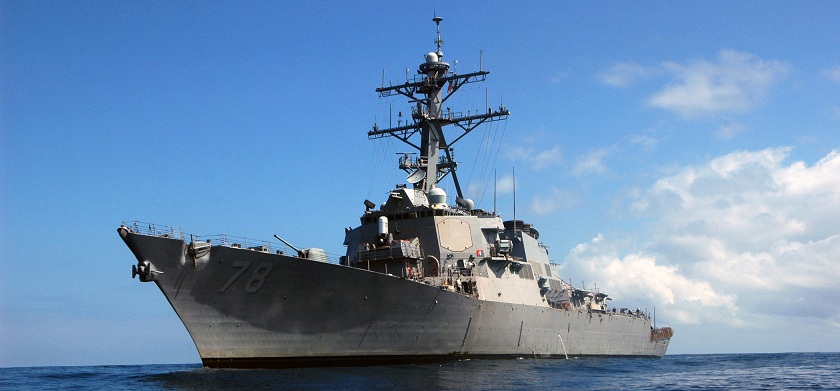
Apart from economic and banking woes, maritime accidents and political factors also come into play. This week’s collision involving a US guided missile destroyer in the Strait of Hormuz resulted in a US$ 115 spike in the price of Brent Crude – its highest level since May  The bloody conflict that is is Syria seems to be a never ending tragedy with world leaders continuing to dither. The saber-rattling over Iran gathers momentum. Then there is Lebanon fast becoming a no-go area. Ramble on!

“Political correctness is a doctrine, fostered by a delusional, illogical minority, and rabidly promoted by an unscrupulous mainstream media, which holds forth the proposition that it is entirely possible to pick up a turd by the clean end.” It also allows for the distortion of truth and fact to promote political gain and rationalize all acts to further the cause of those pushing an agenda not shared by the majority.

Posted in Finance | Tagged , , , , , , , , , | Leave a comment

A Sign Of The Times

A sign of the times that the Dubai economy is continuing to head in the right direction came from the Land Department which reported a 21% increase in H1 transactions to US$ 17.2 billion. With improved demand, especially for properties in certain areas, the market has stabilised and prices have begun to escalate. Of the 19,000 transactions recorded, mortgages accounted for US$ 8 billion or 47% of the total for the period. Overseas buyers generated US$ 7.7 billion of all the business.

Even Dubai Financial Market Company (PJSC) got in on the act by announcing a 140% increase in H1 Net Profit to US$ 11 million on Revenue of US$ 32.3 million. In addition, DFM trading value has rocketed from US$ 6 billion in H1 2011 to US$ 8.8 billion this period. (For the record, the Dubai Financial Market Index ended the week at 1572 up from the Sunday start of 1551).

A recent survey reported that business confidence in the non-oil sector moved marginally higher in June with the only hiccough being a contraction in export orders. This mirrors the current buoyancy in the local economy which has seen many of its indicators heading north whilst most of the world is going in the opposite direction.

Despite this plethora of positive news and the strong corporate results reported last week, Dubai Investments bucked the trend with a disappointing 54% fall in Q2 profits to just over US$ 17 million on Revenue of US$ 172 million (a fall of over 13% from almost US$ 200 million in Q2 2011). The company has assets of US$ 3.7 billion.

June saw a slight drop in the UAE money supply as the amount of local currency in circulation fell 1.3% to US$ 14.4 billion. However when this is added to monetary deposits of US$ 62.9 billion to give money supply aggregate M1 there has been a 1% increase to US$ 77.3 billion. Whilst bank deposits have decreased 1.6% to US$ 301 million, bank loans have risen1.5% to US$ 297 million and total bank assets have nudged upwards to US$ 471 million.

Indeed it seems that the value of remittances being sent home by expatriates is on the increase aided and abetted by  big recent devaluations in some of the currencies (including Pakistani rupee, Indian rupee, sterling, taka and euro). The World Bank estimates that remittances to developed countries will reach US$ 350 billion this year with India (US$ 58 billion), China (US$ 57 billion), Mexico (US$ 24 billion) and Philippines (US$ 23 billion) being the major beneficiaries. The GCC accounts for over 50% – or US$ 48 billion – of all remittances to South Asia and almost 30% – or US$ 36 billion – to the MENA region.

The GFC and the ensuing malaise here in Dubai are now distant memories as the emirate has sorted out its problems. This year, Dubai has about US$ 15 billion in debts maturing which will either be paid off or restructured. The yield on Dubai’s November 2014 Islamic bonds is currently hovering around the 3.25% mark which shows the market’s increasing belief in the emirate’s creditworthiness.

The opposite applies to the eurozone where confidence levels plummeted as the economy slid into deeper trouble and ever-worsening crisis. For example, Spain’s economy contracted for the third quarter in a row and will definitely require additional funds (a lot more than the US$ 120 billion being bandied about) from the European Central Bank.

The other basket cases are faring just as badly as Spain. Greece sees its credit rating dropping from stable to negative as its situation worsens with estimates that its economy next year will shrink a further 11%. The deepening crisis in Italy was highlighted by a Q2 0.7% contraction and a 2.5% year on year fall in its GDP. No wonder there is increasing concern in the markets that Italy will be going down the same road as Greece, Portugal and Spain, particularly since its debt burden represents 123% of GDP.

At the same time, France is expected to fall back into recession in Q2 when figures are announced and this contraction will continue for the rest of the year. More worryingly, Germany’s exports in June fell 1.5% and industrial output by 0.9% with further declines in the manufacturing and construction sectors. Germany is slowly being dragged under by its eurozone partners.

To further exacerbate the problem, the banking sector is bedevilled by a series of unwelcome drawbacks. The Libor scandal, which saw Barclays hit with a US$ 460 million fine, rumbles on with news that US bank, Berkshire, is suing 21 banks for damages over this alleged fraud. The London Interbank Offered Rate is fixed daily by the British Bankers’ Association and sets values on US$ 360 trillion of financial products. The fallout from this is bound to be massive and messy.

There is a good chance that Standard Chartered can join HSBC on the “Walk of Shame” as US regulators claim that the bank hid US$ 250 billion in transactions with Iranian banks. Although much larger than the US$ 16 billion that HSBC allegedly transacted, the modus operandi is similar – systematically disguising forex deals in contravention of US sanctions.

Another finance company in trouble is a leading market-maker on the NYSE. An IT problem last week saw US$ 440 million disappear from the books of Knight Capital. To save itself from going under, the company has had to agree to a US$ 400 million rescue deal with a group of Wall Street firms. Obviously a gold medal for gross ineptitude!

There is no doubt that the London Olympics have been a huge success but one has to question why such an event, that is supposedly promoting healthy living, lists McDonald’s and Coca Cola among its major sponsors.

On the subject of the Olympics, Jose Havelange, IOC member from 1963 – 2011 and former FIFA president , was named as a beneficiary of bribes from ISL, a company granted exclusive marketing and TV rights for the 2002 and 2006 FIFA World Cups. It was revealed that Havelange and his cohort and ex son-in-law, Ricardo Teixeira, received at least US$ 1.5 million and US$12.6 million respectively.

Unfortunately too many individuals are fiddling the system for their own personal greed, too many institutions – banks, media, government officials and politicians – are betraying the trust of their stakeholders and too many leaders are more concerned about their own welfare rather than the good of their country. Maybe it is just a sign of the times in which we live.

Posted in Finance | Tagged , , , , , , | Leave a comment

Should I Stay or Should I Go?

HH Sheikh Mohammed bin Rashid Al Maktoum started the week off well with a bullish speech about the state of the Dubai economy which appears to have gotten over its problems following the GFC. He contrasted the local economy with all the troubles emanating from the eurozone crisis, flagging global growth and other economic ailments affecting many other countries.

This confidence resonated around the emirate and the mood further improved  as many of the larger companies announced impressive Q2 results with Emaar, Nakheel, Du and Union Properties all coming in above analysts’ estimates.

The turnaround in the real estate sector is highlighted by the progress made by Emaar Properties and Nakheel. The former announced H1 revenue in excess of US$ 1 billion with net profit of US$ 332 million, being 45% higher than this time last year. Meanwhile Nakheel reported H1 revenue up a staggering 112% to US$ 850 million whilst there was a 36.5% increase in half yearly net profit to US$ 210 million.

Du’s Q2 revenue rose 13% to US$ 680 million whilst there was a 57% leap in net profit to nearly US$ 90 million. The company is catching up with its only other rival, Etisalat, and its 5.7 million mobile subscribers represent 46.5% of the total market.

Union Properties has seen a US$ 165 million turnaround in its fortunes from a US$ 142 million loss in Q2 2011 to a current quarterly profit of US$ 23 million. The market is obviously happy with the company’s recent progress as its shares are up over 45% this year.

Dubai Islamic Bank saw a 27% increase in its quarterly net profit to US$ 85 million with an H1 profit of over US$ 150 million. At 30 June, its total assets stood at US$ 25.5 billion with customers’ deposits at US$ 18.5 billion.

Even the Dubai International Financial Centre is getting in on the act announcing that, in 2011, its value of business reached over US$ 3.1 billion and the number of businesses operating increased to over 800. The outlook this year is for improved results and, having been responsible for 3% of Dubai’s growth and 1.4% of the UAE’s non-oil GDP in 2011, it hopes to add even more to the economy this year.

Finally and despite the global downturn, DP World bucked the trend by reporting a 7.5% increase (or 28.2 million TEUs – twenty foot equivalent units) in the volume of containers it handled in H1. The company, with sixty terminals globally, saw the largest growth (12%) in the Far East and the lowest (3.2%) in Europe. Its flagship base, Jebel Ali, handled 6.6 million TEUs – a 7.3% rise over the same period last year. No wonder that Dubai’s recovery was reflected in the latest figures showing a 13.3% rise in H1 exports and re-exports to US$ 37 billion.

Even the local bourse is getting in on the act with the DFM posting a weekly gain of 41 points ending at 1551 and almost 15% up since 01 January.

The feel good factor, resulting from these corporate financial results, was further enhanced by Dubai hotels recording June increases in profit. There was a 50% increase in gross operating profit per available room to US$ 86 and a 10% increase in revenue per available room to US$ 148. These impressive returns are expected to continue for the rest of the year. Interestingly a report on GCC completed construction projects expects that the hotel and hospitality sector will see their project values triple this year to US$ 7.3 billion!

The sector will receive an unexpected boost with Dubai hosting the XVII Annual World Investment Conference in September, being held for the first time in the MENEASA region. Over 500 attendees, representing 250 investment promotion agencies and from over 150 countries, will surely bring smiles to both the hospitality and retails sectors.

One country whose hospitality industry may be hurting (mainly from its ridiculously high exchange rate) is Australia but it may benefit in other areas from two UAE sources. The first was the signing of a nuclear cooperation agreement with a 15 year contract to supply uranium for the UAE’s new atomic power plant. The other news was that the loss-making Qantas Airways confirmed that it was in negotiations with Emirates Airline about a future alliance. No doubt a code sharing arrangement with the world’s largest long-haul carrier will add business and save costs for the world’s second oldest airline.

Emirates hub, Dubai International Airport, witnessed a massive 13.7% H1 increase in traffic to 28 million passengers and a 2.2% rise in cargo to 1.09 million tons. The 4.7 million passengers using the airport in June was 16% up on last year. The airport’s capacity will increase to over 75 million when the new Concourse 3 opens in Q1 2013. The ground facilities will be able to cope with increased demand but what about the air space?

As the international sanctions imposed on Iran begin to bite, its currency has fallen over 30% this year and its trade is grinding to a halt. Consequently, Iranian investment in Dubai reality has fallen 25% in H1 to US$ 410 million from last year’s figure of US$ 520 million. It is reported that the devaluation in the rial has left Dubai traders being owed nearly US$ 300 million by Iranian buyers.

As the eurozone crisis is now in its fourth year, the chances of an effective solution recede by the day as the so-called decision makers dither from one meeting to another. Recent data indicates that the 88.2% ratio of government debt to GDP in the seventeen beleaguered countries is now at historical highs.

The financial markets have seen the writing on the wall for some time and are now turning on Spain, the world’s number 12 economy.  As the country wallows in its third quarter of recession, with no end in sight, unemployment at 25%, youth unemployment at 50%, regional governments declaring bankruptcy and a 10 year bond rate hovering around the 7% level, it will have to join Greece , Ireland and Portugal in seeking a financial bailout.

More disturbing is the fact that depositors are losing confidence and have already withdrawn US$ 200 billion (equating to 16% of the country’s GDP) from Spanish banks in the first five months of the year.

Can it be long before countries like Spain start asking Should I Stay or Should I Go from the eurozone?

Posted in Finance | Leave a comment

Go Your Own Way

It seems that Dubai is progressing well in its quest to reduce the number of private vehicles on the roads by making its mass transit more accessible to users. Latest figures show that more than 10% of the population now use public transport (up from only 6% two years ago) with over 208 million passengers recorded in H1. Of that number, 94 million used taxis, 54 million public buses, 53 million the metro and 7 million water transport.

Another feather in Dubai’s cap came with the news that it will host the prestigious World Energy Forum 2012 in October. This will be the first time that the convention has not taken place at the UN in New York and will prove to be an eventful period for the emirate’s hotels as attendees will include ministers, ambassadors and other high flying dignitaries.

A recent report has indicated that Dubai has over hotel 11,000 rooms in construction phase which will add to its current inventory of over 75,000 rooms in its 580 listed hotels. These will be sorely needed if the annual growth (23% last year) continues in the same upward trend.

The real estate sector continues to be a harbinger of positive news for the local economy. The value of residential property transactions in H1 was over US$ 1.9 billion of which US$ 1.1 billion related to Q2 activity. An additional 6,100 new units, ready in H2, will bring Dubai’s villa inventory to nearly 65,000 whilst the number of apartments will increase by an additional 12,000 to 414,000 over the same period.

The end of July marks Q2 reporting season for local companies and so far so good. The country’s largest bank, Emirates NBD, came in with H2 profit up a massive 274% to US$ 490 million. The bank’s total assets (US$ 81 billion), customer loans (US$ 57 billion) and customer deposits (US$ 56 billion) were all heading north. In addition, Etisalat announced a 17% Q2 profit increase to US$ 520 million after several quarters of declining returns, with Revenue rising 4% to US$ 2.25 billion.

The DFM Index started the week at a bullish 1536 but as fresh eurozone problems emerge, it weakened almost  2% to close at 1510 – albeit on thin trading of around a daily US$ 35 million. Whilst the beginning of July had seen a mini revival in the local bourse, this will not help some brokerage firms from going out of business. The number of entities has halved since last year and it will be no surprise to see this current figure of 50 halving again before the end of the year.

As global economic gloom continues unabated, there has been a significant easing of investor concerns about the state of Dubai’s creditworthiness. This is reflected in the fact that the cost of insuring Dubai’s sovereign debt is at its lowest point since November 2009 with 10 year bond yields heading well south of 5%.

This rate compares favourably with eurozone countries such as Greece (27.48%), Spain (7.37%) and Italy (6.44%).

Just to confirm that the eurozone is going down the toilet, its lynchpin, Germany, was left reeling with the news that Moody’s had lowered its credit outlook from “stable” to “negative”. Maybe the markets – and apparently most of the world – know more than the vacillating decision-makers who are responsible for this economic mess. It is probably too late for the leaders to be more proactive, rather than reactive, in their approach to solving this massive debt crisis.

To add to the global economic problems, the unusual weather patterns are affecting food supply. Unprecedented drought conditions in the US are being held responsible for soaring food prices, including record highs for both corn and soybeans, and furthermore wheat prices have risen over 50% since the beginning of June. European heat waves have resulted in similar problems. The end result is that there will be inevitable food price hikes everywhere and a situation far worse than the 2008 global food crisis which was the catalyst for social unrest and political changes in so many countries.

As some wise economist pointed out – if the whole world is stuffed then we are all stuffed.

Over the coming weeks, Greek, Spanish and Italian leaders may well be told by the other eurozone countries to “Go Your Own Way”. Whether they do  or not remains to be seen but time is rapidly running out for all stakeholders involved in this debacle, which has got the potential to bring the world to unprecedented political turmoil and social unrest. 

Posted in Finance | Tagged , , , , , | Leave a comment

Stand and Deliver!

With the summer heat taking its toll, it comes as no surprise that UAE energy consumption rose 5.2% last year to a frightening level of 1.56 million equivalent barrels a day. Evidently its recent growth rate is amongst the highest in the world – in 2008 there had been a 23% annual jump.

As the mercury seems to be settling in the 40 degrees plus range, the sun is definitely shining on the local retail sector. Although final figures have yet to be announced, it seems that the 2012 Dubai Summer Surprise festival could turn out to be the best ever as some malls report up to 20% increase in business. That being the case, it could add more than US$ 5 billion to the Dubai economy.

There is no doubt that hotels have also felt the benefit from the DSSF with a high number of visitors especially from the GCC countries. H2 will see a further 4,500 units added to the current stock of 54,000 rooms followed by an additional 11,000 rooms between 2013 and 2014.

There were two significant events this week. The first was the formal approval by the Emirates Nuclear Energy Corporation to start work on Units 1 and 2 of the Barakah Nuclear Facility. Each of these Korean-designed reactors will be able to produce 1,400 megawatts of electricity.

The second was the inauguration of the 400 km long pipeline from Abu Dhabi to Fujairah. On its first operational day, 500k barrels of oil were pumped through the new link which has a capacity of 1.8 million barrels or about or 70% of the country’s daily production. One of its major benefits is that it will bypass the Strait of Hormuz and any future problems that could arise.

Despite the fact that it currently produces 2.6 million barrels a day, the UAE has the highest petrol price in the Gulf. At US$ 0.41 a litre it is more than three times dearer than Saudi Arabia’s price of US$ 0.12. Only two countries in the Arab world charge more – Syria (US$ 0.56) and Tunisia (US$ 0.70).

These relatively high petrol prices have not deterred the impressive growth in motor vehicle sales. Al Futtaim – the biggest dealership in the country – reported a 27% half yearly rise in its Toyota sales which equate to annual sales of 100,000 units. Over the same period local Ford sales are up 38% whilst GM have posted an 11% gain.

The Dubai feel good factor even spilt over onto the local bourse which saw a weekly 3% rise from 1491 to 1536. The DFM Index is showing a 13.47% YTD gain – not a bad result during these turbulent  times!

Despite the local bullish outlook, this week has seen yet again increasing concern about a slowdown in global growth which, as noted in previous blogs, is now impacting on emerging markets. Consequently the IMF has again cut its 2012 growth forecasts for China to 8.0%, India 6.1%, Russia 4.0% and Brazil 2.5%. Eurozone remains a basket case with an overall projected contraction of 0.3%. More disconcerting is that in April, Italy and Spain were forecast to have negative growth of 0.3% and 0.6% respectively – three months later, the IMF cut these even further to minus 1.9% and minus 1.5%! Despite its US$ 16.5 trillion debt problem, the US has seen its latest growth forecast shaved by only 0.1% to 2.0%. (The worst is yet to come for that country).

In contrast, the Middle East’s growth forecast remains at 3.7%.

Scarcely a day goes back without another story on the woeful state of the banking industry. The latest episode in the on-going saga involving HSBC and its relationship with Mexico and money laundering where in 2008 over US$ 7 billion was shipped from its Mexican operation to the US. It seems that US HSBC affiliates were able to forward funds to prohibited countries such as Iran, Sudan, Burma, Cuba and N Korea. The good news for all concerned is that the bank has now expressed remorse about their unacceptable behaviour which had been going for more than a decade! The bad news is that they will probably get away with a fine of up to US$ 1 billion.

This week, the largest bank in the USA reported that it had lost US$ 4.4 billion as result of the antics of its rogue trader, the “London Whale”. As intimated in a May blog, we thought the then reported loss of US$ 2 billion to be on the low side! Little wonder that since April, the market has wiped off nearly US$ 40 billion from the bank’s value. To add to their problems, JP Morgan are now embroiled in an investigation that they have been manipulating the Californian energy market for their own profit and to the detriment of the public.

Not to be outdone US credit card companies – including Visa and MasterCard – have agreed to pay more than US$ 6 billion to retailers for basically ripping them off with fixed high fees. And we worry here when small unexplained charges appear on our statements and nothing gets resolved by the bank.

The repercussions from the Libor crisis rumble on. Although Barclays were the first to be caught by the authorities and fined a derisory US$ 450 million for fraud, there are many other banks waiting in the wings to receive their punishment with possible much higher fines. And rest assured these fines will seem miniscule once the lawyers start suing for all the damage suffered by their unsuspecting clients.

Don’t forget that earlier in the year, Barclays were fined US$ 12 billion for giving bad financial advice to its UK clients. It had understated the risks involved from investing in two Aviva funds which subsequently suffered heavy losses in the 2008 GFC.

Gone have the days when bank robberies were carried out by persons stealing from banks. These days, it seems that the boot is on the other foot and banks are getting their own back by continually dreaming up ways of defrauding their customers. Stand and Deliver now has a whole new meaning!

Posted in Finance | Tagged , , , , , , , , , , | Leave a comment